 Preview
 Send
Send Share
Share
 Details

 Download
 Similars
 X-Ray
X-Ray Diaporama
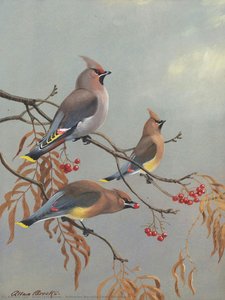
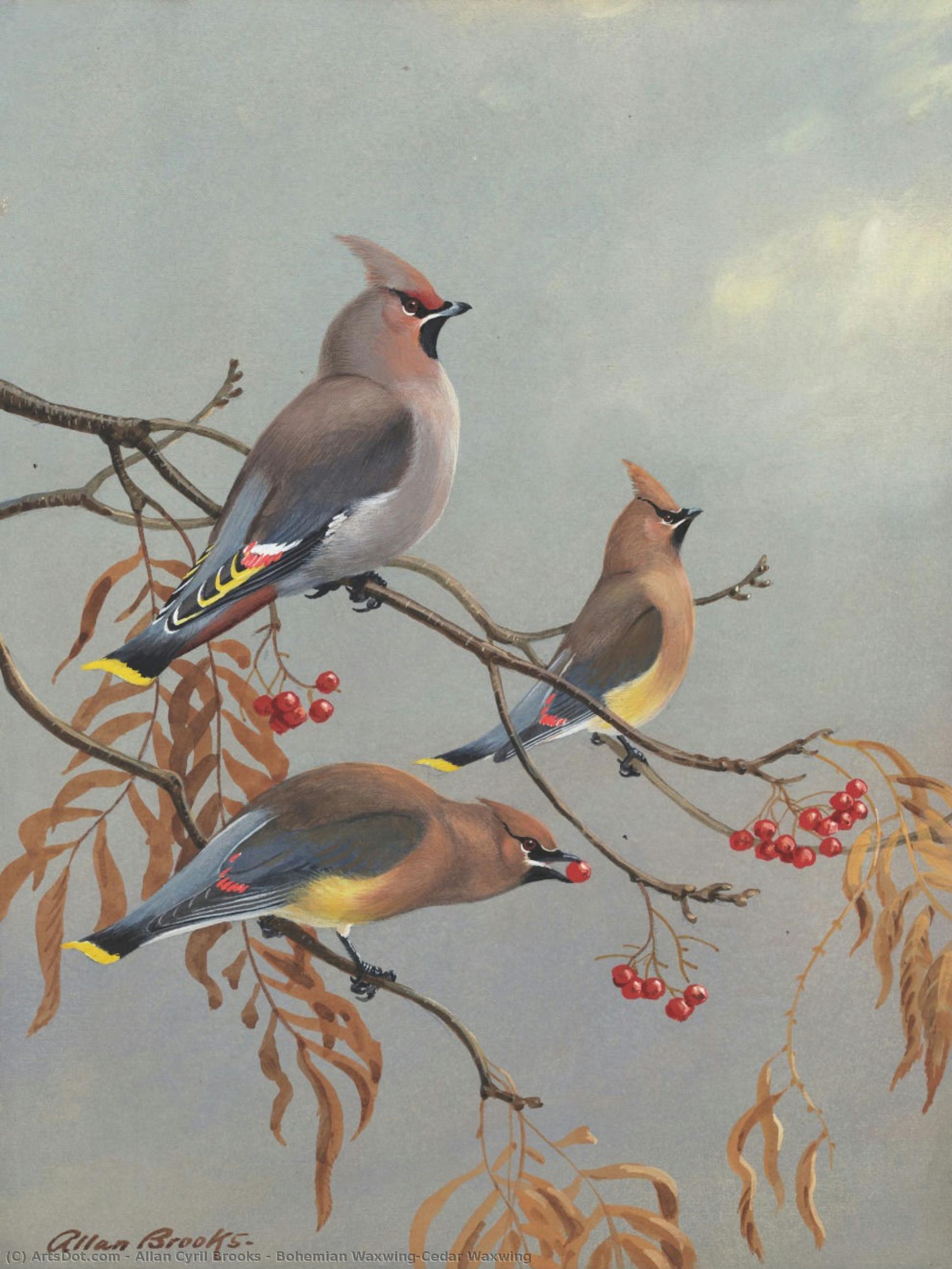
Bohemian Waxwing/Cedar Waxwing

 Read More
Hand Made Oil Reproduction
Hand-painted oil on canvas in your size and frame, made to order by our artists. ( Buy Print Buy Image)




































Pick from our preset sizes that match the artwork's original proportions.

You may enter your own dimensions to fit a specific frame or space. If your selected size does not match the original image's proportions, we will either crop the artwork or extend the painting with additional hand-painted elements. A digital mockup will be sent for your approval before production begins.
Please note that the on-screen preview does not reflect the actual cropping or extension. Only the mockup will accurately show the final composition.
While custom sizes are available, we recommend selecting a dimension from the predefined list to preserve the original proportions.
After order, ArtsDot.com team will email client for instructions and provide a mockup preview
Worldwide Delivery () in 3/4 weeks instead of standard 5 weeks. (23 August). No compromise on quality.

Free Worldwide Express Shipping

High-Quality Linen Canvas

Full Shipping Insurance

Customs Tax Refund Guarantee

True Color Matching Guarantee

60-Day Return Policy (Defects Only)

100% Money-Back Guarantee

Bulk Discount Offer
 Glass option is only available in size under 110 CM

Bohemian Waxwing/Cedar Waxwing
Reproduction Medium
Reproduction Size
-


Total Price
$ 263
Related Artworks
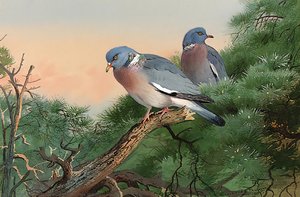
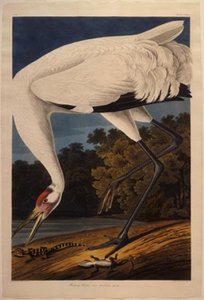
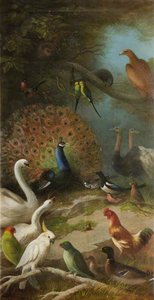
Artist Biography
A Life Immersed in Feather and Field: The World of Allan Cyril Brooks
Allan Cyril Brooks, born in the distant outpost of Etawah, India, in 1869, was a painter whose life unfolded as a delicate interplay between scientific observation and artistic expression. His story is one of adapting to circumstance, forging a unique path in ornithological art at a time when the field was rapidly evolving. Unlike many contemporaries who enjoyed early patronage and formal training, Brooks’s journey began amidst the practicalities of Canadian farm life, yet it blossomed into a distinguished career marked by an impressionistic style and a dedication to capturing the essence of avian existence. His father, William Edwin Brooks, a civil engineer with a profound passion for ornithology, instilled in young Allan a deep appreciation for birds—a legacy that would shape his destiny. The elder Brooks’s meticulous studies of Indian leaf-warblers and correspondence with prominent naturalists like Allan Octavian Hume laid the groundwork for Allan's future pursuits, even as the family transitioned to England and then Canada, seeking a more settled existence.Early Influences and the Development of a Unique Style
Brooks’s early education in England provided exposure to the birdlife of the Northumberland moors, fostering his nascent artistic talents under the guidance of figures like Henry Seebohm and John Hancock. These connections proved invaluable, introducing him to techniques of egg collection and butterfly preservation—skills that honed his observational abilities. However, it was upon the family’s relocation to Ontario, Canada, that Brooks truly began to define his artistic voice. The rugged landscapes and diverse avian population presented a new set of challenges and opportunities. While initially engaged in specimen collecting for museums and private collectors, Brooks found himself increasingly drawn to portraying birds not as static objects but as living creatures within their natural habitats. This inclination distinguished him from many artists of the period who prioritized detailed anatomical accuracy above all else. His style evolved into a more impressionistic approach, emphasizing atmosphere, light, and the overall feeling of a scene rather than hyper-realistic depictions of plumage. He was influenced by his father's meticulous notes but sought to capture the *spirit* of the bird, not just its form. This emphasis on habitat would become a defining characteristic of his work, setting him apart from contemporaries like Louis Agassiz Fuertes, who focused more intently on precise detail.The Birds of Massachusetts and Beyond: Major Achievements
Brooks’s career took a pivotal turn following the untimely death of Fuertes in 1912. He was commissioned to complete the plates for *Birds of Massachusetts*, a monumental undertaking that cemented his reputation as a skilled ornithological artist. This project allowed him to fully showcase his distinctive style, rendering birds within lush, evocative landscapes that captured the essence of their environment. The completion of this work brought widespread recognition and opened doors to further commissions. He illustrated Percy A. Taverner’s *Birds of Western Canada* (1926) and later *Birds of Canada* (1934), solidifying his position as a leading figure in Canadian wildlife art. Beyond these major publications, Brooks contributed illustrations to periodicals like *Recreation* and *St. Nicholas Magazine*, reaching a broader audience with his captivating depictions of avian life. His paintings were characterized by balanced compositions, rich textures, and a subtle use of color that conveyed the beauty and tranquility of the natural world.A Life Beyond Art: Service and Observation
Brooks’s life was not solely defined by artistic pursuits. During World War I, he leveraged his exceptional marksmanship skills to serve with the 7th Canadian Infantry Battalion, eventually becoming a chief instructor in sniper training. This experience, while far removed from the peaceful world of birdsong, demonstrated his versatility and dedication to duty. Even amidst the horrors of war, Brooks continued to observe and document the natural world, reporting on birdlife in Flanders and noting the impact of conflict on local ecosystems—a testament to his enduring passion for ornithology. His wartime observations, including detailed notes on rat populations and slug predation on birds’ eggs (a phenomenon only fully studied decades later), reveal a keen scientific mind at work even under extraordinary circumstances.Historical Significance and Enduring Legacy
Allan Cyril Brooks occupies a unique position in the history of ornithological art. He bridged the gap between traditional scientific illustration and a more expressive, impressionistic style. His emphasis on habitat—depicting birds within their natural environments—was groundbreaking for his time and continues to influence wildlife artists today. While he faced challenges in establishing a consistent artistic career due to limited patronage, his dedication to his craft ultimately resulted in a body of work that is both scientifically valuable and aesthetically compelling. His paintings are not merely representations of birds; they are evocative portraits of ecosystems, capturing the beauty, fragility, and interconnectedness of the natural world. Brooks’s legacy extends beyond his artistic achievements. He inspired generations of ornithologists and artists to appreciate the importance of observation, conservation, and the power of art in fostering a deeper understanding of our planet's biodiversity. His work remains a testament to the enduring allure of birdsong and the transformative power of immersing oneself in the rhythms of nature.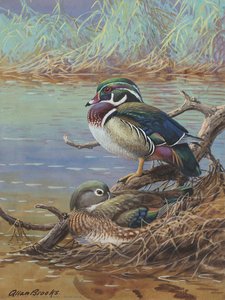
allan cyril brooks
1869 - 1946 , Canada
Quick Facts
- Artistic Movement Or Style: Impressionism
- Artists Who Influenced This Artist:
- William Edwin Brooks
- Louis Agassiz Fuertes
- Date Of Birth: February 15, 1869
- Date Of Death: January 3, 1946
- Full Name: Allan Cyril Brooks
- Nationality: Canadian
- Notable Artworks:
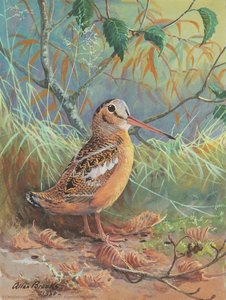
- American Woodcock
- Bohemian Waxwing
- Downy Woodpecker
- Birds of Massachusetts
- Place Of Birth: Etawah, Canada
Related Articles

The Enduring Legacy of Oil on Canvas: Technique, History & Aesthetic Impact
Explore the rich history & techniques of oil painting – from Renaissance masters to Impressionism. Discover pigments, layering methods, and why this timeless medium endures. Expert insights for artists & art enthusiasts.

Oil on Canvas: A Historical & Technical Exploration of a Timeless Artistic Medium
Explore the rich history & enduring techniques of oil painting on canvas. Discover the science behind its longevity, conservation practices, and contemporary relevance. Expert insights for art enthusiasts.

The Enduring Power of Painting: A Historical & Contemporary Exploration of Form and Emotion
Explore the rich history & enduring techniques of oil painting with ArtsDot. Discover masterpieces, learn about art collecting, and find authentic handmade reproductions crafted by skilled artists.

The Enduring Legacy of Oil on Canvas: Technique, History & Contemporary Practice
Explore the rich history & enduring techniques of oil painting on canvas. Discover the science behind its longevity, conservation practices, and contemporary relevance. Expert insights for art enthusiasts.
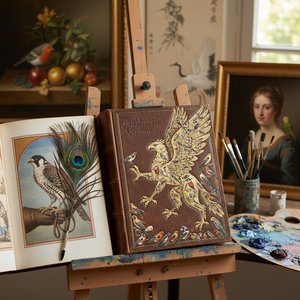
Feathered Visions: A Historical & Artistic Exploration of Birds in Painting
Explore the rich history of birds in painting! Discover symbolism, artistic movements & master artists like Audubon. High-quality reproductions available at ArtsDot.