

 Preview
 Send
Send Share
Share
 Details

 Download
 Similars
 X-Ray
X-Ray Diaporama
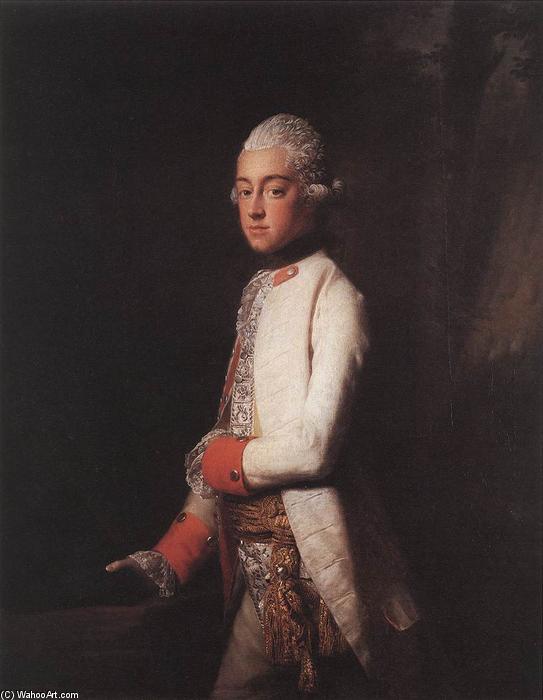
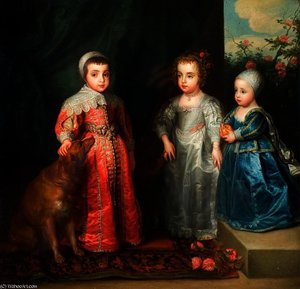
Prince George Augustus of Mecklenburg-Strelitz
 Acrylic On Canvas
- WallArt
- Baroque Rococo Fusion
 1769
1769 127.0 x 101.0 cm
 Royal Collection
 Read More
Purchase a high-resolution, enhanced digital image, far superior to the online preview.
Each file is meticulously prepared by our in-house specialists using advanced tools and expert manual retouching. We ensure every image has exceptional clarity, precise color accuracy, and fine detail.
The final file is delivered via email within 72 hours, optimized for immediate use in professional, editorial, and print environments. This is the same quality trusted by top-tier design studios, publishers, and galleries.
Digital Image
Download a high-resolution file for personal display, printing, and creative projects. ( Buy Print Buy Hand Made Painting)
Included in Every Digital Image Order
Expert Digital Delivery, Guaranteed
When you choose ArtsDot.com, you're not just getting an image - you're receiving a professionally enhanced digital artwork, crafted with precision and backed by a satisfaction guarantee. Here's everything that comes with your order, automatically:

Fast Email Delivery
Your high-resolution digital image file will be emailed to you within 72 hours of ordering - ready for immediate use.

AI-Enhanced Digital File
Your artwork is professionally optimized using advanced AI tools and manual editing, ensuring maximum detail, clarity, and color accuracy.

Free Lifetime Re-Delivery
Accidentally deleted or lost your file? No worries - we'll resend it to you anytime, free of charge.

No Import Fees - Ever
Enjoy your artwork instantly with zero customs, duties, or delivery fees - digital downloads are always tax-free.

Color Accuracy Guarantee
We ensure your digital image reflects the original colors as closely as possible using professional tools and color management.

60-Day Satisfaction Guarantee
If you're not satisfied with your digital image, we'll revise it or refund 100% within 60 days - no questions asked.

100% Money-Back Guarantee
Not satisfied? Get a full refund within 60 days of receiving your digital file - no questions asked.

Bulk Order Discounts
Buy 3 images, save 10% - Buy 5, save 15% - Buy 10+, save 20%. Great for creative projects, galleries, and agencies.
Allan Ramsay: A Portrait of Elegance and Artistic Mastery
Allan Ramsay’s legacy extends far beyond his captivating portraits; he embodies the spirit of Enlightenment Scotland, skillfully blending artistic innovation with aristocratic patronage. Born in Edinburgh on October 13, 1713, Ramsay embarked upon a distinguished career fueled by rigorous training under Hans Hysing and Francesco Solimena – masters who instilled within him the foundational principles of classical painting and Rococo aesthetics. His formative years in London established him as a leading figure amongst his peers, marking the genesis of an artistic journey destined for international acclaim.The Roman Influence: Embracing Classical Ideals
Ramsay’s transformative relocation to Rome in 1736 ignited a fervent passion for classical art and philosophy. Spending three years immersed in the vibrant artistic milieu of Naples alongside Francesco Solimena, he absorbed the grandeur of antiquity, meticulously studying sculptures by Michelangelo Buonarroti and Bernini – artists who championed anatomical accuracy and dramatic composition. This exposure profoundly shaped Ramsay’s stylistic sensibilities, propelling him toward a more refined technique characterized by subtle tonal gradations and masterful rendering of drapery folds. The resulting canvases resonate with an idealized beauty rooted in humanist ideals prevalent during the Baroque period.A Masterful Technique: Light, Shadow, and Texture
Ramsay's artistic prowess resided not merely in his subject matter but also in his unparalleled command of technique. He meticulously employed oil paints on canvas, layering translucent glazes to achieve luminous effects that captured the ethereal quality of light – a hallmark of Rococo painting. Furthermore, Ramsay skillfully manipulated texture through meticulous brushwork, creating palpable surfaces that conveyed depth and realism. His attention to detail extended beyond mere visual representation; he sought to imbue his portraits with psychological insight, capturing not only physical likeness but also nuanced expressions of emotion and character—a testament to his profound understanding of human psychology.Symbolism Within Elegance: Reflecting Aristocratic Values
Ramsay’s portraits transcended simple depictions of individuals; they functioned as emblems of aristocratic status and cultural refinement. The attire worn by his subjects – often opulent fabrics adorned with intricate embroidery – served as visual declarations of wealth and social prestige. Moreover, Ramsay incorporated symbolic gestures and poses that conveyed moral virtue and intellectual curiosity—values highly esteemed during the Enlightenment. For instance, a gaze directed upward might signify contemplation of divine inspiration, while a hand resting upon a book embodies erudition and scholarly pursuits. These subtle cues enriched the narrative dimension of his paintings, elevating them beyond mere visual spectacle into enduring expressions of cultural heritage.Emotional Resonance: Capturing the Soul of His Subjects
Ultimately, Ramsay’s greatest achievement lay in his ability to evoke profound emotional resonance within his viewers. He skillfully captured the inner life of his subjects—their hopes, fears, and aspirations—transforming portraits into windows onto human experience. Through expressive facial expressions and subtle gestures, Ramsay conveyed not only physical likeness but also psychological depth, revealing glimpses of character beneath the surface. His canvases linger in memory long after viewing, prompting contemplation on themes of beauty, dignity, and mortality – a testament to his enduring artistic legacy as one of Scotland’s most celebrated portraitists.Related Artworks

![Three Studies Of A Woman's Head And A Study Of Hands [recto], — Jean-antoine Watteau, Rococo Style](/media/artworks/images-thumb/65/73/65730255a762c06e3235059db7ffcb5f.jpg)
Artist Biography
Allan Ramsay: A Life of Elegance and Artistry
Early Life and Training
Born in Edinburgh, Scotland on October 13, 1713, Allan Ramsay emerged as a prominent Scottish portrait-painter whose work captured the elegance and refinement of his era. His artistic journey began at the age of twenty when he travelled to London for studies under the Swedish painter Hans Hysing, followed by instruction at the St. Martin's Lane Academy. This foundational training provided him with a solid base in technique and composition.
Italian Influences & Artistic Development
Ramsay’s artistic development took a significant turn with his travels to Rome and Naples, where he spent three years (1736-1738) working under the tutelage of Francesco Solimena and Imperiali (Francesco Fernandi). These Italian masters profoundly influenced his style, fostering a greater understanding of classical principles and enhancing his skills in capturing likeness and character. He absorbed the prevailing Rococo aesthetic while also developing an appreciation for Neoclassical ideals.
A Flourishing Career & Notable Works
Upon returning to Britain in 1738, Ramsay quickly established a successful career as a portraitist. His ability to portray his subjects with both accuracy and grace soon garnered him a distinguished clientele. Some of his most notable works include:
- Queen Charlotte (1744-1818) with her two eldest sons (Royal Collection, London): A regal depiction showcasing the Queen’s maternal presence.
- Mary Degg, Lady Robert Manners (Scottish National Gallery, Edinburgh): An elegant portrait demonstrating Ramsay's skill in capturing aristocratic beauty.
- Head of Duncan Forbes of Culloden: This early work brought him to the attention of the Duke of Argyll and was later featured on Royal Bank of Scotland banknotes.
Royal Appointment & Peak Achievement
A pivotal moment in Ramsay’s career arrived in 1761 with his appointment as Principal Painter in Ordinary to George III. This prestigious position cemented his status among the art elite and ensured a steady stream of commissions from the royal family and high society. He became *the* portraitist of the Georgian era.
Later Life & Legacy
Ramsay’s later life saw a shift towards literary pursuits, reflecting his broad intellectual interests. However, personal tragedies – an accidental dislocation of his right arm and the passing of his second wife in 1782 – impacted his health and productivity. He died in 1784.
Despite these challenges, Ramsay left behind a lasting legacy as one of Scotland’s most celebrated portrait painters. As Samuel Johnson noted, “I love Ramsay. You will not find a man in whose conversation there is more instruction, more information, and more elegance, than in Ramsay's.” His works continue to be admired for their technical skill, refined aesthetic, and insightful portrayals of 18th-century society.
Historical Significance
Allan Ramsay’s contribution extends beyond his artistic talent. He played a crucial role in shaping the visual culture of Scotland during a period of significant social and political change. His portraits provide valuable insights into the lives, fashions, and values of the Scottish nobility and gentry. His works can be found at locations such as Ayr Town Hall, and the Scottish National Portrait Gallery.
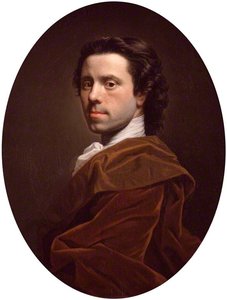
allen ramsay
1713 - 1784 , United Kingdom
Quick Facts
- Birth Date: 1713-10-13
- Birth Place: Edinburgh, United Kingdom
- Death Date: 1784
- Influenced By:
- Hans Hysing
- Francesco Solimena
- Imperiali (Francesco Fernandi)
- Movement:
- Rococo
- Neoclassical
- Name: Allan Ramsay
- Nationality: Scottish
- Notable Works:
- Queen Charlotte with her two eldest sons
- Mary Degg, Lady Robert Manners
- Head of Duncan Forbes of Culloden

