 Preview
 Send
Send Share
Share
 Details

 Download
 Similars
 X-Ray
X-Ray Diaporama
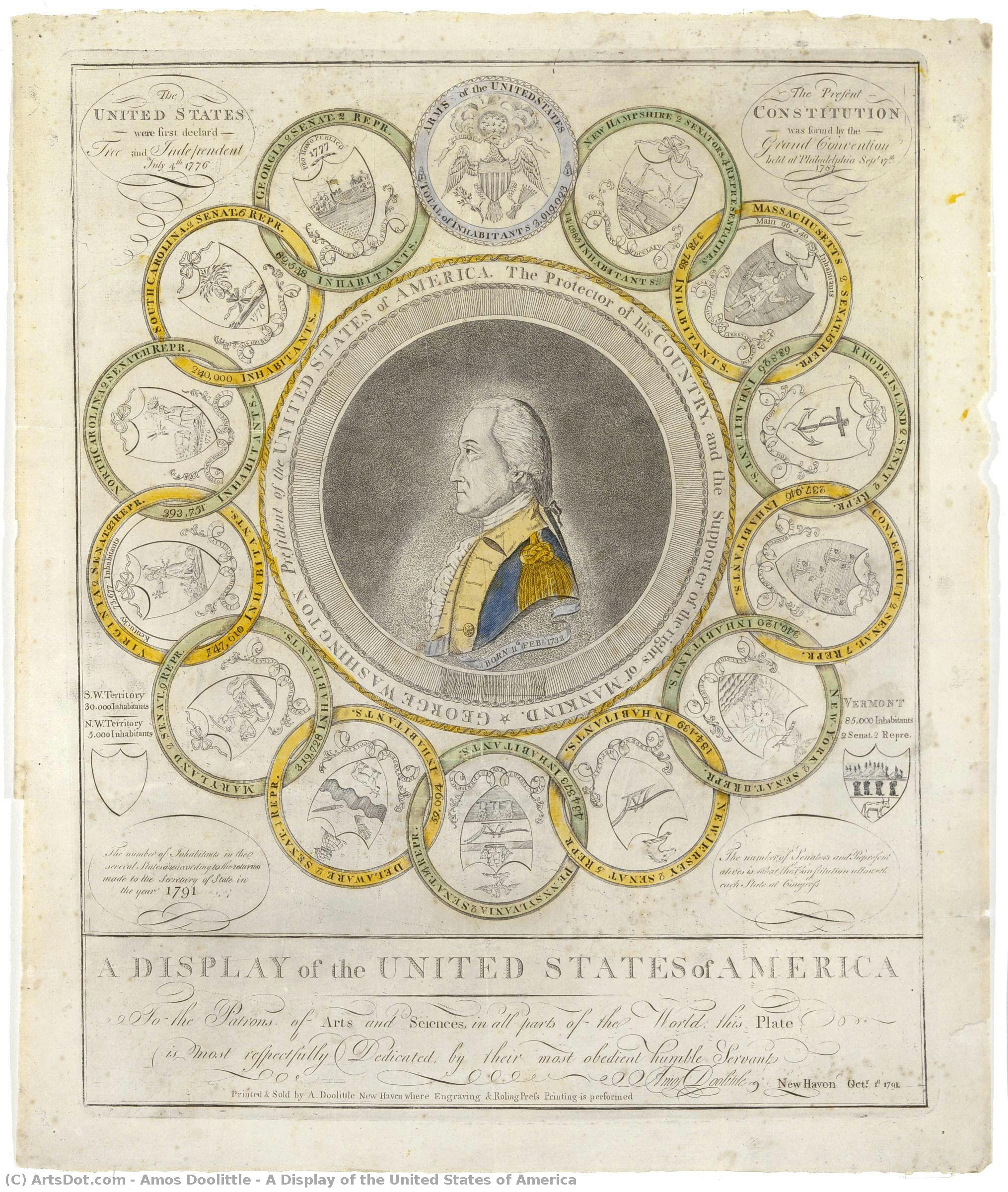
A Display of the United States of America
 Historical Illustration
 1791
1791 48.0 x 57.0 cm
 Read More
Hand Made Oil Reproduction
Hand-painted oil on canvas in your size and frame, made to order by our artists. ( Buy Print Buy Image)




































Pick from our preset sizes that match the artwork's original proportions.

You may enter your own dimensions to fit a specific frame or space. If your selected size does not match the original image's proportions, we will either crop the artwork or extend the painting with additional hand-painted elements. A digital mockup will be sent for your approval before production begins.
Please note that the on-screen preview does not reflect the actual cropping or extension. Only the mockup will accurately show the final composition.
While custom sizes are available, we recommend selecting a dimension from the predefined list to preserve the original proportions.
After order, ArtsDot.com team will email client for instructions and provide a mockup preview
Worldwide Delivery () in 3/4 weeks instead of standard 5 weeks. (2 September). No compromise on quality.

Free Worldwide Express Shipping

High-Quality Linen Canvas

Full Shipping Insurance

Customs Tax Refund Guarantee

True Color Matching Guarantee

60-Day Return Policy (Defects Only)

100% Money-Back Guarantee

Bulk Discount Offer
 Glass option is only available in size under 110 CM

A Display of the United States of America
Reproduction Medium
Reproduction Size
-


Total Price
$ 263
Related Artworks
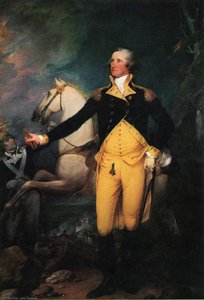
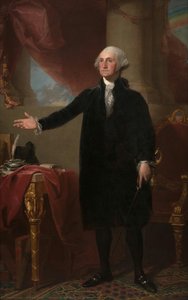
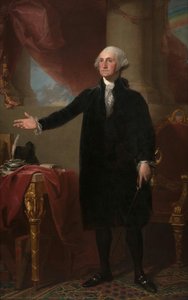
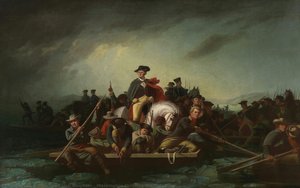
Artist Biography
The Chronicler of a New Nation
In the turbulent dawn of the American Revolution, when the very foundations of a new identity were being forged in fire and blood, one man stood poised with copper and needle to capture the fleeting moments of destiny. Amos Doolittle, often revered as the "Reervere of Connecticut," was far more than a mere craftsman; he was a visual historian whose precision provided a heartbeat to the burgeoning American spirit. Born in the quiet hamlet of Cheshire, Connecticut, in 1754, Doolittle’s life was inextricably woven into the fabric of his era. His journey began not in the grand studios of Europe, but through the disciplined, tactile apprenticeship under Eliakim Hitchcock, where he mastered the intricate art of copper engraving and the delicate craft of silversmithing. This early immersion in the physical properties of metal instilled in him a profound respect for detail—a trait that would later allow him to transform the chaos of war into enduring, structured narratives.
Doolittle’s artistry was defined by an unwavering commitment to truth over idealization. While other artists might have sought to drape the conflict in mythological grandeur, Doolittle pursued a gritty, observational realism. This dedication was tested and refined during his service in the New Haven company of the Governor's Guards. Following the initial skirmishes at Lexington and Concord, Doolittle did not merely retreat to the safety of his studio; instead, he sought out the very sites of the struggle. Accompanied by the sketches of Ralph Earl, he conducted a meticulous reconnaissance of the battlefields, interviewing militia members and surveying the landscape. This firsthand engagement allowed him to reconstruct the atmosphere of the Revolution with an immediacy that few of his contemporaries could match, turning the smoke of battle into permanent, etched reality.
A Legacy Etched in Copper
The pinnacle of Doolittle’s achievement lies in his celebrated series of four engravings commemorating the Battles of Lexington and Concord. These works serve as a profound visual record of the genesis of American independence, capturing the tension, the movement, and the stark reality of colonial resistance. Through the medium of engraving, he was able to disseminate these images widely, ensuring that the struggle for liberty was not just heard in stories, but seen by the eyes of a growing nation. His ability to balance the technical rigors of line work with the emotional weight of the subject matter elevated his prints from mere documentation to significant pieces of historical art.
Beyond the battlefield, Doolittle’s repertoire was remarkably diverse, reflecting the multifaceted nature of colonial life and the expanding American consciousness. His contributions to the visual landscape included:
- Portraiture: Capturing the likenesses of prominent figures, preserving the faces of a generation that would shape the new republic.
- Cartography: Creating early American maps that helped define the physical and political boundaries of a developing territory.
- Civic Documentation: Producing works such as his depictions of Federal Hall, which celebrated the architectural and political symbols of American governance.
As the 18th century gave way to the 19th, Doolittle’s work remained a cornerstone of early American visual culture. His legacy is not found merely in the museums that house his engravings, such as the Smithsonian American Art Museum, but in the very way we perceive the birth of the United States. He provided the visual vocabulary for a nation finding its voice, leaving behind a body of work that remains an essential window into the courage and complexity of the Revolutionary era. Through his needle, the ephemeral echoes of war were transformed into a permanent, indelible heritage.
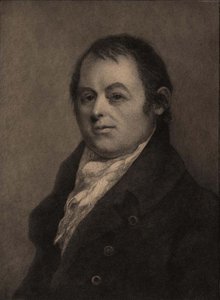
Amos Doolittle
1754 - 1832 , United States of America
Quick Facts
- Artistic Movement Or Style: Historical Engraving
- Artists Who Influenced This Artist: ['Ralph Earl']
- Date Of Birth: May 18, 1754
- Date Of Death: January 30, 1832
- Full Name: Amos Doolittle
- Nationality: American
- Notable Artworks:
- The British entering Concord
- The engagement at the North Bridge
- The British retreating from Lexington
- Place Of Birth: Cheshire, United States of America
Related Articles
Georges Braque's Masterpieces: 25 Paintings That Defined Cubism & Modern Art | ArtsDot
Explore 25 iconic Georges Braque paintings that revolutionized Cubism & modern art. Discover the stories behind his masterpieces, from Fauvism to Analytical Cubism. Find museum-quality reproductions & elevate your home decor with ArtsDot.com.

Georges Seurat's Masterpieces: 25 Paintings That Defined Pointillism | ArtsDot
Explore 25 iconic Georges Seurat paintings & discover the brilliance of Pointillism. From 'La Grande Jatte' to his harbor scenes, delve into art history with ArtsDot.com. Find museum-quality reproductions for your home decor. Explore the full collection online!
Engraving's Golden Age: 10 Masterpieces That Redefined Art | ArtsDot
Journey through art history with our Top 10 Legendary Engravings! Explore masterpieces by Dürer, Rembrandt & Goya. Discover the stories behind these iconic prints and find museum-quality reproductions for your home at ArtsDot.com.
Engraving: A Historical Survey of Technique, Artistic Expression & Enduring Legacy
Explore the rich history of engraving with ArtsDot. Discover techniques, iconic artists like Dürer & Callot, collecting tips, and expert guidance for preserving your art investment. Learn about intaglio printing & more!

Grant Wood & American Regionalism: Identity, Myth & the Rural Landscape
Explore the world of Grant Wood & American Regionalism with ArtsDot. Discover the symbolism behind 'American Gothic', recurring themes, and the movement's lasting impact on art history. High-quality reproductions available.