 Preview
 Send
Send Share
Share
 Details

 Download
 Similars
 X-Ray
X-Ray Diaporama
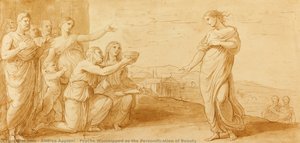
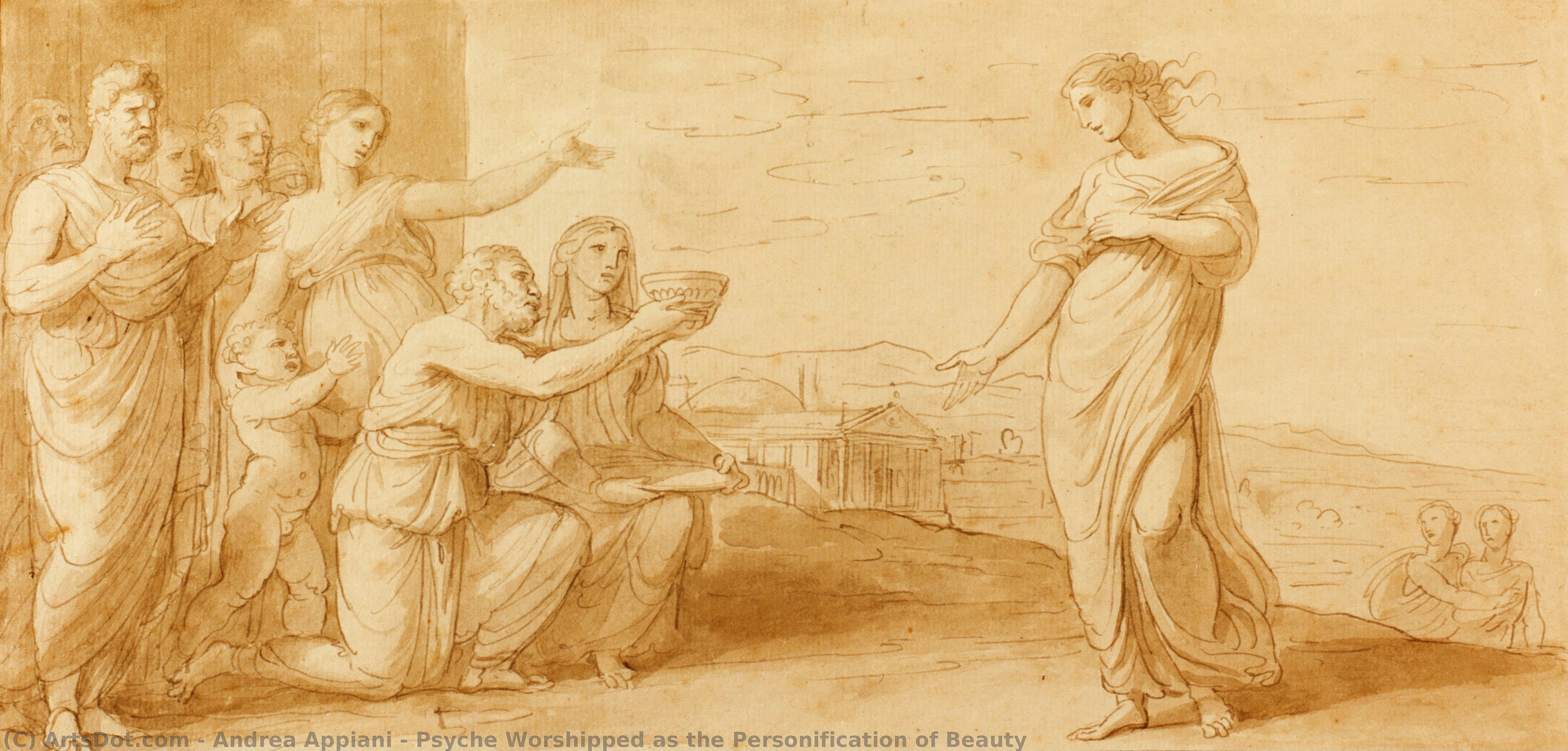
Psyche Worshipped as the Personification of Beauty
 Drawing
- WallArt
- Neoclassicism
 19th Century
 33.0 x 22.0 cm
 Fondazione Cariplo
 Read More
Hand Made Oil Reproduction
Hand-painted oil on canvas in your size and frame, made to order by our artists. ( Buy Print Buy Image)




P118B $10

P118H $10

P118W $10

P438Z $10

P508JH $12

P508YH $12

P805H $10

P805Z $10

P919BZ $10

P919G $10

P919XJ $10

P959ZH $10

P968JZ $12

W106C $8

W218G $10

W218JH $8

W218Y $10

W307PJ $10

W316G $10

W316PJ $8

W316Y $10

W398PJ $8

W4111J $10

W500HY $15

W500JH $15

W692G $12

W849H $8

W940BG $15

W953PJ $8




Pick from our preset sizes that match the artwork's original proportions.

You may enter your own dimensions to fit a specific frame or space. If your selected size does not match the original image's proportions, we will either crop the artwork or extend the painting with additional hand-painted elements. A digital mockup will be sent for your approval before production begins.
Please note that the on-screen preview does not reflect the actual cropping or extension. Only the mockup will accurately show the final composition.
While custom sizes are available, we recommend selecting a dimension from the predefined list to preserve the original proportions.
After order, ArtsDot.com team will email client for instructions and provide a mockup preview
Worldwide Delivery () in 3/4 weeks instead of standard 5 weeks. (16 August). No compromise on quality.

Free Worldwide Express Shipping

High-Quality Linen Canvas

Full Shipping Insurance

Customs Tax Refund Guarantee

True Color Matching Guarantee

60-Day Return Policy (Defects Only)

100% Money-Back Guarantee

Bulk Discount Offer
 Glass option is only available in size under 110 CM

Psyche Worshipped as the Personification of Beauty
Reproduction Medium
Reproduction Size
-


Total Price
$ 263
Artwork Description
A Vision of Neoclassical Grace
In the delicate interplay of line and light, Andrea Appiani captures a moment of profound mythological significance in his preparatory study, Psyche Worshipped as the Personification of Beauty. This exquisite work serves as a window into the artist's creative mind during the genesis of his monumental fresco cycle for the Villa Reale in Monza. At its heart, the composition centers on Psyche, a maiden whose beauty is so transcendent that it invites divine adoration, yet simultaneously incites the jealous wrath of Venus. The scene is not merely a depiction of a gathering; it is an atmospheric prelude to a saga of love, trial, and eventual apotheosis. As the figures cluster around her, their gazes fixed upon her radiant presence, the viewer is drawn into a world where the boundaries between the mortal and the divine begin to blur.
The technical mastery displayed in this drawing reveals Appiani’s profound connection to the masters of the High Renaissance and Baroque. One can trace the unmistakable echoes of Raphael in the balanced, harmonious arrangement of the figures, as well as the soft, emotive drapery reminiscent of Correggio. Having traveled through Rome in 1791, Appiani absorbed the grandeur of the Villa Farnesina and the spiritual depth of Parma’s churches, translating these classical influences into a refined Neoclassical language. The fluidity of his strokes and the careful modulation of tone demonstrate a preparatory phase where every gesture is calculated to evoke both elegance and narrative tension, making this piece an essential study for those who appreciate the intellectual rigor behind great masterpieces.
Symbolism and the Eternal Quest for Beauty
Beyond its formal beauty, the artwork vibrates with symbolic weight. The act of worship depicted here is more than a ritual; it represents the human fascination with the ideal. Psyche, as the personification of the soul, undergoes a journey that mirrors the human experience—from the heights of unearned glory to the depths of suffering and, ultimately, to divine union. The surrounding figures, caught in various states of reverence and contemplation, act as surrogates for the viewer, inviting us to participate in this ancient veneration. For the discerning collector or interior designer, this piece offers a sophisticated layer of storytelling, bringing a sense of classical wisdom and timelessness to any curated space.
The emotional resonance of the work lies in its quiet intensity. There is a palpable sense of anticipation within the group, a stillness that precedes the storm of Venus's envy. This tension between peace and impending conflict provides a captivating focal point for a room, offering an intellectual depth that transcends mere decoration. Whether displayed as part of a larger collection of classical studies or as a standalone statement of Neoclassical refinement, this reproduction of Appiani’s vision serves as a testament to the enduring power of myth and the sublime elegance of the Italian masters.
Related Artworks
Artist Biography
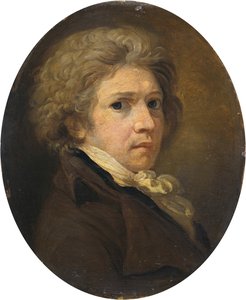
Andrea Appiani: The Neoclassical Master of Milan
Born in Milan in 1754, Andrea Appiani emerged as a pivotal figure in the Italian Neoclassical art scene during the late 18th and early 19th centuries. Initially destined for a medical career following his father’s profession, Appiani’s artistic inclinations led him to study under Carlo Maria Giudici at a private academy, laying the foundation for his future endeavors. His training further encompassed the tutelage of Antonio de' Giorgi at the Ambrosiana picture gallery and Martin Knoller, deepening his understanding of oil painting techniques. This diverse educational background, coupled with his fascination with classical aesthetics fostered by the poet Giuseppe Parini, shaped Appiani’s artistic vision and propelled him to become a celebrated painter known for his elegant portraits, monumental frescoes, and commissions from prominent figures like Napoleon Bonaparte.
Appiani's early career was marked by a dedication to mastering various techniques. He began with the fresco of Saints Gervasio and Protasio in 1776, followed by altar pieces such as those for the collegiate church of Santa Maria Nascente at Arona (1782) and the Nativity for the Ospedale Maggiore in Milan (1784). His architectural designs for the high altar of Duomo di Monza (1786-1798) showcased his burgeoning talent, while stage design work in Florence during 1783-1784 demonstrated his versatility. His anatomical studies at the Ospedale Maggiore, alongside sculptor Gaetano Monti, provided a crucial understanding of human form – an element that would later inform his remarkably lifelike portraits and dynamic compositions.
The Napoleonic Years: A Court Painter
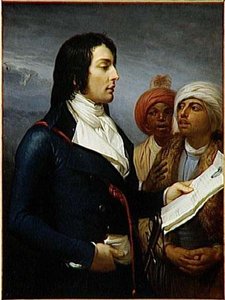
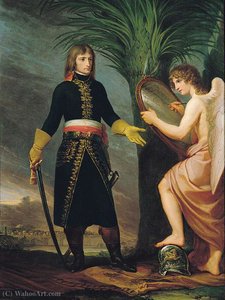
The French occupation of Milan during the 1790s proved to be a transformative period for Appiani. He quickly gained favor with Napoleon Bonaparte, becoming a court painter and receiving commissions that significantly elevated his status. During this time, he produced numerous portraits of the Emperor and other key figures in his regime, including the iconic “Napoleon at Lodi” (a work now lost but documented), alongside elegant depictions like "Venus and Love" and "Rinaldo in the Garden of Armida." His artistic skills were also utilized for official purposes – designing medals and preparing visual materials for governmental announcements. This period witnessed a surge in his productivity, reflecting both his personal ambition and the patronage he received.
Appiani’s most ambitious projects during this era included the elaborate frescoes within the Rotonda of the Royal Villa of Monza (1789-1790), inspired by Raphael's work at the Villa Farnesina in Rome, and the grand cycle depicting the myths of Apollo at the Casa Sannazzaro in Milan (1795-1796). These frescoes established him as a leading figure in Neoclassical decoration, showcasing his mastery of perspective, color, and narrative composition. The “Parnassus,” representing Apollo and the Muses, on the ceiling of the Royal Villa’s dining room, remains a particularly celebrated example of his artistic skill.
Fresco Masterpieces and Royal Commissions
Appiani's legacy is firmly rooted in his monumental frescoes. The cycle depicting the four Evangelists and Doctors of the Church for the cupola and pendentives of Santa Maria presso San Celso (1795) stands as a testament to his technical prowess and narrative ability. Similarly, the fresco “The Parnassus” within the Royal Villa’s dining room is considered one of his masterpieces, capturing the essence of classical mythology with remarkable detail and dynamism. His work in the Royal Palace of Milan – allegories of virtues honoring Napoleon and depictions of historical events – further solidified his reputation as a court painter of exceptional skill.
Beyond these grand commissions, Appiani’s artistic endeavors extended to smaller, yet equally significant works. His portrait of Giulia Beccaria and her son Alessandro Manzoni bambino (1790) is a poignant example of his ability to capture human emotion and familial bonds. The “Encounter of Rachel and Jacob” for a church in Alzano (painted around 1798), now housed in the Brera, demonstrates his command of composition and dramatic storytelling. His work also included designing decorative elements for theaters and private residences, showcasing his versatility as an artist.
A Fallen Artist: Legacy and Remembrance
Despite his success during the Napoleonic era, Appiani’s fortunes declined dramatically after the fall of Napoleon in 1814. His allowance from the Kingdom of Italy was revoked, plunging him into poverty. This period marked a significant setback for the artist, who had dedicated much of his life to serving the imperial court. However, Appiani continued to paint, producing portraits and smaller works, though without the same level of recognition or financial support.
Andrea Appiani’s artistic legacy extends beyond his individual masterpieces. He is often distinguished from his great-nephew, Andrea Appiani (a historical painter in Rome), by the title “the elder.” His work continues to be studied and admired for its elegance, technical skill, and embodiment of Neoclassical ideals. The Brera Gallery in Milan houses a significant collection of his paintings, including the "Olympus" fresco, offering visitors a glimpse into the life and art of this remarkable Italian painter. His influence can still be seen in the works of subsequent generations of artists who followed in his footsteps.
Andrea Appiani
1754 - 1817 , Italy
Quick Facts
- Artistic Movement Or Style: Neoclassical
- Artists Or Movements Influenced By This Artist: ['Andrea Appiani (younger)']
- Artists Who Influenced This Artist:
- Carlo Maria Giudici
- Antonio de' Giorgi
- Martin Knoller
- Date Of Birth: May 31, 1754
- Date Of Death: November 8, 1817
- Full Name: Andrea Appiani
- Nationality: Italian
- Notable Artworks:
- Four Evangelists Fresco
- Parnassus Fresco
- Allegories of Virtues
- Place Of Birth: Milan, Italy
Related Articles
Leonardo da Vinci's Masterpieces: Explore 25 Iconic Artworks for Your Home | ArtsDot
Journey through Leonardo da Vinci's genius with our curated selection of 25 iconic artworks. Explore the stories behind Mona Lisa, The Last Supper & more Renaissance masterpieces. Find museum-quality art reproductions for your home at ArtsDot.com.
Neoclassical Art: 10 Masterpieces That Shaped History |
Explore 10 defining Neoclassical masterpieces by David, Ingres & Canova. Discover the history, symbolism & artistry behind these iconic paintings and sculptures. Find museum-quality art reproductions at – elevate your home with timeless beauty.
The Intimate Gaze: Study & Intellectual Pursuit in Western Art
Explore the fascinating history of study and intellectual pursuit in Western art! Discover Renaissance scholars, iconic portraits like Holbein's Erasmus, and Leonardo’s studies – a journey through humanist ideals & artistic mastery. Learn more at ArtsDot.
Acrylic on Paper: 10 Masterpieces That Redefined Modern Art | ArtsDot
Explore 10 legendary 'Acrylic on Paper' masterpieces by artists like Helen Frankenthaler & Gerhard Richter. Discover abstract expressionism, color field painting & the evolution of modern art. Find museum-quality reproductions for your home at ArtsDot.com.

The Revival of Antiquity: Exploring Neoclassical Art's Ideals & Enduring Legacy
Explore the revival of classical ideals in Neoclassical art! Discover Jacques-Louis David & the movement's impact on painting, sculpture & architecture. Expert insights & high-quality reproductions at ArtsDot.