

 Preview
 Send
Send Share
Share
 Details

 Download
 Similars
 X-Ray
X-Ray Diaporama
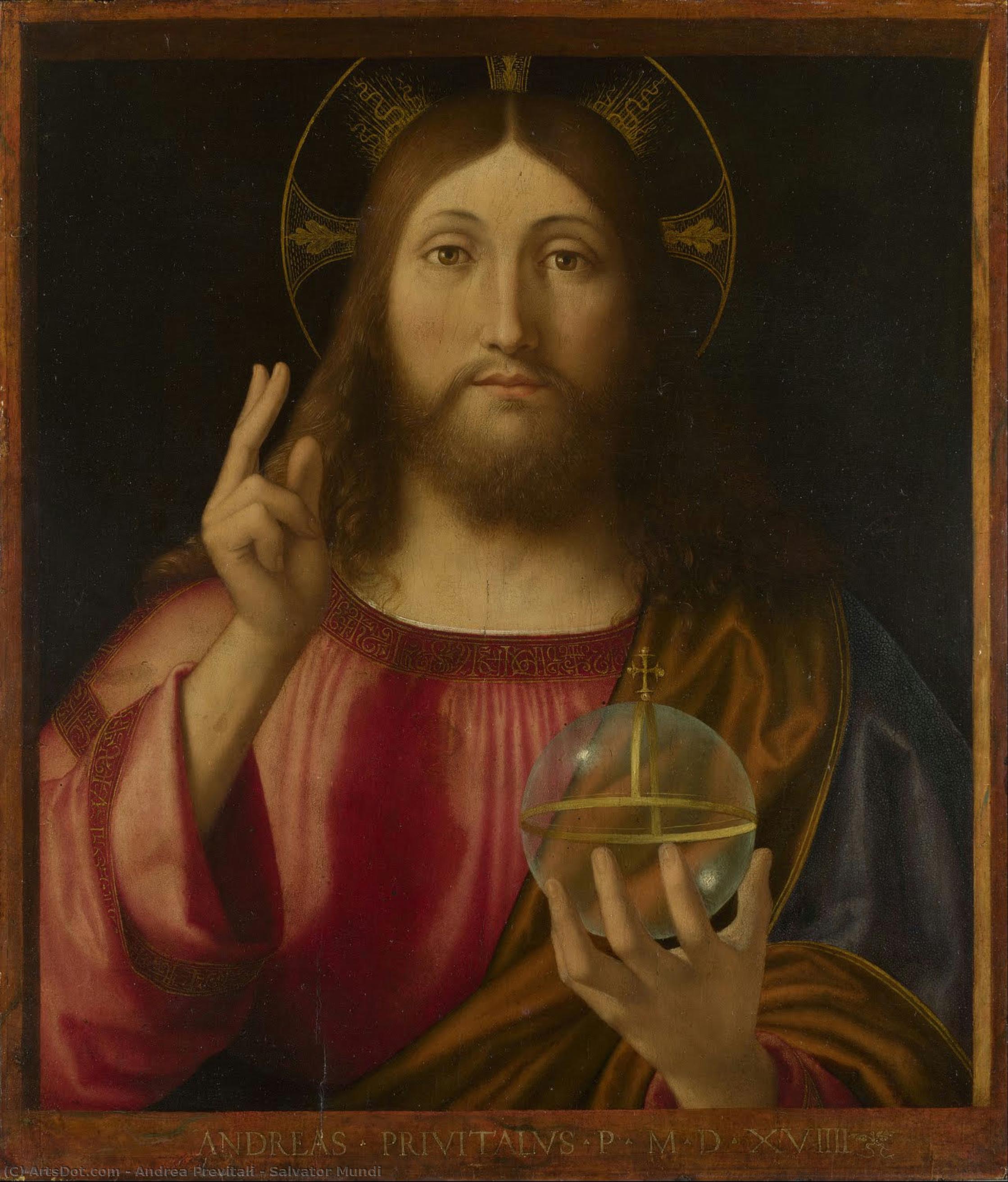
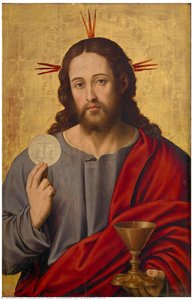
Salvator Mundi
 Oil On Panel
- WallArt
- Renaissance
 1519
1519- Renaissance
 61.0 x 53.0 cm
 National Gallery
 Read More
Purchase a high-resolution, enhanced digital image, far superior to the online preview.
Each file is meticulously prepared by our in-house specialists using advanced tools and expert manual retouching. We ensure every image has exceptional clarity, precise color accuracy, and fine detail.
The final file is delivered via email within 72 hours, optimized for immediate use in professional, editorial, and print environments. This is the same quality trusted by top-tier design studios, publishers, and galleries.
Digital Image
Download a high-resolution file for personal display, printing, and creative projects. ( Buy Print Buy Hand Made Painting)
Included in Every Digital Image Order
Expert Digital Delivery, Guaranteed
When you choose ArtsDot.com, you're not just getting an image - you're receiving a professionally enhanced digital artwork, crafted with precision and backed by a satisfaction guarantee. Here's everything that comes with your order, automatically:

Fast Email Delivery
Your high-resolution digital image file will be emailed to you within 72 hours of ordering - ready for immediate use.

AI-Enhanced Digital File
Your artwork is professionally optimized using advanced AI tools and manual editing, ensuring maximum detail, clarity, and color accuracy.

Free Lifetime Re-Delivery
Accidentally deleted or lost your file? No worries - we'll resend it to you anytime, free of charge.

No Import Fees - Ever
Enjoy your artwork instantly with zero customs, duties, or delivery fees - digital downloads are always tax-free.

Color Accuracy Guarantee
We ensure your digital image reflects the original colors as closely as possible using professional tools and color management.

60-Day Satisfaction Guarantee
If you're not satisfied with your digital image, we'll revise it or refund 100% within 60 days - no questions asked.

100% Money-Back Guarantee
Not satisfied? Get a full refund within 60 days of receiving your digital file - no questions asked.

Bulk Order Discounts
Buy 3 images, save 10% - Buy 5, save 15% - Buy 10+, save 20%. Great for creative projects, galleries, and agencies.
Collectible Description
A Divine Radiance: The Enigma of Salvator Mundi
In the quiet, hallowed halls of The National Gallery in London, there exists a window into the spiritual heart of the High Renaissance. Salvator Mundi, an exquisite oil on panel executed by Andrea Previtali in 1519, is far more than a mere portrait; it is a profound theological meditation captured in pigment and light. The painting presents the figure of Jesus Christ as the Savior of the World, his gaze both penetrating and infinitely compassionate. He holds aloft a crystalline orb, a globe encircled by delicate rays of light that suggest the divine providence overseeing the cosmos. To behold this work is to step into an era where the boundaries between the earthly and the divine were blurred by the masterful brushstrokes of the Venetian school.
The composition is anchored by a sense of monumental stillness, a characteristic that invites the viewer into a state of contemplation. Previtali, having honed his craft under the legendary Giovanni Bellini, brings to this piece a sophisticated understanding of atmospheric depth and tonal harmony. The figure of Christ emerges from a subtle, dark background, a technique that allows the luminosity of his skin and the ethereal glow of the orb to command the viewer's undivided attention. This interplay of light and shadow—the chiaroscuro of the Renaissance—creates a sculptural presence, making the sacred subject feel tangibly present within our own space.
The Venetian Legacy and Technical Mastery
To understand the soul of this painting, one must look to the vibrant streets of Venice and Bergamo where Previtali’s journey began. His apprenticeship under Bellini instilled in him a reverence for color and a meticulous approach to glazing. In Salvator Mundates, this is evident in the way light seems to permeate the layers of oil paint, creating a soft, translucent quality that mimics the warmth of human flesh and the cold, clear brilliance of the glass sphere. The technique is not merely about imitation but about capturing the essence of life itself through the careful manipulation of pigment.
The artist’s ability to balance the heavy, symbolic weight of the globe with the delicate, almost weightless rays of light demonstrates a technical virtuosity that continues to captivate art historians. Every stroke serves the narrative of salvation, reinforcing the idea that the universe is held within a divine, protective grasp. For the collector or the lover of fine art, this piece represents a pinnacle of Renaissance humanism, where the scientific observation of the natural world meets the profound mysteries of faith.
An Eternal Presence for the Discerning Collector
For those seeking to infuse their interiors with a sense of history, serenity, and intellectual depth, a reproduction of Salvator Mundi offers an unparalleled opportunity. This artwork is not merely a decorative element; it is a focal point that commands respect and invites quiet reflection. Its rich textures and deep, emotive tones harmonize beautifully with classical, traditional, or even contemporary minimalist settings, providing a sophisticated anchor to any curated space.
Whether placed in a private study, a grand library, or an elegant living salon, the painting brings with it an aura of timelessness. It serves as a reminder of the enduring power of beauty and the human quest for meaning. Owning a piece that echoes the mastery of Andrea Previtali is to possess a fragment of the Renaissance spirit—a legacy of light, color, and the eternal search for the divine.
Related Artworks





Artist Biography
The Renaissance Spirit of Bergamo: The Life of Andrea Previtali
In the vibrant tapestry of the Italian Renaissance, few threads are as delicately woven as those belonging to Andrea Previtali. Born around 1480 in the historic city of Bergamo, Previtali emerged during an era of profound artistic transformation, a time when the shadows of the Middle Ages were being dissolved by the luminous clarity of humanism. His early years were shaped by the atmospheric brilliance of the Venetian school, as he sought mastery under the legendary Giovanni Bellini. This apprenticeship was more than mere technical training; it was an immersion into a world where light and color served as the primary languages of divinity and emotion. Through Bellini’s influence, Previtali learned to manipulate pigment to capture the soft transitions of skin and the ethereal glow of sacred landscapes, establishing a stylistic foundation that would define his entire career.
As his talent matured, Previtali became a vital figure in the ecclesiastical landscape of Bergamo. His work served as a bridge between the grand traditions of Venice and the local devotion of his home region. One of his most profound achievements can be seen in his 1515 masterpiece, John the Baptist preaching with other saints, created for the Santo Spirito church. In this monumental altarpiece, one can observe the seamless integration of Bellini’s compositional grace with Previtali's own burgeoning ability to render complex, multi-figure narratives. His devotion to his craft extended to the Bergamo Cathedral, where his depictions of Saint Benedict and other saints provided a visual anchor for the piety of the era, blending solemnity with a breathtakingly nuanced use of color.
Mastery of Detail and the Legacy of the Venetian School
Beyond the sacred walls of Bergamo’s churches, Previtali’s artistry reached into the broader Italian landscape, demonstrating a versatility that allowed him to tackle both grand religious narratives and intimate, character-driven studies. His work on The Deposition from the Cross for Sant'Andrea church showcases a profound capacity for emotional resonance, where every brushstroke contributes to the palpable sorrow of the scene. This ability to convey deep human feeling through meticulous detail is a hallmark of his oeuvre, aligning him with the most significant trends of the High Renaissance.
The historical recognition of Previtali’s genius underwent a remarkable revival in the modern era. In 1937, the art world was stirred when Kenneth Clark, the esteemed director of the National Gallery in London, acquired two small panels featuring rustic landscapes. This discovery sparked intense scholarly dialogue regarding his attribution, eventually solidified by the meticulous research of curators like Philip Pouncey. These smaller works reveal a different facet of his talent—a serene, almost poetic observation of nature that complements his more structured religious compositions.
Today, the legacy of Andrea Previtali remains etched in the great altars of Italy. His Annunciation, positioned above the high altar of Santa Maria del Meschio in Vittorio Veneto, stands as a testament to his enduring impact. It is a work that encapsulates his entire artistic journey: a perfect harmony of:
- Luminous Atmosphere: The soft, diffused light characteristic of the Venetian influence.
- Narrative Depth: A profound ability to tell sacred stories through subtle gestures.
- Landscape Integration: The seamless blending of human figures within a tranquil, natural world.
Through his contributions to the Renaissance, Previtali ensured that the artistic soul of Bergamo would be remembered as a vital component of the broader Italian cultural heritage.

Andrea Previtali
1480 - 1528 , Italy
Quick Facts
- Artistic Movement Or Style: Renaissance
- Artists Who Influenced This Artist: ['Giovanni Bellini']
- Date Of Birth: Bergamo, Italy (c. 1480)
- Date Of Death: 1528
- Full Name: Andrea Previtali
- Nationality: Italian
- Notable Artworks:
- John the Baptist preaching with other saints
- San Benedetto and other saints
- Deposition from the Cross
- Annunciation
- Place Of Birth: Bergamo

