 Preview
 Send
Send Share
Share
 Details

 Download
 Similars
 X-Ray
X-Ray Diaporama
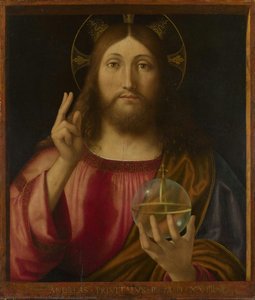
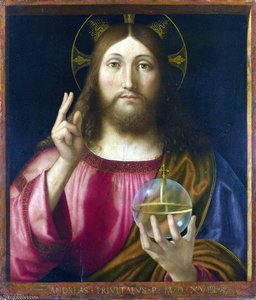
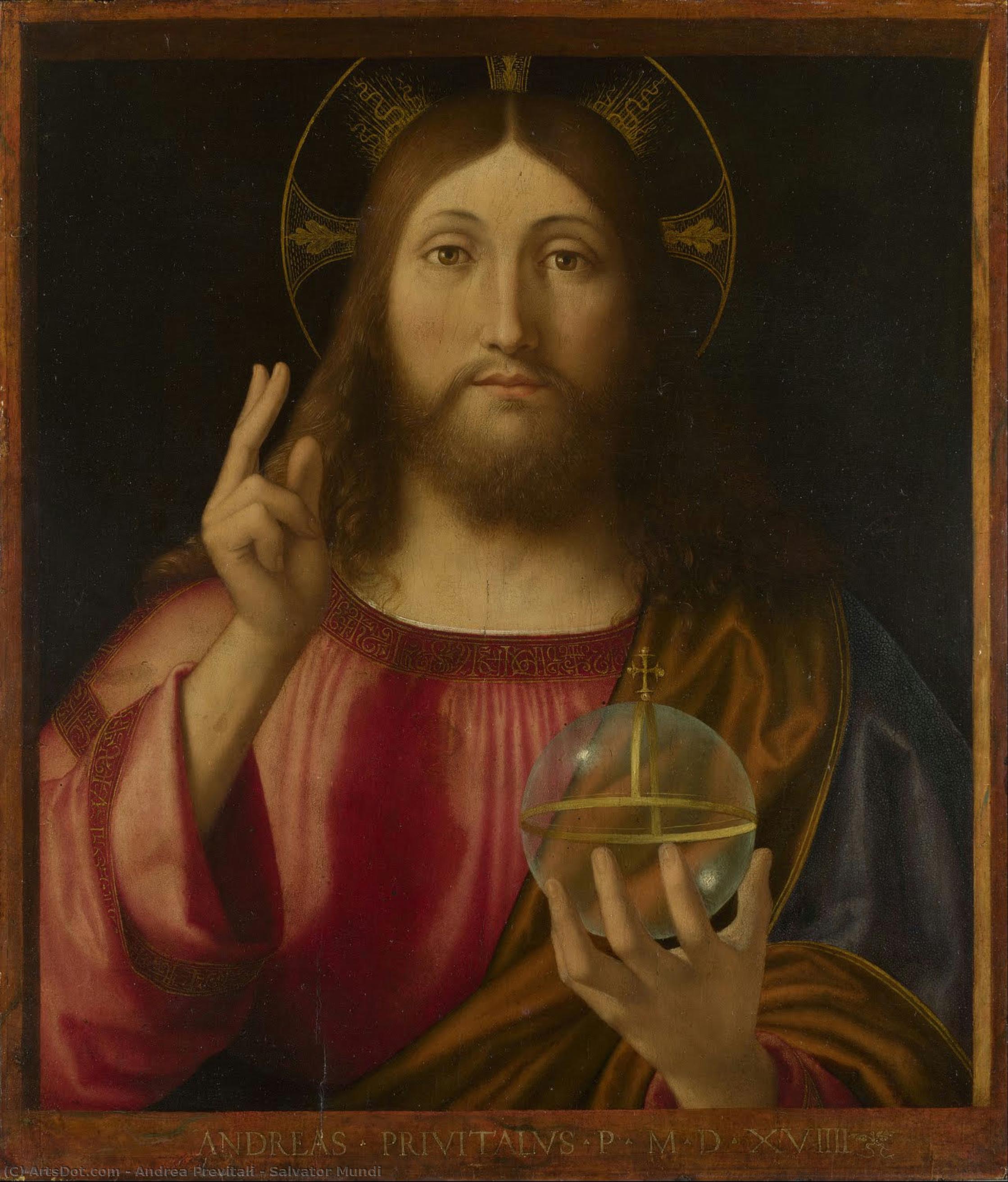
Salvator Mundi
 Oil On Canvas
- WallArt
- Renaissance
 1519
1519 61.0 x 53.0 cm
 National Gallery
 Read More
Hand Made Oil Reproduction
Hand-painted oil on canvas in your size and frame, made to order by our artists. ( Buy Print Buy Image)




P118B $10

P118H $10

P118W $10

P438Z $10

P508JH $12

P508YH $12

P805H $10

P805Z $10

P919BZ $10

P919G $10

P919XJ $10

P959ZH $10

P968JZ $12

W106C $8

W218G $10

W218JH $8

W218Y $10

W307PJ $10

W316G $10

W316PJ $8

W316Y $10

W398PJ $8

W4111J $10

W500HY $15

W500JH $15

W692G $12

W849H $8

W940BG $15

W953PJ $8




Pick from our preset sizes that match the artwork's original proportions.

You may enter your own dimensions to fit a specific frame or space. If your selected size does not match the original image's proportions, we will either crop the artwork or extend the painting with additional hand-painted elements. A digital mockup will be sent for your approval before production begins.
Please note that the on-screen preview does not reflect the actual cropping or extension. Only the mockup will accurately show the final composition.
While custom sizes are available, we recommend selecting a dimension from the predefined list to preserve the original proportions.
After order, ArtsDot.com team will email client for instructions and provide a mockup preview
Worldwide Delivery () in 3/4 weeks instead of standard 5 weeks. (16 August). No compromise on quality.

Free Worldwide Express Shipping

High-Quality Linen Canvas

Full Shipping Insurance

Customs Tax Refund Guarantee

True Color Matching Guarantee

60-Day Return Policy (Defects Only)

100% Money-Back Guarantee

Bulk Discount Offer
 Glass option is only available in size under 110 CM

Salvator Mundi
Reproduction Medium
Reproduction Size
-


Total Price
$ 263
Artwork Description
Salvator Mundi: A Renaissance Echo of Universal Salvation
The painting *Salvator Mundi*, attributed to Andrea Previtali (1480–1528), stands as one of the most enigmatic and celebrated artworks from the High Renaissance. Executed in 1519, it depicts Jesus Christ holding aloft a globe encircled by rays of light—a potent symbol representing divine providence and humanity’s place within the cosmos. Currently housed in The National Gallery, London, its journey through history has been marked by speculation and scholarly debate regarding authorship and provenance, adding to its allure for connoisseurs and art historians alike.A Venetian Influence: Previtali's Artistic Training
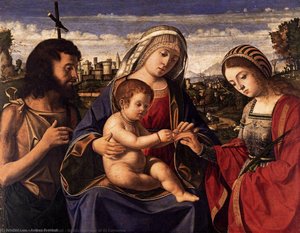
Andrea Previtali’s artistic development was profoundly shaped by his apprenticeship under Giovanni Bellini in Venice—a city renowned for its vibrant artistic milieu during the Renaissance. Bellini’s masterful use of color, glazing techniques, and compositional balance served as a cornerstone of Previtali’s stylistic approach. This Venetian influence is palpable throughout Previtali's oeuvre, particularly evident in *John the Baptist preaching with other saints*, commissioned for Santo Spirito church in Bergamo—a monumental altarpiece demonstrating Bellini’s mastery of color and perspective. The careful layering of pigments and meticulous attention to detail reflect a dedication to capturing the essence of humanist ideals prevalent at the time.The Sphere of Divine Guidance
At the heart of *Salvator Mundi* lies its central motif: the globe illuminated by radiant rays emanating from Christ’s outstretched hand. This imagery transcends mere depiction; it embodies theological concepts rooted in medieval cosmology and reinvigorated by Renaissance humanism. The sphere symbolizes the Earth—the entirety of creation—under God's watchful gaze, signifying salvation for all humankind. The golden cross superimposed upon the globe reinforces Christianity’s role as the guarantor of spiritual redemption, a theme central to humanist thought that sought to reconcile faith with reason. Previtali skillfully renders this celestial symbolism through luminous glazing and subtle tonal variations, creating an ethereal atmosphere that conveys both grandeur and serenity.Bergamo's Patronage: A Commission Reflecting Spiritual Values
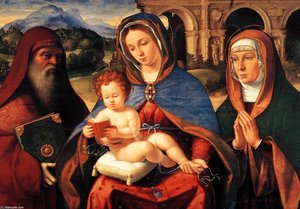
The painting’s commission by Bergamo Cathedral underscores the importance of religious patronage during the Renaissance. Previtali’s work served as a visual testament to Bergamo’s devotion to Saint Benedict—a figure revered for his piety and asceticism. The depiction of Saint Benedict alongside other saints exemplifies the artistic conventions of the period, prioritizing moral virtue and spiritual contemplation. Furthermore, Previtali's technique—characterized by meticulous brushwork and masterful blending—mirrors the prevailing stylistic trends in Venetian painting, where artists aimed to achieve a harmonious balance between realism and idealism.A Legacy of Mystery and Beauty
Despite ongoing scholarly discussions regarding attribution and authenticity (the painting’s controversial sale in 2017 fueled considerable debate), *Salvator Mundi* remains an undeniable masterpiece—a testament to Previtali's artistic skill and the enduring power of Renaissance iconography. Its luminous palette, serene composition, and profound symbolism continue to captivate viewers today, cementing its place as one of the most iconic images of Christ’s universal salvation.Related Artworks


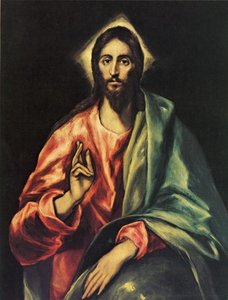

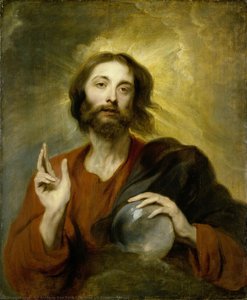

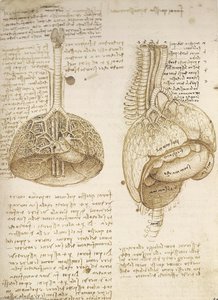
Artist Biography
The Renaissance Spirit of Bergamo: The Life of Andrea Previtali
In the vibrant tapestry of the Italian Renaissance, few threads are as delicately woven as those belonging to Andrea Previtali. Born around 1480 in the historic city of Bergamo, Previtali emerged during an era of profound artistic transformation, a time when the shadows of the Middle Ages were being dissolved by the luminous clarity of humanism. His early years were shaped by the atmospheric brilliance of the Venetian school, as he sought mastery under the legendary Giovanni Bellini. This apprenticeship was more than mere technical training; it was an immersion into a world where light and color served as the primary languages of divinity and emotion. Through Bellini’s influence, Previtali learned to manipulate pigment to capture the soft transitions of skin and the ethereal glow of sacred landscapes, establishing a stylistic foundation that would define his entire career.
As his talent matured, Previtali became a vital figure in the ecclesiastical landscape of Bergamo. His work served as a bridge between the grand traditions of Venice and the local devotion of his home region. One of his most profound achievements can be seen in his 1515 masterpiece, John the Baptist preaching with other saints, created for the Santo Spirito church. In this monumental altarpiece, one can observe the seamless integration of Bellini’s compositional grace with Previtali's own burgeoning ability to render complex, multi-figure narratives. His devotion to his craft extended to the Bergamo Cathedral, where his depictions of Saint Benedict and other saints provided a visual anchor for the piety of the era, blending solemnity with a breathtakingly nuanced use of color.
Mastery of Detail and the Legacy of the Venetian School
Beyond the sacred walls of Bergamo’s churches, Previtali’s artistry reached into the broader Italian landscape, demonstrating a versatility that allowed him to tackle both grand religious narratives and intimate, character-driven studies. His work on The Deposition from the Cross for Sant'Andrea church showcases a profound capacity for emotional resonance, where every brushstroke contributes to the palpable sorrow of the scene. This ability to convey deep human feeling through meticulous detail is a hallmark of his oeuvre, aligning him with the most significant trends of the High Renaissance.
The historical recognition of Previtali’s genius underwent a remarkable revival in the modern era. In 1937, the art world was stirred when Kenneth Clark, the esteemed director of the National Gallery in London, acquired two small panels featuring rustic landscapes. This discovery sparked intense scholarly dialogue regarding his attribution, eventually solidified by the meticulous research of curators like Philip Pouncey. These smaller works reveal a different facet of his talent—a serene, almost poetic observation of nature that complements his more structured religious compositions.
Today, the legacy of Andrea Previtali remains etched in the great altars of Italy. His Annunciation, positioned above the high altar of Santa Maria del Meschio in Vittorio Veneto, stands as a testament to his enduring impact. It is a work that encapsulates his entire artistic journey: a perfect harmony of:
- Luminous Atmosphere: The soft, diffused light characteristic of the Venetian influence.
- Narrative Depth: A profound ability to tell sacred stories through subtle gestures.
- Landscape Integration: The seamless blending of human figures within a tranquil, natural world.
Through his contributions to the Renaissance, Previtali ensured that the artistic soul of Bergamo would be remembered as a vital component of the broader Italian cultural heritage.
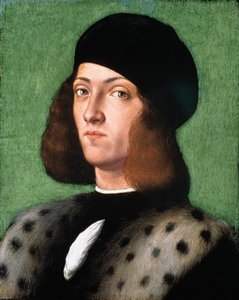
Andrea Previtali
1480 - 1528 , Italy
Quick Facts
- Artistic Movement Or Style: Renaissance
- Artists Who Influenced This Artist: ['Giovanni Bellini']
- Date Of Birth: Bergamo, Italy (c. 1480)
- Date Of Death: 1528
- Full Name: Andrea Previtali
- Nationality: Italian
- Notable Artworks:
- John the Baptist preaching with other saints
- San Benedetto and other saints
- Deposition from the Cross
- Annunciation
- Place Of Birth: Bergamo
Related Articles
Leonardo da Vinci's Masterpieces: Explore 25 Iconic Artworks for Your Home | ArtsDot
Journey through Leonardo da Vinci's genius with our curated selection of 25 iconic artworks. Explore the stories behind Mona Lisa, The Last Supper & more Renaissance masterpieces. Find museum-quality art reproductions for your home at ArtsDot.com.

Leonardo da Vinci: A Renaissance Master’s Synthesis of Art, Science & Human Observation – Reinterpreted for the Collector
Explore Leonardo da Vinci’s timeless masterpieces with ArtsDot. Discover insights into his art, science, and legacy – trusted expertise for discerning collectors seeking authentic reproductions & investment opportunities.
Renaissance Humanism's Greatest Art: 10 Masterpieces for Your Home
Explore 10 Renaissance Humanism masterpieces by Leonardo da Vinci, Michelangelo & Raphael. Discover the stories behind these iconic paintings & sculptures and bring timeless art into your home with museum-quality reproductions from ArtsDot.com. Explore the full collection online!

Louvre Masterpieces: Explore the Top 25 Artworks for Your Home | ArtsDot
Journey through the Louvre's 25 most iconic artworks! Explore masterpieces by Leonardo da Vinci, Michelangelo & Delacroix. Discover art history, techniques & find museum-quality reproductions for your home at ArtsDot.com.
The Enduring Legacy of Oil Paint: Technique, History & Emotional Resonance in Western Art
Explore the rich history & techniques of oil painting! Discover Renaissance masters, scientific principles behind color, and emotional resonance in art. Learn about glazing, layering, and atmospheric perspective – a guide for enthusiasts & collectors.