 Preview
 Send
Send Share
Share
 Details

 Download
 Similars
 X-Ray
X-Ray Diaporama
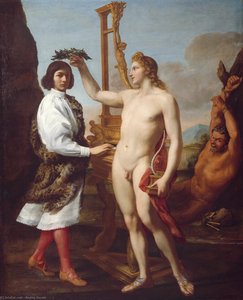
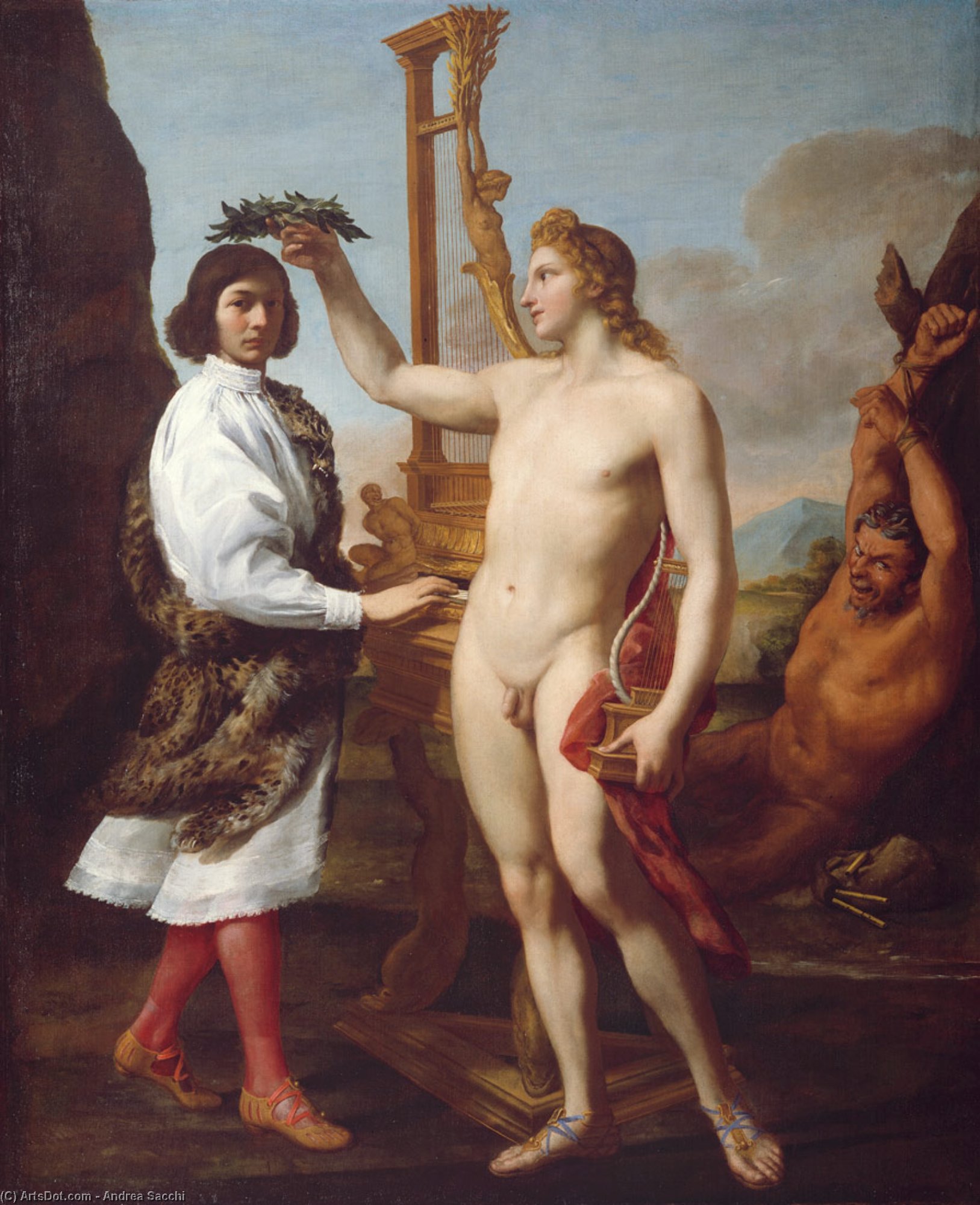
Marcantonio Pasquilini Crowned by Apollo
 Oil On Canvas
- WallArt
- High Baroque Classicism
 1641
1641- Early Modern
 244.0 x 194.0 cm
 Metropolitan Museum of Art
 Read More
Hand Made Oil Reproduction
Hand-painted oil on canvas in your size and frame, made to order by our artists. ( Buy Print Buy Image)




P118B $10

P118H $10

P118W $10

P438Z $10

P508JH $12

P508YH $12

P805H $10

P805Z $10

P919BZ $10

P919G $10

P919XJ $10

P959ZH $10

P968JZ $12

W106C $8

W218G $10

W218JH $8

W218Y $10

W307PJ $10

W316G $10

W316PJ $8

W316Y $10

W398PJ $8

W4111J $10

W500HY $15

W500JH $15

W692G $12

W849H $8

W940BG $15

W953PJ $8




Pick from our preset sizes that match the artwork's original proportions.

You may enter your own dimensions to fit a specific frame or space. If your selected size does not match the original image's proportions, we will either crop the artwork or extend the painting with additional hand-painted elements. A digital mockup will be sent for your approval before production begins.
Please note that the on-screen preview does not reflect the actual cropping or extension. Only the mockup will accurately show the final composition.
While custom sizes are available, we recommend selecting a dimension from the predefined list to preserve the original proportions.
After order, ArtsDot.com team will email client for instructions and provide a mockup preview
Worldwide Delivery () in 3/4 weeks instead of standard 5 weeks. (17 August). No compromise on quality.

Free Worldwide Express Shipping

High-Quality Linen Canvas

Full Shipping Insurance

Customs Tax Refund Guarantee

True Color Matching Guarantee

60-Day Return Policy (Defects Only)

100% Money-Back Guarantee

Bulk Discount Offer
 Glass option is only available in size under 110 CM

Marcantonio Pasquilini Crowned by Apollo
Reproduction Medium
Reproduction Size
-


Total Price
$ 263
Artwork Description
A Vision of Divine Majesty: Andrea Sacchi’s “Marcantonio Pasquilini Crowned By Apollo”
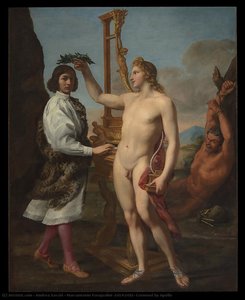
Andrea Sacchi's "Marcantonio Pasquilini Crowned By Apollo," completed in 1641, stands as a cornerstone of Roman Baroque Classicism—a testament to the artistic fervor and intellectual debates that defined the era. More than just a portrait, it’s an emblem of papal patronage and a masterful distillation of humanist ideals blended with religious iconography. Painted on canvas measuring 244 x 194 cm, this monumental artwork resides within the Metropolitan Museum of Art's collection, offering visitors a rare glimpse into the artistic sensibilities of High Baroque Rome.- Subject Matter: The painting depicts Marcantonio Pasquilini, a celebrated castrato singer and composer under Cardinal Antonio Barberini, elevated to divine status by Apollo—the god of music and poetry—who oversees the ceremony. Alongside him stands Daphne, symbolizing chastity and purity, representing the Virgin Mary.
- Style: Sacchi’s approach distinguishes itself from the flamboyant excesses of contemporaries like Pietro da Cortona. He champions a restrained elegance rooted in classical principles, prioritizing clarity of form and harmonious composition over theatrical grandeur. This stylistic choice reflects a broader movement toward intellectual rigor within the artistic community.
- Technique: Executed in oil on canvas, Sacchi employs meticulous brushwork—characterized by smooth gradations of color and subtle modeling—to achieve remarkable realism while maintaining compositional balance. The artist’s attention to detail extends beyond mere depiction; he strives to convey an atmosphere of solemn reverence.
Historical Context: Patronage and Papal Influence
The painting emerged during a period of intense papal patronage, fueled by the ambition of Cardinal Barberini to solidify his position as Rome’s dominant religious figure. Sacchi's work embodies this spirit—a deliberate effort to elevate Pasquilini’s status through visual representation and imbue it with spiritual significance. The depiction of Apollo underscores the importance of music within Christian theology, aligning artistic expression with theological contemplation.Symbolism: Divine Grace and Artistic Ideal
Apollo's crown symbolizes divine authority and enlightenment—the god bestowing grace upon Pasquilini, highlighting the artist’s belief in elevating human achievement through art. Daphne’s presence reinforces the Virgin Mary’s role as protector of chastity and purity—a motif prevalent throughout Baroque iconography. Sacchi skillfully integrates these symbols into a unified visual narrative, communicating profound theological ideas with understated sophistication.Emotional Impact: Reverence and Contemplation
“Marcantonio Pasquilini Crowned By Apollo” transcends mere portraiture; it evokes a palpable sense of solemn reverence. Sacchi’s masterful use of color—particularly the luminous gold leaf adorning Apollo's crown—creates an atmosphere of ethereal beauty, inviting viewers to contemplate the divine realm and appreciate the sublime power of artistic expression. The painting remains a captivating example of Baroque Classicism’s ability to inspire awe and foster spiritual reflection.Related Artworks
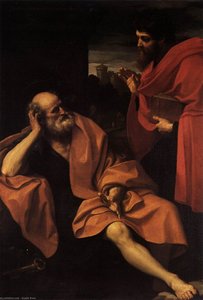
Artist Biography
A Life Rooted in Roman Baroque Classicism
Andrea Sacchi, born in Nettuno near Rome in 1599 and passing in 1661, stands as a compelling figure within the dynamic landscape of High Baroque painting. Though often overshadowed by contemporaries like Pietro da Cortona, Sacchi carved a distinct path, championing a Classical restraint that set him apart amidst the exuberance of his era. His artistic journey was one deeply intertwined with the intellectual and aesthetic debates swirling around Rome in the 17th century, positioning him as a key player in the ongoing dialogue between the “classical” and “baroque” sensibilities. Sacchi’s beginnings were humble; his father, Benedetto, was a painter of modest skill, yet recognized his son's burgeoning talent and sought proper training for him. This led to an initial apprenticeship with Cavalier d'Arpino, followed by a pivotal period under the tutelage of Francesco Albani – Albani’s last major pupil, where Sacchi absorbed techniques and stylistic foundations that would define his mature work. This early grounding proved crucial in shaping his preference for clarity, balance, and a refined sense of form.Navigating Influences and Defining a Style
Sacchi's artistic development wasn’t confined to the Roman workshops; he actively sought inspiration from masters beyond his immediate surroundings. A profound admiration for Raphael permeated his work, particularly evident in his compositions—a deliberate limitation of figures coupled with an emphasis on expressive faces. He believed that fewer, carefully rendered figures allowed for a greater clarity of narrative and emotional impact. Further enriching his artistic vocabulary were journeys to Venice and Parma, where he immersed himself in the art of Correggio. The Venetian colorism and Correggio’s graceful forms subtly infused Sacchi's palette and compositions. However, operating within the broader Baroque context meant navigating a stylistic tension with artists like Pietro da Cortona, whose preference for large-scale, densely populated canvases stood in stark contrast to Sacchi’s more restrained approach. This difference wasn’t merely aesthetic; it ignited a significant artistic debate that would come to define Sacchi's legacy.The "Classical" vs. "Baroque" Controversy
Sacchi became a central figure in the heated discussions at the Accademia di San Luca concerning the merits of different painting styles. He vehemently criticized Cortona’s exuberant compositions, arguing that they lacked focus and clarity, resembling “wallpaper art” rather than meaningful narrative. Sacchi advocated for simplicity, believing paintings should feature only a select number of figures, each possessing unique expression and movement to avoid visual clutter. This perspective resonated with sculptors like Alessandro Algardi and painters such as Nicolas Poussin, who became staunch supporters of his viewpoint. The debate wasn’t simply about aesthetics; it reflected broader philosophical differences regarding the purpose of art – whether to overwhelm the senses or to engage the intellect through carefully considered composition and emotional depth. Sacchi's position championed a return to Classical ideals of order and harmony within the Baroque framework, seeking a balance between dynamism and restraint.Patronage, Masterpieces, and Lasting Influence
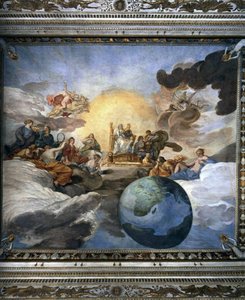
A significant portion of Sacchi’s early career flourished under the patronage of Cardinal Antonio Barberini, who commissioned works for both the Capuchin church in Rome and the Palazzo Barberini. This support allowed him to develop his style and undertake ambitious projects. Two major altarpieces reside within the Pinacoteca Vaticana, showcasing his mastery of composition and narrative skill. However, it is the fresco adorning the Palazzo Barberini – *Divine Wisdom* (1629–33) – that is widely considered his masterpiece. Inspired by Raphael’s *Parnassus* in the Vatican Palace, this work transcends mere decoration; it incorporates intricate astrological symbolism related to Urban VIII's reign, reflecting a complex interplay of religious, political, and cosmological themes. Although Sacchi left behind a relatively small body of work compared to some of his contemporaries, he maintained a flourishing school. His most prominent pupil, Carlo Maratta, carried on the “grand manner” style, profoundly influencing Roman artistic circles for decades. Other artists who absorbed elements of Sacchi’s aesthetic include Francesco Fiorelli, Luigi Garzi, Francesco Lauri, Andrea Camassei, and Giacinto Gimignani. His emphasis on clarity, balance, and restrained emotion left an indelible mark on Italian art, ensuring his place as a significant figure in the evolution of Baroque Classicism. Sacchi’s legacy lies not only in his paintings but also in his unwavering commitment to artistic principles that prioritized intellectual engagement and emotional resonance.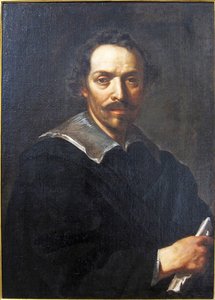
Andrea Sacchi
1599 - 1661 , Italy
Quick Facts
- Artistic Movement Or Style: High Baroque Classicism
- Artists Or Movements Influenced By This Artist:
- Carlo Maratta
- Francesco Fiorelli
- Artists Who Influenced This Artist:
- Raphael
- Correggio
- Date Of Birth: 1599
- Date Of Death: 1661
- Full Name: Andrea Sacchi
- Nationality: Italian
- Notable Artworks:
- Divine Wisdom
- A bearded man warming hands
- Three Aged of Man
- Crowned by Apollo
- Place Of Birth: Nettuno, Italy
Related Articles
Baroque Classicism: Reconciling Drama & Order in 17th-Century Art
Explore the captivating world of Baroque Classicism! Discover its history, key artists like Caravaggio & Rubens, and defining characteristics. Expert insights & high-quality reproductions at ArtsDot.

Giclée Prints: Archival Quality & Aesthetic Nuances for the Discerning Collector
Explore the world of giclée prints with ArtsDot. Learn about archival quality, aesthetic nuances & investment potential. Expert guidance for discerning art collectors seeking museum-quality reproductions and lasting value.

The Enduring Legacy of Fine Art Prints: Technique, History & Aesthetic Impact
Explore the rich history & techniques of fine art prints. Discover investment potential, assess authenticity, and learn how to preserve your collection with expert guidance. Trusted insights for discerning collectors.

Baroque Drama: Bringing Opulence & Emotion into Contemporary Interiors
Explore the opulent world of Baroque interior design! Discover key elements, modern applications & how to bring dramatic elegance into your home with 's authentic reproductions.
Neo-Classicism's Greatest Hits: 10 Masterpieces for Your Home |
Journey through Neo-Classicism's finest! Explore 10 iconic masterpieces by David, Ingres & Canova. Discover art history, techniques & timeless beauty – perfect for inspiring your home decor. Find museum-quality reproductions at