

 Preview
 Send
Send Share
Share
 Details

 Download
 Similars
 X-Ray
X-Ray Diaporama
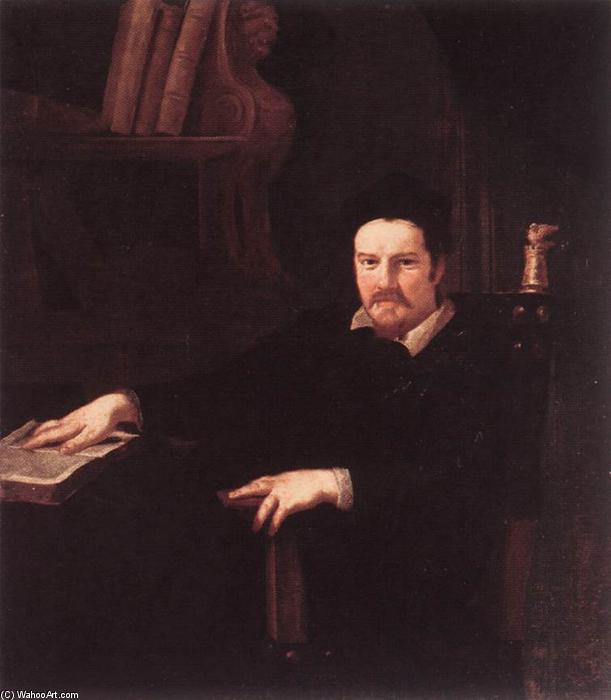
Portrait of Monsignor Clemente Merlini


 Read More
Purchase a high-resolution, enhanced digital image, far superior to the online preview.
Each file is meticulously prepared by our in-house specialists using advanced tools and expert manual retouching. We ensure every image has exceptional clarity, precise color accuracy, and fine detail.
The final file is delivered via email within 72 hours, optimized for immediate use in professional, editorial, and print environments. This is the same quality trusted by top-tier design studios, publishers, and galleries.
Digital Image
Download a high-resolution file for personal display, printing, and creative projects. ( Buy Print Buy Hand Made Painting)
Included in Every Digital Image Order
Expert Digital Delivery, Guaranteed
When you choose ArtsDot.com, you're not just getting an image - you're receiving a professionally enhanced digital artwork, crafted with precision and backed by a satisfaction guarantee. Here's everything that comes with your order, automatically:

Fast Email Delivery
Your high-resolution digital image file will be emailed to you within 72 hours of ordering - ready for immediate use.

AI-Enhanced Digital File
Your artwork is professionally optimized using advanced AI tools and manual editing, ensuring maximum detail, clarity, and color accuracy.

Free Lifetime Re-Delivery
Accidentally deleted or lost your file? No worries - we'll resend it to you anytime, free of charge.

No Import Fees - Ever
Enjoy your artwork instantly with zero customs, duties, or delivery fees - digital downloads are always tax-free.

Color Accuracy Guarantee
We ensure your digital image reflects the original colors as closely as possible using professional tools and color management.

60-Day Satisfaction Guarantee
If you're not satisfied with your digital image, we'll revise it or refund 100% within 60 days - no questions asked.

100% Money-Back Guarantee
Not satisfied? Get a full refund within 60 days of receiving your digital file - no questions asked.

Bulk Order Discounts
Buy 3 images, save 10% - Buy 5, save 15% - Buy 10+, save 20%. Great for creative projects, galleries, and agencies.
Collectible Description
A Testament to Roman Baroque Classicism: Andrea Sacchi’s Portrait of Monsignor Clemente Merlini
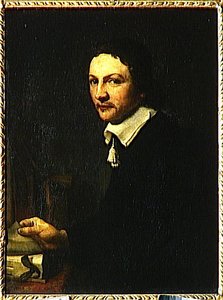
Andrea Sacchi's “Portrait of Monsignor Clemente Merlini,” painted around 1630, stands as a remarkable exemplar of High Baroque artistry—a synthesis of grandeur and restraint that distinguishes it from its more flamboyant contemporaries. Produced during Rome’s intellectual fervor, the painting reflects the ongoing debate between classical ideals and baroque exuberance, cementing Sacchi's position as a pivotal voice in shaping artistic sensibilities of the period. This portrait isn’t merely a depiction of an ecclesiastical dignitary; it’s a carefully constructed visual narrative imbued with symbolic resonance and executed with meticulous technical skill.Subject Matter and Composition: Dignity Embodied
The central figure—Monsignor Clemente Merlini—is presented in a seated posture at a desk, radiating composure and intellectual seriousness. His gaze directs firmly toward the viewer, establishing an immediate connection that transcends time. Accompanying him is a bust of a classical philosopher or statesman – likely Seneca – serving as a deliberate allusion to humanist thought and virtue, mirroring Merlini’s own role as a scholar and spiritual leader. The arrangement of these elements—the man and the bust—creates a harmonious balance within the frame, emphasizing dignity and erudition—values paramount in Baroque portraiture.Stylistic Characteristics: Balancing Ornamentation with Restraint
Sacchi's approach distinguishes him from many other artists of his time who embraced opulent decoration. While acknowledging the prevailing stylistic trends, he skillfully tempered them with classical principles of proportion and clarity. The subdued palette – dominated by dark browns and creams – contributes to a sense of solemnity, highlighting Merlini’s face and attire with subtle illumination. This careful manipulation of light and shadow—a hallmark of Baroque technique—creates dramatic depth and emphasizes the contours of the subject's features, conveying an impression of palpable presence.Technique: Precision and Detail
Sacchi’s mastery is evident in the meticulous execution of his craft. The artist employed oil paint on canvas with painstaking attention to detail, capturing textures with remarkable accuracy. Observe the subtle sheen on Merlini’s robe—a testament to Sacchi's understanding of how light interacts with surface materials—and the delicate modeling of his facial muscles. Furthermore, the bookshelf laden with books serves as a visual anchor, reinforcing the intellectual milieu of the portrait and demonstrating Sacchi’s commitment to representing reality with fidelity.Historical Context: Rome at the Crossroads
Painted during a period marked by significant religious and political upheaval—the Counter-Reformation—Sacchi's work embodies the Baroque ideal of conveying moral virtue through visual representation. The portrait reflects the humanist values championed by thinkers like Seneca, aligning itself with the broader intellectual currents shaping Renaissance and Baroque Europe. It speaks to an era grappling with questions of faith and reason, where artists sought to inspire contemplation and reaffirm spiritual conviction—a mission powerfully realized in this enduring masterpiece.Emotional Impact: A Portrait Beyond Appearance
Ultimately, “Portrait of Monsignor Clemente Merlini” transcends mere likeness; it aspires to capture the essence of its subject’s character. Sacchi succeeds in conveying Merlini's dignity, intellect, and spiritual conviction—qualities that resonate across centuries. This artwork invites viewers to contemplate not just what is seen but also what is felt—a testament to Sacchi’s ability to transform pigment and canvas into a conduit for profound emotional experience.Related Artworks

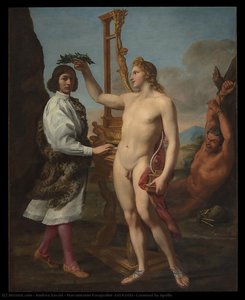
Artist Biography
A Life Rooted in Roman Baroque Classicism
Andrea Sacchi, born in Nettuno near Rome in 1599 and passing in 1661, stands as a compelling figure within the dynamic landscape of High Baroque painting. Though often overshadowed by contemporaries like Pietro da Cortona, Sacchi carved a distinct path, championing a Classical restraint that set him apart amidst the exuberance of his era. His artistic journey was one deeply intertwined with the intellectual and aesthetic debates swirling around Rome in the 17th century, positioning him as a key player in the ongoing dialogue between the “classical” and “baroque” sensibilities. Sacchi’s beginnings were humble; his father, Benedetto, was a painter of modest skill, yet recognized his son's burgeoning talent and sought proper training for him. This led to an initial apprenticeship with Cavalier d'Arpino, followed by a pivotal period under the tutelage of Francesco Albani – Albani’s last major pupil, where Sacchi absorbed techniques and stylistic foundations that would define his mature work. This early grounding proved crucial in shaping his preference for clarity, balance, and a refined sense of form.Navigating Influences and Defining a Style
Sacchi's artistic development wasn’t confined to the Roman workshops; he actively sought inspiration from masters beyond his immediate surroundings. A profound admiration for Raphael permeated his work, particularly evident in his compositions—a deliberate limitation of figures coupled with an emphasis on expressive faces. He believed that fewer, carefully rendered figures allowed for a greater clarity of narrative and emotional impact. Further enriching his artistic vocabulary were journeys to Venice and Parma, where he immersed himself in the art of Correggio. The Venetian colorism and Correggio’s graceful forms subtly infused Sacchi's palette and compositions. However, operating within the broader Baroque context meant navigating a stylistic tension with artists like Pietro da Cortona, whose preference for large-scale, densely populated canvases stood in stark contrast to Sacchi’s more restrained approach. This difference wasn’t merely aesthetic; it ignited a significant artistic debate that would come to define Sacchi's legacy.The "Classical" vs. "Baroque" Controversy
Sacchi became a central figure in the heated discussions at the Accademia di San Luca concerning the merits of different painting styles. He vehemently criticized Cortona’s exuberant compositions, arguing that they lacked focus and clarity, resembling “wallpaper art” rather than meaningful narrative. Sacchi advocated for simplicity, believing paintings should feature only a select number of figures, each possessing unique expression and movement to avoid visual clutter. This perspective resonated with sculptors like Alessandro Algardi and painters such as Nicolas Poussin, who became staunch supporters of his viewpoint. The debate wasn’t simply about aesthetics; it reflected broader philosophical differences regarding the purpose of art – whether to overwhelm the senses or to engage the intellect through carefully considered composition and emotional depth. Sacchi's position championed a return to Classical ideals of order and harmony within the Baroque framework, seeking a balance between dynamism and restraint.Patronage, Masterpieces, and Lasting Influence
A significant portion of Sacchi’s early career flourished under the patronage of Cardinal Antonio Barberini, who commissioned works for both the Capuchin church in Rome and the Palazzo Barberini. This support allowed him to develop his style and undertake ambitious projects. Two major altarpieces reside within the Pinacoteca Vaticana, showcasing his mastery of composition and narrative skill. However, it is the fresco adorning the Palazzo Barberini – *Divine Wisdom* (1629–33) – that is widely considered his masterpiece. Inspired by Raphael’s *Parnassus* in the Vatican Palace, this work transcends mere decoration; it incorporates intricate astrological symbolism related to Urban VIII's reign, reflecting a complex interplay of religious, political, and cosmological themes. Although Sacchi left behind a relatively small body of work compared to some of his contemporaries, he maintained a flourishing school. His most prominent pupil, Carlo Maratta, carried on the “grand manner” style, profoundly influencing Roman artistic circles for decades. Other artists who absorbed elements of Sacchi’s aesthetic include Francesco Fiorelli, Luigi Garzi, Francesco Lauri, Andrea Camassei, and Giacinto Gimignani. His emphasis on clarity, balance, and restrained emotion left an indelible mark on Italian art, ensuring his place as a significant figure in the evolution of Baroque Classicism. Sacchi’s legacy lies not only in his paintings but also in his unwavering commitment to artistic principles that prioritized intellectual engagement and emotional resonance.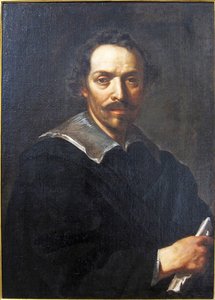
Andrea Sacchi
1599 - 1661 , Italy
Quick Facts
- Artistic Movement Or Style: High Baroque Classicism
- Artists Or Movements Influenced By This Artist:
- Carlo Maratta
- Francesco Fiorelli
- Artists Who Influenced This Artist:
- Raphael
- Correggio
- Date Of Birth: 1599
- Date Of Death: 1661
- Full Name: Andrea Sacchi
- Nationality: Italian
- Notable Artworks:
- Divine Wisdom
- A bearded man warming hands
- Three Aged of Man
- Crowned by Apollo
- Place Of Birth: Nettuno, Italy

