 Preview
 Send
Send Share
Share
 Details

 Download
 Similars
 X-Ray
X-Ray Diaporama
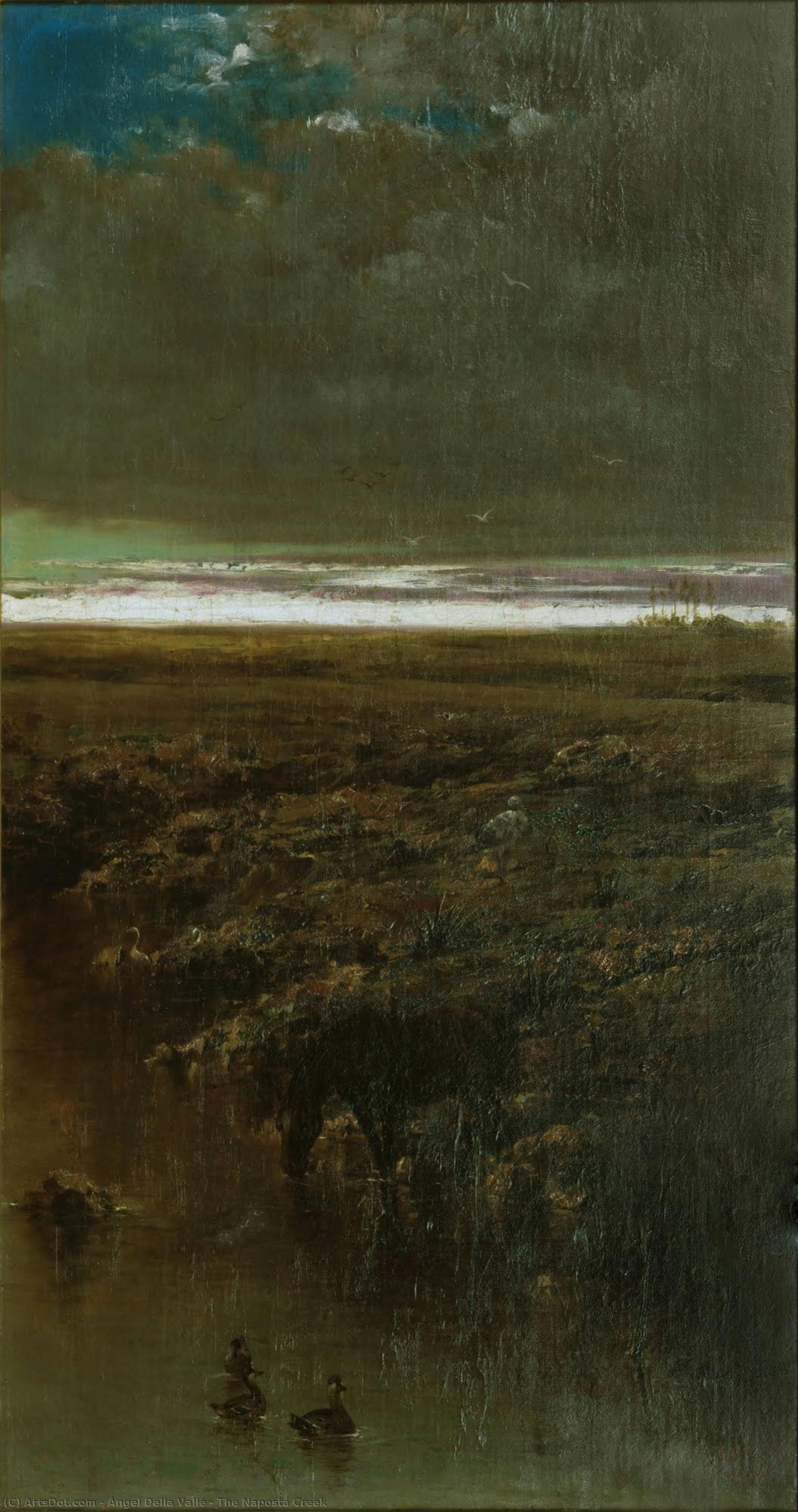
The Napostá Creek


 Read More
Hand Made Oil Reproduction
Hand-painted oil on canvas in your size and frame, made to order by our artists. ( Buy Print Buy Image)




































Pick from our preset sizes that match the artwork's original proportions.

You may enter your own dimensions to fit a specific frame or space. If your selected size does not match the original image's proportions, we will either crop the artwork or extend the painting with additional hand-painted elements. A digital mockup will be sent for your approval before production begins.
Please note that the on-screen preview does not reflect the actual cropping or extension. Only the mockup will accurately show the final composition.
While custom sizes are available, we recommend selecting a dimension from the predefined list to preserve the original proportions.
After order, ArtsDot.com team will email client for instructions and provide a mockup preview
Worldwide Delivery () in 3/4 weeks instead of standard 5 weeks. (20 August). No compromise on quality.

Free Worldwide Express Shipping

High-Quality Linen Canvas

Full Shipping Insurance

Customs Tax Refund Guarantee

True Color Matching Guarantee

60-Day Return Policy (Defects Only)

100% Money-Back Guarantee

Bulk Discount Offer
 Glass option is only available in size under 110 CM

The Napostá Creek
Reproduction Medium
Reproduction Size
-


Total Price
$ 288
Artwork Description
Related Artworks



Artist Biography
Constantino Brumidi: The Architect of American Grandeur
Born in Rome in 1852, Constantino Brumidi’s arrival in the United States marked the beginning of a remarkable career that would forever shape the visual landscape of the nation's Capitol building. Initially an unknown artist, he quickly established himself as a master craftsman and visionary designer, imbuing the heart of American democracy with a distinctly European aesthetic. His journey began in 1852, a pivotal year for art – a year marked by significant exhibitions like the Royal Academy’s show in London and the inauguration of the Hermitage Museum in St. Petersburg – and it set the stage for a legacy that continues to inspire awe today.
Brumidi's early life in Rome instilled within him a deep appreciation for classical art and architecture, elements he would later translate into his work at the Capitol. He honed his skills as a decorative painter, working on projects throughout Italy before immigrating to America with his family in 1876. His initial years were spent assisting other artists, gaining invaluable experience and absorbing the techniques of American artistic styles. However, it was his appointment as the Artist of the Capitol in 1880 that truly cemented his place in history. This role afforded him unprecedented creative freedom, allowing him to transform vast, largely unadorned spaces into breathtaking murals depicting pivotal moments in American history.
The Architect of the Capitol: A Master of Mural Decoration
Brumidi’s work at the Capitol is characterized by a masterful blend of historical accuracy, dramatic storytelling, and opulent detail. He wasn't simply painting scenes; he was constructing narratives – grand allegorical representations of American ideals, exploration, and expansion. His most famous murals, including “The Spirit of Compromise,” “The Apotheosis of Washington,” and “The Pan-American War,” are testaments to his skill and ambition. These colossal works, executed primarily between 1880 and 1907, dominate the Rotunda’s interior, creating an immersive experience for visitors.
His artistic approach was deeply rooted in Italian Renaissance traditions, evident in the rich colors, dynamic compositions, and meticulous attention to detail. He drew inspiration from classical mythology and religious iconography, skillfully weaving these elements into scenes of American history. Notably, Brumidi’s work wasn't confined to grand allegories; he also undertook numerous smaller decorative projects throughout the Capitol building, including intricate plasterwork, gilded details, and painted ceilings – all contributing to the building’s overall grandeur.
Influences and Artistic Style
Brumidi’s artistic style was a synthesis of several influences. The realism prevalent in 1850s art movements, as seen in works like those by Christian Krohg and Edwin Austin Abbey, informed his commitment to depicting historical events with accuracy and detail. The influence of the Italian Renaissance is undeniable, particularly in his use of color, perspective, and dramatic lighting. Furthermore, he was deeply influenced by the Beaux-Arts style that dominated American architecture at the time, a style characterized by symmetry, ornamentation, and a focus on grandeur.
His work also reflects a fascination with mythology and symbolism. He frequently employed allegorical figures – representing virtues like Justice, Wisdom, and Courage – to convey complex ideas about American values and ideals. The meticulous research he undertook for each mural ensured that the historical context was both accurate and compelling, solidifying his reputation as a serious and dedicated artist.
Legacy and Historical Significance
Constantino Brumidi’s contribution to the United States Capitol is immeasurable. He transformed a largely unremarkable building into a symbol of American democracy and artistic achievement. His murals continue to captivate visitors with their scale, beauty, and historical significance. His work stands as a powerful reminder of the importance of art in shaping national identity and preserving history.
Beyond his contributions to the Capitol, Brumidi’s legacy extends to the broader American art scene. He demonstrated that European artistic traditions could thrive in America, enriching the nation's cultural landscape. His dedication to craftsmanship and his ability to seamlessly blend historical accuracy with dramatic storytelling have made him one of the most celebrated artists in American history. Even today, his murals continue to inspire awe and remind us of the enduring power of art to illuminate our past and shape our future.
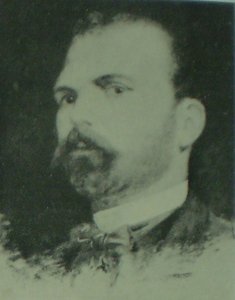
ángel della valle
1852 - 1903 , Argentina
Quick Facts
- Artistic Movement Or Style: Naturalist painter
- Artists Or Movements Influenced By This Artist:
- Anna Ancher
- Michael Ancher
- Artists Who Influenced This Artist:
- Hans Gude
- Frits Thaulow
- Date Of Birth: 1852-08-13
- Date Of Death: 1925-10-16
- Full Name: Christian Krohg
- Nationality: Norwegian
- Notable Artworks:
- Harem
- The Natural Bridge
- Hafiz at the Fountain
- Place Of Birth: Vestre Aker, Norway
Related Articles

Romantic Landscapes: 10 Masterpieces for Your Home | ArtsDot
Journey through 10 Romantic landscape masterpieces by Friedrich, Turner & Cole. Explore emotional art, sublime nature scenes & iconic 19th-century paintings. Find museum-quality reproductions for your home at ArtsDot.com – discover the full collection online!

Beyond the Horizon: 10 Landscape Masterpieces for Your Home Decor
Journey through 10 breathtaking landscape paintings by Monet, Van Gogh & more! Explore iconic artworks, artistic techniques & find inspiration for your home decor. Museum-quality reproductions at ArtsDot.com. Discover all masterpieces on ArtsDot.com

Evocations of Place: A Historical Journey Through Landscape Art
Explore the rich history of landscape art with ArtsDot. Discover renowned artists, movements like Impressionism & Romanticism, and expert guidance for collecting timeless pieces. Find your perfect serene escape today!
The Sublime and the Picturesque: Exploring Emotion & Nature in Romantic Landscape Painting
Explore the emotional power of Romantic landscape painting! Discover the sublime & picturesque traditions, key artists like Friedrich & Cole, and find your perfect artwork at ArtsDot.

John Constable's Masterpieces: Explore 25 Iconic Landscapes for Your Home
Journey through John Constable's 25 most celebrated landscapes. Explore Romanticism, Dedham Vale & his masterful use of light in iconic paintings like 'Hay Wain'. Find museum-quality art reproductions and elevate your home decor on ArtsDot.com.