 Preview
 Send
Send Share
Share
 Details

 Download
 Similars
 X-Ray
X-Ray Diaporama
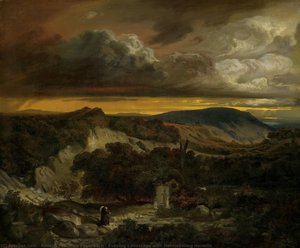
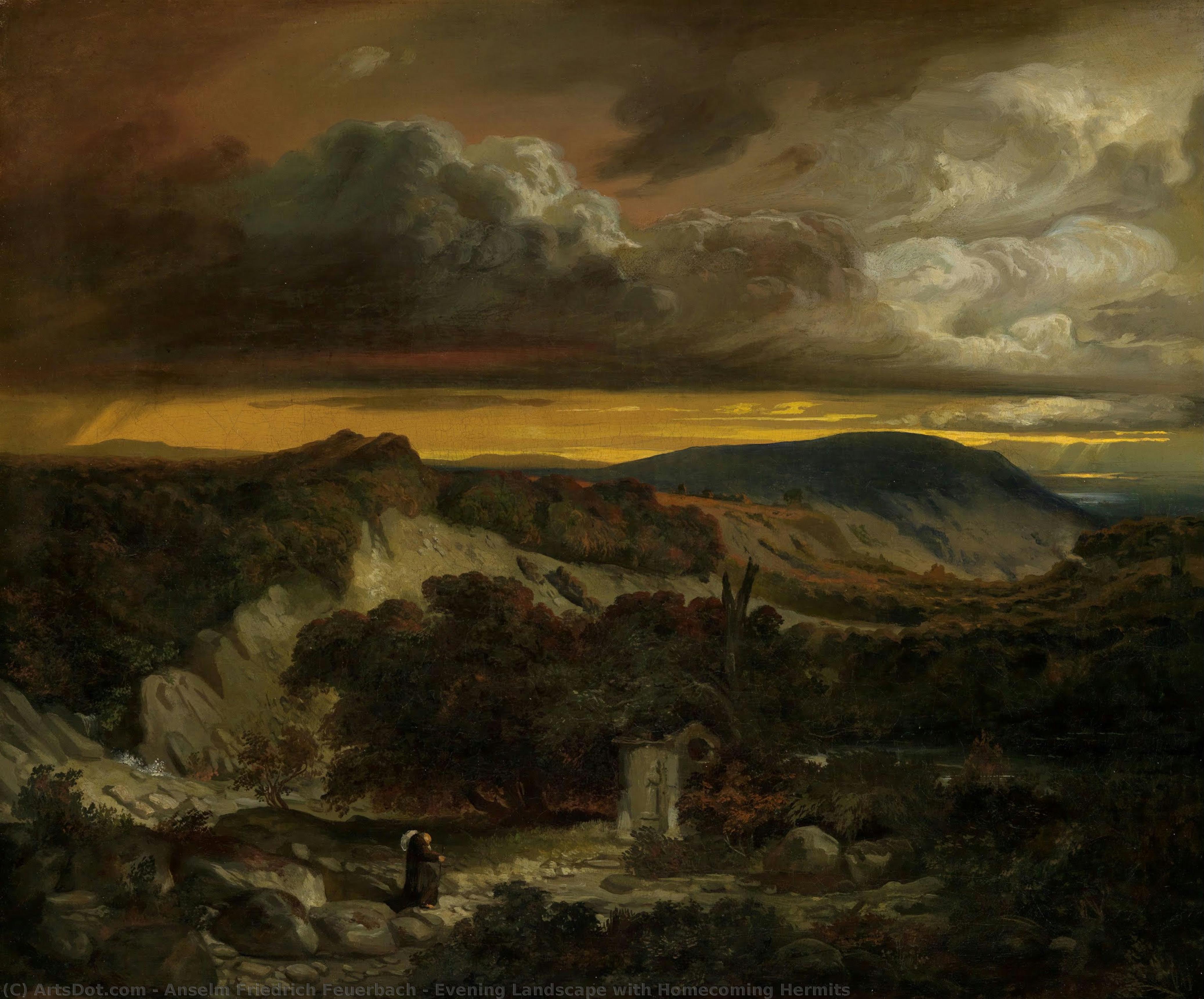
Evening Landscape with Homecoming Hermits


 Read More
Hand Made Oil Reproduction
Hand-painted oil on canvas in your size and frame, made to order by our artists. ( Buy Print Buy Image)




P118B $10

P118H $10

P118W $10

P438Z $10

P508JH $12

P508YH $12

P805H $10

P805Z $10

P919BZ $10

P919G $10

P919XJ $10

P959ZH $10

P968JZ $12

W106C $8

W218G $10

W218JH $8

W218Y $10

W307PJ $10

W316G $10

W316PJ $8

W316Y $10

W398PJ $8

W4111J $10

W500HY $15

W500JH $15

W692G $12

W849H $8

W940BG $15

W953PJ $8




Pick from our preset sizes that match the artwork's original proportions.

You may enter your own dimensions to fit a specific frame or space. If your selected size does not match the original image's proportions, we will either crop the artwork or extend the painting with additional hand-painted elements. A digital mockup will be sent for your approval before production begins.
Please note that the on-screen preview does not reflect the actual cropping or extension. Only the mockup will accurately show the final composition.
While custom sizes are available, we recommend selecting a dimension from the predefined list to preserve the original proportions.
After order, ArtsDot.com team will email client for instructions and provide a mockup preview
Worldwide Delivery () in 3/4 weeks instead of standard 5 weeks. (16 August). No compromise on quality.

Free Worldwide Express Shipping

High-Quality Linen Canvas

Full Shipping Insurance

Customs Tax Refund Guarantee

True Color Matching Guarantee

60-Day Return Policy (Defects Only)

100% Money-Back Guarantee

Bulk Discount Offer
 Glass option is only available in size under 110 CM

Evening Landscape with Homecoming Hermits
Reproduction Medium
Reproduction Size
-


Total Price
$ 263
Artwork Description
An Evening's Reflection: Exploring Feuerbach’s "Evening Landscape with Homecoming Hermits"
Anselm Friedrich Feuerbach’s “Evening Landscape with Homecoming Hermits,” painted in 1850, offers a poignant glimpse into the Romantic sensibility of mid-19th century Germany. Measuring a modest 5 x 65 cm, this landscape transcends its diminutive size to evoke a profound sense of solitude and contemplation within a breathtaking natural setting. The painting’s subject matter – a rugged mountain range bathed in the warm hues of twilight – immediately draws the viewer into a scene of quiet drama and serene beauty. Feuerbach masterfully captures the fleeting effects of light, employing loose brushstrokes and subtle color gradations to convey the ethereal quality of the evening sky.
- Subject Matter: The composition centers around two figures – likely hermits or travelers – positioned near the base of a towering mountain. Their presence suggests themes of pilgrimage, introspection, and the human connection with nature.
- Technique: Feuerbach’s technique is characterized by a loose, expressive brushwork typical of the Düsseldorf School, where he received his training. He utilizes impasto – thick application of paint – to build up texture in the mountains and clouds, creating a palpable sense of volume and depth.
- Color Palette: The dominant colors are warm earth tones – ochres, browns, and reds – contrasted with cooler blues and purples in the sky. This juxtaposition creates a dramatic effect, emphasizing the transition from day to night.
A Window into Romanticism
Painted during a period of significant artistic and intellectual ferment, “Evening Landscape with Homecoming Hermits” reflects the core tenets of Romanticism. The movement prioritized emotion, intuition, and the sublime power of nature over the rationalism of the Enlightenment. Feuerbach’s work embodies this shift by portraying not just a landscape, but an emotional experience – one of awe, tranquility, and perhaps even melancholy. The solitary figures reinforce the Romantic fascination with individual experience and the search for meaning in the face of vast, indifferent landscapes.
Feuerbach's artistic lineage further illuminates the painting’s context. Born into a family steeped in scholarship – his father an archaeologist and grandfather a legal scholar – Feuerbach’s artistic development was shaped by a rigorous intellectual environment. This influence is evident in the painting’s careful observation of detail and its adherence to classical compositional principles, albeit filtered through a distinctly Romantic lens.
Symbolism and Interpretation
The inclusion of a dog within the lower left corner adds an unexpected layer of symbolism. Often associated with loyalty, companionship, and protection, the canine figure subtly enhances the scene’s narrative. It suggests that even in solitude, human beings are not entirely alone, and that connection – both with nature and with other living creatures – is essential for well-being. The hermit's journey home can be interpreted as a metaphor for spiritual or personal seeking, highlighting the importance of returning to one's roots.
Emotional Impact and Reproduction
"Evening Landscape with Homecoming Hermits" possesses a remarkable ability to evoke a sense of peace and contemplation. Its evocative depiction of a timeless landscape invites viewers to pause, reflect, and connect with their own inner landscapes. ArtsDot.com offers meticulously crafted hand-painted reproductions of this captivating artwork, ensuring that you can experience its beauty and emotional resonance in your own home or office. Each reproduction is created using traditional techniques and high-quality materials, faithfully capturing Feuerbach’s original vision and preserving the painting's enduring appeal.
Related Artworks


Artist Biography
Early Life and Formation
Anselm Friedrich Feuerbach, born in Speyer, Germany, in 1829, emerged from a uniquely intellectual lineage that profoundly shaped his artistic sensibilities. His father, Joseph Anselm Feuerbach, was a respected archaeologist, while his grandfather, Paul Johann Anselm Ritter von Feuerbach, distinguished himself as a prominent legal scholar. This environment fostered a deep appreciation for classical learning and rigorous thought—qualities that would become hallmarks of the artist’s work. Feuerbach's formal artistic training began at the local gymnasium in Speyer before he ventured to Düsseldorf to study at the prestigious Düsseldorf Academy under luminaries such as Johann Wilhelm Schirmer, Wilhelm von Schadow, and Carl Sohn. This initial exposure laid a foundation in traditional techniques, but Feuerbach’s restless spirit soon led him further afield. He continued his studies in Antwerp with Gustav Wappers and then embarked on a pivotal sojourn to Paris between 1852 and 1854, where he immersed himself in the studio of Thomas Couture. It was in Paris that the seeds of his distinctive style—a blend of classical rigor and Romantic expressiveness—began to germinate.A Synthesis of Styles: Neoclassicism Infused with Romanticism
Feuerbach stands as a leading figure of German Neoclassicism, yet to categorize him solely within that framework would be an oversimplification. His artistic journey was one of constant synthesis, drawing inspiration from diverse sources and forging a unique path. Initially influenced by the Düsseldorf school’s emphasis on classical forms, he increasingly gravitated towards the allure of the Italian Renaissance and the emotional intensity of French Romanticism during his time in Antwerp and Paris. This confluence of influences resulted in paintings characterized by statuesque figures rendered with meticulous detail, often set within scenes steeped in classical mythology or historical narratives. He wasn’t merely replicating the past; rather, he sought to breathe new life into ancient themes, imbuing them with a contemporary sensibility. Feuerbach aimed to reconcile technical mastery—the precision of Old Masters—with subject matter that resonated with his own era and explored universal human emotions. His figures possess an idealized beauty, yet they are not cold or distant; instead, they convey a sense of inner life and psychological depth.Iconic Works and Artistic Achievements
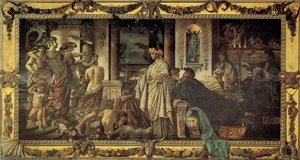
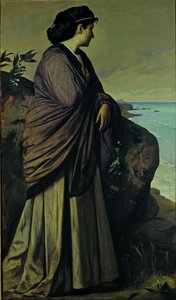
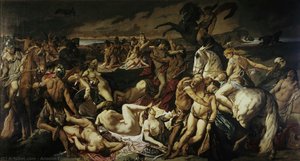
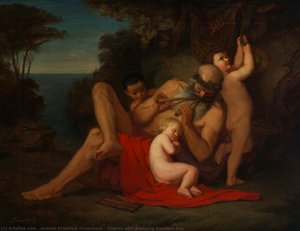
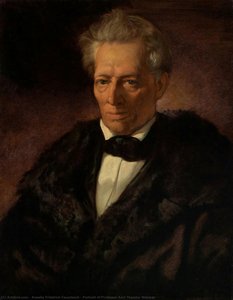
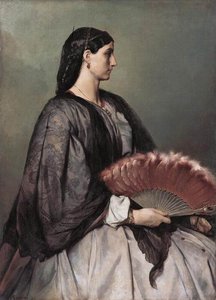
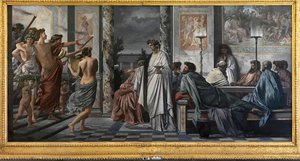
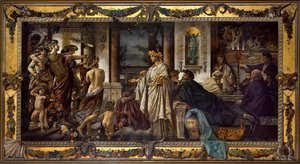
Throughout his career, Feuerbach produced a series of works that cemented his reputation as one of Germany’s most important 19th-century painters. Hafiz at the Fountain, created during his Parisian period in 1852, is an early masterpiece demonstrating his burgeoning style and fascination with exotic subjects. The painting captures a moment of poetic contemplation, showcasing Feuerbach's ability to create atmosphere and evoke emotion through color and composition. Silenus with Sleeping Bacchus Boy, housed at the Staatliche Kunsthalle Karlsruhe, exemplifies his graceful depiction of classical mythology, while The Battle of the Amazons reveals his skill in portraying dynamic movement and dramatic scenes on a grand scale. His talent for portraiture is evident in works like Portrait of Professor Karl Theodor Welcker, where he captures not only the subject’s physical likeness but also their intellectual character with remarkable precision. Perhaps his most celebrated achievements are the two versions of Plato’s Symposium. These paintings, depicting a scene from Plato's philosophical dialogue, are testaments to Feuerbach’s ability to translate abstract ideas into visual form, focusing on idealized beauty and intellectual discourse within a meticulously rendered classical setting. Other notable works include his evocative portraits of the model Nanna Risi, which demonstrate his mastery of capturing personality and emotion through subtle nuances of expression.Legacy and Historical Significance
Anselm Feuerbach is rightfully recognized as the leading classicist painter of the German 19th-century school. He bridged a critical gap between classical traditions and the evolving artistic trends of his time, influencing a generation of German artists with his emphasis on technical skill and idealized forms. While he initially garnered praise for his virtuosity, Feuerbach faced criticism during his lifetime from those who perceived his style as overly academic or detached. However, his reputation has steadily grown since his death, as scholars and art enthusiasts have come to appreciate the depth and complexity of his work. His lasting impact lies not only in the beauty and craftsmanship of his paintings but also in his exploration of timeless themes—beauty, emotion, intellect—within a classical framework. Feuerbach’s works continue to captivate audiences today, solidifying his place as a significant figure in 19th-century German art and a master of neoclassical painting infused with Romantic sensibility.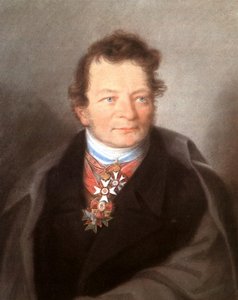
Anselm Friedrich Feuerbach
1829 - 1880 , Germany
Quick Facts
- Artistic Movement Or Style: Neoclassicism, Romanticism
- Artists Or Movements Influenced By This Artist: ['German artists']
- Artists Who Influenced This Artist:
- Schirmer
- Schadow
- Couture
- Date Of Birth: September 12, 1829
- Date Of Death: January 4, 1880
- Full Name: Anselm Friedrich Feuerbach
- Nationality: German
- Notable Artworks:
- Hafiz at the Fountain
- Silenus with Bacchus
- Battle of Amazons
- Plato’s Symposium
- Place Of Birth: Speyer, Germany
Related Articles
Anselm Feuerbach: Romantic Idealism & the Search for Spiritual Harmony in 19th-Century Painting
Explore the life & work of Anselm Feuerbach, a leading German Neoclassical painter. Discover his Romantic idealism, mythological scenes, and stunning portraits. Learn about his influences & lasting legacy with ArtsDot.
German Expressionism's 10 Defining Masterpieces | Art for Your Home
Explore 10 defining German Expressionism masterpieces – from Munch's 'The Scream' to Kandinsky’s abstracts. Discover the artists, stories & bold colors behind this powerful art movement. Find museum-quality reproductions at ArtsDot.com.
Romantic Realism's Finest: 10 Masterpieces for Your Home | ArtsDot
Explore 10 defining masterpieces of Romantic Realism! Discover Courbet, Millet & Daumier's powerful paintings—capturing emotion and social realities. Find museum-quality reproductions for your home at ArtsDot.com.

Romantic Landscapes: 10 Masterpieces for Your Home | ArtsDot
Journey through 10 Romantic landscape masterpieces by Friedrich, Turner & Cole. Explore emotional art, sublime nature scenes & iconic 19th-century paintings. Find museum-quality reproductions for your home at ArtsDot.com – discover the full collection online!
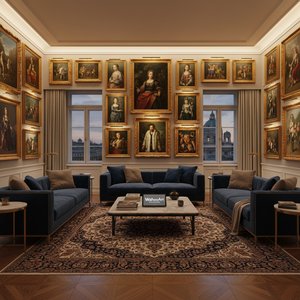
Kunsthistorisches Museum's Masterpieces: 25 Art Treasures for Your Home | ArtsDot
Journey through 25 iconic artworks at Vienna's Kunsthistorisches Museum! Explore masterpieces by Raphael, Rembrandt & Vermeer. Discover art history, techniques & find museum-quality reproductions for your home on ArtsDot.com.