 Send
Send Share
Share
 Details

 Download
 Similars
 Diaporama
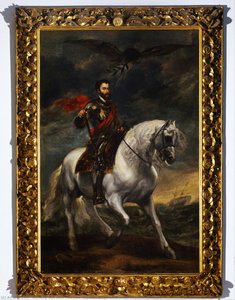
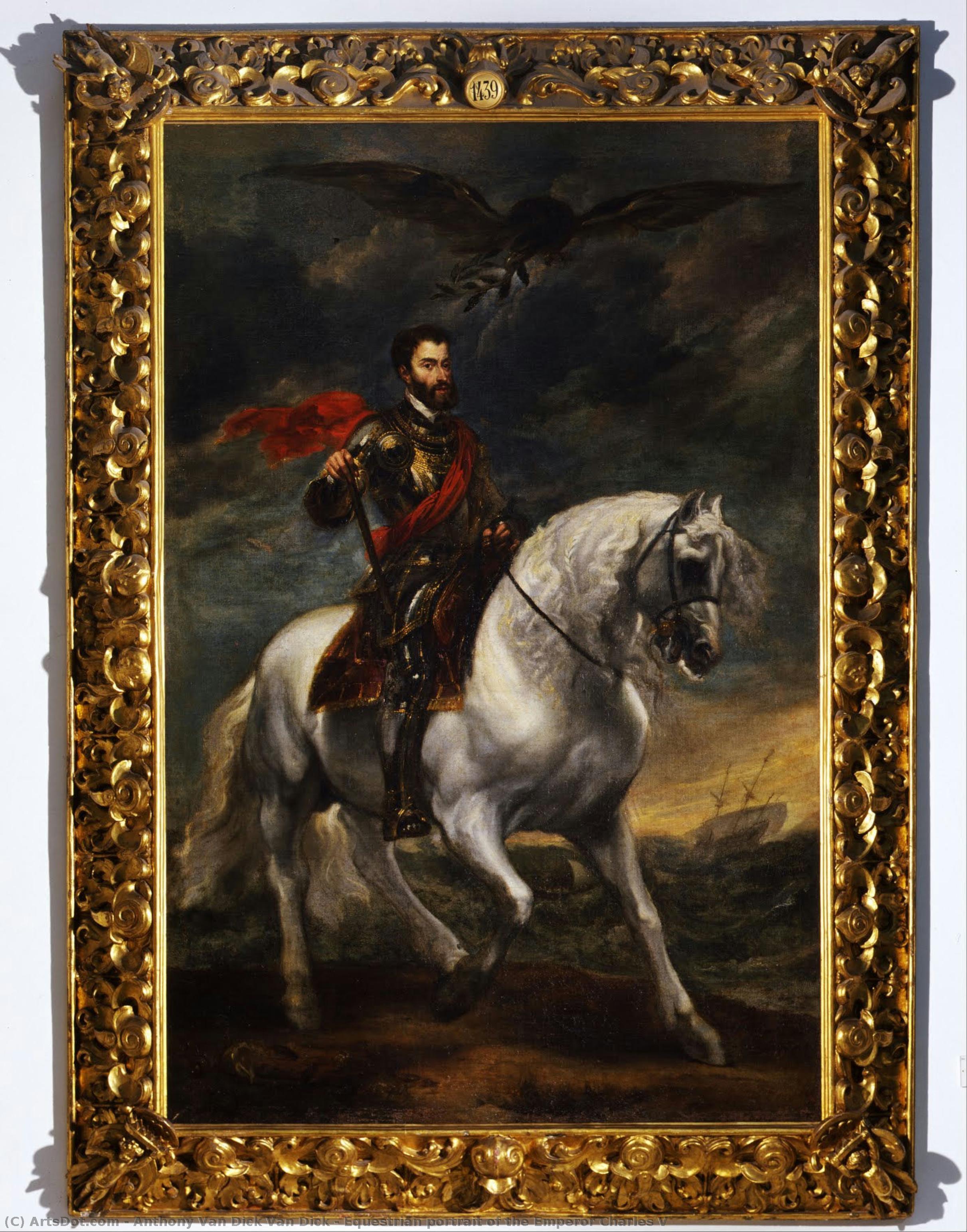
Equestrian portrait of the Emperor Charles V
 Giclée Print
- Digital
- Baroque
 1620
1620 123.0 x 191.0 cm
 Galleria degli Uffizi
 Read More
Hand Made Oil Reproduction
Hand-painted oil on canvas in your size and frame, made to order by our artists. ( Buy Print Buy Image)




































Pick from our preset sizes that match the artwork's original proportions.

You may enter your own dimensions to fit a specific frame or space. If your selected size does not match the original image's proportions, we will either crop the artwork or extend the painting with additional hand-painted elements. A digital mockup will be sent for your approval before production begins.
Please note that the on-screen preview does not reflect the actual cropping or extension. Only the mockup will accurately show the final composition.
While custom sizes are available, we recommend selecting a dimension from the predefined list to preserve the original proportions.
After order, ArtsDot.com team will email client for instructions and provide a mockup preview
Worldwide Delivery () in 3/4 weeks instead of standard 5 weeks. (16 August). No compromise on quality.

Free Worldwide Express Shipping

High-Quality Linen Canvas

Full Shipping Insurance

Customs Tax Refund Guarantee

True Color Matching Guarantee

60-Day Return Policy (Defects Only)

100% Money-Back Guarantee

Bulk Discount Offer
 Glass option is only available in size under 110 CM

Equestrian portrait of the Emperor Charles V
Reproduction Medium
Reproduction Size
-


Total Price
$ 263
Artwork Description
A Regal Vision: Unveiling Anthony van Dyck’s Equestrian Portrait of Charles V
The year is 1620. The setting, a meticulously rendered landscape hinting at the vastness of the English kingdom – and beyond. Before us stands an arresting image: Anthony van Dyck's ‘Equestrian Portrait of the Emperor Charles V,’ a painting that transcends mere portraiture to become a potent symbol of power, authority, and the enduring legacy of the Habsburg dynasty. Initially attributed to Rubens, this masterpiece now firmly resides within the Uffizi collection in Florence, offering a rare glimpse into the artistic sensibilities of one of Europe’s most celebrated Baroque painters.
Van Dyck, born in Antwerp in 1599, possessed an extraordinary ability to capture not just likeness but also character and emotion. His early training under Hendrick van Balen laid the foundation for his later mastery, yet it was his encounter with Peter Paul Rubens that truly shaped his artistic trajectory. This influence is readily apparent in the painting’s dynamic composition, rich color palette, and masterful use of light – elements characteristic of both artists. However, Van Dyck swiftly established a distinct style, one defined by an unparalleled elegance and a remarkable sensitivity to detail, particularly when depicting human figures.
The Anatomy of Power: Composition and Technique
The painting’s composition is immediately striking. Charles V, clad in gleaming armor that reflects the light with dazzling intensity, dominates the scene. He sits atop a magnificent white horse, its musculature rendered with breathtaking realism – a testament to Van Dyck's meticulous observation of nature. The horse isn’t merely a mount; it’s an extension of the Emperor’s power, embodying strength and control. Notice how the horse’s stance is deliberately restrained, mirroring the controlled demeanor of the rider. A servant dutifully presents him with a helmet, completing the image of a sovereign ready to command.
Van Dyck's technique is equally impressive. He employs a loose, almost impressionistic brushstroke – a departure from the more rigid conventions of earlier portraiture – creating a sense of movement and vitality. The layering of colors, particularly in the armor and the horse’s coat, demonstrates his mastery of chiaroscuro, the dramatic use of light and shadow to create depth and volume. The subtle gradations of tone contribute significantly to the painting's overall atmosphere of grandeur and majesty.
Symbolism and Historical Context
Beyond its aesthetic qualities, ‘Equestrian Portrait of Charles V’ is laden with symbolism. The red flag held aloft by the servant signifies victory – a reference to Charles’s triumph at the Battle of Mühlberg in 1547. The Latin inscription on the tablet further reinforces this message, proclaiming “Charles I, King of Great Britain.” This portrait wasn't simply a likeness; it was a carefully constructed statement about imperial authority and the burgeoning power of England.
Interestingly, the painting’s origins are somewhat shrouded in mystery. Initially attributed to Rubens, its attribution to Van Dyck gained traction in the 18th century. The work's relatively mediocre state of conservation – a slight weakness in the painting’s execution – has been speculated upon as potentially stemming from the lack of a live model during its creation, or perhaps simply reflecting the challenges inherent in capturing such a dynamic subject on canvas at that early stage of artistic production. It was likely commissioned for a descendant of the emperor, solidifying its place within the Medici family's esteemed collection.
A Legacy of Elegance: Van Dyck’s Enduring Influence
‘Equestrian Portrait of the Emperor Charles V’ stands as a pivotal work in the history of portraiture. Van Dyck’s innovative approach, characterized by its effortless elegance and psychological depth, profoundly influenced English portraitists for over a century. His ability to capture not just physical appearance but also the inner character of his subjects established a new standard for the genre, shaping the course of art for generations to come. The painting's enduring appeal lies in its masterful blend of technical skill, symbolic richness, and emotional resonance – a testament to Van Dyck’s genius as one of the greatest artists of the Baroque era.
Related Artworks

Artist Biography
**early life and training**
anthony van dyck, a prominent figure in the flemish baroque school, was born on march 22, 1599, in antwerp, belgium. his artistic talent emerged at an early age, leading him to study painting with hendrick van balen from 1609, and later becoming an independent painter around 1615.**influences and notable works**
van dyck's work was heavily influenced by peter paul rubens, a renowned artist of the time. this is evident in his numerous portraits of english nobility and royalty, including king charles i and his family. one of his most notable works is the 'equestrian portrait of the emperor charles v', painted in 1620.**artistic style and legacy**
van dyck's portraits are characterized by an effortless elegance, which significantly influenced english portraitists for over a century. his mastery of light and shadow, as seen in his works, showcases his exceptional skill as a painter. apart from portraits, van dyck also created religious and mythological subjects, demonstrating his versatility.**museums featuring van dyck's works**
- musée des beaux-arts tournai, belgium - features an impressive collection of artworks, including those by van dyck.
- musées royaux des beaux-arts, brussels, belgium - houses over 20,000 drawings, sculptures, and paintings, covering a period from the early 15th century to the present.
- rockox house, antwerp, belgium - a museum showcasing the life and art collection of nicolaas rockox, featuring works by van dyck among others.
**view van dyck's artworks on ArtsDot.com**
- discover anthony van dyck's artworks on ArtsDot.com
- explore the masterpieces of musée des beaux-arts tournai, featuring van dyck's works
- learn about the masterpieces of musées royaux des beaux-arts, including van dyck's portraits
**van dyck's enduring legacy**
anthony van dyck's influence on english portraitists is undeniable, with his elegant and effortless style continuing to inspire artists. his works, featured in various museums across belgium, are a testament to his enduring legacy in the world of art.**references**
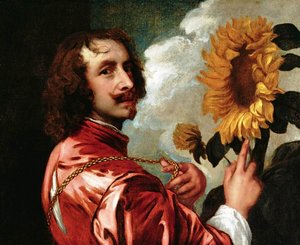
anthony van dick van dick
1599 - 1641 , Belgium
Quick Facts
- Artistic Movement Or Style: Baroque, Tenebrism
- Artists Or Movements Influenced By This Artist:
- Realism
- Impressionism
- Artists Who Influenced This Artist:
- Caravaggio
- Venetian painting
- Date Of Birth: June 6, 1599
- Date Of Death: August 6, 1660
- Full Name: Diego Rodríguez de Silva y Velázquez
- Nationality: Spanish
- Notable Artworks:
- Las Meninas
- Philip IV (1605–1665)
- Venus at Her Toilet
- Place Of Birth: Seville, Spain
Related Articles

Van Gogh's Masterpieces: Explore 25 Iconic Paintings & Art for Your Home
Journey through Vincent van Gogh's 25 most iconic paintings! Explore 'Starry Night', 'Sunflowers,' and more—discover the stories, techniques & emotions behind these Post-Impressionist masterpieces. Find museum-quality art reproductions for your home at ArtsDot.com.
Sir Anthony van Dyck: Courtly Portraiture & the Shaping of Baroque Identity
Explore the life & legacy of Sir Anthony van Dyck, the leading court painter of his era. Discover his innovative portraiture, Baroque masterpieces, and investment potential for discerning collectors. Learn more at ArtsDot.
Charles-André van Loo: A Study in Rococo Portraiture & the French Court's Artistic Dynamics
Explore the elegant world of Charles-André van Loo, a master of Rococo portraiture at the French court. Discover his life, techniques, and enduring influence on 18th-century art. Hand-painted reproductions available.
The Grandeur of Baroque Portraiture: Power, Emotion & Artistic Innovation
Explore the grandeur of Baroque portraiture! Discover Rubens, Van Dyck & the masters of 17th-century art. Uncover symbolism, techniques & lasting influence. Expert insights for collectors and enthusiasts.

Rembrandt's Masterpieces: Explore 25 Iconic Paintings & Prints | ArtsDot
Journey through Rembrandt van Rijn's 25 most iconic paintings & etchings. Explore Dutch Golden Age masterpieces, dramatic chiaroscuro, and timeless portraits. Find museum-quality art reproductions to elevate your home decor on ArtsDot.com.