 Send
Send Share
Share
 Details

 Download
 Similars
 Diaporama
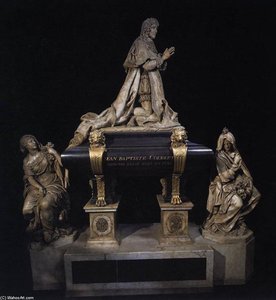
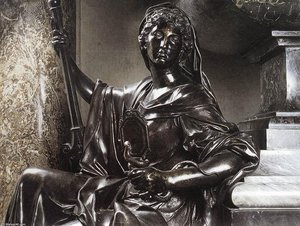
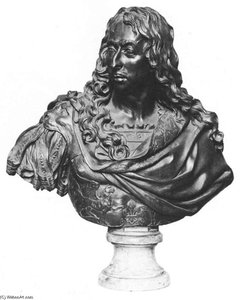
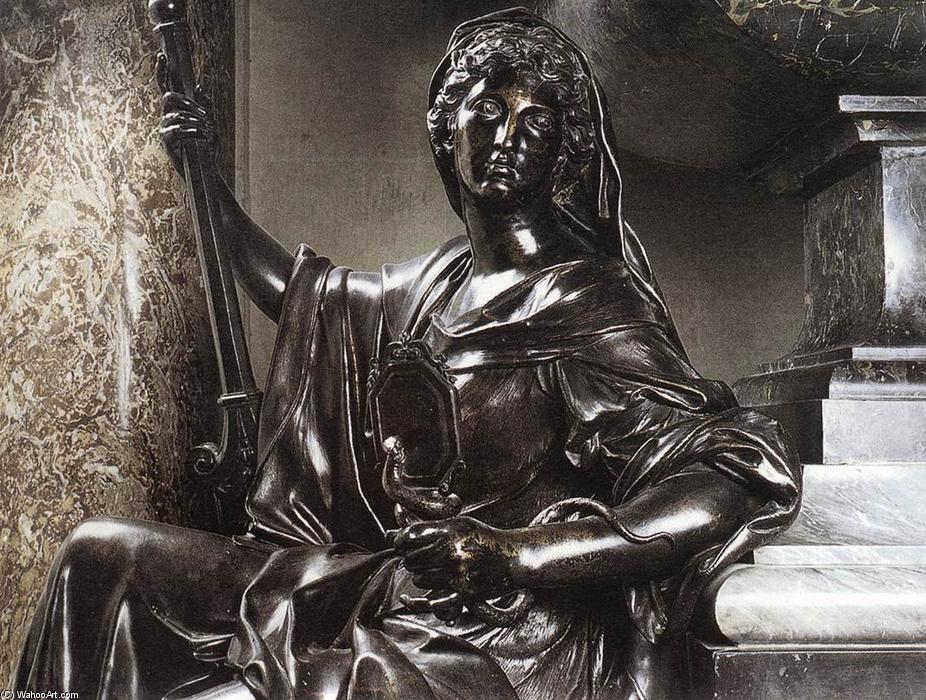
Funeral Monument of Mazarin (detail)


 Read More
Giclée / Art Print
Museum-quality giclée or canvas print with fast production and flexible finish options. ( Buy Hand Made Painting Buy Image)




































Pick from our preset sizes that match the artwork's original proportions.

You may enter your own dimensions to fit a specific frame or space. If your selected size does not match the original image's proportions, we will either crop the artwork or extend the image with a mirrored or solid-fill edge. A digital mockup will be sent for your approval before production begins.
Please note that the on-screen preview does not reflect the actual cropping or extension. Only the mockup will accurately show the final composition.
While custom sizes are available, we recommend selecting a dimension from the predefined list to preserve the original proportions.
Worldwide Delivery () in 2 weeks instead of standard 4/5 weeks. (3 September)

Free Worldwide Express Shipping

High-Quality Linen Canvas

Full Shipping Insurance

Customs Tax Refund Guarantee

True Color Matching Guarantee

60-Day Return Policy (Defects Only)

100% Money-Back Guarantee

Bulk Discount Offer
 Glass option is only available in size under 110 CM

Funeral Monument of Mazarin (detail)
Giclée / Art Print
Reproduction Size
-


Total Price
$ 63
A Symphony in Bronze and Marble: The Legacy of Antoine Coysevox
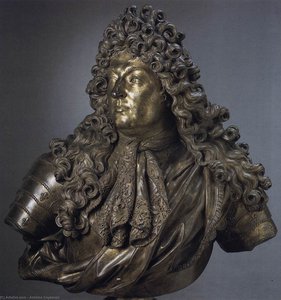
In the grand tapestry of French Baroque art, few threads shine as brilliantly as the work of Antoine Coysevox. A sculptor whose hands shaped the very visual language of Louis XIV’s reign, Coysevost possessed a rare ability to translate the absolute power of the monarchy into tangible, breathing form. His Funeral Monument of Mazarin, specifically the intricate details that capture the essence of this masterpiece, serves as a profound meditation on mortality, virtue, and the enduring weight of history. To gaze upon this work is to step into the gilded atmosphere of late 17th-century France, where every curve of bronze and every fold of marble was designed to evoke awe and command reverence.
The sculpture itself is a breathtaking synthesis of classical restraint and Baroque dynamism. While many of his contemporaries in Italy sought to overwhelm the viewer with dramatic pathos, Coysevox mastered a more nuanced approach—a restrained elegance that communicates deep spiritual reverence. The detail captured in this work reveals a meticulous attention to anatomical precision and the fluid movement of drapery. The dark, rich patina of the bronze elements creates a striking dialogue with the luminous Carrara marble, a material choice that reflects the purity and divine grace central to the monument's purpose. This interplay of light and shadow, texture and smoothness, makes the piece an extraordinary focal point for any collection dedicated to classical grandeur.
Symbolism and the Architecture of Virtue
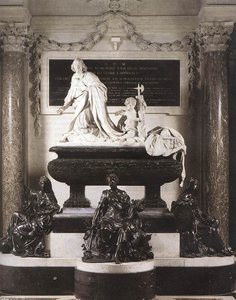
Beyond its physical beauty, the monument is a complex web of symbolic meaning, designed to immortalize Cardinal Mazarin not merely as a statesman, but as a paragon of moral authority. The composition is anchored by the central figure of the Cardinal, yet it is the surrounding elements that breathe life into his legacy. Within the sculptural program, Coysevox integrated personifications of the four cardinal virtues: Prudence, Justice, Fidelity, and Temperance. These bronze figures act as the spiritual pillars of the monument, suggesting that Mazarin’s political influence was rooted in an unshakeable ethical foundation.
Every detail serves a narrative function; the heavy, draped shroud enveloping the central figure is not merely a symbol of death, but a poignant reminder of divine compassion and the transition from the temporal to the eternal. For the discerning collector or interior designer, these layers of meaning offer a profound depth that transcends mere decoration. A high-quality reproduction of such a detail allows one to bring this historical gravity into a contemporary space, providing a conversation piece that invites contemplation on the themes of legacy and character.
An Eternal Inspiration for the Modern Collector
For those seeking to curate an environment of sophistication and intellectual depth, the Funeral Monument of Mazarin offers unparalleled inspiration. The sculpture’s ability to harmonize the heavy, grounded nature of bronze with the ethereal lightness of marble makes it a versatile icon for various design aesthetics—from the stately halls of a traditional manor to the curated minimalism of a modern gallery. It is a work that demands attention through its craftsmanship rather than through sheer scale.
Owning or displaying a reproduction of Coysevox’s mastery is an act of preserving a moment in time when art was the ultimate vehicle for human aspiration. Whether used to anchor a study, complement a collection of classical antiquities, or serve as a soulful accent in a grand living space, this piece brings with it the prestige of the Versailles era. It remains a testament to the idea that true beauty is found in the perfect balance of strength and grace, making it an essential acquisition for any lover of the Baroque tradition.
Related Artworks
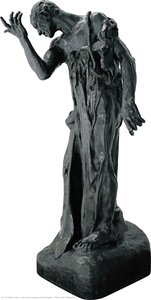
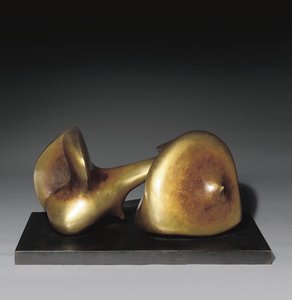
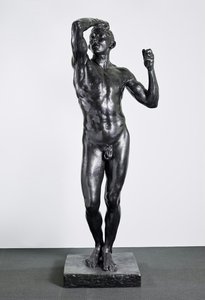
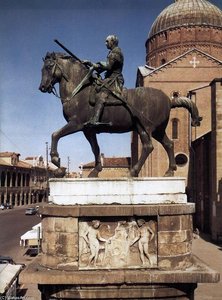
Artist Biography
The Sculptor of Royal Grandeur
Antoine Coysevox stands as a monumental figure in the artistic landscape of Baroque France, inextricably linked to the reign of Louis XIV and the ambitious patronage that defined an era of absolute monarchy. Born in Lyon in 1640, he ascended from modest beginnings—the son of a sculptor—to become one of the most celebrated masters of his time. His journey was one of profound transformation, as he moved from the provincial workshops of his youth to the glittering heart of the French court, eventually crafting the very visual language of power that would define the Louis XIV style.
His formative years were shaped by a rigorous dedication to classical ideals and anatomical precision. After arriving in Paris in 1657, he joined the workshop of Louis Lerambert, where his talent for capturing life in stone began to emerge. This early training, combined with his later exposure to the prestigious Prix de Rome, allowed him to synthesize a unique aesthetic: one that married the dynamic energy of the Baroque movement with the serene, disciplined grace of antiquity. Even without extensive travels to Italy, Coysevox possessed an uncanny ability to evoke the classical spirit, making him the ideal artist for a king who wished to present France as the new Rome.
A Legacy in Marble and Gold
The zenith of Coysevox’s career coincided with the architectural and political expansion of Versailles. As a favored sculptor for the royal court, his work became an essential component of the palace's decorative program. He did not merely decorate spaces; he breathed life into the stone, transforming the gardens and halls of Versailles and Molière into stages for royal myth-making. His versatility was unparalleled, ranging from the delicate intimacy of portrait busts to the massive, commanding presence of equestrian groups and allegorical statues.
His contributions to the French landscape are vast and varied:
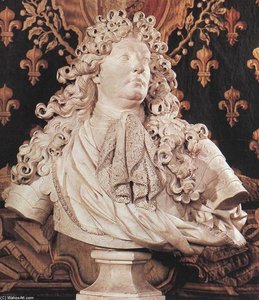
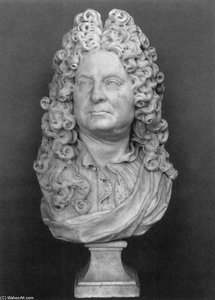
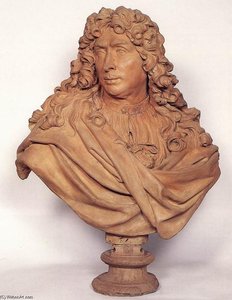
- The Portraiture of Power: Coysevox became the premier portraitist of his age, most notably through his masterful marble busts of Louis XIV. These works were far more than mere likenesses; they were carefully constructed icons of regal dignity, conveying an aura of divine authority and unshakable conviction.
- Decorative Mastery: Within the halls of Versailles, he worked on monumental projects such as the relief work for the War Room and the creation of the Vase of War. His ability to manipulate materials like gilded lead and Carrara marble allowed him to contribute to the sensory splendor of the King's State Apartments.
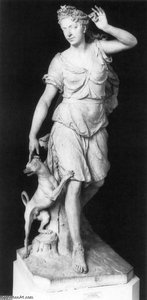
- Allegorical Brilliance: Beyond the royal family, his works such as The Duchesse de Bourgogne as Diana showcased his ability to blend mythological themes with contemporary elegance, embodying the grace and beauty central to the era's aesthetic.
Historical Significance and Enduring Influence
The historical significance of Antoine Coysevox lies in his role as a visual architect of the French identity. Through his hands, the political ambitions of the Bourbon monarchy were rendered into permanent, tangible forms. He captured the transition from the exuberant, often turbulent Baroque to a more controlled, classical elegance that would influence European art for generations. His work at the Château de Versailles and the gardens of Marly remains a testament to a period when art was the ultimate instrument of statecraft.
Even as styles shifted toward Neoclassicism in later decades, the foundation laid by Coysevox remained unshakable. He left behind a legacy of works that continue to reside in the world's most prestigious institutions, such as the Louvre Museum and the Minneapolis Institute of Art. To study his oeuvre is to witness the heartbeat of 17th-century France—a period of unparalleled artistic ambition where every chisel stroke served to immortalize the glory of a kingdom.
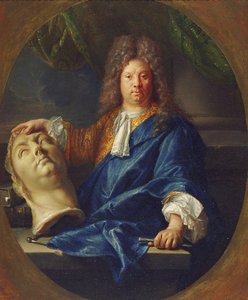
Antoine Coysevox
1640 - 1720 , France
Quick Facts
- Artistic Movement Or Style: Baroque
- Artists Or Movements Influenced By This Artist: ['Charles Le Brun']
- Artists Who Influenced This Artist: ['Nicolas Cousut']
- Date Of Birth: September 29, 1640
- Date Of Death: October 10, 1720
- Full Name: Antoine Coysevox
- Nationality: French
- Notable Artworks:
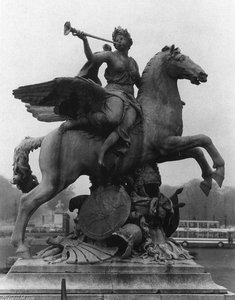
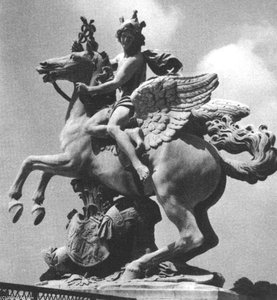
- Mercury and the equestrian Fame
- Seine and its pendant
- Place Of Birth: Lyon, France
Related Articles

Bronze Age to Modern Masters: 10 Sculptures That Redefined Art | ArtsDot
Journey through art history with 10 legendary bronze sculptures – from Michelangelo's David to Rodin’s Thinker. Explore the stories, techniques & timeless beauty of these masterpieces. Find museum-quality reproductions & elevate your home decor on ArtsDot.com.

Bronze Sculptures That Defined Art History | ArtsDot
Journey through art history with our Top 10 bronze sculptures! Explore masterpieces by Rodin, Michelangelo & more. Discover stories behind iconic statues and find museum-quality reproductions for your home decor at ArtsDot.com.

The Enduring Legacy of Bronze: A Historical & Artistic Exploration for the Collector
Explore the rich history & enduring appeal of bronze sculpture with expert insights for collectors at ArtsDot. Learn about casting techniques, iconic artists, collecting tips & contemporary interpretations.

The Enduring Legacy of Bronze: History, Technique & Artistic Expression for the Collector
Explore the rich history & enduring appeal of bronze sculpture with expert insights for collectors at ArtsDot. Learn about casting techniques, iconic artists, and collecting tips.

The Enduring Legacy of Bronze Sculpture: Technique, Symbolism & Cultural Impact
Explore the rich history & enduring appeal of bronze sculpture with expert insights for collectors. Learn about casting techniques, iconic artists, collecting tips & contemporary interpretations at ArtsDot.