 Send
Send Share
Share
 Details

 Download
 Similars
 Diaporama
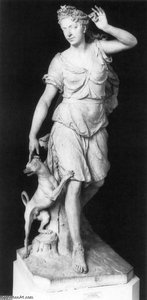
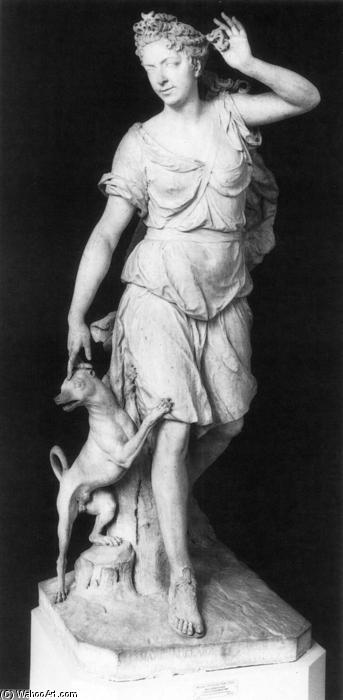
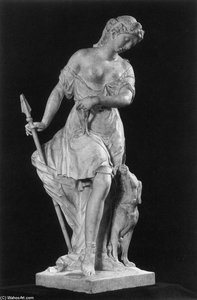
The Duchesse de Bourgogne as Diana


 Read More
Hand Made Oil Reproduction
Hand-painted oil on canvas in your size and frame, made to order by our artists. ( Buy Print Buy Image)




































Pick from our preset sizes that match the artwork's original proportions.

You may enter your own dimensions to fit a specific frame or space. If your selected size does not match the original image's proportions, we will either crop the artwork or extend the painting with additional hand-painted elements. A digital mockup will be sent for your approval before production begins.
Please note that the on-screen preview does not reflect the actual cropping or extension. Only the mockup will accurately show the final composition.
While custom sizes are available, we recommend selecting a dimension from the predefined list to preserve the original proportions.
After order, ArtsDot.com team will email client for instructions and provide a mockup preview
Worldwide Delivery () in 3/4 weeks instead of standard 5 weeks. (27 August). No compromise on quality.

Free Worldwide Express Shipping

High-Quality Linen Canvas

Full Shipping Insurance

Customs Tax Refund Guarantee

True Color Matching Guarantee

60-Day Return Policy (Defects Only)

100% Money-Back Guarantee

Bulk Discount Offer
 Glass option is only available in size under 110 CM

The Duchesse de Bourgogne as Diana
Reproduction Medium
Reproduction Size
-


Total Price
$ 263
A Vision of Neoclassical Grace
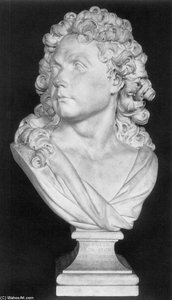
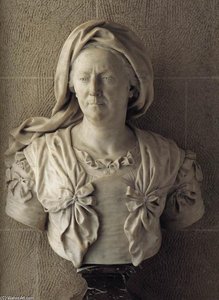
In the realm of Baroque and Neoclassical mastery, few works capture the ethereal intersection of mortal nobility and divine myth as poignantly as Antoine Coysevox’s The Duchesse de Bourgogne as Diana. Created around 1710, this breathtaking marble sculpture serves as a profound testament to the grandeur of the French court during the twilight of Louis XIV’s reign. Through the meticulous carving of stone, Coysevost breathes life into the cold medium, transforming heavy marble into the fluid, weightless drapery of a goddess. The piece presents a captivating metamorphosis, where the elegance of a high-ranking Duchess is elevated to the celestial status of Diana, the Roman goddess of the hunt, inviting the viewer into a world of mythic splendor and aristocratic poise.
The composition is a masterclass in dynamic equilibrium. The figure stands with an effortless grace, her pose suggesting a moment of sudden, spirited movement—perhaps a pause in the hunt or a reaction to a distant sound. One hand reaches upward toward her hair, a gesture that adds a sense of spontaneous life to the static stone. At her feet, the presence of a loyal hound provides more than mere companionship; it anchors the composition and introduces a narrative of fidelity and nature. The interplay between the smooth, polished skin of the figure and the intricate, flowing textures of her classical drapery creates a sensory experience that transcends the medium, making the marble appear almost soft to the touch.
Symbolism and the Art of Royal Identity
To behold this sculpture is to witness the deliberate use of iconography to communicate power and virtue. By casting the Duchesse de Bourgogne as Diana, Coysevox utilizes the language of classical mythology to bestow timeless qualities upon his subject. The goddess Diana, associated with the moon, chastity, and the wild beauty of the hunt, provides a sophisticated metaphor for the refined yet untamed spirit of the French aristocracy. Every element, from the subtle wreath in her hair to the watchful gaze of her canine companion, reinforces themes of nobility, strength, and an idealized connection to the natural world.
For the discerning collector or interior designer, this work offers a profound emotional resonance. It is not merely a depiction of a person, but an embodiment of an era defined by its pursuit of perfection. The dramatic use of light and shadow—captured so vividly in photographic studies of the piece—accentuates the three-dimensional depth of the carving, making it a centerpiece capable of commanding any space. Whether placed in a sunlit gallery or a sophisticated study, a high-quality reproduction of this masterpiece brings with it an aura of historical weight and aesthetic sophistication, serving as a timeless window into the heart of French classical excellence.
Related Artworks
Artist Biography
The Sculptor of Royal Grandeur
Antoine Coysevox stands as a monumental figure in the artistic landscape of Baroque France, inextricably linked to the reign of Louis XIV and the ambitious patronage that defined an era of absolute monarchy. Born in Lyon in 1640, he ascended from modest beginnings—the son of a sculptor—to become one of the most celebrated masters of his time. His journey was one of profound transformation, as he moved from the provincial workshops of his youth to the glittering heart of the French court, eventually crafting the very visual language of power that would define the Louis XIV style.
His formative years were shaped by a rigorous dedication to classical ideals and anatomical precision. After arriving in Paris in 1657, he joined the workshop of Louis Lerambert, where his talent for capturing life in stone began to emerge. This early training, combined with his later exposure to the prestigious Prix de Rome, allowed him to synthesize a unique aesthetic: one that married the dynamic energy of the Baroque movement with the serene, disciplined grace of antiquity. Even without extensive travels to Italy, Coysevox possessed an uncanny ability to evoke the classical spirit, making him the ideal artist for a king who wished to present France as the new Rome.
A Legacy in Marble and Gold
The zenith of Coysevox’s career coincided with the architectural and political expansion of Versailles. As a favored sculptor for the royal court, his work became an essential component of the palace's decorative program. He did not merely decorate spaces; he breathed life into the stone, transforming the gardens and halls of Versailles and Molière into stages for royal myth-making. His versatility was unparalleled, ranging from the delicate intimacy of portrait busts to the massive, commanding presence of equestrian groups and allegorical statues.
His contributions to the French landscape are vast and varied:
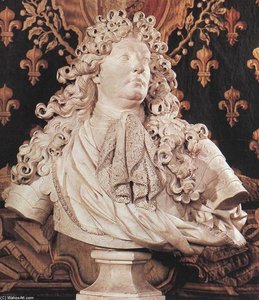
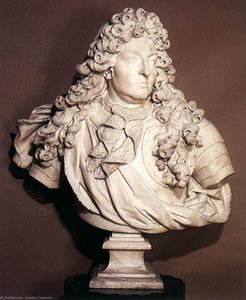
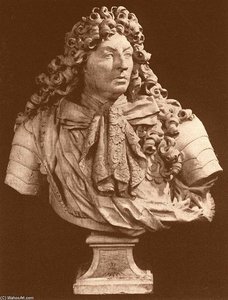
- The Portraiture of Power: Coysevox became the premier portraitist of his age, most notably through his masterful marble busts of Louis XIV. These works were far more than mere likenesses; they were carefully constructed icons of regal dignity, conveying an aura of divine authority and unshakable conviction.
- Decorative Mastery: Within the halls of Versailles, he worked on monumental projects such as the relief work for the War Room and the creation of the Vase of War. His ability to manipulate materials like gilded lead and Carrara marble allowed him to contribute to the sensory splendor of the King's State Apartments.
- Allegorical Brilliance: Beyond the royal family, his works such as The Duchesse de Bourgogne as Diana showcased his ability to blend mythological themes with contemporary elegance, embodying the grace and beauty central to the era's aesthetic.
Historical Significance and Enduring Influence
The historical significance of Antoine Coysevox lies in his role as a visual architect of the French identity. Through his hands, the political ambitions of the Bourbon monarchy were rendered into permanent, tangible forms. He captured the transition from the exuberant, often turbulent Baroque to a more controlled, classical elegance that would influence European art for generations. His work at the Château de Versailles and the gardens of Marly remains a testament to a period when art was the ultimate instrument of statecraft.
Even as styles shifted toward Neoclassicism in later decades, the foundation laid by Coysevox remained unshakable. He left behind a legacy of works that continue to reside in the world's most prestigious institutions, such as the Louvre Museum and the Minneapolis Institute of Art. To study his oeuvre is to witness the heartbeat of 17th-century France—a period of unparalleled artistic ambition where every chisel stroke served to immortalize the glory of a kingdom.
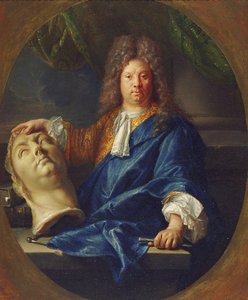
Antoine Coysevox
1640 - 1720 , France
Quick Facts
- Artistic Movement Or Style: Baroque
- Artists Or Movements Influenced By This Artist: ['Charles Le Brun']
- Artists Who Influenced This Artist: ['Nicolas Cousut']
- Date Of Birth: September 29, 1640
- Date Of Death: October 10, 1720
- Full Name: Antoine Coysevox
- Nationality: French
- Notable Artworks:
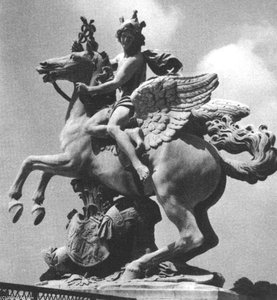
- Mercury and the equestrian Fame
- Seine and its pendant
- Place Of Birth: Lyon, France
Related Articles

Bronze Sculptures That Defined Art History | ArtsDot
Journey through art history with our Top 10 bronze sculptures! Explore masterpieces by Rodin, Michelangelo & more. Discover stories behind iconic statues and find museum-quality reproductions for your home decor at ArtsDot.com.

The Enduring Form: Exploring Themes & Techniques in Sculpture Across Historical Periods
Explore the rich history of sculpture from ancient masterpieces to contemporary innovations. Discover key techniques, influential artists & investment potential for discerning art collectors.

The Enduring Form: Sculpture Across History, Technique & Emotional Resonance
Explore the rich history of sculpture with ArtsDot. Discover key techniques, influential artists & investment potential for discerning collectors. Expert insights into valuing and collecting timeless masterpieces.

Theatricality & Triumph: Baroque Drama in Painting & Sculpture
Explore the dramatic world of Baroque art! Discover its history, defining characteristics, & lasting influence on painting & sculpture. Expert insights into Caravaggio, Zurbarán, and Bernini – plus high-quality reproductions at ArtsDot.

Bronze Age to Modern Masters: 10 Sculptures That Redefined Art | ArtsDot
Journey through art history with 10 legendary bronze sculptures – from Michelangelo's David to Rodin’s Thinker. Explore the stories, techniques & timeless beauty of these masterpieces. Find museum-quality reproductions & elevate your home decor on ArtsDot.com.