 Preview
 Send
Send Share
Share
 Details

 Download
 Similars
 X-Ray
X-Ray Diaporama
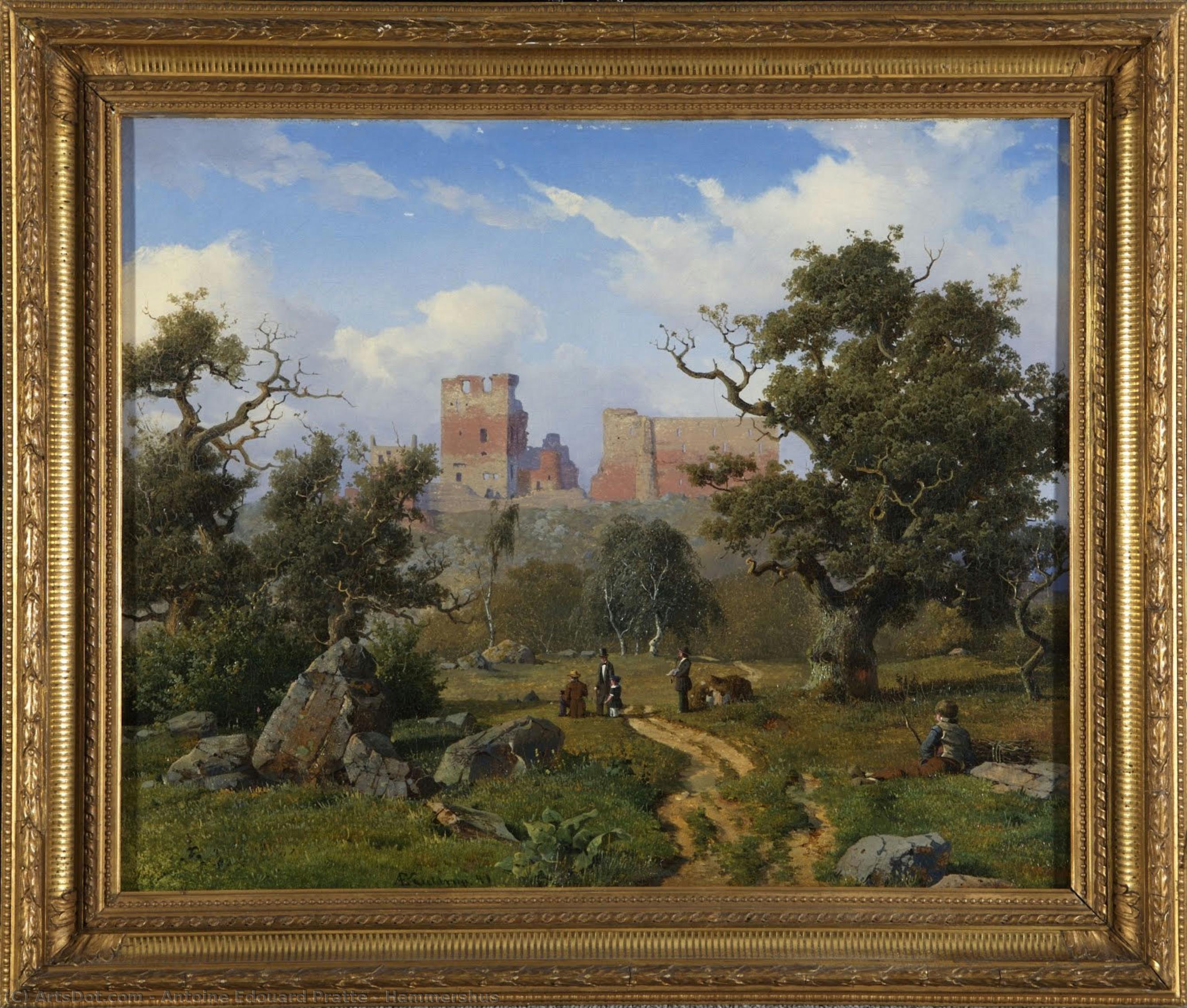
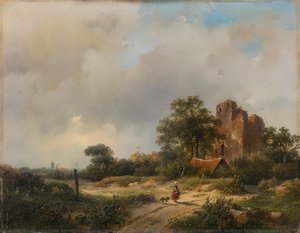
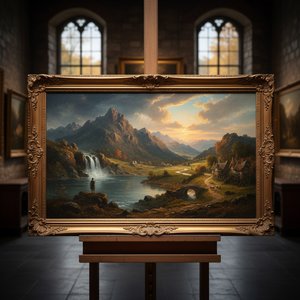
Hammershus
 Oil
Oil- WallArt
- Romanticism
 1849
1849- 19th Century
 56.0 x 46.0 cm
 Bornholm Art Museum
 Read More
Hand Made Oil Reproduction
Hand-painted oil on canvas in your size and frame, made to order by our artists. ( Buy Print Buy Image)




P118B $10

P118H $10

P118W $10

P438Z $10

P508JH $12

P508YH $12

P805H $10

P805Z $10

P919BZ $10

P919G $10

P919XJ $10

P959ZH $10

P968JZ $12

W106C $8

W218G $10

W218JH $8

W218Y $10

W307PJ $10

W316G $10

W316PJ $8

W316Y $10

W398PJ $8

W4111J $10

W500HY $15

W500JH $15

W692G $12

W849H $8

W940BG $15

W953PJ $8




Pick from our preset sizes that match the artwork's original proportions.

You may enter your own dimensions to fit a specific frame or space. If your selected size does not match the original image's proportions, we will either crop the artwork or extend the painting with additional hand-painted elements. A digital mockup will be sent for your approval before production begins.
Please note that the on-screen preview does not reflect the actual cropping or extension. Only the mockup will accurately show the final composition.
While custom sizes are available, we recommend selecting a dimension from the predefined list to preserve the original proportions.
After order, ArtsDot.com team will email client for instructions and provide a mockup preview
Worldwide Delivery () in 3/4 weeks instead of standard 5 weeks. (17 August). No compromise on quality.

Free Worldwide Express Shipping

High-Quality Linen Canvas

Full Shipping Insurance

Customs Tax Refund Guarantee

True Color Matching Guarantee

60-Day Return Policy (Defects Only)

100% Money-Back Guarantee

Bulk Discount Offer
 Glass option is only available in size under 110 CM

Hammershus
Reproduction Medium
Reproduction Size
-


Total Price
$ 263
Related Artworks
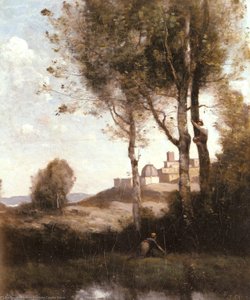
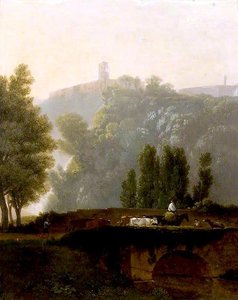
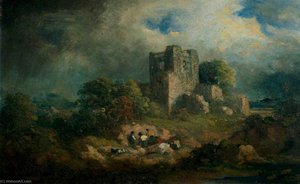

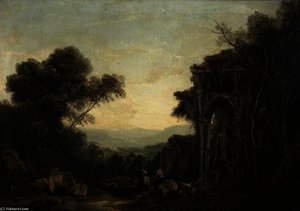
Artist Biography
The Harp King of the North: The Enigmatic Life of Antoine Edouard Pratté
Antoine Edouard Pratté remains one of the most captivating, yet curiously shadowed, figures of the nineteenth-century Romantic era. Born in 1796 in the Bohemian village of Haida, his origins were far removed from the refined concert halls of Stockholm and beyond. He was born into a world of traveling spectacle, the son of a renowned marionette master, Georg Anton Brát. This childhood, spent amidst the mechanical wonders of puppet theaters and the flickering lights of traveling shows, instilled in him a profound sense of theatricality and performance. As a young boy, Pratté was already contributing to his family’s craft, playing the kinnor—the ancient harp of David—during the interludes of his father's dramatic marionette plays. This early immersion in the arts provided the foundation for a life defined by virtuosity and expressive nuance. The trajectory of Pratté’s life took a dramatic turn during his teenage years. Seeking to escape a harsh and abusive domestic life, he severed ties with his father while touring Denmark and eventually sought refuge in Sweden. It was here that he adopted his more permanent name and began the ascent toward becoming an international sensation. By 1875, he had become known as the "Harp King of the North," a title reflecting not just his technical mastery but his ability to command the emotional landscape of his audience. His career was marked by a relentless touring schedule, where he moved between the grander urban centers and the quiet elegance of Swedish and Norwegian manor houses, serving both as a concert virtuoso and a dedicated music teacher.A Symphony of Strings and Soul
Pratté’s musical language was a sophisticated tapestry woven from the threads of Romanticism. His compositions were characterized by a remarkable ability to blend the lyrical simplicity of Bohemian folk melodies with the complex harmonic structures favored by his contemporaries, such as Schubert and Beethoven. As a performer, he possessed what critics described as a miraculous technique—a delicate yet energetic touch that allowed him to bridge the gap between the musician and the instrument. His playing was often compared to the greatest harpists of his age, with some even suggesting he stood as a masterly predecessor to figures like Bochsa. His creative output was vast and varied, spanning much more than just solo harp pieces. While the harp remained his primary vessel for expression, Pratté was a prolific composer of symphonic works and choral arrangements. His music sought to capture the very essence of the Romantic spirit:- The transformation of folk motifs into sophisticated orchestral textures.
- A profound sense of deep expression that resonated with both the aristocracy and the public.
- An innovative use of orchestration that showcased a mastery of dynamic contrast.
Legacy and the Rediscovery of a Master
The historical significance of Antoine Edouard Pratté lies in his role as a cultural bridge between the Bohemian traditions of his birth and the burgeoning musical identity of Scandinavia. His election into the Royal Swedish Academy of Music in 1850 stands as a testament to his recognized importance within the European musical hierarchy. Though his name may have faded from the mainstream consciousness for decades, recent efforts to unearth his scores have breathed new life into his compositions, revealing a composer of immense depth and structural intelligence. Today, Pratté is remembered not merely as a traveling performer's son, but as an artist who achieved artistic perfection through sheer dedication and innate talent. His life story—a journey from the mechanical puppets of Bohemia to the prestigious academies of Sweden—serves as a powerful narrative of resilience and the transformative power of art. Through his rediscovered works, the echoes of the "Harp King" continue to resonate, offering a window into the lush, emotive world of the nineteenth-century Romantic era.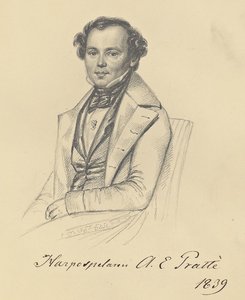
antoine edouard pratté
1796 - 1875 , Czech Republic
Quick Facts
- Artistic Movement Or Style: Classical Harp Music
- Artists Or Movements Influenced By This Artist:
- Mozart
- Haydn
- Artists Who Influenced This Artist: ['Franz Lachner']
- Date Of Birth: November 22, 1796
- Date Of Death: 1875
- Full Name: Antoine Edvard Pratté
- Nationality: Swedish
- Notable Artworks:
- Harp Concerto No. 1
- Harp Sonata in C Major
- Place Of Birth: Haida, Czech Republic
Related Articles

Romantic Landscapes: 10 Masterpieces for Your Home | ArtsDot
Journey through 10 Romantic landscape masterpieces by Friedrich, Turner & Cole. Explore emotional art, sublime nature scenes & iconic 19th-century paintings. Find museum-quality reproductions for your home at ArtsDot.com – discover the full collection online!

Beyond the Horizon: 10 Landscape Masterpieces for Your Home Decor
Journey through 10 breathtaking landscape paintings by Monet, Van Gogh & more! Explore iconic artworks, artistic techniques & find inspiration for your home decor. Museum-quality reproductions at ArtsDot.com. Discover all masterpieces on ArtsDot.com

John Constable's Masterpieces: Explore 25 Iconic Landscapes for Your Home
Journey through John Constable's 25 most celebrated landscapes. Explore Romanticism, Dedham Vale & his masterful use of light in iconic paintings like 'Hay Wain'. Find museum-quality art reproductions and elevate your home decor on ArtsDot.com.
The Sublime and the Picturesque: Exploring Emotion & Nature in Romantic Landscape Painting
Explore the emotional power of Romantic landscape painting! Discover the sublime & picturesque traditions, key artists like Friedrich & Cole, and find your perfect artwork at ArtsDot.

Evocations of Place: A Historical Journey Through Landscape Art
Explore the rich history of landscape art with ArtsDot. Discover renowned artists, movements like Impressionism & Romanticism, and expert guidance for collecting timeless pieces. Find your perfect serene escape today!