

 Preview
 Send
Send Share
Share
 Details

 Download
 Similars
 X-Ray
X-Ray Diaporama
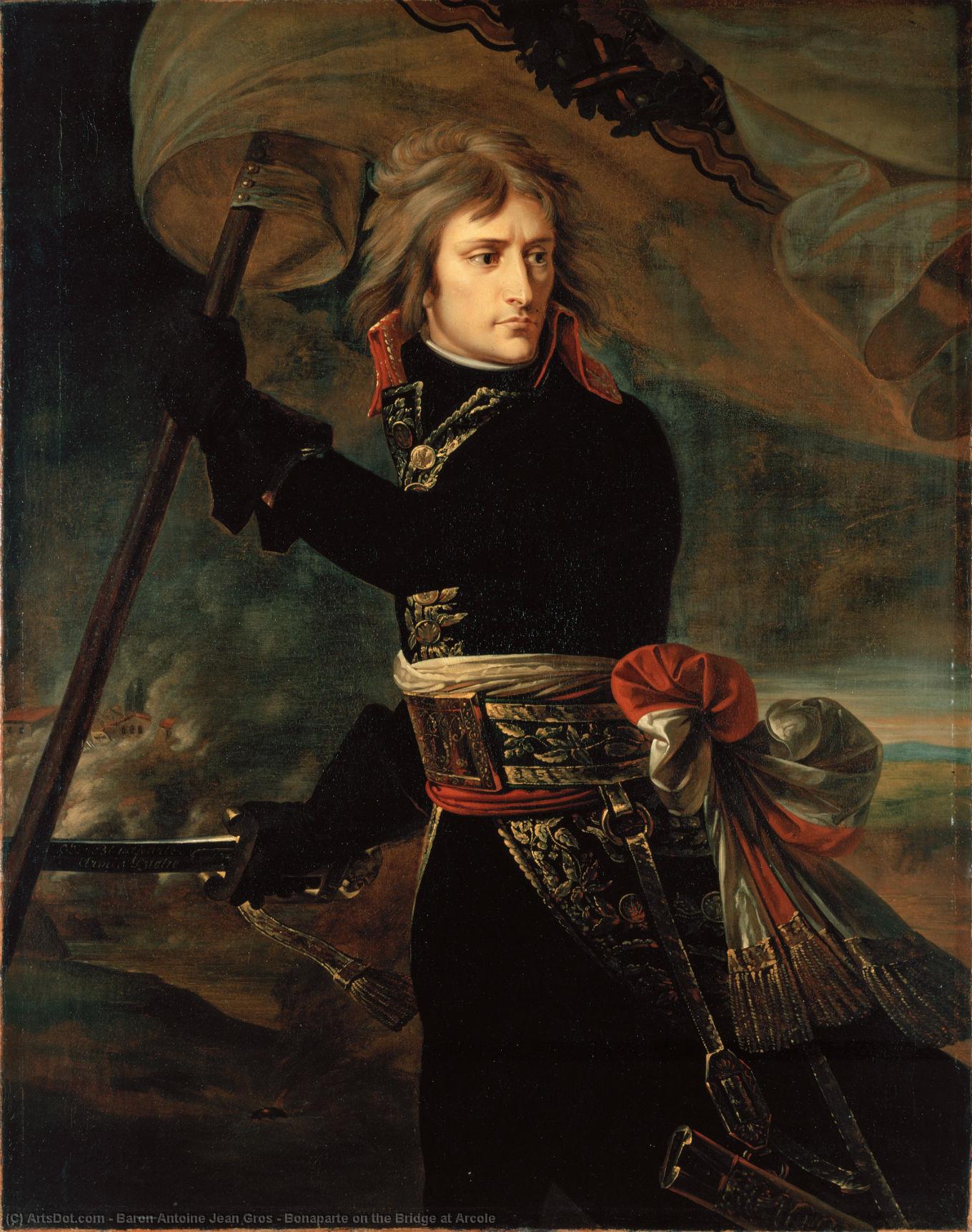
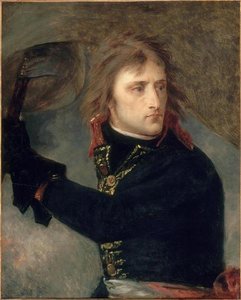
Bonaparte on the Bridge at Arcole
 Oil On Canvas
- WallArt
- Romantic Nationalism
 1796
1796- 19th Century
 134.0 x 104.0 cm
 Hermitage Museum
 Read More
Purchase a high-resolution, enhanced digital image, far superior to the online preview.
Each file is meticulously prepared by our in-house specialists using advanced tools and expert manual retouching. We ensure every image has exceptional clarity, precise color accuracy, and fine detail.
The final file is delivered via email within 72 hours, optimized for immediate use in professional, editorial, and print environments. This is the same quality trusted by top-tier design studios, publishers, and galleries.
Digital Image
Download a high-resolution file for personal display, printing, and creative projects. ( Buy Print Buy Hand Made Painting)
Included in Every Digital Image Order
Expert Digital Delivery, Guaranteed
When you choose ArtsDot.com, you're not just getting an image - you're receiving a professionally enhanced digital artwork, crafted with precision and backed by a satisfaction guarantee. Here's everything that comes with your order, automatically:

Fast Email Delivery
Your high-resolution digital image file will be emailed to you within 72 hours of ordering - ready for immediate use.

AI-Enhanced Digital File
Your artwork is professionally optimized using advanced AI tools and manual editing, ensuring maximum detail, clarity, and color accuracy.

Free Lifetime Re-Delivery
Accidentally deleted or lost your file? No worries - we'll resend it to you anytime, free of charge.

No Import Fees - Ever
Enjoy your artwork instantly with zero customs, duties, or delivery fees - digital downloads are always tax-free.

Color Accuracy Guarantee
We ensure your digital image reflects the original colors as closely as possible using professional tools and color management.

60-Day Satisfaction Guarantee
If you're not satisfied with your digital image, we'll revise it or refund 100% within 60 days - no questions asked.

100% Money-Back Guarantee
Not satisfied? Get a full refund within 60 days of receiving your digital file - no questions asked.

Bulk Order Discounts
Buy 3 images, save 10% - Buy 5, save 15% - Buy 10+, save 20%. Great for creative projects, galleries, and agencies.
Collectible Description
A Moment Frozen in Heroic Defiance
In the annals of art history, few canvases capture the electric atmosphere of rising legend as vividly as Antoine-Jean Gros’s “Bonaparte on the Bridge at Arcole.” Completed in 1796, this masterpiece serves as a breathtaking bridge between two eras, marking the precise moment where the disciplined restraint of Neoclassicism began to surrender to the raw, turbulent passion of Romanticism. The painting transports the viewer directly into the heart of the Italian Campaign, capturing Napoleon Bonaparte at a pivotal juncture of his ascent. As he leads his troops across the Arcole Bridge, the scene is not merely a record of military maneuver; it is a visceral experience of courage and destiny. The composition centers on the young, resolute commander, whose presence radiates an almost supernatural confidence amidst the smoke and chaos of the battlefield.
To gaze upon this work is to witness the deliberate departure from the polished, static perfection championed by Jacques-Louis David. Gros, once a student of the Neoclassical master, chose instead to embrace a more fluid and emotive technique. He employs a dramatic chiaroscroll—a masterful interplay of deep shadows and piercing light—to sculpt the figures and heighten the sense of urgency. His brushwork is noticeably looser and more energetic than that of his predecessors, utilizing a vibrant palette where fiery reds and brilliant yellows surge through the composition. These warm tones do more than depict the heat of combat; they pulse with the very lifeblood of the revolution, creating a sense of movement that draws the eye across the bridge and into the fray.
The Symbolism of Command and Chaos
Beyond its immediate military narrative, the painting is steeped in profound symbolism. The central figure of Bonaparte, draped in his military regalia and brandishing authority, serves as a symbol of the transformative power of will. The flag, held aloft amidst the turmoil, acts as a beacon of national identity and collective purpose. Every element, from the determined expressions of the officers flanking the commander to the distant, shadowed figures caught in the struggle, contributes to a larger narrative of triumph over adversity. The bridge itself serves as a potent metaphor for transition—a precarious crossing from the old world into a new era of imperial glory.
For the discerning collector or interior designer, this reproduction offers more than just a historical window; it provides a commanding focal point for any sophisticated space. The painting’s inherent drama and rich textures make it an ideal centerpiece for rooms designed to inspire awe and contemplation. Whether placed in a formal study, a grand salon, or a contemporary gallery setting, the work brings with it an air of intellectual depth and historical prestige. It is a piece that invites conversation, prompting viewers to reflect on the intersection of individual ambition and the sweeping tides of history, making it a timeless acquisition for those who appreciate art that speaks to the soul.
Related Artworks

Artist Biography
A Brush with Empire: The Life and Art of Antoine-Jean Gros
Antoine-Jean Gros, a name resonating with the grandeur and turbulence of Napoleonic France, occupies a fascinating space in art history—poised between the cool rationality of Neoclassicism and the burgeoning emotional intensity of Romanticism. Born in Paris in 1771, his artistic destiny seemed preordained. Both parents were practitioners of the visual arts; his mother, Pierrette-Madeleine-Cécile Durand, a skilled pastel artist, and his father, Jean-Antoine Gros, a meticulous miniature painter and avid collector. This familial immersion instilled within young Antoine an early appreciation for form, color, and the power of artistic expression. He began drawing at the tender age of six, demonstrating a natural aptitude that would soon lead him to the studio of Jacques-Louis David in 1785—a pivotal moment shaping his future trajectory. David, the leading Neoclassical painter of the era, instilled discipline and a reverence for classical ideals, yet Gros possessed an inherent temperament that yearned for something beyond rigid adherence to established norms.From Revolutionary Turmoil to Napoleonic Glory
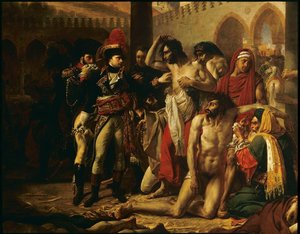
The French Revolution cast a long shadow over Gros’s formative years, disrupting his early artistic pursuits. He briefly left France in 1793, seeking refuge and opportunity in Italy, where he honed his skills through portraiture. However, it was a chance encounter with the rising star of Napoleon Bonaparte that irrevocably altered his career path. In 1796, Gros secured a commission to paint Napoleon at the Battle of Arcole—a work that catapulted him to fame and earned the coveted patronage of the ambitious general. This marked the beginning of an extraordinarily fruitful relationship; Gros became Napoleon’s preferred painter, tasked with immortalizing his triumphs on canvas. He accompanied Bonaparte on campaigns, capturing scenes of military prowess and strategic brilliance. Works like *Bonaparte Visiting the Plague Victims of Jaffa* (1804) – though controversial for its romanticized depiction of a grim reality – showcased Gros's ability to blend historical accuracy with dramatic flair. These paintings weren’t merely records of events; they were carefully constructed narratives designed to enhance Napoleon’s image and solidify his power, establishing Gros as a master of propaganda through art. He was appointed painter to Napoleon in 1806 and later granted the title of Baron in 1824, solidifying his position within the imperial hierarchy.Bridging Styles: Neoclassicism Infused with Romantic Fire
Gros’s artistic style is often described as a bridge between Neoclassicism and Romanticism. While he initially adhered to David's emphasis on precise draftsmanship, clarity of form, and classical subject matter—evident in early works like *The Combat of Nazareth* (an esquisse that won the Prix de Rome)—he gradually infused his paintings with a heightened sense of drama, emotion, and color. He moved away from the cool detachment of Neoclassicism towards a more passionate and expressive approach. This is particularly noticeable in his battle scenes, where he depicted not just the glory of victory but also the suffering and chaos of war. The influence of Venetian masters like Titian and Veronese, with their rich color palettes and dynamic compositions, became increasingly apparent. His portraits, such as *Equestrian Portrait of Prince Boris Yusupov*, demonstrate a remarkable ability to capture both physical likeness and psychological depth. He wasn’t simply painting faces; he was revealing character. This stylistic evolution would profoundly influence subsequent generations of French painters, including Eugène Delacroix and Théodore Géricault, who embraced the emotional intensity and dramatic flair that Gros pioneered.Later Years and Enduring Legacy
Following Napoleon’s downfall, Gros faced a period of artistic uncertainty. The shift in political climate demanded a change in subject matter, and he struggled to adapt. He attempted a return to more traditional historical painting and classical themes, but his heart seemed no longer fully engaged. His atelier became a hub for artistic innovation, attracting aspiring painters eager to learn from his experience. However, plagued by self-doubt and depression, Gros found it increasingly difficult to recapture the acclaim he had enjoyed during the Napoleonic era. He felt caught between the fading ideals of Neoclassicism and the rising tide of Romanticism, unable to fully embrace either movement. In a tragic turn, Antoine-Jean Gros took his own life in 1835, leaving behind a legacy that continues to captivate and inspire. His paintings remain powerful testaments to an era of upheaval and transformation, offering a unique glimpse into the complexities of human ambition, glory, and loss. He left an indelible mark on French art, paving the way for the Romantic movement and influencing countless artists who followed in his footsteps. His work serves as a reminder that even within the constraints of historical commission and political patronage, true artistic vision can flourish and leave an enduring impact on the world.
Antoine-Jean Gros
1771 - 1835 , France
Quick Facts
- Artistic Movement Or Style: Neoclassicism & Romanticism
- Artists Or Movements Influenced By This Artist:
- Delacroix
- Géricault
- Artists Who Influenced This Artist: ['Jacques-Louis David']
- Date Of Birth: 1771
- Date Of Death: 1835
- Full Name: Antoine-Jean Gros
- Nationality: French
- Notable Artworks:
- Battle of Arcole
- Sappho à Leucate
- Equestrian Portrait
- Entrevue d'Austerlitz
- Place Of Birth: Paris, France

