 Preview
 Send
Send Share
Share
 Details

 Download
 Similars
 X-Ray
X-Ray Diaporama
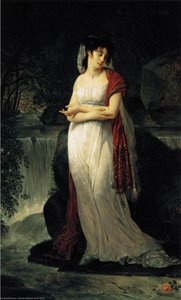
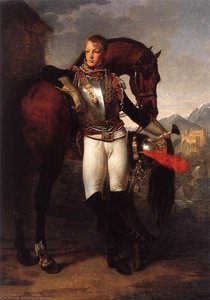
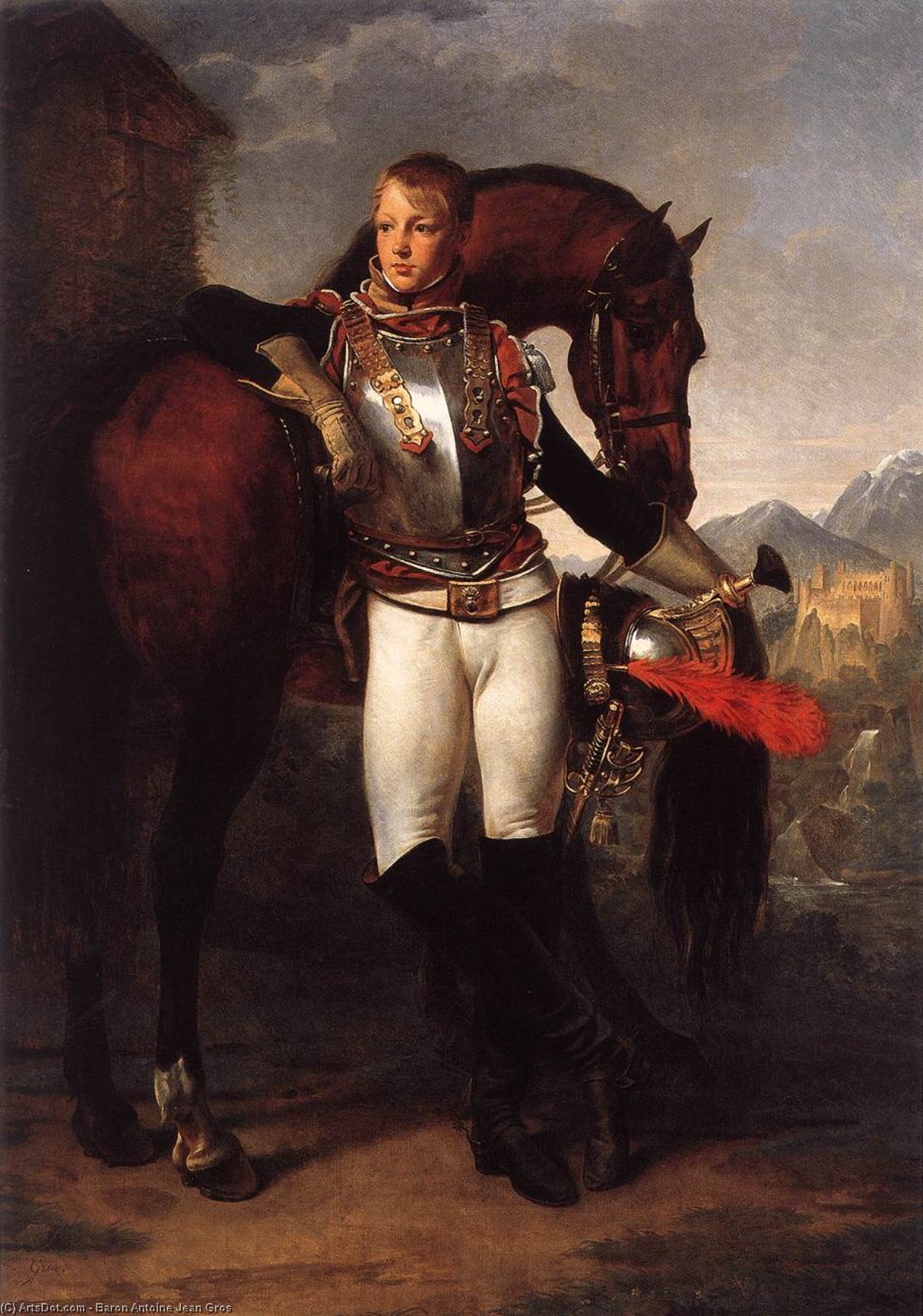
Portrait of the Second Lieutenant Charles Legrand
 Oil On Canvas
- WallArt
- Neoclassical/Romantic
 1810
1810 249.0 x 162.0 cm
 Los Angeles County Museum of Art
 Read More
Hand Made Oil Reproduction
Hand-painted oil on canvas in your size and frame, made to order by our artists. ( Buy Print Buy Image)




P118B $10

P118H $10

P118W $10

P438Z $10

P508JH $12

P508YH $12

P805H $10

P805Z $10

P919BZ $10

P919G $10

P919XJ $10

P959ZH $10

P968JZ $12

W106C $8

W218G $10

W218JH $8

W218Y $10

W307PJ $10

W316G $10

W316PJ $8

W316Y $10

W398PJ $8

W4111J $10

W500HY $15

W500JH $15

W692G $12

W849H $8

W940BG $15

W953PJ $8




Pick from our preset sizes that match the artwork's original proportions.

You may enter your own dimensions to fit a specific frame or space. If your selected size does not match the original image's proportions, we will either crop the artwork or extend the painting with additional hand-painted elements. A digital mockup will be sent for your approval before production begins.
Please note that the on-screen preview does not reflect the actual cropping or extension. Only the mockup will accurately show the final composition.
While custom sizes are available, we recommend selecting a dimension from the predefined list to preserve the original proportions.
After order, ArtsDot.com team will email client for instructions and provide a mockup preview
Worldwide Delivery () in 3/4 weeks instead of standard 5 weeks. (16 August). No compromise on quality.

Free Worldwide Express Shipping

High-Quality Linen Canvas

Full Shipping Insurance

Customs Tax Refund Guarantee

True Color Matching Guarantee

60-Day Return Policy (Defects Only)

100% Money-Back Guarantee

Bulk Discount Offer
 Glass option is only available in size under 110 CM

Portrait of the Second Lieutenant Charles Legrand
Reproduction Medium
Reproduction Size
-


Total Price
$ 263
Artwork Description
Portrait of the Second Lieutenant Charles Legrand – A Study in Napoleonic Grandeur
Antoine-Jean Gros’s “Portrait of the Second Lieutenant Charles Legrand” is more than just a likeness; it's a meticulously crafted window into the heart of the Napoleonic era. Painted in 1810, this oil on canvas captures not merely a young officer, but an embodiment of ambition, duty, and the burgeoning romanticism that defined France’s imperial moment. The painting immediately draws the eye with its dynamic composition – Legrand stands poised beside his horse, a subtle suggestion of movement and readiness hinting at the military life he is destined to lead. Gros masterfully employs chiaroscuro, utilizing dramatic contrasts between light and shadow to sculpt Legrand's form and imbue the scene with an almost theatrical intensity.
The style leans heavily into Neoclassicism, a movement that sought inspiration from the art of ancient Greece and Rome. However, Gros subtly pushes beyond rigid formality, injecting elements of Romanticism – particularly in the portrayal of Legrand’s gaze and the overall atmosphere of restrained emotion. The officer's expression is not one of boisterous pride, but rather a quiet determination, a hint of melancholy perhaps, reflecting the sacrifices inherent in military service. Notice how Gros renders the textures: the polished gleam of the horse’s harness, the crisp fabric of Legrand’s uniform, and the subtle folds of his jacket all speak to the artist's meticulous attention to detail.
The Context of Empire – A Nation Forged in Battle
To fully appreciate “Portrait of the Second Lieutenant Charles Legrand,” it’s crucial to understand the historical backdrop against which it was created. The early 19th century witnessed the rise and fall of Napoleon Bonaparte, a figure who irrevocably shaped French identity and left an indelible mark on European history. Gros, as a court painter to Napoleon himself, became intimately involved in documenting this extraordinary era. His work served not only as propaganda – glorifying military victories and reinforcing the emperor’s image – but also as a reflection of the societal values and aspirations of the time. The painting embodies the ideals of patriotism, honor, and service to the nation, all central tenets of Napoleon's regime.
The choice of Legrand, a young officer on the cusp of his career, is significant. He represents the future of France – a generation raised under the banner of the Empire, ready to defend its borders and uphold its ideals. Gros’s decision to depict him alongside his horse further emphasizes this connection between man and duty, highlighting the military prowess and horsemanship that were highly valued in the Napoleonic army.
Symbolism and Emotional Resonance
Beyond its historical context, “Portrait of the Second Lieutenant Charles Legrand” is rich with symbolic meaning. The horse itself represents power, nobility, and the connection between man and nature – a potent combination reflecting the values of the era. The positioning of Legrand and his mount suggests a readiness for action, a willingness to embrace the challenges that lie ahead. Furthermore, the subdued palette—dominated by browns, grays, and subtle blues—contributes to the painting’s overall mood of quiet contemplation and restrained emotion.
Gros skillfully uses light to draw attention to Legrand's face, emphasizing his youth and determination. The slight tilt of his head, the directness of his gaze, all convey a sense of confidence and resolve. The painting doesn’t shout its message; instead, it invites the viewer to contemplate the complexities of duty, honor, and the human condition within the context of a transformative historical moment.
A Legacy in Reproduction – Bringing History Home
Today, reproductions of “Portrait of the Second Lieutenant Charles Legrand” offer art enthusiasts and collectors alike an opportunity to experience the grandeur and emotional depth of Gros’s masterpiece. Whether displayed in a formal study or a contemporary living space, this painting serves as a powerful reminder of France's imperial past and the enduring legacy of Napoleon Bonaparte. Its meticulous detail, evocative composition, and subtle symbolism continue to captivate viewers centuries after its creation.
Consider commissioning a hand-painted reproduction from ArtsDot.com – a faithful recreation that captures the essence of Gros’s original while offering a unique piece of art for your home or office. It's a way to bring a touch of Napoleonic history and artistic brilliance into your world.
Related Artworks
![[reproduction Of Napoleon On The Battlefield Of Eylau By Antoine-jean Gros] — Antoine-jean Gros, Romanticism](/media/artworks/images/thumbnails/21/5f/215f5a2e7799405c843b06696f167189.jpg)
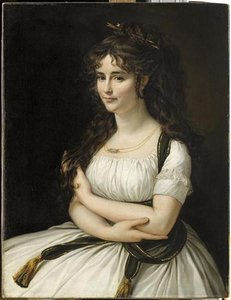
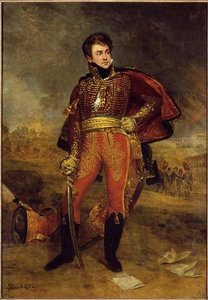
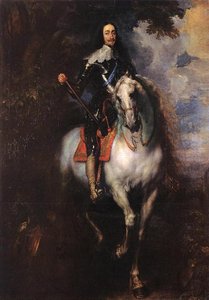
Artist Biography
A Brush with Empire: The Life and Art of Antoine-Jean Gros
Antoine-Jean Gros, a name resonating with the grandeur and turbulence of Napoleonic France, occupies a fascinating space in art history—poised between the cool rationality of Neoclassicism and the burgeoning emotional intensity of Romanticism. Born in Paris in 1771, his artistic destiny seemed preordained. Both parents were practitioners of the visual arts; his mother, Pierrette-Madeleine-Cécile Durand, a skilled pastel artist, and his father, Jean-Antoine Gros, a meticulous miniature painter and avid collector. This familial immersion instilled within young Antoine an early appreciation for form, color, and the power of artistic expression. He began drawing at the tender age of six, demonstrating a natural aptitude that would soon lead him to the studio of Jacques-Louis David in 1785—a pivotal moment shaping his future trajectory. David, the leading Neoclassical painter of the era, instilled discipline and a reverence for classical ideals, yet Gros possessed an inherent temperament that yearned for something beyond rigid adherence to established norms.From Revolutionary Turmoil to Napoleonic Glory
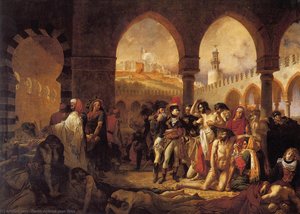
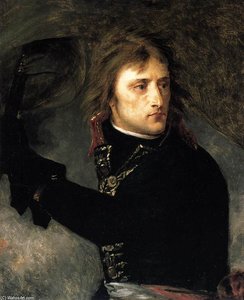
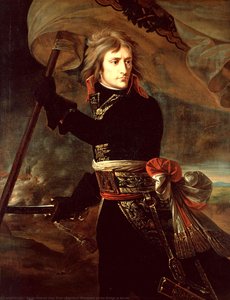
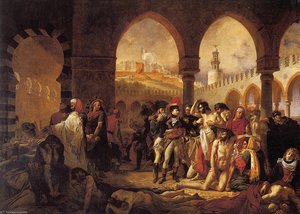
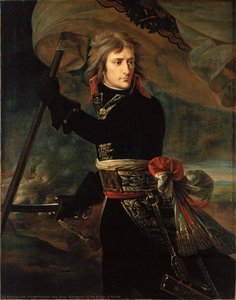
The French Revolution cast a long shadow over Gros’s formative years, disrupting his early artistic pursuits. He briefly left France in 1793, seeking refuge and opportunity in Italy, where he honed his skills through portraiture. However, it was a chance encounter with the rising star of Napoleon Bonaparte that irrevocably altered his career path. In 1796, Gros secured a commission to paint Napoleon at the Battle of Arcole—a work that catapulted him to fame and earned the coveted patronage of the ambitious general. This marked the beginning of an extraordinarily fruitful relationship; Gros became Napoleon’s preferred painter, tasked with immortalizing his triumphs on canvas. He accompanied Bonaparte on campaigns, capturing scenes of military prowess and strategic brilliance. Works like *Bonaparte Visiting the Plague Victims of Jaffa* (1804) – though controversial for its romanticized depiction of a grim reality – showcased Gros's ability to blend historical accuracy with dramatic flair. These paintings weren’t merely records of events; they were carefully constructed narratives designed to enhance Napoleon’s image and solidify his power, establishing Gros as a master of propaganda through art. He was appointed painter to Napoleon in 1806 and later granted the title of Baron in 1824, solidifying his position within the imperial hierarchy.Bridging Styles: Neoclassicism Infused with Romantic Fire
Gros’s artistic style is often described as a bridge between Neoclassicism and Romanticism. While he initially adhered to David's emphasis on precise draftsmanship, clarity of form, and classical subject matter—evident in early works like *The Combat of Nazareth* (an esquisse that won the Prix de Rome)—he gradually infused his paintings with a heightened sense of drama, emotion, and color. He moved away from the cool detachment of Neoclassicism towards a more passionate and expressive approach. This is particularly noticeable in his battle scenes, where he depicted not just the glory of victory but also the suffering and chaos of war. The influence of Venetian masters like Titian and Veronese, with their rich color palettes and dynamic compositions, became increasingly apparent. His portraits, such as *Equestrian Portrait of Prince Boris Yusupov*, demonstrate a remarkable ability to capture both physical likeness and psychological depth. He wasn’t simply painting faces; he was revealing character. This stylistic evolution would profoundly influence subsequent generations of French painters, including Eugène Delacroix and Théodore Géricault, who embraced the emotional intensity and dramatic flair that Gros pioneered.Later Years and Enduring Legacy
Following Napoleon’s downfall, Gros faced a period of artistic uncertainty. The shift in political climate demanded a change in subject matter, and he struggled to adapt. He attempted a return to more traditional historical painting and classical themes, but his heart seemed no longer fully engaged. His atelier became a hub for artistic innovation, attracting aspiring painters eager to learn from his experience. However, plagued by self-doubt and depression, Gros found it increasingly difficult to recapture the acclaim he had enjoyed during the Napoleonic era. He felt caught between the fading ideals of Neoclassicism and the rising tide of Romanticism, unable to fully embrace either movement. In a tragic turn, Antoine-Jean Gros took his own life in 1835, leaving behind a legacy that continues to captivate and inspire. His paintings remain powerful testaments to an era of upheaval and transformation, offering a unique glimpse into the complexities of human ambition, glory, and loss. He left an indelible mark on French art, paving the way for the Romantic movement and influencing countless artists who followed in his footsteps. His work serves as a reminder that even within the constraints of historical commission and political patronage, true artistic vision can flourish and leave an enduring impact on the world.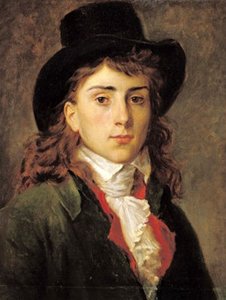
Antoine-Jean Gros
1771 - 1835 , France
Quick Facts
- Artistic Movement Or Style: Neoclassicism & Romanticism
- Artists Or Movements Influenced By This Artist:
- Delacroix
- Géricault
- Artists Who Influenced This Artist: ['Jacques-Louis David']
- Date Of Birth: 1771
- Date Of Death: 1835
- Full Name: Antoine-Jean Gros
- Nationality: French
- Notable Artworks:
- Battle of Arcole
- Sappho à Leucate
- Equestrian Portrait
- Entrevue d'Austerlitz
- Place Of Birth: Paris, France
Related Articles
The Fête Galante & Beyond: Exploring the Artistic World of Jean-Antoine Watteau
Discover the captivating world of Jean-Antoine Watteau, master of the Fête Galante! Explore his iconic paintings, symbolism, and lasting influence on Rococo art. A deep dive for classic art enthusiasts.
Émile Jean Horace Vernet: Romantic Realism & Depicting 19th-Century Life
Explore the life & art of Émile Jean Horace Vernet, a master of Romantic Realism. Discover his captivating battle scenes, portraits, and Orientalist works – a window into 19th-century France. Learn about his techniques & enduring legacy.
Jean-Louis Ernest Meissonier: Realism, Historical Narrative & Artistic Perfection
Explore the world of Jean-Louis Ernest Meissonier, a master of French Realism renowned for his meticulously detailed historical & military scenes. Discover his iconic artworks and lasting legacy.
Charles-André van Loo: A Study in Rococo Portraiture & the French Court's Artistic Dynamics
Explore the elegant world of Charles-André van Loo, a master of Rococo portraiture at the French court. Discover his life, techniques, and enduring influence on 18th-century art. Hand-painted reproductions available.
Jean-Baptiste Pater: Rococo Charm & Ephemeral Beauty of 18th-Century France
Explore the captivating world of Jean-Baptiste Pater, a master of Rococo painting. Discover his elegant *fête galante* scenes and shimmering portraits – a glimpse into 18th-century French aristocracy. Learn about his legacy & find high-quality reproductions.