 Preview
 Send
Send Share
Share
 Details

 Download
 Similars
 X-Ray
X-Ray Diaporama
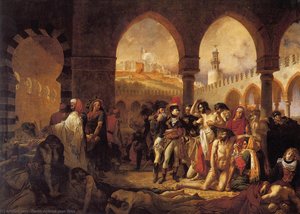
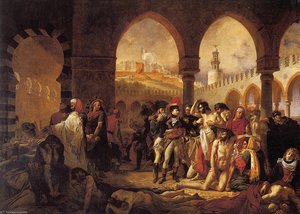
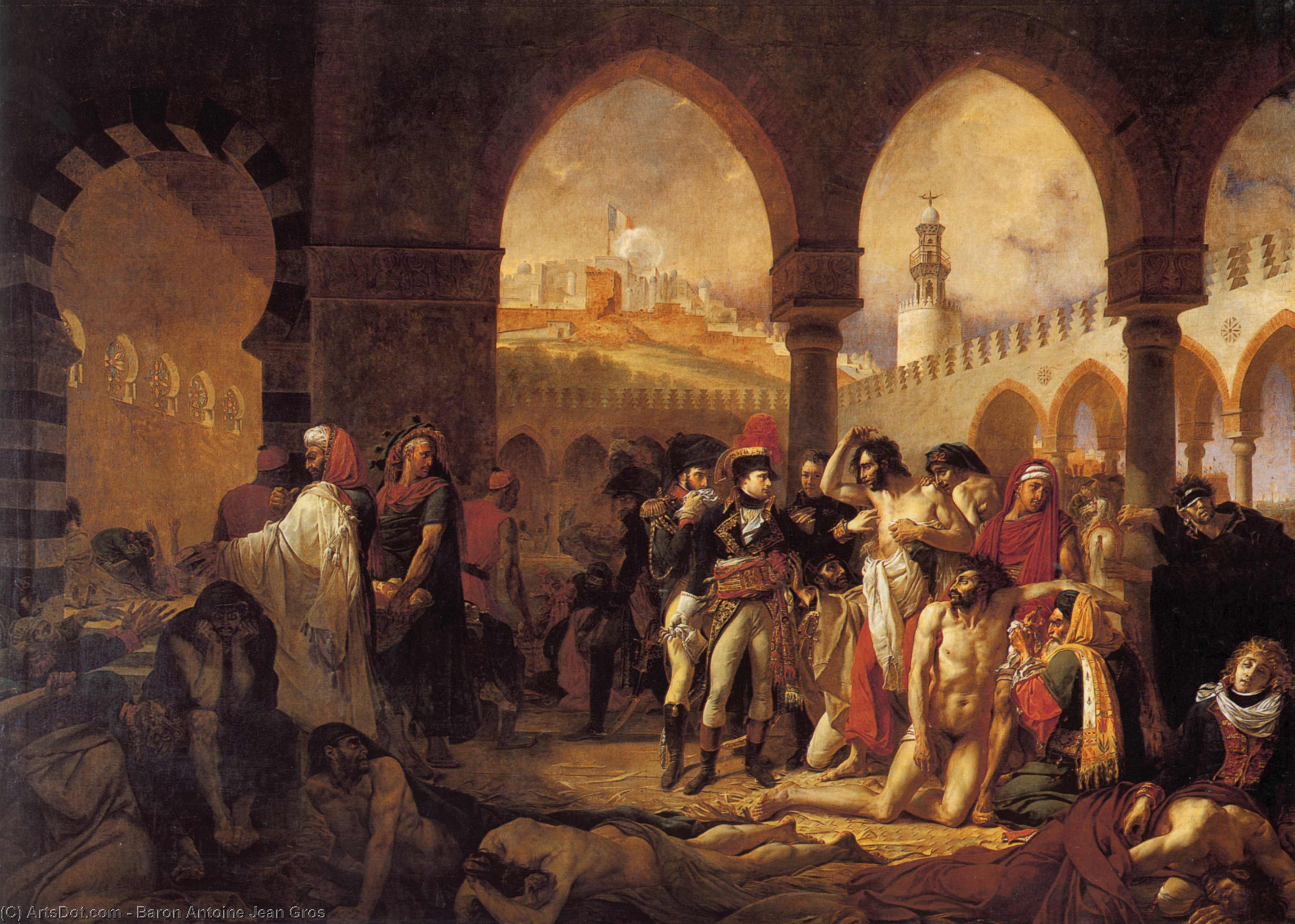
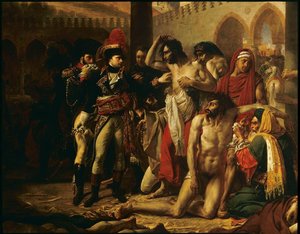
Napoleon Bonaparte Visiting the Plague-stricken at Jaffa
 Acrylic On Canvas
- WallArt
- Neoclassical Romanticism
 1799
1799 523.0 x 715.0 cm
 The Louvre
 Read More
Hand Made Oil Reproduction
Hand-painted oil on canvas in your size and frame, made to order by our artists. ( Buy Print Buy Image)




P118B $10

P118H $10

P118W $10

P438Z $10

P508JH $12

P508YH $12

P805H $10

P805Z $10

P919BZ $10

P919G $10

P919XJ $10

P959ZH $10

P968JZ $12

W106C $8

W218G $10

W218JH $8

W218Y $10

W307PJ $10

W316G $10

W316PJ $8

W316Y $10

W398PJ $8

W4111J $10

W500HY $15

W500JH $15

W692G $12

W849H $8

W940BG $15

W953PJ $8




Pick from our preset sizes that match the artwork's original proportions.

You may enter your own dimensions to fit a specific frame or space. If your selected size does not match the original image's proportions, we will either crop the artwork or extend the painting with additional hand-painted elements. A digital mockup will be sent for your approval before production begins.
Please note that the on-screen preview does not reflect the actual cropping or extension. Only the mockup will accurately show the final composition.
While custom sizes are available, we recommend selecting a dimension from the predefined list to preserve the original proportions.
After order, ArtsDot.com team will email client for instructions and provide a mockup preview
Worldwide Delivery () in 3/4 weeks instead of standard 5 weeks. (16 August). No compromise on quality.

Free Worldwide Express Shipping

High-Quality Linen Canvas

Full Shipping Insurance

Customs Tax Refund Guarantee

True Color Matching Guarantee

60-Day Return Policy (Defects Only)

100% Money-Back Guarantee

Bulk Discount Offer
 Glass option is only available in size under 110 CM

Napoleon Bonaparte Visiting the Plague-stricken at Jaffa
Reproduction Medium
Reproduction Size
-


Total Price
$ 263
Artwork Description
A Masterstroke of Propaganda: Antoine-Jean Gros’s “Bonaparte Visiting the Plague Victims of Jaffa”
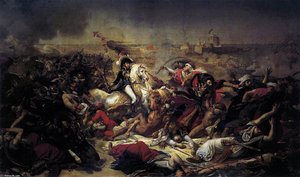
Antoine-Jean Gros's "Bonaparte Visiting the Plague Victims of Jaffa" isn’t merely a historical painting; it’s a carefully constructed narrative, a potent symbol of Napoleonic ambition and a masterful exercise in 19th-century propaganda. Completed in 1804, this monumental canvas—measuring an impressive 523 x 715 cm—captures a pivotal moment during Napoleon's Egyptian campaign, transforming a potentially damaging rumour into a carefully orchestrated display of imperial benevolence and divine authority. The scene unfolds within the courtyard of the Armenian Saint Nicholas Monastery in Jaffa, a strategically chosen location imbued with religious significance, immediately elevating Bonaparte’s actions to something beyond the mundane.
Gros, a student of the celebrated Jacques-Louis David, skillfully blends elements of Neoclassicism—evident in the structured composition and idealized figures—with burgeoning Romantic sensibilities. The painting's dramatic lighting, reminiscent of Caravaggio, draws our eye directly to Napoleon’s central gesture: he reaches out to touch the armpit bubo of a sick soldier, seemingly dismissing the disease with his very presence. This isn’t simply an act of compassion; it’s a deliberate attempt to rewrite history and bolster Napoleon's image as a protector, a leader capable of overcoming adversity – even death itself. The red-clad figures amongst the throng are likely officers or dignitaries, subtly reinforcing the painting’s message of imperial power and influence.
The Shadow of Plague and the Need for Mythmaking
The historical context surrounding this work is profoundly unsettling. Napoleon's forces had recently captured Jaffa after a brutal siege, and reports quickly surfaced that he had ordered the mass poisoning of plague victims to quell rumors of French atrocities. This scandalous episode threatened to undermine his carefully cultivated image as a conquering hero and a champion of civilization. Gros’s commission was thus driven by a desperate need to control the narrative – to preemptively discredit any negative publicity and solidify Napoleon's legitimacy in the eyes of both his troops and the wider public.
The painting cleverly utilizes visual cues to achieve this effect. The smoke billowing from the distant city walls, the presence of a broken tower bearing the French flag, and the stark contrast between the vibrant colors of the figures and the muted tones of the plague-stricken create an atmosphere of both drama and urgency. Notably, the composition borrows heavily from Jacques-Louis David’s “Oath of the Horatii,” employing a similar three-tiered arrangement to emphasize the importance of the central action – Napoleon's touch. This deliberate allusion elevates the scene beyond a simple depiction of charity; it positions Bonaparte within a lineage of heroic figures who wielded power and influence through divine grace.
Symbolism, Technique, and the Romantic Echo
Gros’s technical skill is undeniable. He masterfully employs chiaroscuro—the dramatic contrast between light and shadow—to sculpt the figures and create a sense of depth and realism. The meticulous detail in rendering the clothing, the textures of the skin, and the expressions on the faces all contribute to the painting's immersive quality. However, it’s the symbolic weight of the scene that truly elevates “Bonaparte Visiting the Plague Victims of Jaffa.”
The inclusion of a blind man reaching for Napoleon’s hand adds another layer of meaning – suggesting that even those most vulnerable are touched by the Emperor's grace. The presence of an Arab doctor attending to a patient underscores the painting’s attempt to portray a benevolent and inclusive empire, one that extends its protection beyond its own borders. While rooted in Neoclassical principles, the work anticipates the emotional intensity of Romanticism – capturing not just a historical event but also the complex emotions surrounding it: fear, suffering, hope, and the enduring power of leadership.
As Dr. Beth Harris notes on Smarthistory, “Napoleon masterfully manipulated his image, and this painting meant for Parisian audiences is pure propaganda.” This powerful work offers a fascinating glimpse into the political machinations of the Napoleonic era and remains a testament to Gros’s artistic skill and his role in shaping one of history's most iconic figures.
Related Artworks
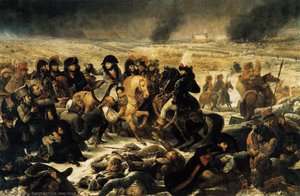
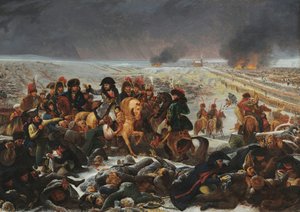
![[reproduction Of Napoleon On The Battlefield Of Eylau By Antoine-jean Gros] — Antoine-jean Gros, Romanticism](/media/artworks/images/thumbnails/21/5f/215f5a2e7799405c843b06696f167189.jpg)
Artist Biography
A Brush with Empire: The Life and Art of Antoine-Jean Gros
Antoine-Jean Gros, a name resonating with the grandeur and turbulence of Napoleonic France, occupies a fascinating space in art history—poised between the cool rationality of Neoclassicism and the burgeoning emotional intensity of Romanticism. Born in Paris in 1771, his artistic destiny seemed preordained. Both parents were practitioners of the visual arts; his mother, Pierrette-Madeleine-Cécile Durand, a skilled pastel artist, and his father, Jean-Antoine Gros, a meticulous miniature painter and avid collector. This familial immersion instilled within young Antoine an early appreciation for form, color, and the power of artistic expression. He began drawing at the tender age of six, demonstrating a natural aptitude that would soon lead him to the studio of Jacques-Louis David in 1785—a pivotal moment shaping his future trajectory. David, the leading Neoclassical painter of the era, instilled discipline and a reverence for classical ideals, yet Gros possessed an inherent temperament that yearned for something beyond rigid adherence to established norms.From Revolutionary Turmoil to Napoleonic Glory
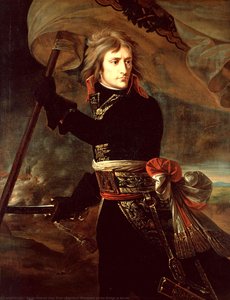
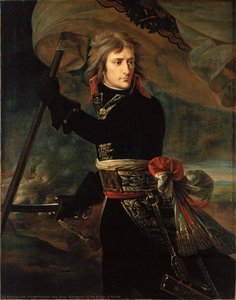
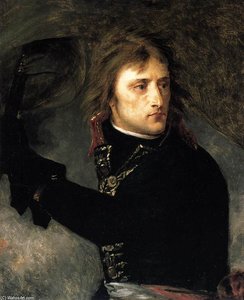
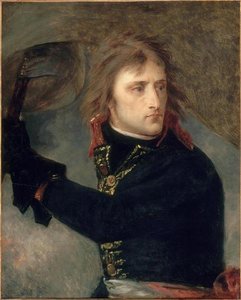
The French Revolution cast a long shadow over Gros’s formative years, disrupting his early artistic pursuits. He briefly left France in 1793, seeking refuge and opportunity in Italy, where he honed his skills through portraiture. However, it was a chance encounter with the rising star of Napoleon Bonaparte that irrevocably altered his career path. In 1796, Gros secured a commission to paint Napoleon at the Battle of Arcole—a work that catapulted him to fame and earned the coveted patronage of the ambitious general. This marked the beginning of an extraordinarily fruitful relationship; Gros became Napoleon’s preferred painter, tasked with immortalizing his triumphs on canvas. He accompanied Bonaparte on campaigns, capturing scenes of military prowess and strategic brilliance. Works like *Bonaparte Visiting the Plague Victims of Jaffa* (1804) – though controversial for its romanticized depiction of a grim reality – showcased Gros's ability to blend historical accuracy with dramatic flair. These paintings weren’t merely records of events; they were carefully constructed narratives designed to enhance Napoleon’s image and solidify his power, establishing Gros as a master of propaganda through art. He was appointed painter to Napoleon in 1806 and later granted the title of Baron in 1824, solidifying his position within the imperial hierarchy.Bridging Styles: Neoclassicism Infused with Romantic Fire
Gros’s artistic style is often described as a bridge between Neoclassicism and Romanticism. While he initially adhered to David's emphasis on precise draftsmanship, clarity of form, and classical subject matter—evident in early works like *The Combat of Nazareth* (an esquisse that won the Prix de Rome)—he gradually infused his paintings with a heightened sense of drama, emotion, and color. He moved away from the cool detachment of Neoclassicism towards a more passionate and expressive approach. This is particularly noticeable in his battle scenes, where he depicted not just the glory of victory but also the suffering and chaos of war. The influence of Venetian masters like Titian and Veronese, with their rich color palettes and dynamic compositions, became increasingly apparent. His portraits, such as *Equestrian Portrait of Prince Boris Yusupov*, demonstrate a remarkable ability to capture both physical likeness and psychological depth. He wasn’t simply painting faces; he was revealing character. This stylistic evolution would profoundly influence subsequent generations of French painters, including Eugène Delacroix and Théodore Géricault, who embraced the emotional intensity and dramatic flair that Gros pioneered.Later Years and Enduring Legacy
Following Napoleon’s downfall, Gros faced a period of artistic uncertainty. The shift in political climate demanded a change in subject matter, and he struggled to adapt. He attempted a return to more traditional historical painting and classical themes, but his heart seemed no longer fully engaged. His atelier became a hub for artistic innovation, attracting aspiring painters eager to learn from his experience. However, plagued by self-doubt and depression, Gros found it increasingly difficult to recapture the acclaim he had enjoyed during the Napoleonic era. He felt caught between the fading ideals of Neoclassicism and the rising tide of Romanticism, unable to fully embrace either movement. In a tragic turn, Antoine-Jean Gros took his own life in 1835, leaving behind a legacy that continues to captivate and inspire. His paintings remain powerful testaments to an era of upheaval and transformation, offering a unique glimpse into the complexities of human ambition, glory, and loss. He left an indelible mark on French art, paving the way for the Romantic movement and influencing countless artists who followed in his footsteps. His work serves as a reminder that even within the constraints of historical commission and political patronage, true artistic vision can flourish and leave an enduring impact on the world.
Antoine-Jean Gros
1771 - 1835 , France
Quick Facts
- Artistic Movement Or Style: Neoclassicism & Romanticism
- Artists Or Movements Influenced By This Artist:
- Delacroix
- Géricault
- Artists Who Influenced This Artist: ['Jacques-Louis David']
- Date Of Birth: 1771
- Date Of Death: 1835
- Full Name: Antoine-Jean Gros
- Nationality: French
- Notable Artworks:
- Battle of Arcole
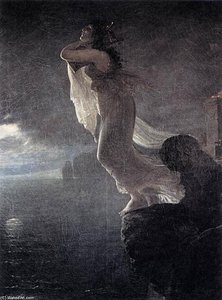
- Sappho à Leucate
- Equestrian Portrait
- Entrevue d'Austerlitz
- Place Of Birth: Paris, France
Related Articles
The Alluring Gaze: Orientalism in 19th-Century Art – Representation, Reception & Construction of the 'Orient'
Explore the complex history of Orientalism in 19th-century art. Discover how Western artists depicted the 'Orient,' its cultural impact, and Edward Said's critical analysis. A deep dive for art lovers & historians.
Thomas Butterworth (1768–1842): Navigating the Aesthetics of British Marine Painting
Explore the captivating maritime art of Thomas Butterworth (1768–1842). Discover his stunning depictions of Napoleonic naval battles and life at sea, commissioned works for the East India Company, and enduring legacy. Learn more today!