 Preview
 Send
Send Share
Share
 Details

 Download
 Similars
 X-Ray
X-Ray Diaporama
 Stats
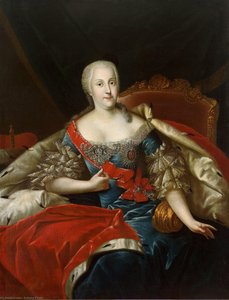
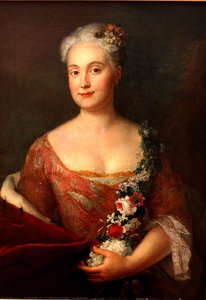
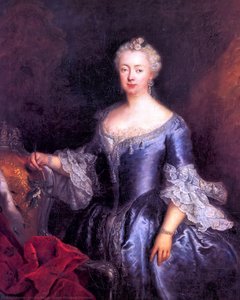
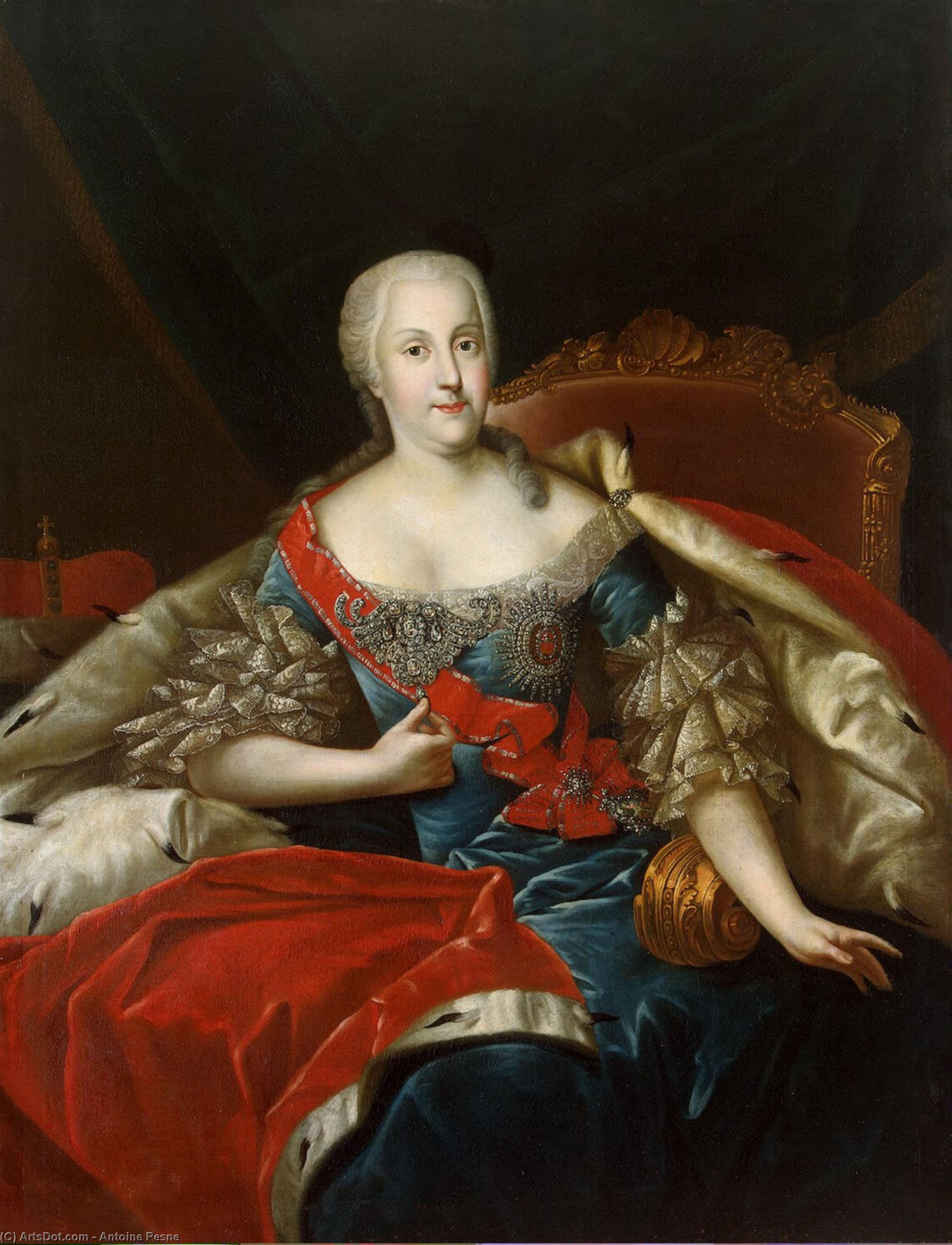
StatsPortrait of Johanna Elisabeth, Princess of Anhalt-Zerbst
 Oil On Canvas
- WallArt
- Rococo
 1746
1746 143.0 x 110.0 cm
 Hermitage Museum
 Read More
Hand Made Oil Reproduction
Hand-painted oil on canvas in your size and frame, made to order by our artists. ( Switch to Print Switch to Digital Image)




P118B $10

P118H $10

P118W $10

P438Z $10

P508JH $12

P508YH $12

P805H $10

P805Z $10

P919BZ $10

P919G $10

P919XJ $10

P959ZH $10

P968JZ $12

W106C $8

W218G $10

W218JH $8

W218Y $10

W307PJ $10

W316G $10

W316PJ $8

W316Y $10

W398PJ $8

W4111J $10

W500HY $15

W500JH $15

W692G $12

W849H $8

W940BG $15

W953PJ $8




Pick from our preset sizes that match the artwork's original proportions.

You may enter your own dimensions to fit a specific frame or space. If your selected size does not match the original image's proportions, we will either crop the artwork or extend the painting with additional hand-painted elements. A digital mockup will be sent for your approval before production begins.
Please note that the on-screen preview does not reflect the actual cropping or extension. Only the mockup will accurately show the final composition.
While custom sizes are available, we recommend selecting a dimension from the predefined list to preserve the original proportions.
After order, ArtsDot.com team will email client for instructions and provide a mockup preview
Worldwide Delivery () in 3/4 weeks instead of standard 5 weeks. (9 September). No compromise on quality.

Free Worldwide Express Shipping

High-Quality Linen Canvas

Full Shipping Insurance

Customs Tax Refund Guarantee

True Color Matching Guarantee

100-Day Return Policy (Defects Only)

100% Money-Back Guarantee

Bulk Discount Offer
 Glass option is only available in size under 110 CM

Portrait of Johanna Elisabeth, Princess of Anhalt-Zerbst
Reproduction Medium
Reproduction Size
-


Total Price
$ 263
A Glimpse into Royal Grace: Antoine Pesne’s Portrait of a Prussian Princess
Antoine Pesne's “Portrait of Johanna Elisabeth, Princess of Anhalt-Zerbst” is more than just a painted likeness; it’s a carefully constructed tableau of power, grace, and the subtle anxieties of a woman navigating the intricate world of 18th-century European aristocracy. Completed in 1746, this remarkable work offers a captivating window into the life of a princess – not merely as a royal figurehead, but as an individual grappling with expectations, duty, and personal desires.
Pesne, a pivotal figure bridging the Baroque and Rococo styles, expertly captures Johanna Elisabeth’s poised demeanor. The painting is executed in the refined style characteristic of his work, blending the formality of earlier portraiture with the burgeoning playfulness of the Rococo era. Notice the delicate handling of fabrics – the rich velvet of her dress, the shimmering silk of her bodice – rendered with a masterful understanding of light and shadow that elevates the textures to life. The subtle blush on her cheeks, the gentle curve of her lips, all speak volumes about her inner state, hinting at both composure and perhaps a touch of wistful contemplation.
The Context of Power: Anhalt-Zerbst in the Shadow of Prussia
To fully appreciate this portrait, one must understand its historical context. Johanna Elisabeth was the daughter of Prince Christian August of Holstein-Gottorp, a key figure in the Prussian military and political landscape. Her marriage to his son, Christian August, brought Anhalt-Zerbst into the orbit of Prussia’s burgeoning power under Frederick II. The principality itself was a relatively minor state, yet its strategic location and the ambitions of its rulers meant that Johanna Elisabeth found herself caught between the demands of her husband's military career and the expectations of royal court life.
The painting reflects this duality. While she is presented as a dignified princess – evidenced by the crown adorning her head and the ribbon signifying her rank – there’s an underlying sense of restraint, a subtle suggestion that she is merely fulfilling her role within a larger political game. The carefully chosen setting—a simple chair against a curtained backdrop—emphasizes her position as a subject, rather than a participant in the grand drama unfolding around her.
Symbolism and the Language of Portraiture
Pesne employs several visual cues to convey meaning beyond mere representation. The red ribbon around Johanna Elisabeth’s neck is a clear symbol of her status and rank, while the placement of her hand on her chest—a gesture reminiscent of classical sculpture—conveys both dignity and vulnerability. The inclusion of two figures in the background – one standing and another partially visible – adds layers of narrative complexity, perhaps hinting at the social circles she navigated or the responsibilities she bore.
Notably, the painting’s composition draws heavily on established conventions of portraiture during this period. The three-quarter pose, a popular choice for depicting royalty, allows Pesne to showcase Johanna Elisabeth's features in detail while maintaining a sense of formality and grandeur. The use of light and shadow—a technique known as chiaroscuro—creates depth and drama, drawing the viewer’s eye to her face and highlighting her regal bearing.
A Legacy of Rococo Elegance
“Portrait of Johanna Elisabeth, Princess of Anhalt-Zerbst” stands as a testament to Antoine Pesne's skill and his ability to capture the essence of his subject. It’s a painting that invites contemplation, prompting us to consider not only the outward appearance of a royal figure but also the hidden complexities of her life and times. Today, reproductions of this captivating portrait continue to resonate with art lovers, offering a glimpse into a bygone era of European aristocracy and the enduring power of visual storytelling.
Related Artworks



Artist Biography
From Parisian Beginnings to Prussian Court Painter
Antoine Pesne, born in Paris on May 29th, 1683, emerged from a family steeped in artistic tradition – his father and uncle both served as his initial mentors. This early grounding laid the foundation for a career that would see him become one of the most significant figures in transitioning European art from the grandeur of the Baroque to the delicate elegance of the Rococo. Pesne’s formal training continued at the Académie Royale, where he received a stipend from 1704 to 1710, allowing him to hone his skills and immerse himself in the Italian artistic landscape. This period proved crucial, shaping not only his technique but also his aesthetic sensibilities. It was during this time that his talent caught the eye of King Frederick I of Prussia, who summoned Pesne to Berlin in 1710 after admiring a portrait the artist had completed in Venice. The commission: a self-portrait of the king himself – a testament to Pesne’s burgeoning reputation and skill.A Royal Appointment and Artistic Evolution
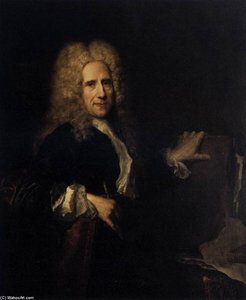
Pesne's arrival in Prussia marked a turning point, not just for his career but also for the artistic direction of the court. Following Frederick I’s death in 1713, Pesne broadened his horizons, working in Dresden and Dessau before returning to Paris where he was elected as a full member of the Académie Royale in 1720. This recognition solidified his standing within the European art world. A particularly noteworthy portrait from this period is that of Pierre-Jean Mariette, a prominent collector whose extensive network proved invaluable for Pesne’s continued success and exposure. However, it was his second call to Prussian service, beginning in 1722 under Crown Prince Frederick (later Frederick the Great), that truly cemented his legacy. While Frederick William I, the soldier king, prioritized military matters over artistic pursuits, he nonetheless recognized Pesne's talent and appointed him director of the Berlin Academy of Arts – a position that allowed Pesne to shape the next generation of Prussian artists. This appointment also signaled a shift in focus for Pesne; he became increasingly renowned for his portraits of the Prussian royal family and their inner circle, capturing not just likenesses but also the personalities and power dynamics within the court.Master of Portraiture: Style and Technique
Pesne’s artistic style is characterized by a remarkable ability to blend formality with intimacy. Initially rooted in Baroque conventions – evident in his early works through dramatic lighting and opulent detail – he gradually embraced the lighter, more playful aesthetic of the Rococo. His portraits are not merely representations; they are carefully constructed narratives that reveal much about the sitter’s status, character, and aspirations. He possessed a masterful command of color and texture, rendering fabrics with exquisite realism and capturing subtle nuances in facial expressions. His technique involved meticulous layering of paint, creating a sense of depth and luminosity that brought his subjects to life. While he adhered to the conventions of court portraiture – emphasizing wealth, power, and social standing – Pesne also infused his work with a degree of psychological insight, making his portraits particularly compelling. He was adept at conveying both authority and vulnerability, creating images that were simultaneously imposing and relatable.Legacy and Historical Significance
Antoine Pesne’s influence extended far beyond the walls of the Prussian court. His work represents a crucial link between the French school of painting and the emerging Frederician Rococo style, shaping the artistic landscape of 18th-century Germany. Among his most celebrated achievements is his portrait of Frederick William I, the “Soldier King” (1733), which captures the ruler’s stern demeanor and unwavering dedication to military discipline. Numerous other portraits – including those of Frederick I and members of their families – adorn the walls of Berlin museums and Charlottenburg Palace, offering a fascinating glimpse into the lives of the Prussian aristocracy. Beyond his royal commissions, Pesne also left a lasting mark on religious art with his portrait of Gisela Agnes, Princess of Anhalt-Köthen, painted for St. Agnus Church in Köthen (1713). His role as director of the Berlin Academy ensured that his artistic principles were passed down to subsequent generations of artists, solidifying his position as a pivotal figure in Prussian art history. Pesne’s ability to adapt and evolve with changing aesthetic trends, combined with his technical mastery and psychological insight, continues to resonate today, making him a truly significant artist whose work deserves continued study and appreciation.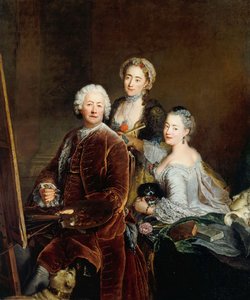
antoine pesne
1683 - 1757 , France
Quick Facts
- Artistic Movement Or Style: Rococo
- Artists Or Movements Influenced By This Artist: Frederican Rococo style
- Artists Who Influenced This Artist:
- His father
- His uncle
- Date Of Birth: May 29, 1683
- Date Of Death: August 5, 1757
- Full Name: Antoine Pesne
- Nationality: French
- Notable Artworks:
- Portrait of Frederick William I
- Pierre-Jean Mariette Portrait
- Gisela Agnes Portrait
- Place Of Birth: Paris, France
Related Articles

Baroque Drama: Bringing Opulence & Emotion into Contemporary Interiors
Explore the opulent world of Baroque interior design! Discover key elements, modern applications & how to bring dramatic elegance into your home with ArtsDot.com's authentic reproductions.

The Dramatic Flourish: Exploring the Baroque Movement's Enduring Legacy in Art History
Explore the dramatic world of Baroque art! Discover iconic artists like Caravaggio & Rubens, defining techniques, and its lasting impact on art history. Expert insights for collectors & enthusiasts at ArtsDot.

The Rococo Aesthetic: Opulence, Rebellion & the Pursuit of Pleasure in 18th-Century Art
Explore the opulent world of Rococo art! Discover its origins, key artists like Watteau & Boucher, and lasting influence on design. Expert insights for collectors & enthusiasts.
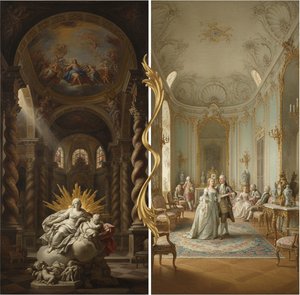
From Grandeur to Grace: Exploring the Evolution of Baroque & Rococo Art
Explore the captivating evolution from Baroque's drama to Rococo's grace! Discover key artists, characteristics & lasting influence of these art movements with expert insights at ArtsDot.

Rococo's Radiant Legacy: 10 Masterpieces for Your Home |
Indulge in the elegance of Rococo! Explore 10 masterpieces by Fragonard, Boucher & Watteau. Discover the stories behind these iconic paintings and bring timeless art to your home with museum-quality reproductions from .