 Preview
 Send
Send Share
Share
 Details

 Download
 Similars
 X-Ray
X-Ray Diaporama
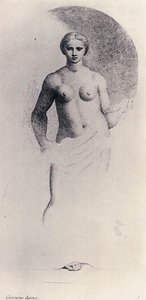
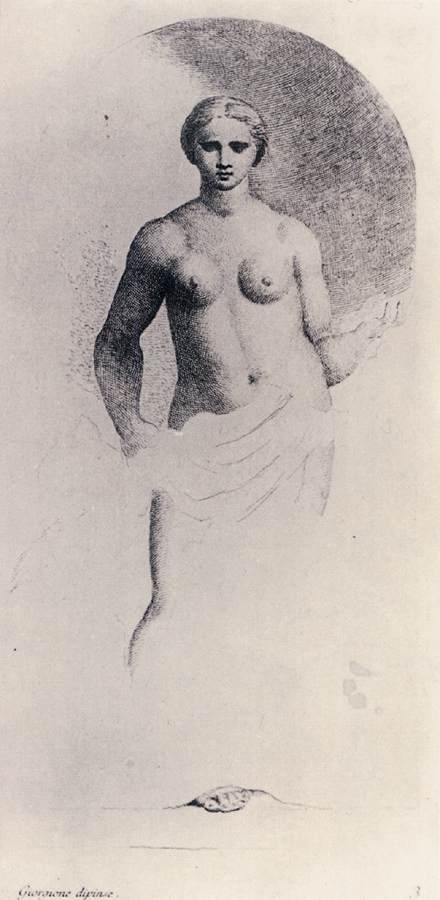
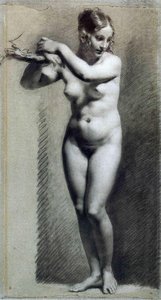
Standing Female Nude
 Acrylic On Canvas
- WallArt
- Neoclassicism
 1760
1760 262.0 x 128.0 cm
 British Museum
 Read More
Giclée / Art Print
Museum-quality giclée or canvas print with fast production and flexible finish options. ( Buy Hand Made Painting Buy Image)




P118B $10

P118H $10

P118W $10

P438Z $10

P508JH $12

P508YH $12

P805H $10

P805Z $10

P919BZ $10

P919G $10

P919XJ $10

P959ZH $10

P968JZ $12

W106C $8

W218G $10

W218JH $8

W218Y $10

W307PJ $10

W316G $10

W316PJ $8

W316Y $10

W398PJ $8

W4111J $10

W500HY $15

W500JH $15

W692G $12

W849H $8

W940BG $15

W953PJ $8




Pick from our preset sizes that match the artwork's original proportions.

You may enter your own dimensions to fit a specific frame or space. If your selected size does not match the original image's proportions, we will either crop the artwork or extend the image with a mirrored or solid-fill edge. A digital mockup will be sent for your approval before production begins.
Please note that the on-screen preview does not reflect the actual cropping or extension. Only the mockup will accurately show the final composition.
While custom sizes are available, we recommend selecting a dimension from the predefined list to preserve the original proportions.
Worldwide Delivery () in 2 weeks instead of standard 4/5 weeks. (21 August)

Free Worldwide Express Shipping

High-Quality Linen Canvas

Full Shipping Insurance

Customs Tax Refund Guarantee

True Color Matching Guarantee

60-Day Return Policy (Defects Only)

100% Money-Back Guarantee

Bulk Discount Offer
 Glass option is only available in size under 110 CM

Standing Female Nude
Giclée / Art Print
Reproduction Size
-


Total Price
$ 63
Collectible Description
Standing Female Nude – A Timeless Echo of Classical Beauty
Anton Maria II Zanetti’s “Standing Female Nude” is more than just a depiction of the human form; it's a window into the artistic sensibilities of 18th-century Venice, a city renowned for its opulent beauty and profound cultural heritage. This meticulously rendered etching captures a moment of poised grace, embodying the ideals of classical art while simultaneously hinting at the burgeoning Rococo style that would soon dominate European aesthetics. The artwork’s enduring appeal lies not only in its technical mastery but also in the subtle emotional resonance it evokes – a quiet strength, an inherent dignity, and a profound connection to the timeless beauty of the female figure.
The piece itself is a study in restrained elegance. Zanetti, a key figure within Venice’s artistic landscape, expertly employs a technique rooted in traditional engraving. Fine lines, delicately shaded, build up layers of form, creating an illusion of three-dimensionality that belies the medium's inherent limitations. The artist’s hand is evident in the subtle variations of tone – the soft luminescence of skin, the delicate folds of drapery, and the carefully rendered musculature beneath. The composition is remarkably balanced, drawing the eye to the central figure while utilizing a circular element in the background—perhaps representing the sun or moon—to provide a dramatic counterpoint and suggest a celestial connection.
A Glimpse into Venetian Artistic Circles
To fully appreciate “Standing Female Nude,” it’s crucial to understand its historical context. Zanetti was deeply embedded within Venice's vibrant artistic community, a period marked by the influence of Giambettino Cignaroli and his exploration of classical ideals alongside the rise of Rococo ornamentation. The work reflects this duality – a reverence for Greco-Roman sculpture tempered with the playful sensuality characteristic of the era. Interestingly, Zanetti’s biography reveals connections to other prominent artists like Antonio Maria Zanetti (the elder), highlighting the collaborative spirit and shared artistic lineage that fueled Venice's creative output. His association with the Marciana Library, where he served as custodian and cataloger, speaks volumes about his dedication to preserving and understanding the city’s rich cultural heritage – a passion undoubtedly reflected in his artwork.
Further research reveals intriguing details about the artist’s life and influences. Zanetti's work frequently drew inspiration from figures like Maria Giustina Turcotti, a celebrated Venetian singer whose captivating performances captivated audiences throughout Europe. The presence of such a prominent figure in Zanetti’s artistic circle suggests a shared appreciation for beauty, grace, and the expressive power of the human voice – qualities that undoubtedly informed his approach to depicting the female form.
Symbolism and Interpretation
Beyond its technical brilliance, “Standing Female Nude” is rich in symbolic meaning. The pose itself—a relaxed yet assertive stance with one arm extended—conveys a sense of self-possession and quiet confidence. The draped fabric, while concealing the figure entirely, also serves to heighten the drama and create an interplay of light and shadow. It’s a deliberate choice that invites contemplation and encourages the viewer to engage with the artwork on multiple levels. The circular element in the background adds another layer of interpretation, potentially representing the cyclical nature of life, the connection between humanity and the cosmos, or even the idealized beauty of the sun goddess.
The work’s enduring appeal lies partly in its ability to transcend specific historical contexts and speak to universal themes of beauty, strength, and vulnerability. It's a testament to Zanetti’s skill as an artist and his profound understanding of the human form – a timeless echo of classical ideals that continues to captivate audiences centuries later.
Bringing “Standing Female Nude” Home
ArtsDot offers meticulously crafted, hand-painted reproductions of Anton Maria II Zanetti's "Standing Female Nude," allowing you to experience the artistry and emotional depth of this iconic masterpiece in your own space. Available in a range of sizes and framed options, our reproductions faithfully capture every nuance of Zanetti’s original technique – from the delicate shading to the subtle interplay of light and shadow. Whether you're an art collector, an interior designer seeking to add a touch of timeless elegance, or simply someone who appreciates exceptional artistry, a hand-painted reproduction of “Standing Female Nude” is a stunning addition to any collection.
Related Artworks

Artist Biography
Giambettino Cignaroli: Verona’s Rococo Master
Born in Verona on July 4th, 1706, Giambettino Cignaroli emerged as a pivotal figure in the artistic landscape of 18th-century Italy. His life and career were inextricably linked to his birthplace, where he not only established himself as the city’s leading painter but also played a crucial role in fostering its burgeoning art academy. Cignaroli's work represents a fascinating synthesis of classical ideals and Rococo sensibilities, characterized by elegant compositions, dynamic figures, and an underlying spiritual depth that resonated with patrons across Europe.
Cignaroli’s artistic journey began under the tutelage of Antonio Balestra, a staunch defender of the classical tradition in Verona. Balestra instilled in Cignaroli a deep appreciation for Greco-Roman art and its principles of harmony, proportion, and idealized beauty. This early influence is evident throughout Cignaroli's oeuvre, particularly in his historical paintings and depictions of religious subjects. However, unlike the rigid formality often associated with Neoclassicism, Cignaroli’s approach retained a distinctly Rococo flair – a sense of movement, ornamentation, and playful exuberance.
- Early Career & Travels (1730s-1740s): Cignaroli's early career saw him working primarily in Verona, producing a prolific output of religious scenes, portraits, and decorative works. He also embarked on extensive travels throughout Italy, honing his skills and expanding his artistic network. These journeys included periods spent in Venice, Chioggia, Bergamo, and Brescia, each contributing to the diverse influences shaping his style.
- Venetian Influence: His time in Venice exposed him to the vibrant colors and dynamic compositions of Venetian painting, particularly those of Canaletto and Tiepolo. This influence is noticeable in his later works, where he incorporated brighter palettes and a greater sense of theatricality.
- Royal Patronage (1740s-1760s): Cignaroli’s reputation quickly spread beyond Italy's borders, attracting the attention of European royalty. He received commissions from Spanish, Northern European, and Russian courts, supplying portraits, historical paintings, and decorative panels that adorned palaces and grand residences.
A Painter of Spiritual Depth
Cignaroli’s artistic focus centered primarily on religious subjects, yet his depictions transcended mere illustration. He sought to convey profound spiritual truths through carefully constructed narratives and emotionally resonant figures. His compositions are often characterized by a dynamic interplay of light and shadow, creating a sense of drama and immediacy. His paintings frequently feature lively cherubs and angels, adding a touch of playful charm to scenes of piety and devotion.
Notable examples of his religious works include depictions of the Virgin Mary with the Child Jesus, saints, and biblical narratives. These paintings are not simply representations of sacred stories; they are imbued with a palpable sense of faith and reverence. His meticulous attention to detail—from the folds of drapery to the expressions on the faces of his figures—demonstrates a deep understanding of human anatomy and psychology.
Key Works:- St. Martha (1758) – Bowes Museum, Barnard Castle
- Madonna (Private Collection)
- Self-Portrait (1758) – Kunsthistorisches Museum, Vienna
- The Death of Socrates (1762) – Szépművészeti Múzeum, Budapest
- The Death of Cato (1762) – Szépművészeti Múzeum, Budapest
- Virgin and Child with Saints (1759-62) – Museo del Prado, Madrid
Establishing the Academy & Legacy
In 1766, Cignaroli achieved a significant milestone by establishing the Accademia Cignaroli di Pittura e Scultura in Verona. This academy served as a vital center for artistic training and development within the city, fostering a new generation of painters and sculptors. He was appointed Director for Life, demonstrating his profound commitment to nurturing artistic talent.
Beyond his painting activities, Cignaroli was also a writer and historian. He authored a comprehensive history of painting in Verona (1749) and a biography of his mentor, Antonio Balestra (1762). These works provide invaluable insights into the artistic traditions of Verona and the intellectual currents of the era. His biographies were particularly notable for their detailed accounts of the lives and careers of Veronese artists, mirroring the influential *Lives of the Artists* written by Giorgio Vasari two centuries earlier.
Giambettino Cignaroli died in Verona on December 1st, 1770. His legacy endures as a master of the Rococo style and a pivotal figure in the artistic history of Verona. His works continue to be admired for their elegance, dynamism, and spiritual depth, offering a captivating glimpse into the vibrant cultural landscape of 18th-century Italy.
Cignaroli’s Artistic Techniques & Influences
Cignaroli's artistic style was shaped by a complex interplay of influences. As previously mentioned, his early training under Antonio Balestra instilled in him a deep appreciation for classical principles. However, his travels and exposure to Venetian painting broadened his stylistic horizons, introducing elements of dynamism, color, and theatricality. He skillfully blended these diverse influences into a unique and recognizable style characterized by graceful figures, intricate details, and an underlying sense of spirituality.
- Classical Foundation: Cignaroli maintained a firm grounding in classical ideals, evident in his balanced compositions, harmonious color palettes, and idealized representations of the human form.
- Rococo Flair: He embraced the decorative elements and playful exuberance associated with Rococo art, incorporating swirling draperies, dynamic poses, and lively details into his paintings.
- Venetian Influence: The vibrant colors and dramatic lighting of Venetian painting influenced his use of color and composition, adding a sense of theatricality to his works.
Cignaroli’s technical skill was remarkable, particularly in his ability to render fabrics, textures, and expressions with astonishing realism. He employed a meticulous approach to drawing and painting, carefully studying anatomy and perspective. His works are characterized by a smooth, polished surface achieved through the use of layering techniques and subtle variations in brushstroke.
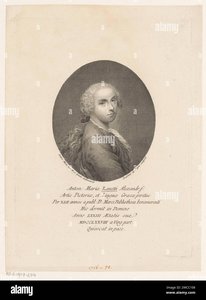
anton maria ii zanetti
1706 - 1778 , Italy
Quick Facts
- Artistic Movement Or Style: Rococo, Classical
- Artists Or Movements Influenced By This Artist: ['Vasari']
- Artists Who Influenced This Artist: ['Antonio Balestra']
- Date Of Birth: 4 July 1706
- Date Of Death: 1 Dec 1770
- Full Name: Giambettino Cignaroli
- Nationality: Italian
- Notable Artworks:
- St. Martha
- Madonna
- Self-portrait
- Death of Socrates
- Death of Cato
- Virgin and Child
- Place Of Birth: Verona, Italy
Related Articles
Engraving's Golden Age: 10 Masterpieces That Redefined Art | ArtsDot
Journey through art history with our Top 10 Legendary Engravings! Explore masterpieces by Dürer, Rembrandt & Goya. Discover the stories behind these iconic prints and find museum-quality reproductions for your home at ArtsDot.com.
The Enduring Allure of the Nude: A Historical & Artistic Exploration of the Human Form
Explore the captivating history of nude art! Discover iconic paintings & artists from classical to modern eras. Uncover symbolism, techniques & find museum-quality reproductions at ArtsDot.
Engraving: A Historical Survey of Technique, Artistic Expression & Enduring Legacy
Explore the rich history of engraving with ArtsDot. Discover techniques, iconic artists like Dürer & Callot, collecting tips, and expert guidance for preserving your art investment. Learn about intaglio printing & more!
Neo-Classicism's Greatest Hits: 10 Masterpieces for Your Home |
Journey through Neo-Classicism's finest! Explore 10 iconic masterpieces by David, Ingres & Canova. Discover art history, techniques & timeless beauty – perfect for inspiring your home decor. Find museum-quality reproductions at

The Intricate World of Engraving: A Historical Survey of Technique, Artistic Expression & Enduring Legacy
Explore the rich history of engraving with ArtsDot. Discover techniques, iconic artists like Dürer & Callot, collecting tips, and expert guidance for preserving your art investment. Learn about intaglio printing & more!