 Send
Send Share
Share
 Details

 Download
 Similars
 Diaporama
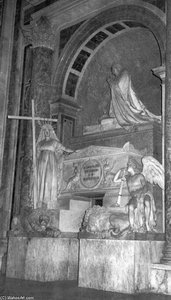
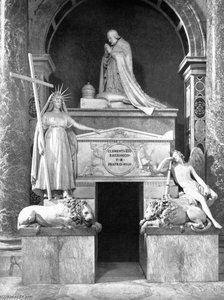
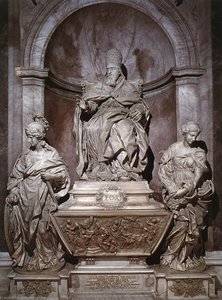
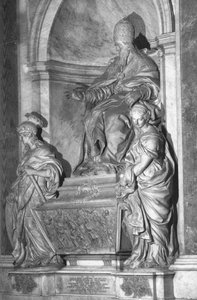
Tomb of Pope Clement XIII


 Read More
Giclée / Art Print
Museum-quality giclée or canvas print with fast production and flexible finish options. ( Buy Hand Made Painting Buy Image)




































Pick from our preset sizes that match the artwork's original proportions.

You may enter your own dimensions to fit a specific frame or space. If your selected size does not match the original image's proportions, we will either crop the artwork or extend the image with a mirrored or solid-fill edge. A digital mockup will be sent for your approval before production begins.
Please note that the on-screen preview does not reflect the actual cropping or extension. Only the mockup will accurately show the final composition.
While custom sizes are available, we recommend selecting a dimension from the predefined list to preserve the original proportions.
Worldwide Delivery () in 2 weeks instead of standard 4/5 weeks. (27 August)

Free Worldwide Express Shipping

High-Quality Linen Canvas

Full Shipping Insurance

Customs Tax Refund Guarantee

True Color Matching Guarantee

60-Day Return Policy (Defects Only)

100% Money-Back Guarantee

Bulk Discount Offer
 Glass option is only available in size under 110 CM

Tomb of Pope Clement XIII
Giclée / Art Print
Reproduction Size
-


Total Price
$ 63
The Weight of Faith: Antonio Canova’s Tomb of Pope Clement XIII
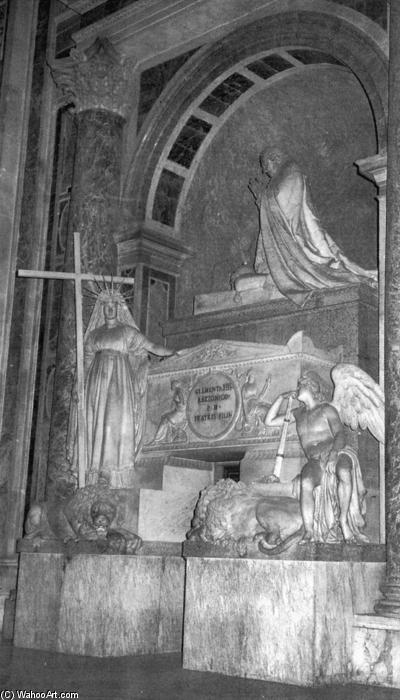
Antonio Canova's "Tomb of Pope Clement XIII," completed in 1792, is more than just a sculpture; it’s a profound meditation on mortality, faith, and the enduring legacy of papal power. Carved from imposing black marble, the piece emanates an atmosphere of solemn grandeur, transporting the viewer to a space steeped in religious reverence. The photograph captures a meticulously rendered interior scene – likely a mausoleum or church – dominated by the central tomb, flanked by a constellation of angelic figures, saints, and allegorical representations of piety. The subdued lighting, expertly employed to sculpt dramatic shadows, emphasizes the textures of the stone, revealing the artist’s incredible mastery of his medium. This isn't merely a portrait of a deceased pope; it’s an architectural embodiment of faith’s promise of eternal rest.
A Neoclassical Masterpiece: Style and Technique
Canova, a pivotal figure in the transition between the Baroque and Neoclassical eras, demonstrates his signature style here with remarkable precision. While undeniably influenced by the dramatic dynamism of the Baroque – particularly evident in the poses of the figures and the overall sense of movement – the work leans firmly into the restrained elegance and classical ideals of Neoclassicism. The smooth surfaces achieved through painstaking carving and casting are a testament to Canova’s unparalleled skill. Notice the meticulous detailing, from the folds of drapery to the delicate features of each sculpted face; every element speaks to an unwavering commitment to realism and anatomical accuracy. The use of black marble itself is significant, lending a sense of gravitas and timelessness to the composition – a deliberate choice that elevates the piece beyond mere decoration.
Symbolism and Religious Narrative
The "Tomb of Pope Clement XIII" is rich in symbolic meaning. The tiered arrangement immediately establishes a hierarchy, reflecting the spiritual order and the pope’s position within it. Angels, positioned as guardians and messengers, offer protection to the departed soul. A central figure, likely representing repentance or prayer, underscores the importance of piety and seeking forgiveness. Crosses are strategically placed, serving as potent reminders of Christ's sacrifice and the promise of salvation. The overall composition speaks to a deeply held belief in an afterlife – a comforting vision of eternal peace for those who have served God. The placement within what appears to be a grand architectural space further reinforces this narrative, suggesting that the tomb is not merely a burial site but a sacred sanctuary.
Historical Context and Artistic Legacy
Created in 1792, during a period of significant political and social upheaval in Europe, Canova’s work reflects both the artistic sensibilities of the time and the enduring power of religious iconography. Commissioned for Pope Clement XIII, who reigned from 1754 to 1760, the tomb stands as a powerful statement of papal authority and continuity. Canova's earlier commission for Pope Clement XIV’s tomb (completed in 1787) further solidified his reputation as the foremost sculptor of his generation. Studying Canova’s work provides invaluable insight into the artistic conventions and philosophical beliefs that shaped the late 18th and early 19th centuries. His legacy continues to inspire artists today, demonstrating the enduring power of sculpture to evoke emotion, convey meaning, and immortalize significant figures in history.
- Key Features: Monumental scale, black marble, tiered composition, angelic figures, symbolic elements (crosses, angels, prayerful figure).
- Style: Neoclassical with Baroque influences – characterized by restrained elegance and anatomical accuracy.
- Technique: Meticulous carving and casting, emphasizing smooth surfaces and detailed textures.
ArtsDot offers exquisite hand-painted reproductions of Antonio Canova’s “Tomb of Pope Clement XIII,” allowing you to bring this masterpiece into your home or office. Each reproduction is created with the same attention to detail and reverence as the original, capturing the sculpture's profound beauty and historical significance.
Related Artworks
Artist Biography
Antonio Canova: A Life in Marble
- Born: Possagno, Italy (1757)
- Died: 1822
Antonio Canova stands as a towering figure in the history of Western art, widely regarded as the preeminent Neoclassical sculptor. His mastery of marble carving and his ability to infuse classical forms with profound emotion secured his place among the greatest artists of all time. Born in Possagno, Italy, to Pietro Canova, a stonemason, Canova’s early life was shaped by the artistic environment surrounding him.
Early Life and Training
- Family Background: His father's profession provided an initial exposure to stone carving, and his grandfather, Pasino Canova, a sculptor specializing in altars and low reliefs, played a crucial role in nurturing his talent.
- Early Artistic Development: Even before the age of ten, Canova demonstrated remarkable skill, creating small marble shrines that showcased his innate ability. He apprenticed under Giuseppe Bernardi ('Torretto') and Giovanni Ferrari, further honing his skills.
- Academy Studies: His studies at the Accademia di Belle Arti di Venezia yielded numerous prizes, solidifying his reputation as a promising young artist. A workshop within a monastery provided him with space to develop his craft.
- Early Commissions: Early commissions like the statues of Orpheus and Eurydice for Senator Giovanni Falier (1775-1777) demonstrated an emerging Rococo style, foreshadowing his later Neoclassical refinement.
The Rise to Prominence and Neoclassical Style
- Defining Neoclassicism: Canova’s work is characterized by its elegant forms, idealized figures, and a return to the aesthetic principles of ancient Greece and Rome. He skillfully avoided the melodrama of Baroque art while resisting the coldness often associated with earlier attempts at classical revival.
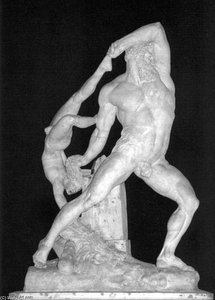
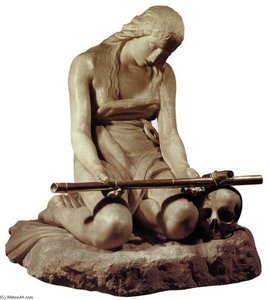
- Key Works & Recognition: Sculptures like Cupid and Psyche (c. 1787-1793), Penitent Magdalene, and Hercules and Lichas established his reputation throughout Europe. His work was highly sought after by royalty and nobility.
- Promoting His Reputation: Canova strategically promoted his career through the publication of engravings of his works and the creation of marble versions of plaster casts, ensuring widespread dissemination of his art.
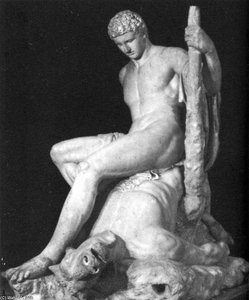
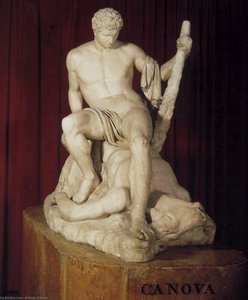
- International Acclaim: Commissions from across Europe, including a statue of Theseus and the Minotaur for Girolamo Zulian (Venetian ambassador to Rome), cemented his status as one of the most celebrated artists in Europe.
Major Works and Legacy
- Notable Sculptures: Beyond those already mentioned, Canova’s significant works include Venus Italica, La Musa Polyhymnia, The Three Graces Dancing, and his poignant depiction of Eurydice.
- Monumental Commissions: He received prestigious commissions for tombs, most notably the elaborate Tomb of Pope Clement XIII in St. Peter's Basilica, Rome – a testament to his skill in both sculpture and architectural design.
- Gipsoteca Antonio Canova: The Gipsoteca Antonio Canova museum houses the most significant collection of his works, providing invaluable insight into his creative process and artistic evolution.
- Influence on Subsequent Generations: Canova’s influence extended far beyond his lifetime, shaping the course of Neoclassical sculpture and inspiring generations of artists with his technical mastery and expressive power.
Historical Significance
- Embodiment of Neoclassicism: Antonio Canova became synonymous with the Neoclassical movement, embodying its ideals of order, clarity, and a return to classical antiquity.
- Court Sculptor & Diplomat: His position as court sculptor to numerous European rulers gave him considerable political influence and allowed him to shape artistic tastes across the continent.
- Technical Innovation: Canova’s unparalleled skill in carving marble pushed the boundaries of what was considered possible, setting a new standard for sculptural excellence.
- Enduring Artistic Legacy: His sculptures continue to captivate audiences worldwide, solidifying his place as one of the most important and influential artists in history.

Antonio Canova
1757 - 1822 , Italy
Quick Facts
- Artistic Movement Or Style: Neoclassicism
- Artists Or Movements Influenced By This Artist: ['Later Neoclassical artists']
- Artists Who Influenced This Artist: ['Late Baroque sculptors']
- Date Of Birth: 1757
- Date Of Death: 1822
- Full Name: Antonio Canova
- Nationality: Italian
- Notable Artworks:
- Cupid and Psyche
- Penitent Magdalene
- Hercules and Lichas
- Theseus and the Minotaur
- The Three Graces Dancing
- Eurydice
- Venere Italica
- Place Of Birth (City And Country): Possagno, Italy
Related Articles
Antonio Canova: Neoclassical Sculpture & the Pursuit of Emotional Perfection
Explore the life & art of Antonio Canova, the greatest Neoclassical sculptor. Discover his masterpieces, innovative techniques, and lasting influence on fine art collecting. Expert insights for discerning investors.
The Enduring Allure of Marble in Art History: From Classical Sculpture to Modern Abstraction
Explore the captivating history of marble sculpture from ancient Greece to modern art. Discover renowned artists like Canova & Michelangelo, carving techniques, and investment insights at ArtsDot.

Bronze Sculptures That Defined Art History | ArtsDot
Journey through art history with our Top 10 bronze sculptures! Explore masterpieces by Rodin, Michelangelo & more. Discover stories behind iconic statues and find museum-quality reproductions for your home decor at ArtsDot.com.

The Enduring Form: Sculpture Across History, Technique & Emotional Resonance
Explore the rich history of sculpture with ArtsDot. Discover key techniques, influential artists & investment potential for discerning collectors. Expert insights into valuing and collecting timeless masterpieces.

The Enduring Form: Exploring Themes & Techniques in Sculpture Across Historical Periods
Explore the rich history of sculpture from ancient masterpieces to contemporary innovations. Discover key techniques, influential artists & investment potential for discerning art collectors.