 Preview
 Send
Send Share
Share
 Details

 Download
 Similars
 X-Ray
X-Ray Diaporama
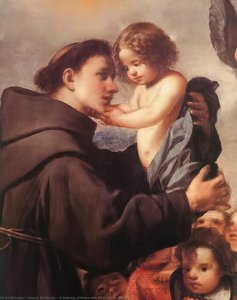
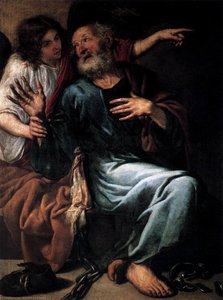
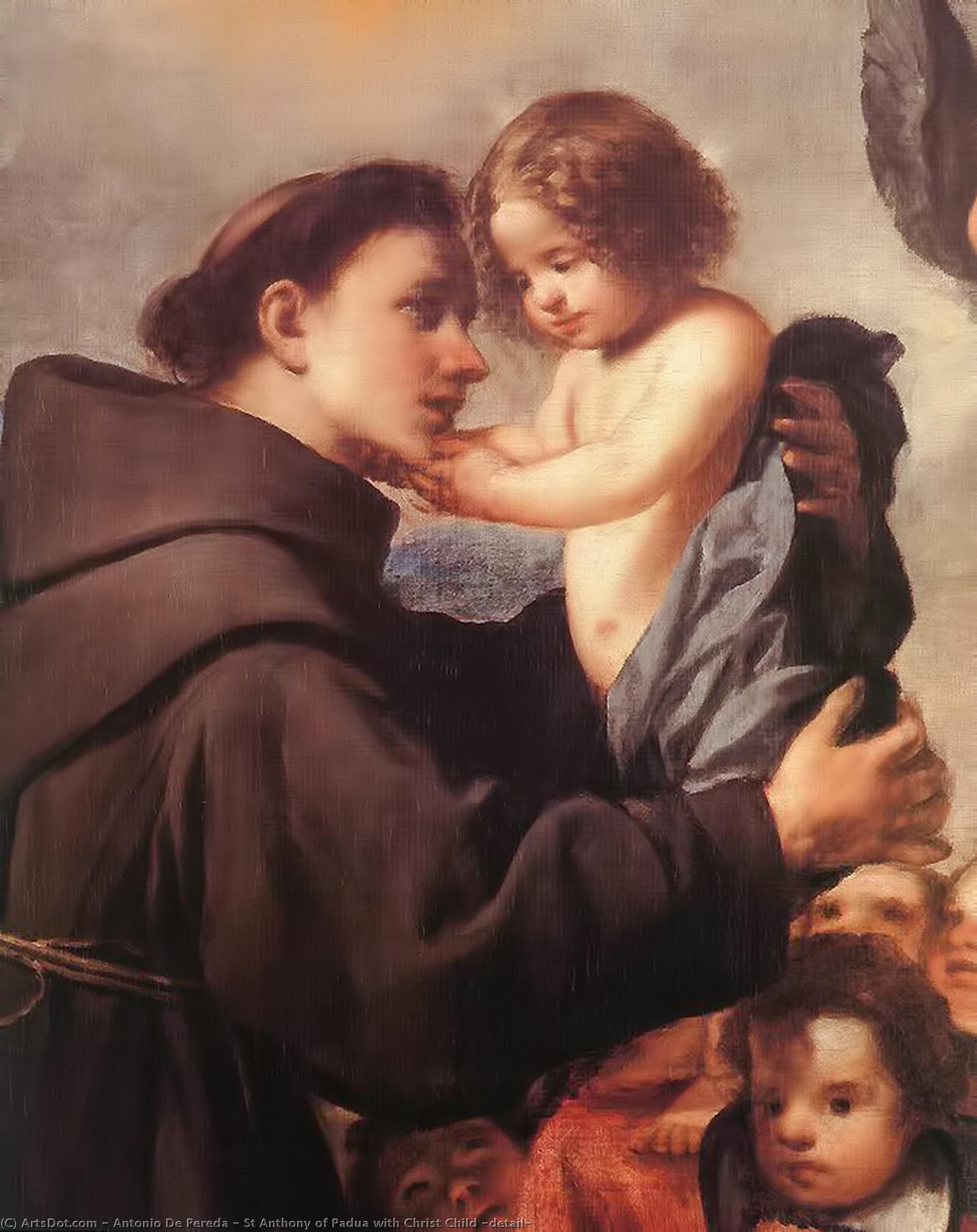
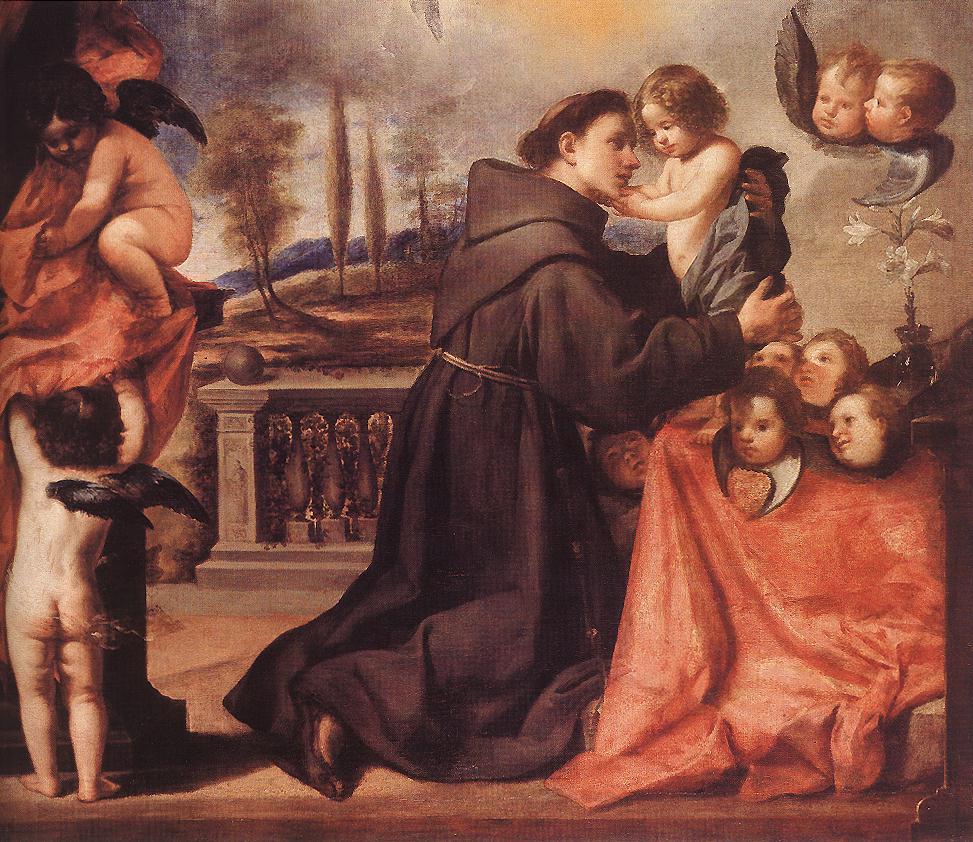
St Anthony of Padua with Christ Child (detail)


 Read More
Hand Made Oil Reproduction
Hand-painted oil on canvas in your size and frame, made to order by our artists. ( Buy Print Buy Image)




P118B $10

P118H $10

P118W $10

P438Z $10

P508JH $12

P508YH $12

P805H $10

P805Z $10

P919BZ $10

P919G $10

P919XJ $10

P959ZH $10

P968JZ $12

W106C $8

W218G $10

W218JH $8

W218Y $10

W307PJ $10

W316G $10

W316PJ $8

W316Y $10

W398PJ $8

W4111J $10

W500HY $15

W500JH $15

W692G $12

W849H $8

W940BG $15

W953PJ $8




Pick from our preset sizes that match the artwork's original proportions.

You may enter your own dimensions to fit a specific frame or space. If your selected size does not match the original image's proportions, we will either crop the artwork or extend the painting with additional hand-painted elements. A digital mockup will be sent for your approval before production begins.
Please note that the on-screen preview does not reflect the actual cropping or extension. Only the mockup will accurately show the final composition.
While custom sizes are available, we recommend selecting a dimension from the predefined list to preserve the original proportions.
After order, ArtsDot.com team will email client for instructions and provide a mockup preview
Worldwide Delivery () in 3/4 weeks instead of standard 5 weeks. (1 September). No compromise on quality.

Free Worldwide Express Shipping

High-Quality Linen Canvas

Full Shipping Insurance

Customs Tax Refund Guarantee

True Color Matching Guarantee

60-Day Return Policy (Defects Only)

100% Money-Back Guarantee

Bulk Discount Offer
 Glass option is only available in size under 110 CM

St Anthony of Padua with Christ Child (detail)
Reproduction Medium
Reproduction Size
-


Total Price
$ 263
The Serene Embrace: Antonio de Pereda’s St. Anthony and the Infant Christ
Antonio de Pereda's “St. Anthony of Padua with Christ Child” is more than just a devotional painting; it’s a poignant meditation on faith, charity, and the profound connection between earthly devotion and divine grace. Completed around 1635 during the height of the Spanish Baroque period, this intimate portrait captures a pivotal moment in St. Anthony's life – his early embrace of Franciscan ideals and his unwavering commitment to serving the marginalized. The painting’s power lies not just in its technical brilliance but also in the palpable sense of tenderness and spiritual depth it conveys.
A Symphony of Light and Shadow: De Pereda’s Baroque Technique
Pereda, a key figure in the Madrid school of painting, masterfully employs the techniques characteristic of the Spanish Baroque. The composition is dominated by a rich, dark palette—deep browns, ochres, and umbers—creating an atmosphere of solemnity and reverence. Light, however, isn’t absent; it's carefully sculpted to highlight key elements: the luminous halo above the Christ Child’s head, the gentle illumination on St. Anthony’s face, and the subtle sheen on his Franciscan habit. Notice how he uses *chiaroscuro* – the dramatic contrast between light and dark – to draw the viewer’s eye directly to the central figures, imbuing them with a sense of sacredness. The brushwork is remarkably detailed yet retains an underlying fluidity, reflecting Pereda's ability to capture both texture and emotion.
- Oil on Canvas: The medium itself contributes to the painting’s depth and richness.
- Detailed Realism: Notice the meticulous rendering of fabric folds and facial features.
- Dramatic Lighting: The masterful use of light creates a powerful emotional impact.
Symbolism Woven into the Scene
Beyond the straightforward depiction of St. Anthony cradling the infant Christ, the painting is laden with symbolic meaning. The presence of the Christ Child immediately evokes themes of innocence, redemption, and divine love. St. Anthony’s posture—kneeling in humble adoration—underscores his dedication to service and his role as a compassionate shepherd of souls. The small vase of lilies at the base of the composition is a traditional symbol of purity and virginity, further emphasizing the sanctity of the scene. The background, though somewhat indistinct, hints at a simple, rural setting – reflecting St. Anthony’s early life and connection to the common people.
A Legacy of Devotion: Pereda's Place in Art History
Antonio de Pereda stands as a significant figure within the Spanish Baroque, renowned primarily for his still lifes but also producing works of considerable spiritual depth. His “St. Anthony of Padua with Christ Child” exemplifies this duality—a testament to both artistic skill and profound religious conviction. The painting’s enduring appeal lies in its ability to resonate with viewers across centuries, offering a glimpse into the heart of faith and the transformative power of compassion. Reproductions of this masterpiece continue to grace homes and churches worldwide, serving as reminders of St. Anthony's legacy and the timeless beauty of spiritual devotion.
Related Artworks

Artist Biography
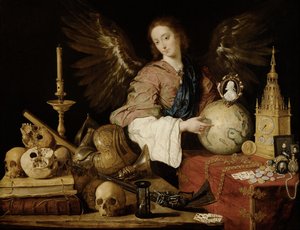
Antonio de Pereda: A Master of Spanish Baroque
Antonio de Pereda y Salgado (1611 – 1678) was a prominent Spanish Baroque-era painter, celebrated primarily for his exquisite still lifes. Born in Valladolid, Spain, he emerged as a significant figure within the Madrid school of painting.
Early Life and Artistic Family
Pereda came from a deeply artistic family; his father, mother, and two brothers were all painters. This familial environment undoubtedly fostered his early interest and development in art. He received his initial training in Madrid under Pedro de las Cuevas, a respected painter of the time.
Patronage and Early Career
A pivotal moment in Pereda’s career came with the patronage of Giovanni Battista Crescenzi, an influential figure at the Spanish court. Crescenzi took Pereda under his wing, providing him with opportunities and guidance. However, following Crescenzi's death in 1635, Pereda was expelled from the court and began to accept commissions from religious institutions.
Artistic Development and Style
Pereda’s artistic style is characterized by a masterful use of tenebrism, a dramatic contrast between light and dark. This technique, common in Baroque painting, adds depth and emotional intensity to his works. While best known for still lifes, Pereda also excelled in religious paintings and historical compositions.
Major Works and Achievements
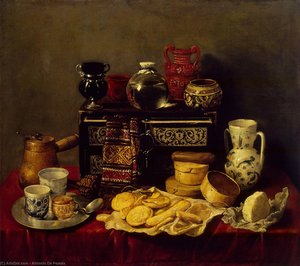
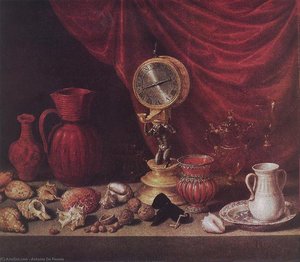
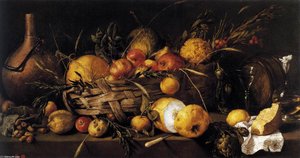
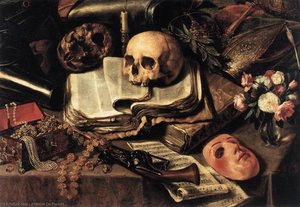
- Still Lifes: Pereda’s still lifes are renowned for their realism, meticulous detail, and symbolic meaning. Examples include “Still-Life with Fruit” and “Still-Life with an Ebony Chest.”
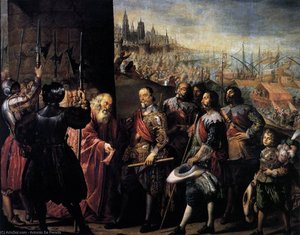
- Historical Paintings: He contributed significantly to the decorative program of the Salón de Reinos at the Buen Retiro Palace in Madrid. His most notable historical painting is “The Relief of Genoa” (1635), created as part of a series alongside works by Velázquez, notably "The Surrender of Breda".
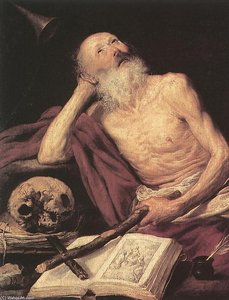
- Religious Paintings: Pereda produced numerous religious paintings, often depicting scenes from the lives of saints and biblical narratives. “St Jerome” is a prime example of his skill in this genre.
Influences
Pereda’s work was influenced by several key artists and movements:
- Pedro de las Cuevas: His early teacher, who provided foundational training.
- Giovanni Battista Crescenzi: Provided patronage and guidance during his time at court.
- Caravaggio & the Caravaggisti: The dramatic use of tenebrism reflects the influence of Caravaggio and his followers.
Historical Significance
Antonio de Pereda occupies an important place in Spanish Baroque art. His still lifes are considered among the finest examples of the genre, showcasing a remarkable ability to capture texture, light, and form. His historical paintings demonstrate his versatility and skill as a large-scale narrative painter. He contributed significantly to the artistic landscape of 17th-century Spain, leaving behind a legacy of masterful works that continue to be admired today.
Antonio de Pereda
1611 - 1678 , Spain
Quick Facts
- Birth Date: 1611
- Birth Place: Valladolid, Spain
- Death Date: 1678
- Influenced By: Pedro de las Cuevas, Giovanni Battista Crescenzi
- Movement: Baroque
- Name: Antonio de Pereda y Salgado
- Nationality: Spanish
- Notable Works:
- Relief of Genoa
- Still-Life with an Ebony Chest
- St Jerome
- The Knight's Dream
Related Articles

Goya's Masterpieces: Explore 25 Iconic Paintings & Art Prints | ArtsDot
Delve into the world of Francisco Goya with ArtsDot. Explore 25 iconic paintings – from 'The Third of May' to his haunting Black Paintings. Discover the stories, techniques & emotions behind these Spanish masterpieces. Find museum-quality art reproductions for your home at ArtsDot.com!

About Us
Discover our story! We bring world-class art into your life through expert curation, personalized creations, and free previews. Trusted by individuals and businesses since 2000.

Baroque Drama: Bringing Opulence & Emotion into Contemporary Interiors
Explore the opulent world of Baroque interior design! Discover key elements, modern applications & how to bring dramatic elegance into your home with 's authentic reproductions.

Baroque Masterpieces: 10 Paintings That Defined an Era |
Journey through the drama & grandeur of Baroque art! Explore 10 masterpieces by Caravaggio, Rembrandt, Rubens & more. Discover stunning oil paintings, rich colors & timeless stories. Find museum-quality reproductions at .

The Dramatic Flourish: Exploring the Baroque Movement's Enduring Legacy in Art History
Explore the dramatic world of Baroque art! Discover iconic artists like Caravaggio & Rubens, defining techniques, and its lasting impact on art history. Expert insights for collectors & enthusiasts at ArtsDot.