 Preview
 Send
Send Share
Share
 Details

 Download
 Similars
 X-Ray
X-Ray Diaporama
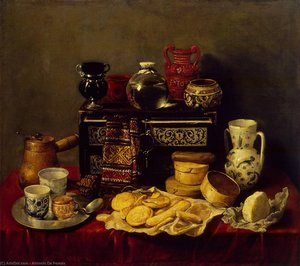
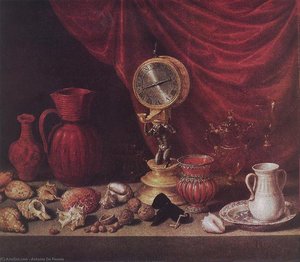
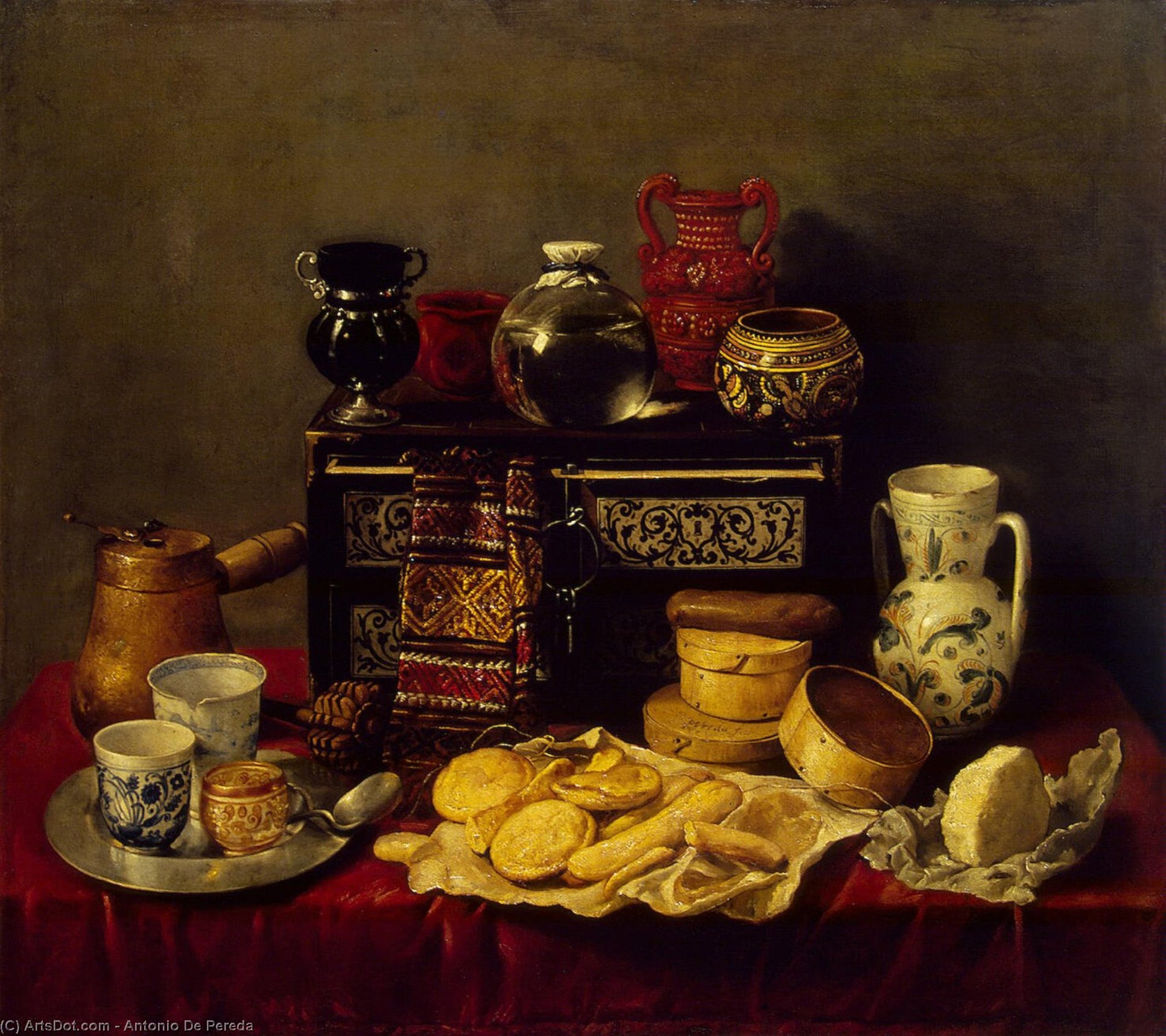
Still-Life with an Ebony Chest
 Acrylic On Canvas
- WallArt
- Spanish Baroque
 1652
1652 80.0 x 94.0 cm
 Hermitage Museum
 Read More
Hand Made Oil Reproduction
Hand-painted oil on canvas in your size and frame, made to order by our artists. ( Buy Print Buy Image)




P118B $10

P118H $10

P118W $10

P438Z $10

P508JH $12

P508YH $12

P805H $10

P805Z $10

P919BZ $10

P919G $10

P919XJ $10

P959ZH $10

P968JZ $12

W106C $8

W218G $10

W218JH $8

W218Y $10

W307PJ $10

W316G $10

W316PJ $8

W316Y $10

W398PJ $8

W4111J $10

W500HY $15

W500JH $15

W692G $12

W849H $8

W940BG $15

W953PJ $8




Pick from our preset sizes that match the artwork's original proportions.

You may enter your own dimensions to fit a specific frame or space. If your selected size does not match the original image's proportions, we will either crop the artwork or extend the painting with additional hand-painted elements. A digital mockup will be sent for your approval before production begins.
Please note that the on-screen preview does not reflect the actual cropping or extension. Only the mockup will accurately show the final composition.
While custom sizes are available, we recommend selecting a dimension from the predefined list to preserve the original proportions.
After order, ArtsDot.com team will email client for instructions and provide a mockup preview
Worldwide Delivery () in 3/4 weeks instead of standard 5 weeks. (17 August). No compromise on quality.

Free Worldwide Express Shipping

High-Quality Linen Canvas

Full Shipping Insurance

Customs Tax Refund Guarantee

True Color Matching Guarantee

60-Day Return Policy (Defects Only)

100% Money-Back Guarantee

Bulk Discount Offer
 Glass option is only available in size under 110 CM

Still-Life with an Ebony Chest
Reproduction Medium
Reproduction Size
-


Total Price
$ 263
Artwork Description
Still Life with an Ebony Chest – A Reflection of Spanish Baroque Elegance
The painting “Still Life with an Ebony Chest,” attributed to Antonio de Pereda (1611–1678), stands as a quintessential example of the Spanish Baroque style, encapsulating the artistic sensibilities of its era and offering a glimpse into the opulent tastes of aristocratic Spain. Executed in 1652, this artwork transcends mere representation; it’s imbued with symbolism and meticulously crafted technique that speaks volumes about the cultural values of the time.Subject Matter and Composition
The scene unfolds on a richly textured table draped in dark velvet—a deliberate choice reflecting the Baroque penchant for dramatic contrasts and luxurious materials. Dominating the composition is an ebony chest, positioned centrally to draw the viewer’s eye immediately. Alongside it are several porcelain cups adorned with delicate floral motifs, meticulously arranged around the table's perimeter. A bowl overflowing with luscious fruits – peaches, pears, grapes – sits prominently at the top center, symbolizing abundance and fertility—themes prevalent in Baroque art. Scattered vases hold withered flowers, hinting at the passage of time and reminding us of mortality, a common preoccupation within the spiritual framework of the period. Finally, a cake rests on the lower right corner, representing indulgence and celebration.Technique and Artistic Style
Pereda’s mastery lies in his masterful application of chiaroscuro—the dramatic interplay between light and shadow—a technique perfected by Caravaggio and embraced throughout Europe during the Baroque period. Light emanates from an unseen source, illuminating specific objects within the composition while plunging others into darkness, creating a palpable sense of depth and realism. The artist employs meticulous brushstrokes to render textures with astonishing accuracy: the velvety drape of the table cloth, the smooth surface of the ebony chest, the glistening sheen of the porcelain cups—all achieved through painstaking observation and skillful execution. Color palettes are subdued yet harmonious, favoring warm hues like ochre and crimson alongside cooler tones like blues and greens, contributing to the overall atmosphere of grandeur and refinement.Historical Context and Artistic Influences
The painting emerged during a period marked by significant religious fervor and artistic innovation in Spain—the reign of Philip IV witnessed a flourishing of Baroque art fueled by royal patronage and driven by a desire to glorify God’s majesty. Pereda's work reflects the influence of Caravaggio, whose revolutionary use of chiaroscuro profoundly impacted Spanish painters. Furthermore, it aligns with broader European trends toward naturalism and emotional expression—characteristics that distinguished Baroque art from its predecessors. The painting served as a visual testament to the aristocratic lifestyle and artistic sophistication of the era.Symbolism and Emotional Resonance
Beyond its aesthetic qualities, “Still Life with an Ebony Chest” carries profound symbolic weight. The ebony chest symbolizes wealth and status, reflecting the aspirations of the Spanish nobility. The fruits represent fertility and prosperity—values considered essential for maintaining social order and upholding religious piety. The withered flowers serve as a poignant reminder of mortality, prompting contemplation on the ephemeral nature of earthly existence. Collectively, these elements evoke a sense of solemn beauty and invite viewers to contemplate themes of faith, honor, and the dignity of human life—themes that resonate powerfully even today.Conclusion
“Still Life with an Ebony Chest” remains a captivating masterpiece of Spanish Baroque art, demonstrating Pereda’s exceptional skill in capturing both visual splendor and emotional depth. Its enduring appeal lies not only in its technical brilliance but also in its ability to transport us back to a time of aristocratic grandeur and artistic fervor—a testament to the transformative power of art to communicate timeless ideas and evoke profound feelings.Related Artworks
Artist Biography
Antonio de Pereda: A Master of Spanish Baroque
Antonio de Pereda y Salgado (1611 – 1678) was a prominent Spanish Baroque-era painter, celebrated primarily for his exquisite still lifes. Born in Valladolid, Spain, he emerged as a significant figure within the Madrid school of painting.
Early Life and Artistic Family
Pereda came from a deeply artistic family; his father, mother, and two brothers were all painters. This familial environment undoubtedly fostered his early interest and development in art. He received his initial training in Madrid under Pedro de las Cuevas, a respected painter of the time.
Patronage and Early Career
A pivotal moment in Pereda’s career came with the patronage of Giovanni Battista Crescenzi, an influential figure at the Spanish court. Crescenzi took Pereda under his wing, providing him with opportunities and guidance. However, following Crescenzi's death in 1635, Pereda was expelled from the court and began to accept commissions from religious institutions.
Artistic Development and Style
Pereda’s artistic style is characterized by a masterful use of tenebrism, a dramatic contrast between light and dark. This technique, common in Baroque painting, adds depth and emotional intensity to his works. While best known for still lifes, Pereda also excelled in religious paintings and historical compositions.
Major Works and Achievements
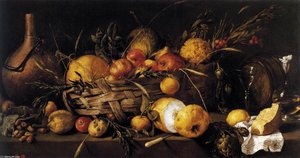
- Still Lifes: Pereda’s still lifes are renowned for their realism, meticulous detail, and symbolic meaning. Examples include “Still-Life with Fruit” and “Still-Life with an Ebony Chest.”
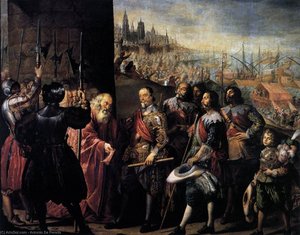
- Historical Paintings: He contributed significantly to the decorative program of the Salón de Reinos at the Buen Retiro Palace in Madrid. His most notable historical painting is “The Relief of Genoa” (1635), created as part of a series alongside works by Velázquez, notably "The Surrender of Breda".
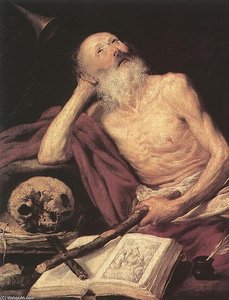
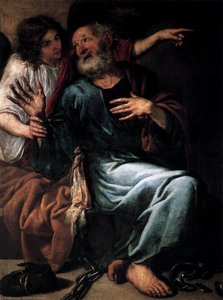
- Religious Paintings: Pereda produced numerous religious paintings, often depicting scenes from the lives of saints and biblical narratives. “St Jerome” is a prime example of his skill in this genre.
Influences
Pereda’s work was influenced by several key artists and movements:
- Pedro de las Cuevas: His early teacher, who provided foundational training.
- Giovanni Battista Crescenzi: Provided patronage and guidance during his time at court.
- Caravaggio & the Caravaggisti: The dramatic use of tenebrism reflects the influence of Caravaggio and his followers.
Historical Significance
Antonio de Pereda occupies an important place in Spanish Baroque art. His still lifes are considered among the finest examples of the genre, showcasing a remarkable ability to capture texture, light, and form. His historical paintings demonstrate his versatility and skill as a large-scale narrative painter. He contributed significantly to the artistic landscape of 17th-century Spain, leaving behind a legacy of masterful works that continue to be admired today.
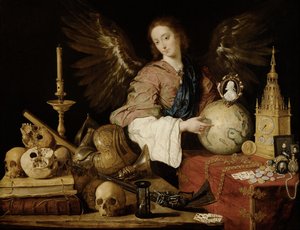
Antonio de Pereda
1611 - 1678 , Spain
Quick Facts
- Birth Date: 1611
- Birth Place: Valladolid, Spain
- Death Date: 1678
- Influenced By: Pedro de las Cuevas, Giovanni Battista Crescenzi
- Movement: Baroque
- Name: Antonio de Pereda y Salgado
- Nationality: Spanish
- Notable Works:
- Relief of Genoa
- Still-Life with an Ebony Chest
- St Jerome
- The Knight's Dream
Related Articles
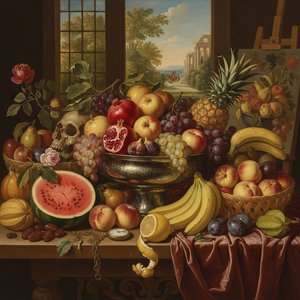
The Bountiful Still Life: Symbolism & Artistic Representation of Fruit Across Art History
Explore the rich history of still life painting & the symbolism of fruit across art movements. Discover masterpieces from Caravaggio to Cézanne with ArtsDot – expert guidance & museum-quality reproductions.

Cézanne's Masterpieces: 25 Iconic Artworks to Transform Your Space
Journey through 25 iconic artworks by Paul Cézanne – a master of Impressionism and Post-Impressionism. Explore his landscapes, still lifes, and the stories behind these timeless masterpieces. Discover museum-quality reproductions & curated decor at ArtsDot.com.
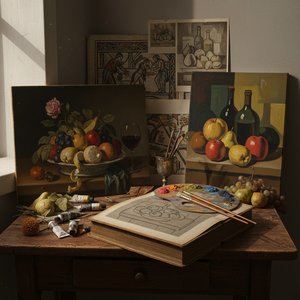
Silent Narratives: Exploring the Enduring Appeal of Still Life Painting Across Centuries
Explore the rich history of still life painting with ArtsDot. Discover Dutch Masters, decode vanitas symbolism & learn about collecting timeless art. Expert insights and museum-quality reproductions.

Baroque Masterpieces: 10 Paintings That Defined an Era |
Journey through the drama & grandeur of Baroque art! Explore 10 masterpieces by Caravaggio, Rembrandt, Rubens & more. Discover stunning oil paintings, rich colors & timeless stories. Find museum-quality reproductions at .
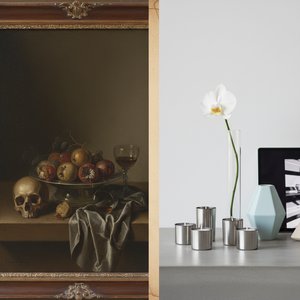
The Enduring Appeal of Still Life: A Historical & Contemporary Exploration
Explore the rich history & symbolism of still life painting with ArtsDot. Discover masterpieces from the Dutch Golden Age, learn about vanitas art, and find expert guidance for collecting timeless artworks.