 Preview
 Send
Send Share
Share
 Details

 Download
 Similars
 X-Ray
X-Ray Diaporama
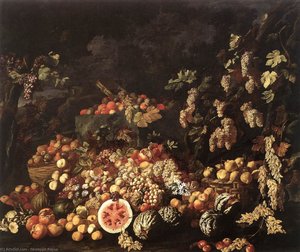
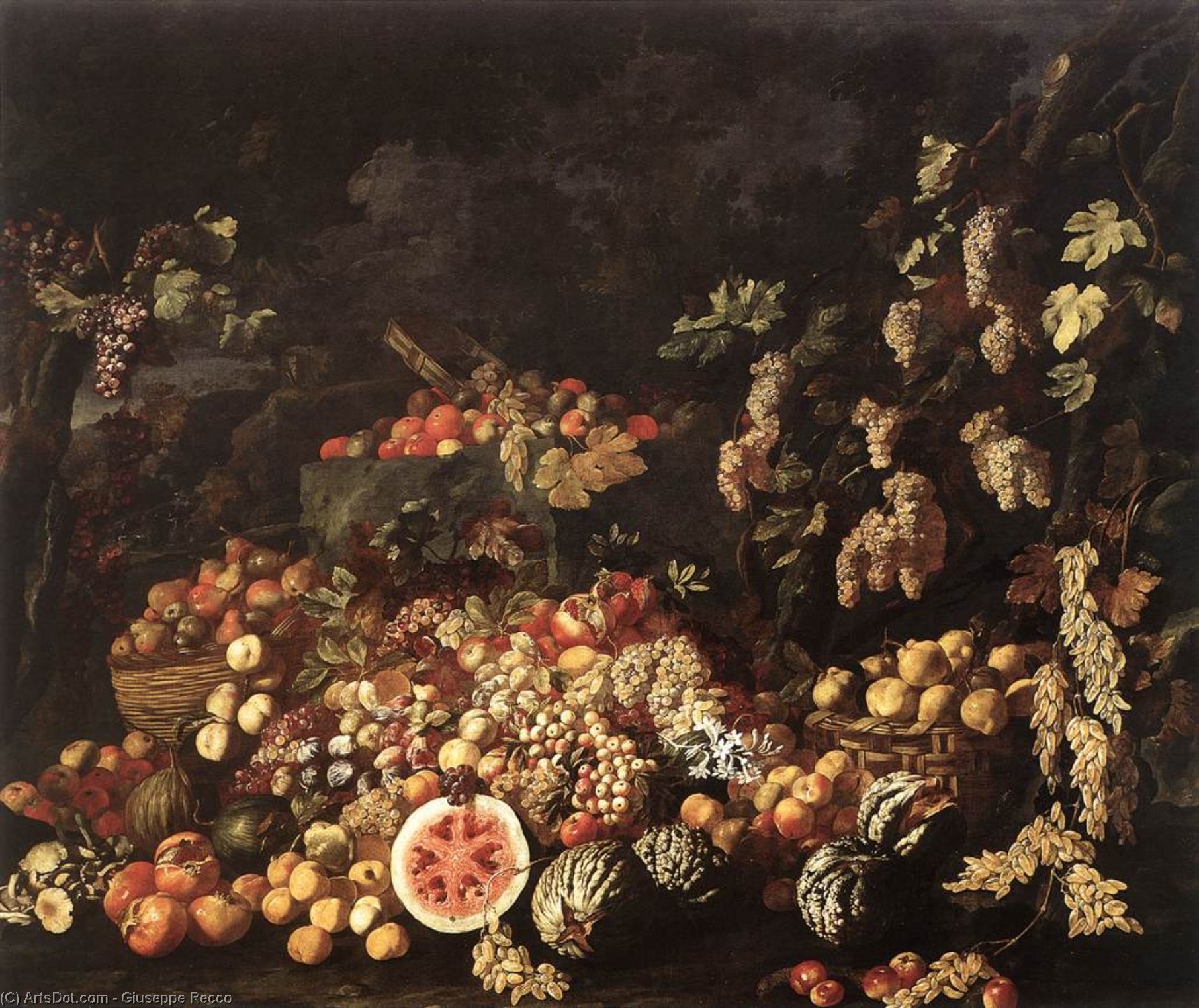
Still-Life with Fruit and Flowers
 Oil On Canvas
- WallArt
- Baroque Still Life
 1670
1670 255.0 x 301.0 cm
 Museo Nazionale di Capodimonte
 Read More
Hand Made Oil Reproduction
Hand-painted oil on canvas in your size and frame, made to order by our artists. ( Buy Print Buy Image)




P118B $10

P118H $10

P118W $10

P438Z $10

P508JH $12

P508YH $12

P805H $10

P805Z $10

P919BZ $10

P919G $10

P919XJ $10

P959ZH $10

P968JZ $12

W106C $8

W218G $10

W218JH $8

W218Y $10

W307PJ $10

W316G $10

W316PJ $8

W316Y $10

W398PJ $8

W4111J $10

W500HY $15

W500JH $15

W692G $12

W849H $8

W940BG $15

W953PJ $8




Pick from our preset sizes that match the artwork's original proportions.

You may enter your own dimensions to fit a specific frame or space. If your selected size does not match the original image's proportions, we will either crop the artwork or extend the painting with additional hand-painted elements. A digital mockup will be sent for your approval before production begins.
Please note that the on-screen preview does not reflect the actual cropping or extension. Only the mockup will accurately show the final composition.
While custom sizes are available, we recommend selecting a dimension from the predefined list to preserve the original proportions.
After order, ArtsDot.com team will email client for instructions and provide a mockup preview
Worldwide Delivery () in 3/4 weeks instead of standard 5 weeks. (17 August). No compromise on quality.

Free Worldwide Express Shipping

High-Quality Linen Canvas

Full Shipping Insurance

Customs Tax Refund Guarantee

True Color Matching Guarantee

60-Day Return Policy (Defects Only)

100% Money-Back Guarantee

Bulk Discount Offer
 Glass option is only available in size under 110 CM

Still-Life with Fruit and Flowers
Reproduction Medium
Reproduction Size
-


Total Price
$ 263
Artwork Description
Giuseppe Recco’s Still-Life with Fruit and Flowers: A Baroque Masterpiece
This stunning still life, measuring 255 x 301 cm and dating from 1670, offers a captivating glimpse into the world of Giuseppe Recco, a pivotal figure in the Baroque art movement. Born in Naples in 1634, Recco inherited a rich artistic legacy – his father and uncle were both accomplished painters dedicated to capturing the beauty and fragility of nature with remarkable skill. This lineage profoundly shaped his own approach, fostering an unwavering commitment to meticulous observation and a profound understanding of light and shadow, hallmarks of Baroque artistry.
- Subject Matter: The painting’s subject is deceptively simple – a lavish arrangement of fruit and flowers. However, Recco elevates this commonplace scene into something deeply resonant through his masterful execution. Apples, oranges, and grapes dominate the composition, arranged with an almost theatrical precision.
- Technique: Recco's technique is characterized by its incredible realism and dramatic use of chiaroscuro – the stark contrast between light and dark – a signature element of Baroque painting. The artist employs subtle gradations in color to create a sense of volume and texture, making each fruit and flower appear almost tangible.
Symbolism and the Baroque Aesthetic
As a product of the Baroque era (1600-1750), Recco’s work is steeped in symbolism, reflecting the period's fascination with mortality, earthly pleasures, and religious themes. The abundance of fruit – particularly the grapes – often represented fertility, prosperity, and even the Eucharist, referencing Christ’s blood. The scattered arrangement suggests a fleeting moment, a reminder of life’s transient nature. The careful placement of each element isn’t merely decorative; it's imbued with meaning, inviting contemplation on themes of beauty, decay, and the passage of time – core tenets of Baroque philosophy.
Historical Context: Naples in the 17th Century
Created in Naples during a period of immense artistic innovation, this still life exemplifies the city’s role as a vibrant center for Baroque art. Naples was experiencing a surge in wealth and power, fueled by trade and maritime activity, which fostered a demand for opulent artwork that celebrated prosperity and status. Recco's work reflects this environment, showcasing a refined taste for luxurious materials and intricate detail. The painting speaks to the artistic patronage prevalent at the time, where wealthy families commissioned works like these to adorn their homes and demonstrate their wealth and sophistication.
Emotional Impact and Artistic Value
“Still-Life with Fruit and Flowers” transcends a simple depiction of objects; it evokes a powerful emotional response. Recco’s masterful use of light and shadow, combined with the meticulous rendering of textures, creates an atmosphere of both beauty and melancholy. This piece is not just a beautiful object to admire; it's a testament to Recco's artistic skill and his ability to capture the essence of the Baroque aesthetic – a style that continues to captivate viewers centuries later. This hand-painted reproduction offers a unique opportunity to own a piece of art history, bringing this remarkable work into your home or office.
Related Artworks
Artist Biography
Giuseppe Recco: A Master of Still Life’s Delicate Drama
Giuseppe Recco (1634 – 29 May 1695) stands as a pivotal figure in the Baroque art landscape, particularly renowned for his exquisitely rendered still lifes that captured the essence of both opulent feasts and poignant meditations on mortality. Born in Naples, Italy—a city brimming with artistic fervor during its golden age—Recco’s lineage steeped him in a tradition of painting. His father, Giacomo Recco, and uncle, Giovanni Battista Recco, established a family legacy dedicated to portraying the natural world with unparalleled precision and emotional depth. This formative environment undoubtedly instilled within him an appreciation for meticulous observation and masterful technique, shaping his artistic trajectory throughout his life.
While precise biographical details of his early years remain scarce, evidence suggests that Recco apprenticed under his family members, absorbing the stylistic sensibilities of Naples’s most prominent painters. A profound connection to Giovanni Battista Ruoppolo significantly influenced his approach to composition and color palette, guiding him toward a style that balanced grandeur with intimate detail. His career eventually unfolded across borders, notably in Spain during the reign of Philip IV. There, he gained considerable acclaim for his captivating assemblies of foodstuffs—fruits, vegetables, and meats—alongside decorative floral arrangements. These commissions were often undertaken for aristocratic patrons eager to showcase their wealth and sophistication, reflecting the prevailing tastes of an era that found beauty in both abundance and decay.
The Artistry of Light and Texture
Recco’s distinctive style was characterized by a luminous chiaroscuro—the dramatic interplay of light and shadow—which became a hallmark of his Baroque mastery. He achieved remarkable realism through the painstaking layering of glazes and meticulous attention to detail, capturing textures and nuances with breathtaking accuracy. Whether depicting the iridescent scales of a fish or the velvety petals of a tulip, his canvases pulsated with life, conveying not merely visual beauty but also a deep psychological resonance.
His technical prowess allowed him to explore various thematic depths within the still life genre:
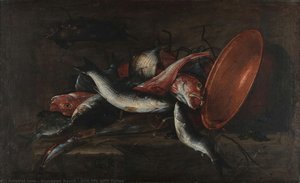
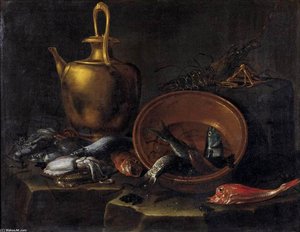
- Vanitas and Mortality: In works such as Still life with fishes, Recco utilized the imagery of decaying organic matter to serve as a powerful meditation on the fleeting nature of life, a common theme in the Dutch Golden Age influence.
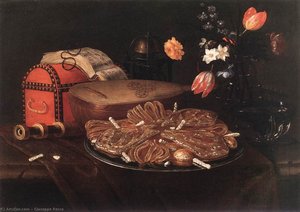
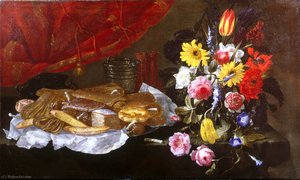
- Sensory Opulence: Through masterpieces like Still-life with the Five Senses, he celebrated the richness of the physical world, using vibrant tulips and opulent pastries to engage the viewer's senses.
- Natural Abundance: His ability to render Still-Life with Fruit and Flowers showcased a dramatic display of color and texture that captured the very essence of 17th-century Italian artistry.
Legacy and Historical Significance
The historical significance of Giuseppe Recco lies in his ability to elevate the still life from a mere decorative genre to a profound narrative medium. By blending the lushness of Neapolitan tradition with the dramatic tension of the Baroque, he created works that functioned as both celebrations of prosperity and reminders of time's inevitable passage. His influence resonated through the decades, leaving behind an oeuvre that continues to captivate collectors and historians alike. Today, his paintings remain iconic symbols of a period where art sought to find the divine within the tangible, making him a true master of the delicate drama found in the natural world.
Giuseppe Recco
1634 - 1695 , Italy
Quick Facts
- Artistic Movement Or Style: Baroque
- Artists Or Movements Influenced By This Artist: ['Dutch Golden Age']
- Artists Who Influenced This Artist: ['Giovanni Battista Ruoppolo']
- Date Of Birth: 1634 Naples Italy
- Date Of Death: 1695 Alicante Spain
- Full Name: Giuseppe Recco
- Nationality: Italian
- Notable Artworks:
- Still life with fishes
- Still-life with the Five Senses
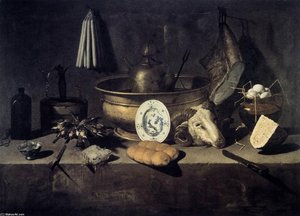
- Still-life with a Ram's Head
- Place Of Birth: Naples Italy
Related Articles
Decoding Baroque Grandeur: A Guide to the Drama and Emotion of 17th-Century Art
Explore the breathtaking drama of 17th-century Baroque art. Our expert guide decodes the use of chiaroscuro, emotional intensity, and historical grandeur to help you appreciate and curate timeless masterpieces for your collection.
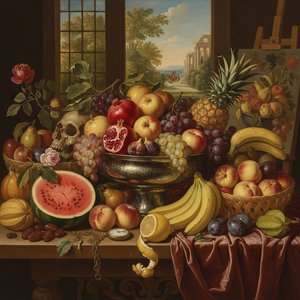
The Bountiful Still Life: Symbolism & Artistic Representation of Fruit Across Art History
Explore the rich history of still life painting & the symbolism of fruit across art movements. Discover masterpieces from Caravaggio to Cézanne with ArtsDot – expert guidance & museum-quality reproductions.

Baroque Masterpieces: 10 Paintings That Defined an Era |
Journey through the drama & grandeur of Baroque art! Explore 10 masterpieces by Caravaggio, Rembrandt, Rubens & more. Discover stunning oil paintings, rich colors & timeless stories. Find museum-quality reproductions at .
Baroque Classicism: Reconciling Drama & Order in 17th-Century Art
Explore the captivating world of Baroque Classicism! Discover its history, key artists like Caravaggio & Rubens, and defining characteristics. Expert insights & high-quality reproductions at ArtsDot.
Silent Narratives: Exploring the Enduring Appeal of Still Life Painting Across Centuries
Explore the rich history of still life painting with ArtsDot. Discover Dutch Masters, decode vanitas symbolism & learn about collecting timeless art. Expert insights and museum-quality reproductions.