 Preview
 Send
Send Share
Share
 Details

 Download
 Similars
 X-Ray
X-Ray Diaporama
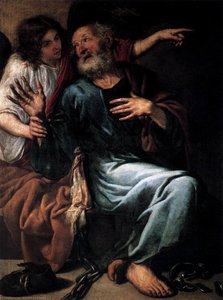
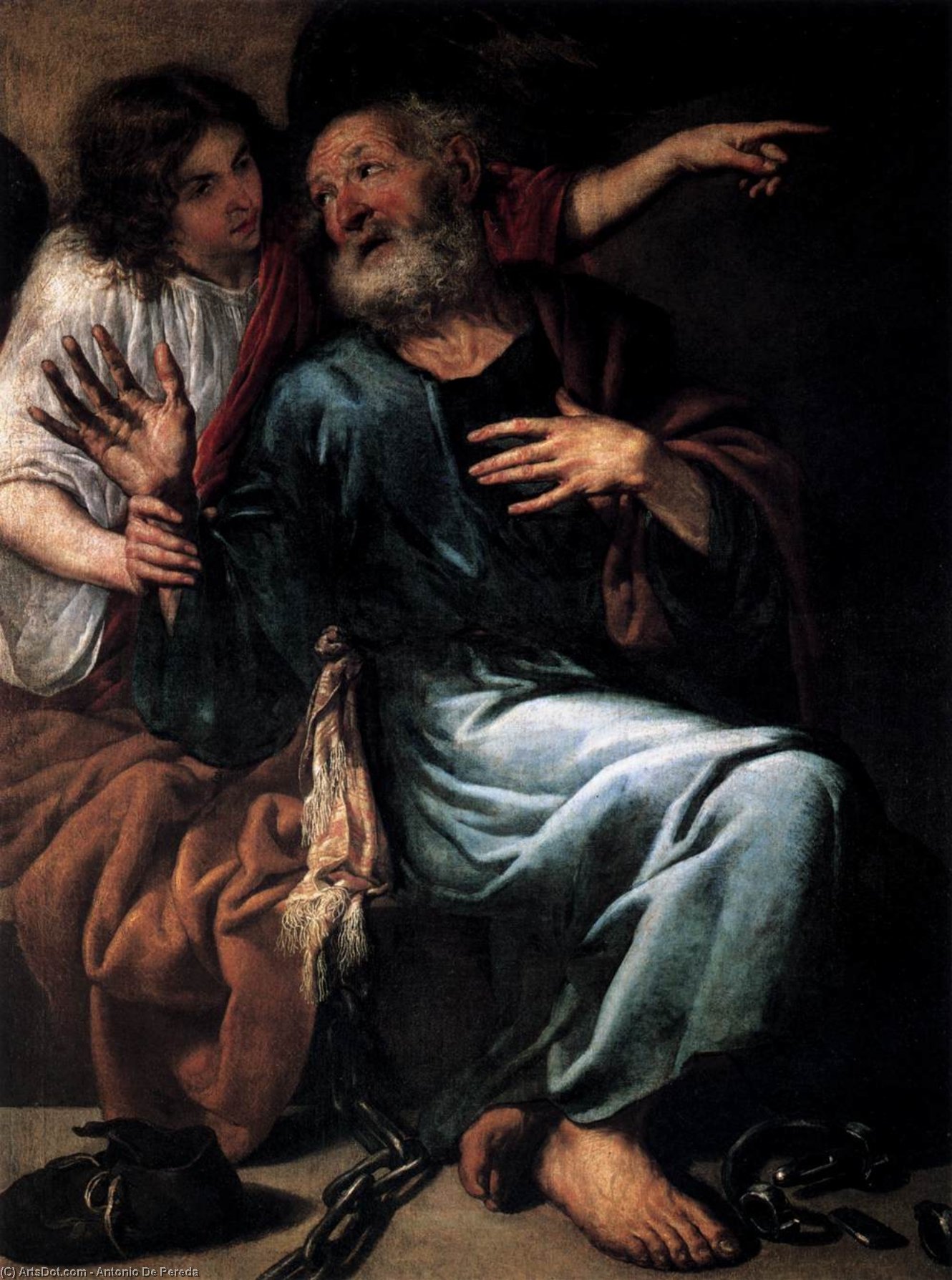
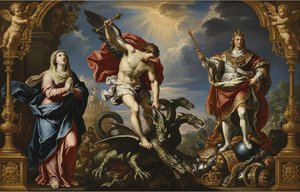
The Liberation of St Peter by an Angel
 Acrylic On Canvas
- WallArt
- Spanish Baroque
 1643
1643 145.0 x 110.0 cm
 Museo del Prado
 Read More
Hand Made Oil Reproduction
Hand-painted oil on canvas in your size and frame, made to order by our artists. ( Buy Print Buy Image)




P118B $10

P118H $10

P118W $10

P438Z $10

P508JH $12

P508YH $12

P805H $10

P805Z $10

P919BZ $10

P919G $10

P919XJ $10

P959ZH $10

P968JZ $12

W106C $8

W218G $10

W218JH $8

W218Y $10

W307PJ $10

W316G $10

W316PJ $8

W316Y $10

W398PJ $8

W4111J $10

W500HY $15

W500JH $15

W692G $12

W849H $8

W940BG $15

W953PJ $8




Pick from our preset sizes that match the artwork's original proportions.

You may enter your own dimensions to fit a specific frame or space. If your selected size does not match the original image's proportions, we will either crop the artwork or extend the painting with additional hand-painted elements. A digital mockup will be sent for your approval before production begins.
Please note that the on-screen preview does not reflect the actual cropping or extension. Only the mockup will accurately show the final composition.
While custom sizes are available, we recommend selecting a dimension from the predefined list to preserve the original proportions.
After order, ArtsDot.com team will email client for instructions and provide a mockup preview
Worldwide Delivery () in 3/4 weeks instead of standard 5 weeks. (27 August). No compromise on quality.

Free Worldwide Express Shipping

High-Quality Linen Canvas

Full Shipping Insurance

Customs Tax Refund Guarantee

True Color Matching Guarantee

60-Day Return Policy (Defects Only)

100% Money-Back Guarantee

Bulk Discount Offer
 Glass option is only available in size under 110 CM

The Liberation of St Peter by an Angel
Reproduction Medium
Reproduction Size
-


Total Price
$ 263
The Liberation of St Peter by an Angel – A Baroque Drama of Faith and Freedom
Antonio de Pereda’s “The Liberation of St Peter by an Angel,” painted in 1643, is more than a religious scene; it's a dynamic tableau brimming with dramatic tension and profound spiritual significance. This captivating work, measuring 145 x 110 cm, transports the viewer into a pivotal moment from the life of Saint Peter – his miraculous release from imprisonment – rendered in the vibrant, emotionally charged style characteristic of Spanish Baroque painting. Pereda masterfully employs tenebrism, a technique popularized by Caravaggio, to sculpt light and shadow, drawing our attention to key figures and amplifying the scene’s inherent drama.
The composition immediately commands attention. At its heart stands Peter, depicted as a man of considerable age yet radiating an aura of resolute faith. He gestures emphatically towards an unseen tormentor, his posture conveying both vulnerability and unwavering conviction. To his left, a woman embodies supplication, her hands raised in fervent prayer – a poignant representation of the human yearning for deliverance. On the right, another figure, partially obscured, adds to the sense of urgency and struggle. The backdrop is dominated by two radiant angels, their wings outstretched, symbolizing divine intervention and the promise of salvation. The presence of several chains scattered throughout the scene powerfully underscores Peter’s recent confinement, emphasizing the magnitude of his liberation.
A Window into 17th-Century Spain
Pereda's work is firmly rooted in the artistic landscape of 17th-century Spain, a period marked by intense religious fervor and a flourishing of Baroque art. Following the expulsion of the Moors from Granada in 1492, Spain experienced a surge in Catholic piety and patronage, fueling an explosion of artistic production dedicated to religious themes. Pereda’s painting reflects this cultural climate, aligning with the prevailing aesthetic values of the era – dramatic intensity, emotional realism, and a deep engagement with biblical narratives. His work also demonstrates influence from earlier masters like Jacopo di Cione, as evidenced by the predella panel style and the depiction of a miraculous event.
Interestingly, Pereda’s career was significantly shaped by his association with Giovanni Battista Crescenzi, a prominent court painter whose death in 1635 abruptly altered Pereda's trajectory. Initially favored at the Spanish court, Pereda found himself exiled after Crescenzi’s passing. This period of adversity undoubtedly informed the intensity and emotional depth evident in works like “The Liberation of St Peter,” suggesting a personal resonance with themes of struggle and redemption.
Symbolism and Spiritual Resonance
Beyond its narrative clarity, "The Liberation of St Peter" is rich in symbolic meaning. The chains represent not only physical imprisonment but also the bonds of sin and earthly constraints. The angel’s intervention signifies divine grace and the triumph of faith over adversity. The cup in the lower-left corner could symbolize the chalice of salvation or a reminder of Christ's sacrifice, further enriching the painting’s spiritual dimension. The figures themselves embody universal human experiences – hope, despair, prayer, and unwavering belief.
Furthermore, the scene speaks to the broader theological concept of martyrdom and the enduring power of faith in the face of persecution. Peter’s liberation is not merely a miraculous event; it's a testament to God’s unwavering protection and the promise of eternal life for those who remain steadfast in their devotion.
A Masterpiece for the Collector
Reproductions of “The Liberation of St Peter by an Angel” offer a remarkable opportunity to bring this compelling Baroque masterpiece into any interior space. The dramatic lighting, dynamic composition, and profound emotional depth create a focal point that will captivate viewers and evoke a sense of awe and reverence. Whether adorning a grand salon or a more intimate setting, this painting’s timeless themes and exquisite artistry ensure its enduring appeal for art lovers and collectors alike.
Related Artworks

Artist Biography
Antonio de Pereda: A Master of Spanish Baroque
Antonio de Pereda y Salgado (1611 – 1678) was a prominent Spanish Baroque-era painter, celebrated primarily for his exquisite still lifes. Born in Valladolid, Spain, he emerged as a significant figure within the Madrid school of painting.
Early Life and Artistic Family
Pereda came from a deeply artistic family; his father, mother, and two brothers were all painters. This familial environment undoubtedly fostered his early interest and development in art. He received his initial training in Madrid under Pedro de las Cuevas, a respected painter of the time.
Patronage and Early Career
A pivotal moment in Pereda’s career came with the patronage of Giovanni Battista Crescenzi, an influential figure at the Spanish court. Crescenzi took Pereda under his wing, providing him with opportunities and guidance. However, following Crescenzi's death in 1635, Pereda was expelled from the court and began to accept commissions from religious institutions.
Artistic Development and Style
Pereda’s artistic style is characterized by a masterful use of tenebrism, a dramatic contrast between light and dark. This technique, common in Baroque painting, adds depth and emotional intensity to his works. While best known for still lifes, Pereda also excelled in religious paintings and historical compositions.
Major Works and Achievements
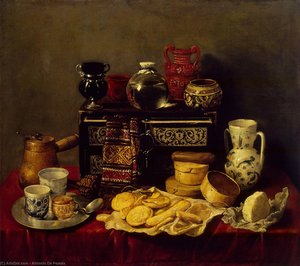
- Still Lifes: Pereda’s still lifes are renowned for their realism, meticulous detail, and symbolic meaning. Examples include “Still-Life with Fruit” and “Still-Life with an Ebony Chest.”
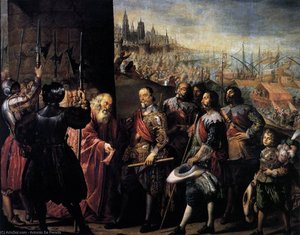
- Historical Paintings: He contributed significantly to the decorative program of the Salón de Reinos at the Buen Retiro Palace in Madrid. His most notable historical painting is “The Relief of Genoa” (1635), created as part of a series alongside works by Velázquez, notably "The Surrender of Breda".
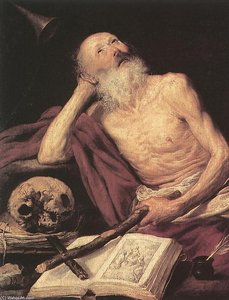
- Religious Paintings: Pereda produced numerous religious paintings, often depicting scenes from the lives of saints and biblical narratives. “St Jerome” is a prime example of his skill in this genre.
Influences
Pereda’s work was influenced by several key artists and movements:
- Pedro de las Cuevas: His early teacher, who provided foundational training.
- Giovanni Battista Crescenzi: Provided patronage and guidance during his time at court.
- Caravaggio & the Caravaggisti: The dramatic use of tenebrism reflects the influence of Caravaggio and his followers.
Historical Significance
Antonio de Pereda occupies an important place in Spanish Baroque art. His still lifes are considered among the finest examples of the genre, showcasing a remarkable ability to capture texture, light, and form. His historical paintings demonstrate his versatility and skill as a large-scale narrative painter. He contributed significantly to the artistic landscape of 17th-century Spain, leaving behind a legacy of masterful works that continue to be admired today.
Antonio de Pereda
1611 - 1678 , Spain
Quick Facts
- Birth Date: 1611
- Birth Place: Valladolid, Spain
- Death Date: 1678
- Influenced By: Pedro de las Cuevas, Giovanni Battista Crescenzi
- Movement: Baroque
- Name: Antonio de Pereda y Salgado
- Nationality: Spanish
- Notable Works:
- Relief of Genoa
- Still-Life with an Ebony Chest
- St Jerome
- The Knight's Dream
Related Articles
Celestial Messengers: Angels in Painting – A Historical & Artistic Exploration
Explore the captivating history of angels in painting! Discover symbolism, iconic Renaissance & Byzantine masterpieces, and renowned artists. Expert insights for art lovers & collectors at ArtsDot.
Celestial Messengers: A Comprehensive Exploration of Angelic Representation in Art History
Explore the captivating history of angels in art! Discover symbolism, iconic Renaissance masterpieces & renowned artists. Expert insights for art lovers & collectors at ArtsDot.

The Dramatic Flourish: Exploring the Baroque Movement's Enduring Legacy in Art History
Explore the dramatic world of Baroque art! Discover iconic artists like Caravaggio & Rubens, defining techniques, and its lasting impact on art history. Expert insights for collectors & enthusiasts at ArtsDot.
The Dramatic Flourish: Exploring Themes of Power, Faith & Emotion in Baroque Artworks
Explore the dramatic world of Baroque art! Discover masters like Zurbarán & the powerful influence of religious zeal on painting techniques. Expert insights for collectors and enthusiasts.

Baroque Masterpieces: 10 Paintings That Defined an Era |
Journey through the drama & grandeur of Baroque art! Explore 10 masterpieces by Caravaggio, Rembrandt, Rubens & more. Discover stunning oil paintings, rich colors & timeless stories. Find museum-quality reproductions at .