 Preview
 Send
Send Share
Share
 Details

 Download
 Similars
 X-Ray
X-Ray Diaporama
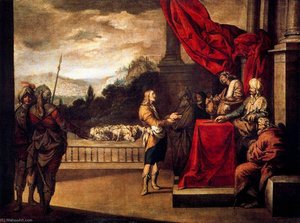
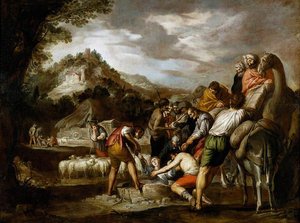
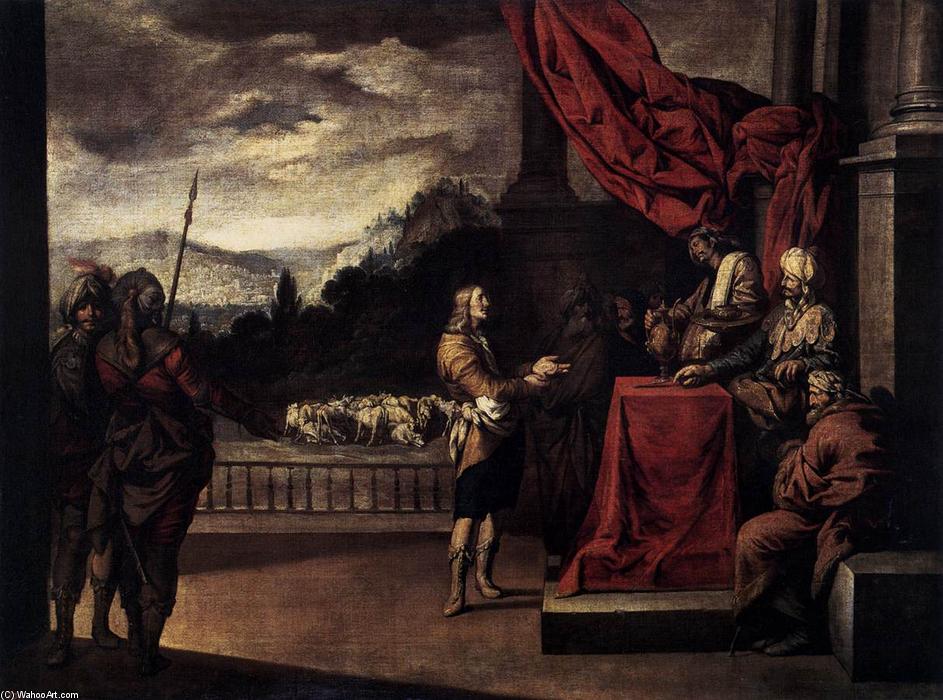
Joseph Explains the Dream of the Pharaoh
 Oil On Canvas
- WallArt
- Baroque
 109.0 x 145.0 cm
 Museo del Prado
 Read More
Hand Made Oil Reproduction
Hand-painted oil on canvas in your size and frame, made to order by our artists. ( Buy Print Buy Image)




P118B $10

P118H $10

P118W $10

P438Z $10

P508JH $12

P508YH $12

P805H $10

P805Z $10

P919BZ $10

P919G $10

P919XJ $10

P959ZH $10

P968JZ $12

W106C $8

W218G $10

W218JH $8

W218Y $10

W307PJ $10

W316G $10

W316PJ $8

W316Y $10

W398PJ $8

W4111J $10

W500HY $15

W500JH $15

W692G $12

W849H $8

W940BG $15

W953PJ $8




Pick from our preset sizes that match the artwork's original proportions.

You may enter your own dimensions to fit a specific frame or space. If your selected size does not match the original image's proportions, we will either crop the artwork or extend the painting with additional hand-painted elements. A digital mockup will be sent for your approval before production begins.
Please note that the on-screen preview does not reflect the actual cropping or extension. Only the mockup will accurately show the final composition.
While custom sizes are available, we recommend selecting a dimension from the predefined list to preserve the original proportions.
After order, ArtsDot.com team will email client for instructions and provide a mockup preview
Worldwide Delivery () in 3/4 weeks instead of standard 5 weeks. (24 August). No compromise on quality.

Free Worldwide Express Shipping

High-Quality Linen Canvas

Full Shipping Insurance

Customs Tax Refund Guarantee

True Color Matching Guarantee

60-Day Return Policy (Defects Only)

100% Money-Back Guarantee

Bulk Discount Offer
 Glass option is only available in size under 110 CM

Joseph Explains the Dream of the Pharaoh
Reproduction Medium
Reproduction Size
-


Total Price
$ 263
Artwork Description
A Window Into Biblical Narrative: Antonio del Castillo y Saavedra’s “Joseph Explains the Dream of the Pharaoh”
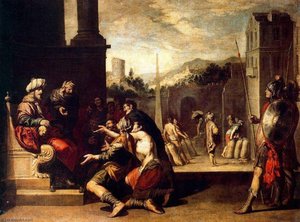
The Museo del Prado in Madrid houses a masterpiece that transcends mere visual representation—Antonio del Castillo y Saavedra’s “Joseph Explains the Dream of the Pharaoh,” an oil painting completed sometime around 1650. More than just depicting a pivotal moment from Genesis, this artwork embodies the spirit of Baroque art and offers a profound glimpse into the artistic sensibilities of its era. Examining its composition, technique, and symbolic resonance reveals layers of meaning that continue to captivate audiences centuries later.The Scene Unfolds: Composition and Narrative Detail
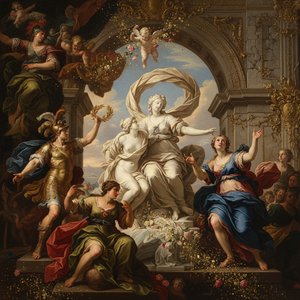
Del Castillo’s depiction centers on Joseph, son of Jacob and Rachel, standing confidently before Pharaoh's throne—a symbol of royal authority and divine providence. He gestures emphatically towards Pharaoh, conveying the urgency of his message – an interpretation of Pharaoh’s prophetic dream concerning seven years of prosperity followed by seven years of famine. The artist meticulously captures the grandeur of the palace interior, utilizing architectural elements like columns and drapery to establish a sense of scale and majesty. Surrounding Joseph are attendants who listen intently, reflecting the importance placed upon interpreting divine signs and safeguarding the kingdom’s future. Beyond the throne room lies a landscape—a deliberate inclusion that expands the narrative beyond the immediate setting, suggesting the broader implications of Pharaoh's predicament. The overcast sky contributes to an atmosphere of solemn contemplation, mirroring the gravity of the situation being portrayed.Baroque Technique: Light and Shadow – Mastering Illusion
Del Castillo’s masterful execution exemplifies the hallmarks of Baroque painting—specifically, dramatic chiaroscuro. He skillfully employs light and shadow to sculpt figures and create depth within the canvas. Intense highlights illuminate Joseph's face and attire, emphasizing his conviction and conveying a sense of spiritual illumination. Conversely, darker tones envelop the throne room and landscape, fostering an illusionistic effect that draws viewers into the scene. The artist’s meticulous brushwork contributes to the painting’s textural richness, capturing the subtle nuances of fabric folds and architectural surfaces. This technique wasn't merely decorative; it served a crucial purpose in conveying emotion and enhancing the dramatic impact of the biblical narrative.Symbolism Beyond the Dream: Faith and Divine Guidance
“Joseph Explains the Dream of the Pharaoh” is laden with symbolic significance rooted in Christian theology. Joseph’s posture embodies humility before God, acknowledging divine wisdom and accepting responsibility for interpreting prophetic visions. The throne symbolizes royal power but also represents God's dominion over earthly affairs—a reminder that human rulers are ultimately accountable to a higher authority. Furthermore, the landscape serves as a backdrop for contemplation, symbolizing the eternal realm of God’s grace and offering solace amidst worldly anxieties. The dream itself is interpreted as a divine warning about impending hardship, urging Pharaoh to heed Joseph's counsel and prepare for future challenges—a testament to faith’s ability to illuminate even the darkest moments.Emotional Resonance: Capturing Human Dignity and Spiritual Conviction
Ultimately, Del Castillo succeeds in conveying profound emotional resonance. The painting captures the dignity of human intellect as Joseph strives to communicate complex theological concepts with clarity and conviction. His gaze directs towards Pharaoh, projecting confidence and determination—a visual embodiment of faith’s unwavering belief in divine providence. The overall mood is one of solemn seriousness, reflecting the weighty responsibility entrusted to Joseph and highlighting the importance of interpreting prophetic messages. “Joseph Explains the Dream of the Pharaoh” remains a powerful reminder that art can transcend time, communicating timeless truths about faith, leadership, and the enduring quest for understanding.Related Artworks



Artist Biography
a spanish baroque master (1616-1668)
antonio del castillo y saavedra, a prominent figure in spanish art, left an indelible mark on the world of painting, sculpture, and poetry. born in córdoba, spain, on july 10, 1616, he embarked on a journey that would see him transcend various artistic disciplines.early life and training
under the tutelage of his father, agustín del castillo, antonio received his initial training in painting. following his father's passing, from 1631 to 1634, he continued his studies with ignacio aedo calderón, a lesser-known religious painter. later, in seville, he honed his skills under the guidance of francisco de zurbarán and his uncle, juan del castillo, who also taught notable artists like cano, murillo, and de moya.artistic contributions
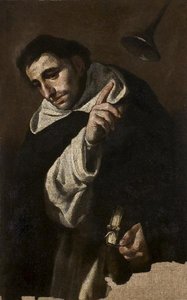
antonio's work is characterized by its vividness and emotional depth. some of his notable works include:- san vicente ferrer, an oil on canvas painting that captures the essence of cordoba's surroundings.
- paisaje con san juan bautista niño dormido, another oil on canvas piece, showcasing the beauty of cordoba and its environs.
- his frescoes and oil paintings in the church of santa marina are a testament to his skill and versatility.
museums featuring his work
- the museum palacio de viana (córdoba, spain), which houses an impressive collection of european paintings and sculptures from the 14th to the 20th century. /en/art/show/art-d3aj6b-en/
- other notable museums featuring his work can be found on ArtsDot's comprehensive guide to spanish art and artists. [https://ArtsDot.com/@/antonio-del-castillo-y-saavedra](https://ArtsDot.com/@/antonio-del-castillo-y-saavedra)
legacy
antonio del castillo y saavedra's legacy is a testament to his multifaceted artistic genius. his passing on february 2, 1668, marked the end of an era but also paved the way for future generations of artists. discover more about antonio del castillo y saavedra and other spanish baroque painters through ArtsDot's extensive collection: /en/art/show/art-d3atkt-en/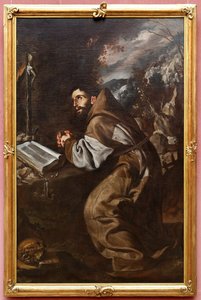
antonio del castillo y saavedra
1616 - 1668 , Spain
Quick Facts
- Artistic Movement Or Style: Baroque
- Artists Or Movements Influenced By This Artist: ['Murillo']
- Artists Who Influenced This Artist:
- Francisco de Zurbarán
- Ignacio Aedo Calderón
- Date Of Birth: July 10, 1616
- Date Of Death: February 2, 1668
- Full Name: Antonio del Castillo y Saavedra
- Nationality: Spanish
- Notable Artworks:
- San Vicente Ferrer
- Paisaje con San Juan Bautista niño dormido
- Frescoes in Santa Marina
- Place Of Birth: Córdoba, Spain
Related Articles

Baroque Masterpieces: 10 Paintings That Defined an Era |
Journey through the drama & grandeur of Baroque art! Explore 10 masterpieces by Caravaggio, Rembrandt, Rubens & more. Discover stunning oil paintings, rich colors & timeless stories. Find museum-quality reproductions at .

Baroque Drama: Bringing Opulence & Emotion into Contemporary Interiors
Explore the opulent world of Baroque interior design! Discover key elements, modern applications & how to bring dramatic elegance into your home with 's authentic reproductions.

The Dramatic Flourish: Exploring the Baroque Movement's Enduring Legacy in Art History
Explore the dramatic world of Baroque art! Discover iconic artists like Caravaggio & Rubens, defining techniques, and its lasting impact on art history. Expert insights for collectors & enthusiasts at ArtsDot.

The Visceral Stage: Exploring Dramatic Narratives & Emotional Intensity in Baroque Art
Explore the dramatic world of Baroque art! Discover iconic masters like Caravaggio & Rembrandt, their techniques, and the movement's lasting impact. Expert insights for collectors & enthusiasts at ArtsDot.
Theatricality & Triumph: Baroque Drama in Painting & Sculpture
Explore the dramatic world of Baroque art! Discover its history, defining characteristics, & lasting influence on painting & sculpture. Expert insights into Caravaggio, Zurbarán, and Bernini – plus high-quality reproductions at ArtsDot.