 Preview
 Send
Send Share
Share
 Details

 Download
 Similars
 X-Ray
X-Ray Diaporama
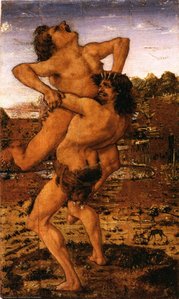
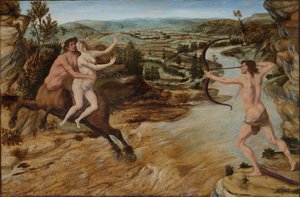
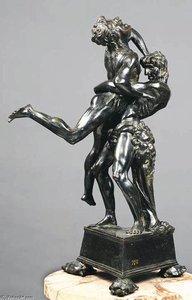
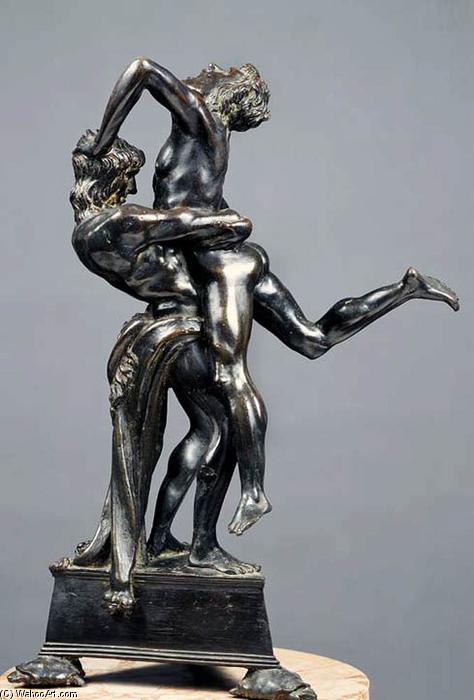
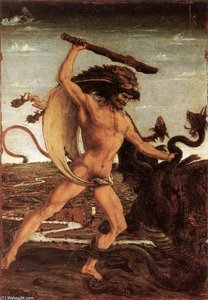
Hercules and Anteus


 Read More
Hand Made Oil Reproduction
Hand-painted oil on canvas in your size and frame, made to order by our artists. ( Buy Print Buy Image)




P118B $10

P118H $10

P118W $10

P438Z $10

P508JH $12

P508YH $12

P805H $10

P805Z $10

P919BZ $10

P919G $10

P919XJ $10

P959ZH $10

P968JZ $12

W106C $8

W218G $10

W218JH $8

W218Y $10

W307PJ $10

W316G $10

W316PJ $8

W316Y $10

W398PJ $8

W4111J $10

W500HY $15

W500JH $15

W692G $12

W849H $8

W940BG $15

W953PJ $8




Pick from our preset sizes that match the artwork's original proportions.

You may enter your own dimensions to fit a specific frame or space. If your selected size does not match the original image's proportions, we will either crop the artwork or extend the painting with additional hand-painted elements. A digital mockup will be sent for your approval before production begins.
Please note that the on-screen preview does not reflect the actual cropping or extension. Only the mockup will accurately show the final composition.
While custom sizes are available, we recommend selecting a dimension from the predefined list to preserve the original proportions.
After order, ArtsDot.com team will email client for instructions and provide a mockup preview
Worldwide Delivery () in 3/4 weeks instead of standard 5 weeks. (24 August). No compromise on quality.

Free Worldwide Express Shipping

High-Quality Linen Canvas

Full Shipping Insurance

Customs Tax Refund Guarantee

True Color Matching Guarantee

60-Day Return Policy (Defects Only)

100% Money-Back Guarantee

Bulk Discount Offer
 Glass option is only available in size under 110 CM

Hercules and Anteus
Reproduction Medium
Reproduction Size
-


Total Price
$ 288
Artwork Description
Hercules and Anteus: A Renaissance Triumph of Strength and Narrative
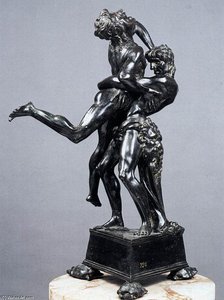
The sculpture “Hercules Slaying Antaeus,” created by Antonio del Pollaiuolo around 1460, stands as a testament to the artistic fervor of Florence during the High Renaissance. More than just a depiction of mythological combat, it embodies the humanist ideals that characterized the era—a celebration of human potential and mastery over nature through meticulous observation and skillful execution. Commissioned likely for a wealthy Florentine patron, this bronze masterpiece captures a pivotal moment from Greek mythology: Hercules’s decisive victory over Antaeus, Titan son of Poseidon, who had grown enormous by consuming Ambrosia and nectar – the food of the gods.- Composition & Dynamics: Del Pollaiuolo skillfully employs pyramidal composition to emphasize Hercules's dominance. The sculptor positions Hercules centrally, dominating Anteus with his outstretched arm gripping Antaeus’s neck—a gesture conveying both physical force and unwavering resolve. The intertwined figures create a dynamic interplay of movement, reflecting the exertion inherent in the struggle for supremacy. Careful attention to anatomical detail ensures realism while simultaneously elevating the scene into an idealized representation of heroic prowess.
- Material & Technique: Crafted from bronze using the lost-wax casting method—a technique perfected during this period—the sculpture showcases exceptional craftsmanship. The artist’s mastery is evident in the intricate surface texture, capturing subtle variations in smoothness and roughness that contribute to the overall impression of solidity and grandeur. The use of marble or similar stone for the base provides stability and anchors the monumental figure within its environment.
- Color Palette & Lighting: The sculpture’s bronze hue—ranging from deep browns to lighter metallic tones—creates a subdued yet impactful aesthetic. Del Pollaiuolo utilizes directional lighting to accentuate musculature, highlighting contours and casting shadows that deepen the sense of three-dimensionality. This careful manipulation of light enhances visual appeal and underscores the sculpture's dramatic narrative.
- Symbolism & Narrative Depth: Beyond its literal portrayal of a mythological battle, “Hercules Slaying Antaeus” speaks to broader themes of overcoming obstacles and achieving triumph through perseverance. Hercules represents divine strength and courage—qualities admired throughout antiquity—while Antaeus embodies primal power and vulnerability. The sculpture’s narrative underscores the importance of confronting challenges head-on with unwavering determination.
- Renaissance Influence & Artistic Legacy: Del Pollaiuolo's work aligns seamlessly with the Renaissance preoccupation for classical ideals, drawing inspiration from Roman sculptures that celebrated human form and heroic narratives. Like Michelangelo’s David or Leonardo da Vinci’s Mona Lisa, “Hercules Slaying Antaeus” exemplifies the humanist spirit—a belief in human dignity and intellectual curiosity—that propelled artistic innovation during this transformative period.
Related Artworks

Artist Biography
A Florentine Master of Movement and Form
Antonio del Pollaiuolo, a name resonating with the dynamism of the Italian Renaissance, emerged in Florence around 1429 as a pivotal figure who redefined artistic expression. Born into a family whose trade – “pollaiuolo” meaning hen coop – belied the soaring heights his artistry would reach, Antonio’s journey began not with brush and canvas, but with the meticulous craft of goldsmithing and metalworking. This early immersion in intricate detail and precise execution profoundly shaped his later endeavors, instilling a dedication to anatomical accuracy and technical mastery that became hallmarks of his style. He wasn't merely an artist; he was a craftsman who seamlessly blended skill with innovation, leaving an indelible mark on Florentine art. His father’s workshop, likely under the tutelage of Bartoluccio di Michele and influenced by Lorenzo Ghiberti, provided the foundational training that would propel him toward artistic greatness.Collaboration and Anatomical Inquiry
The initial stages of Pollaiuolo's career were inextricably linked with his brother, Piero del Pollaiuolo. Their collaborative spirit fostered a shared aesthetic characterized by a fascination with classical antiquity and an unwavering commitment to understanding the human form. Distinguishing individual contributions within their joint works often proves challenging, yet it’s clear that both brothers possessed a relentless curiosity about anatomy. Legend has it they even engaged in dissections – a daring practice for the time – to deepen their comprehension of musculature and skeletal structure. This dedication to realism wasn't simply academic; it fueled their ability to depict figures with unprecedented dynamism and expressive power. Their combined studio became a crucible where classical ideals were forged anew, infused with a distinctly Renaissance sensibility. The influence of early masters like Andrea del Castagno is also evident in their work, providing a bridge between the traditions of the past and the burgeoning innovations of the era.Sculpture, Painting, and the Birth of Engraving
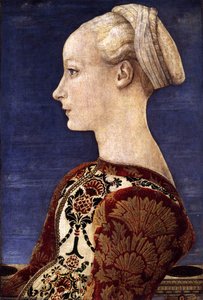
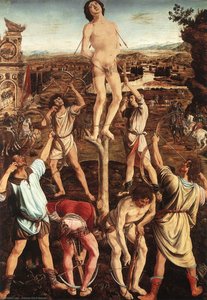
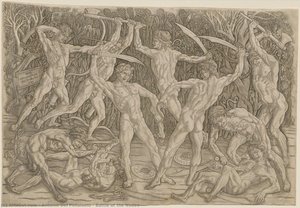
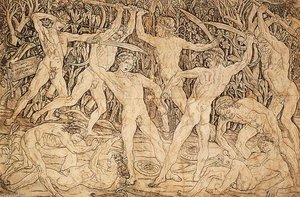
Antonio del Pollaiuolo’s artistic output spanned diverse media, each showcasing his unique vision. While celebrated as a painter, he achieved particular renown for his sculptures and engravings. His works frequently depict heroic narratives, often centered around figures from classical mythology like Hercules, embodying strength, struggle, and triumph. The addition of the infant Romulus and Remus to an existing bronze she-wolf sculpture stands as a testament to his skill in metalwork, demonstrating both technical prowess and artistic sensitivity. However, it was in the realm of engraving that Pollaiuolo truly revolutionized Italian art. His Battle of the Nudes (circa 1465–1475) wasn’t merely an image; it was a groundbreaking exploration of form, composition, and expressive potential. This print, celebrated for its dynamic energy, anatomical precision, and dramatic interplay of light and shadow, significantly advanced engraving techniques and profoundly influenced artists like Albrecht Dürer. His paintings, such as the striking Saint Sebastian (1473-1475), are known for their brutal realism, while his female portraits exude a calmness and meticulous attention to detail in fashion.Roman Commissions and Lasting Legacy
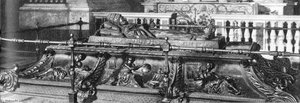
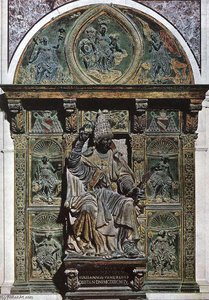
In 1484, Pollaiuolo accepted a prestigious commission that led him to Rome, where he embarked on the monumental task of creating the tomb of Pope Sixtus IV – a project completed in 1493. This undertaking showcased his ability to translate artistic vision into large-scale sculptural form, solidifying his reputation as one of Italy’s leading artists. He later returned to Florence to oversee work on the sacristy of Santo Spirito before ultimately passing away in Rome in 1498. His death marked the end of an era, but his influence continued to resonate through generations of artists. Among his pupils was Sandro Botticelli, who absorbed Pollaiuolo’s emphasis on anatomical accuracy and dynamic composition. The tombs of Sixtus IV and Innocent VIII stand as enduring monuments to his skill, while his innovative engravings continue to inspire awe and admiration. Antonio del Pollaiuolo's contributions were significant; he wasn’t just a painter or sculptor but a true Renaissance polymath who redefined the possibilities of artistic expression.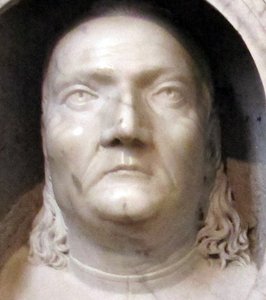
Antonio del Pollaiuolo
1429 - 1498 , Italy
Quick Facts
- Artistic Movement Or Style: Renaissance
- Artists Or Movements Influenced By This Artist:
- Sandro Botticelli
- Albrecht Dürer
- Artists Who Influenced This Artist:
- Bartoluccio di Michele
- Lorenzo Ghiberti
- Date Of Birth: 1429
- Date Of Death: 1498
- Full Name: Antonio del Pollaiuolo
- Nationality: Italian
- Notable Artworks:
- Saint Sebastian
- Monument of Sixtus IV
- David Victorious
- Battle of the Nudes
- Place Of Birth: Florence, Italy
Related Articles

Bronze Age to Modern Masters: 10 Sculptures That Redefined Art | ArtsDot
Journey through art history with 10 legendary bronze sculptures – from Michelangelo's David to Rodin’s Thinker. Explore the stories, techniques & timeless beauty of these masterpieces. Find museum-quality reproductions & elevate your home decor on ArtsDot.com.

Bronze Sculptures That Defined Art History | ArtsDot
Journey through art history with our Top 10 bronze sculptures! Explore masterpieces by Rodin, Michelangelo & more. Discover stories behind iconic statues and find museum-quality reproductions for your home decor at ArtsDot.com.

The Enduring Legacy of Bronze: A Historical & Artistic Exploration for the Collector
Explore the rich history & enduring appeal of bronze sculpture with expert insights for collectors at ArtsDot. Learn about casting techniques, iconic artists, collecting tips & contemporary interpretations.
The Enduring Legacy of Bronze: History, Technique & Artistic Expression for the Collector
Explore the rich history & enduring appeal of bronze sculpture with expert insights for collectors at ArtsDot. Learn about casting techniques, iconic artists, and collecting tips.
The Enduring Legacy of Bronze Sculpture: A Collector's Guide to Form & Cultural Significance
Explore the rich history & enduring appeal of bronze sculpture with expert insights for collectors at ArtsDot. Learn about casting techniques, iconic artists, and collecting tips to build a discerning art collection.