

 Preview
 Send
Send Share
Share
 Details

 Download
 Similars
 X-Ray
X-Ray Diaporama
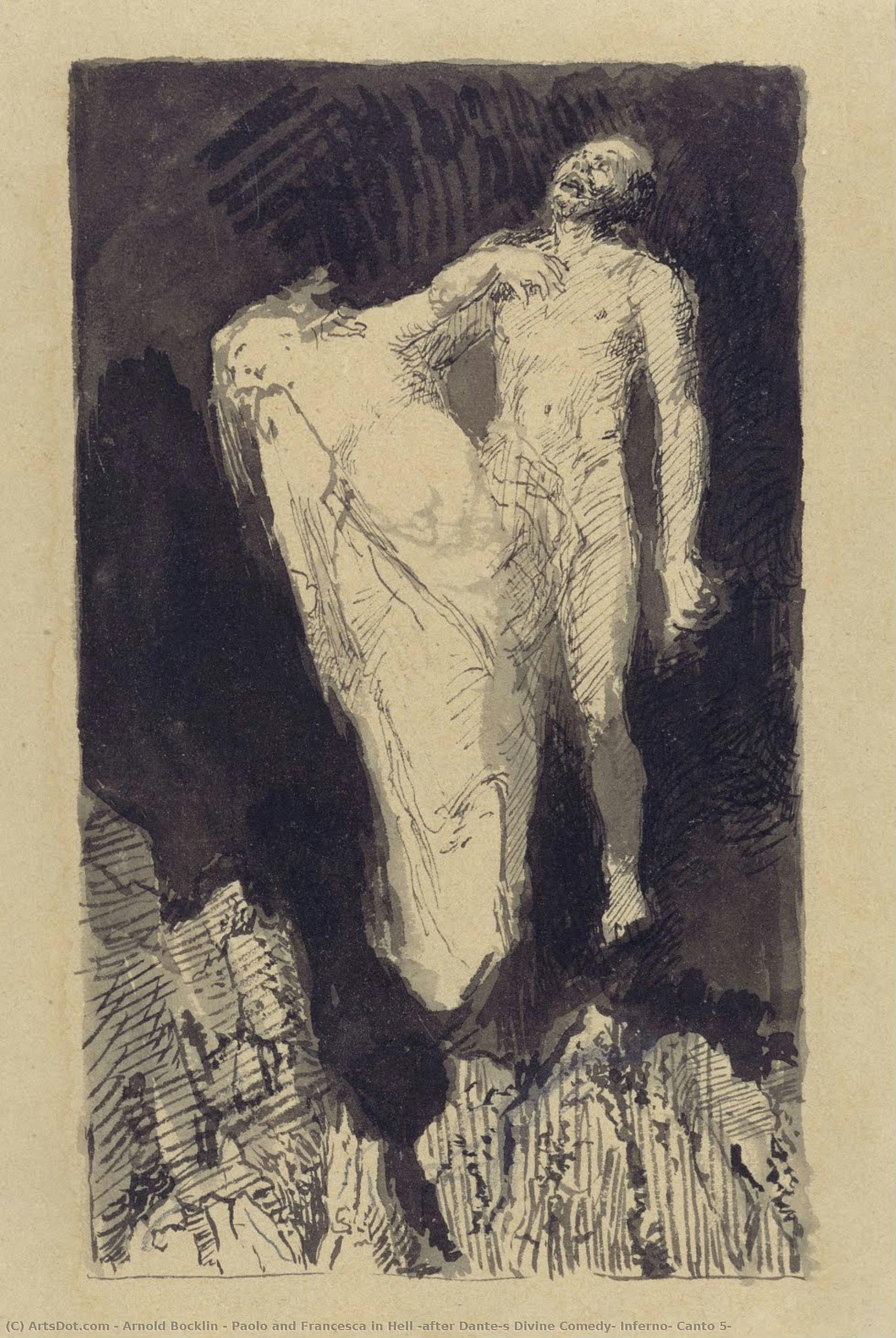
Paolo and Francesca in Hell (after Dante’s Divine Comedy, Inferno, Canto 5)
 Acrylic On Canvas
- WallArt
- Symbolist Painting
 14.0 x 22.0 cm
 Kupferstichkabinett
 Read More
Purchase a high-resolution, enhanced digital image, far superior to the online preview.
Each file is meticulously prepared by our in-house specialists using advanced tools and expert manual retouching. We ensure every image has exceptional clarity, precise color accuracy, and fine detail.
The final file is delivered via email within 72 hours, optimized for immediate use in professional, editorial, and print environments. This is the same quality trusted by top-tier design studios, publishers, and galleries.
Digital Image
Download a high-resolution file for personal display, printing, and creative projects. ( Buy Print Buy Hand Made Painting)
Included in Every Digital Image Order
Expert Digital Delivery, Guaranteed
When you choose ArtsDot.com, you're not just getting an image - you're receiving a professionally enhanced digital artwork, crafted with precision and backed by a satisfaction guarantee. Here's everything that comes with your order, automatically:

Fast Email Delivery
Your high-resolution digital image file will be emailed to you within 72 hours of ordering - ready for immediate use.

AI-Enhanced Digital File
Your artwork is professionally optimized using advanced AI tools and manual editing, ensuring maximum detail, clarity, and color accuracy.

Free Lifetime Re-Delivery
Accidentally deleted or lost your file? No worries - we'll resend it to you anytime, free of charge.

No Import Fees - Ever
Enjoy your artwork instantly with zero customs, duties, or delivery fees - digital downloads are always tax-free.

Color Accuracy Guarantee
We ensure your digital image reflects the original colors as closely as possible using professional tools and color management.

60-Day Satisfaction Guarantee
If you're not satisfied with your digital image, we'll revise it or refund 100% within 60 days - no questions asked.

100% Money-Back Guarantee
Not satisfied? Get a full refund within 60 days of receiving your digital file - no questions asked.

Bulk Order Discounts
Buy 3 images, save 10% - Buy 5, save 15% - Buy 10+, save 20%. Great for creative projects, galleries, and agencies.
Collectible Description
The Haunting Echoes of Love and Loss
Arnold Böcklin's "Paolo and Francesca in Hell" (1893-1895) isn’t merely a depiction of a tragic tale; it’s a profound plunge into the heart of Dante Alighieri’s *Inferno*, rendered with an unsettling beauty that continues to captivate viewers over a century later. Born in Basel, Switzerland, Böcklin was a key figure in the Symbolist movement, a period characterized by its focus on subjective experience and evocative imagery rather than strict realism. He sought to capture not just what he saw, but what he *felt*, drawing heavily from the rich tapestry of mythology, folklore, and the darker currents of the human psyche.
The painting’s genesis lies within Dante's own poetic vision – specifically, Canto V of the *Divine Comedy*. Dante, guided by Virgil through the second circle of hell, encounters Paolo and Francesca, lovers condemned for their adulterous passion. Böcklin masterfully translates this harrowing encounter onto canvas, eschewing a literal representation of the infernal landscape in favor of an intensely symbolic portrayal of despair and regret. The scene unfolds within a swirling vortex of dark blues and purples, suggesting both the tumultuous emotions experienced by the doomed lovers and the chaotic nature of hell itself. The figures are rendered with a haunting ethereal quality, almost dissolving into the surrounding darkness – a visual representation of their lost humanity.
A Study in Contrasting Forms
Böcklin’s technique is deliberately restrained yet powerfully expressive. He employs a meticulous, almost photographic realism in depicting the figures themselves—Paolo and Francesca are rendered with an unnerving detail, capturing every nuance of their anguish. However, he abandons precise rendering for the surrounding environment, opting instead for loose brushstrokes and atmospheric washes that create a sense of instability and unease. The use of charcoal and quill on paper lends the image a tactile quality, as if one could almost feel the cold wind whipping around the lovers’ bodies. Notice how Böcklin utilizes contrasting forms: Paolo's outstretched arms, reaching towards Francesca, are juxtaposed against her slumped posture, conveying a desperate yearning for connection amidst overwhelming despair.
- Color Palette: Dominated by deep blues, purples, and blacks, evoking the darkness of hell.
- Brushwork: Loose and expressive, creating an atmospheric effect.
- Medium: Quill and brush on paper – contributing to a tactile quality.
Symbolism and Dante’s Moral Lesson
Beyond the immediate depiction of Paolo and Francesca's tragic fate, the painting is laden with symbolic meaning. The swirling winds represent the destructive force of their illicit love, while the desolate landscape mirrors the spiritual emptiness they have embraced. Crucially, Böcklin doesn’t simply portray a romantic tragedy; he embodies Dante’s moral lesson: that earthly passions, unchecked by virtue and reason, lead to eternal damnation. Francesca's poignant speech – as recounted in *Inferno* – highlights her refusal to accept responsibility for her actions, attributing her downfall entirely to the irresistible power of love. This echoes a central theme within the *Divine Comedy*: the importance of free will and the consequences of succumbing to temptation.
A Timeless Portrait of Despair
“Paolo and Francesca in Hell” transcends its historical context, offering a timeless meditation on love, loss, and the inescapable weight of sin. The painting’s enduring power lies not just in its depiction of a specific story from Dante's *Inferno*, but in its ability to evoke a profound sense of melancholy and existential dread. It is a haunting reminder that even the most passionate loves can lead to ruin, and that true happiness resides in aligning one’s desires with virtue and reason. Reproductions of this work continue to resonate deeply, serving as a poignant visual testament to the enduring power of human emotion and the complexities of the human condition.
Related Artworks

Artist Biography
early life and training
arnold böcklin, a swiss symbolist painter, was born on october 16, 1827, in basel, switzerland. his father, christian frederick böcklin, descended from an old family of schaffhausen and engaged in the silk trade. arnold's mother, ursula lippe, was a native of the same city. he studied at the düsseldorf academy under schirmer, becoming a friend of anselm feuerbach. böcklin is associated with the düsseldorf school of painting.artistic career and symbolism
böcklin's artistic journey took him to various cities, including paris, where he worked at the louvre, and rome, where he was influenced by its sights. his work often featured allegorical and mythological figures in settings involving classical architecture, exploring themes of death and mortality.- great park, one of his earliest works, showcased ancient mythology.
- nymph and satyr (1858) and sappho (1859) were notable works from this period.
- böcklin's portrait of myself, with death playing a violin (1872) exemplified his unique style.
legacy and influence
böcklin is best known for his five versions of the isle of the dead (1880-1886), which evoked the english cemetery in florence, where his daughter was buried. his work influenced younger artists like hans thoma and inspired several late-romantic composers.- clement greenberg described böcklin's work as "one of the most consummate expressions" of its time.
- böcklin's style overlapped with the pre-raphaelites, emphasizing the world of dreams and mysticism.
museums and collections
böcklin's work can be found in various museums, including:- öffentliche kunstsammlung (basel, switzerland)
- kunstmuseum basel (switzerland)
- museum kunsthaus zürich (zürich, switzerland)
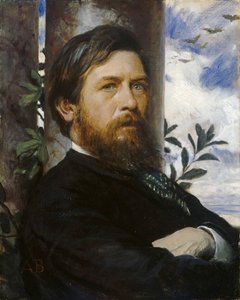
Arnold Böcklin
1827 - 1901 , Switzerland
Quick Facts
- Artistic Movement Or Style: Symbolism
- Artists Or Movements Influenced By This Artist:
- Hans Thoma
- Pre-Raphaelites
- Artists Who Influenced This Artist:
- Schirmer
- Feuerbach
- Date Of Birth: October 16, 1827
- Date Of Death: January 16, 1901
- Full Name: Arnold Böcklin
- Nationality: Swiss
- Notable Artworks:
- Isle of the Dead
- Nymph and Satyr
- Sappho
- Portrait of Myself
- Place Of Birth: Basel, Switzerland

