

 Preview
 Send
Send Share
Share
 Details

 Download
 Similars
 X-Ray
X-Ray Diaporama
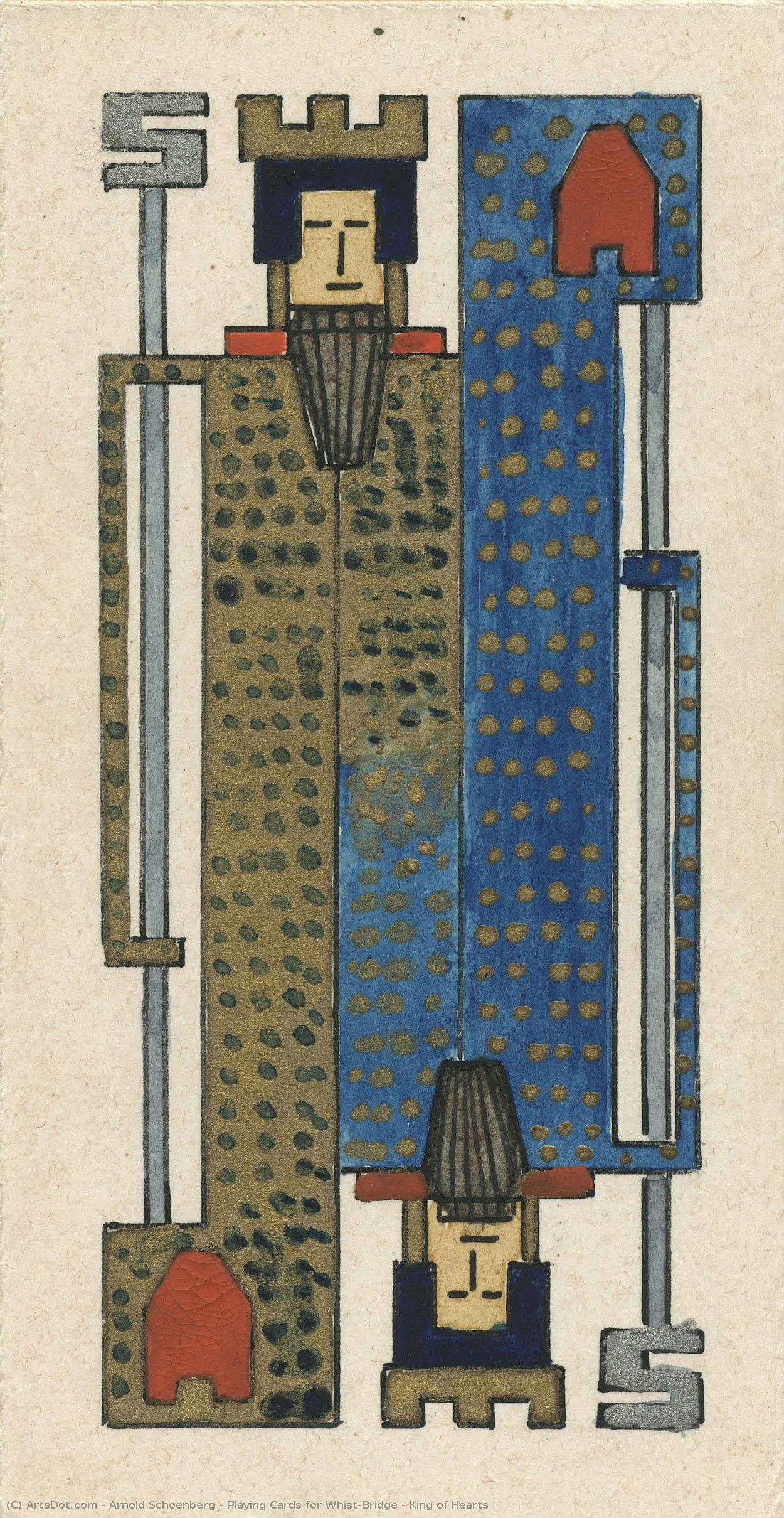
Playing Cards for Whist/Bridge - King of Hearts
 Acrylic On Canvas
- WallArt
- Early Modernism
 1910
1910 5.0 x 10.0 cm
 Arnold Schönberg Center
 Read More
Purchase a high-resolution, enhanced digital image, far superior to the online preview.
Each file is meticulously prepared by our in-house specialists using advanced tools and expert manual retouching. We ensure every image has exceptional clarity, precise color accuracy, and fine detail.
The final file is delivered via email within 72 hours, optimized for immediate use in professional, editorial, and print environments. This is the same quality trusted by top-tier design studios, publishers, and galleries.
Digital Image
Download a high-resolution file for personal display, printing, and creative projects. ( Buy Print Buy Hand Made Painting)
Included in Every Digital Image Order
Expert Digital Delivery, Guaranteed
When you choose ArtsDot.com, you're not just getting an image - you're receiving a professionally enhanced digital artwork, crafted with precision and backed by a satisfaction guarantee. Here's everything that comes with your order, automatically:

Fast Email Delivery
Your high-resolution digital image file will be emailed to you within 72 hours of ordering - ready for immediate use.

AI-Enhanced Digital File
Your artwork is professionally optimized using advanced AI tools and manual editing, ensuring maximum detail, clarity, and color accuracy.

Free Lifetime Re-Delivery
Accidentally deleted or lost your file? No worries - we'll resend it to you anytime, free of charge.

No Import Fees - Ever
Enjoy your artwork instantly with zero customs, duties, or delivery fees - digital downloads are always tax-free.

Color Accuracy Guarantee
We ensure your digital image reflects the original colors as closely as possible using professional tools and color management.

60-Day Satisfaction Guarantee
If you're not satisfied with your digital image, we'll revise it or refund 100% within 60 days - no questions asked.

100% Money-Back Guarantee
Not satisfied? Get a full refund within 60 days of receiving your digital file - no questions asked.

Bulk Order Discounts
Buy 3 images, save 10% - Buy 5, save 15% - Buy 10+, save 20%. Great for creative projects, galleries, and agencies.
A Glimpse into Schönberg’s Card Game: The King of Hearts
This meticulously crafted hand-painted reproduction captures Arnold Schönberg's intriguing 1910 card game for Whist/Bridge, a remarkable artifact born from the heart of Vienna’s artistic ferment. More than just a deck of playing cards, this work represents a bold experiment in visual language and a subtle rebellion against established conventions. Measuring a compact 5 x 10 cm, it invites contemplation on the intersection of music, art, and the burgeoning avant-garde movement that defined early 20th-century Europe.
- The Artist’s Vision: Schönberg, a towering figure in musical history known for his pioneering work in atonality and serialism, applied his rigorous intellectual approach to visual design. This card game wasn't simply decorative; it was a conceptual exercise, exploring the possibilities of symbolic representation through a layered system of imagery.
- Breaking with Tradition: Unlike Ditha Moser’s celebrated “Wiener Werkstätte” cards from 1906 – characterized by their strict mirror symmetry and meticulous detail – Schönberg deliberately fractured this aesthetic. He sought to convey meaning not just through direct representation, but through a complex interplay of reflection, color, and form.
Decoding the Symbolism
The image itself depicts a regal figure—the King of Hearts—a central element within Schönberg’s system. The crowned male figures, distinguished by their dots rather than colored areas (reserved for the female Queens), embody a deliberate departure from traditional iconography. This subtle distinction reflects Schönberg's broader artistic concerns: a move away from literal representation towards a more abstract and emotionally charged approach.
- Double Pictures & Reflection: Schönberg’s ingenious technique involved “double pictures,” where images were deliberately crossed over, utilizing the horizontal and diagonal axes for reflection. This created a sense of depth and complexity, inviting multiple interpretations and challenging the viewer to actively engage with the artwork.
- Color as Symbol: While the male figures utilize dots, the Queens employ colored areas, suggesting an association with emotion and subjective experience – a key element in Schönberg’s musical philosophy. The strategic use of color adds another layer of symbolic meaning, reinforcing the work's intellectual depth.
Historical Context & Craftsmanship
Created around 1910, this card game emerged during a period of intense artistic and intellectual innovation in Vienna. Schönberg’s experimentation reflects the broader shift towards abstraction and non-representational art that was taking place across Europe. The meticulous hand-painting technique employed to create this reproduction ensures an unparalleled level of detail and fidelity to the original design. Each brushstroke captures the essence of Schönberg's vision, resulting in a piece that is both historically significant and aesthetically captivating.
- Materials & Technique: This reproduction utilizes archival-quality materials and skilled hand-painting techniques, guaranteeing its longevity and preserving the nuances of the original design. The attention to detail reflects the commitment to producing exceptional art reproductions.
- A Collector’s Piece: More than just a decorative item, this card game is a unique artifact that offers a fascinating glimpse into the mind of one of music's most influential composers. It represents an investment in both artistic history and exquisite craftsmanship.
Related Artworks
Artist Biography
early life and musical beginnings
arnold schoenberg, an austrian-american composer, was born on september 13, 1874, in vienna, austria. his early life was marked by a humble beginning, with his father being a shoe-shopkeeper. despite this, schoenberg's innate passion for music led him to largely self-educate himself in the field.- schoenberg explored film music and wrote more tonal music, completing his chamber symphony no. 2 in 1939.
- he satirized fascist tyrants in ode to napoleon (1942), after byron.
- post-war vienna offered him honorary citizenship, but he was ill, as depicted in his string trio (1946).
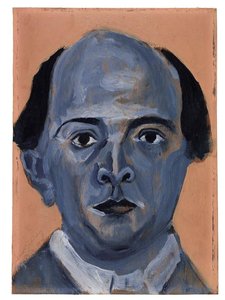
arnold schoenberg
1874 - 1951 , Austria
Quick Facts
- Artistic Movement Or Style: Twelve-tone technique; Expressionism
- Artists Or Movements Influenced By This Artist:
- Anton Webern
- Alban Berg
- Artists Who Influenced This Artist:
- Johannes Brahms
- Richard Wagner
- Date Of Birth: September 13, 1874
- Date Of Death: 1951
- Full Name: Arnold Schoenberg
- Nationality: Austrian-American
- Notable Artworks:
- Suite, op. 29
- Music Typewriter
- Staffliner
- Place Of Birth: Vienna, Austria

