 Preview
 Send
Send Share
Share
 Details

 Download
 Similars
 X-Ray
X-Ray Diaporama
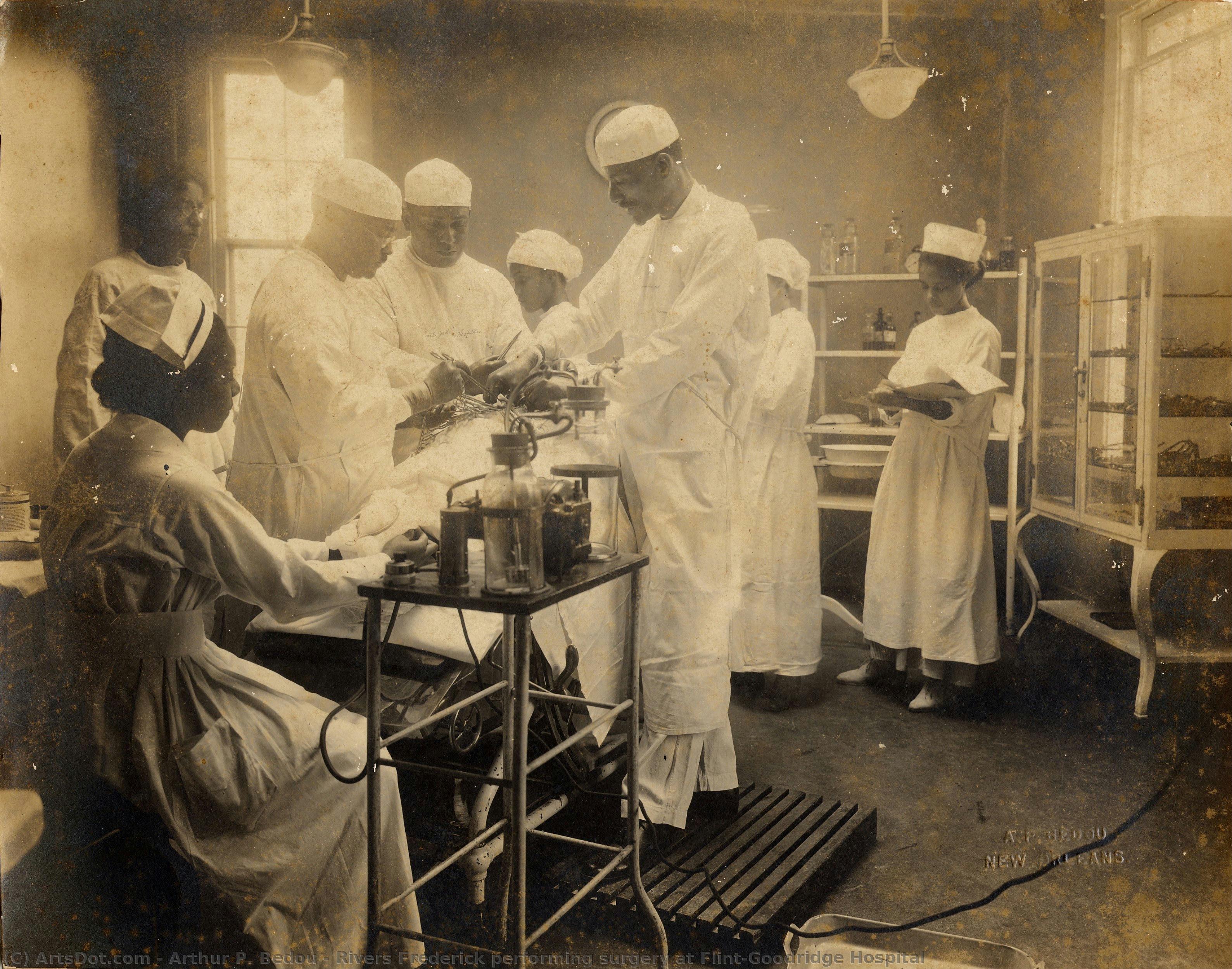
Rivers Frederick performing surgery at Flint-Goodridge Hospital


 Read More
Hand Made Oil Reproduction
Hand-painted oil on canvas in your size and frame, made to order by our artists. ( Buy Print Buy Image)




































Pick from our preset sizes that match the artwork's original proportions.

You may enter your own dimensions to fit a specific frame or space. If your selected size does not match the original image's proportions, we will either crop the artwork or extend the painting with additional hand-painted elements. A digital mockup will be sent for your approval before production begins.
Please note that the on-screen preview does not reflect the actual cropping or extension. Only the mockup will accurately show the final composition.
While custom sizes are available, we recommend selecting a dimension from the predefined list to preserve the original proportions.
After order, ArtsDot.com team will email client for instructions and provide a mockup preview
Worldwide Delivery () in 3/4 weeks instead of standard 5 weeks. (17 August). No compromise on quality.

Free Worldwide Express Shipping

High-Quality Linen Canvas

Full Shipping Insurance

Customs Tax Refund Guarantee

True Color Matching Guarantee

60-Day Return Policy (Defects Only)

100% Money-Back Guarantee

Bulk Discount Offer
 Glass option is only available in size under 110 CM

Rivers Frederick performing surgery at Flint-Goodridge Hospital
Reproduction Medium
Reproduction Size
-


Total Price
$ 338
Artwork Description
Related Artworks
Artist Biography
A Life in Focus: The Story of Arthur P. Bedou
Arthur Paul Bedou, born in New Orleans on July 6, 1882, was more than just a photographer; he was a chronicler of an era, a visual historian who dedicated his life to documenting the vibrant, often overlooked world of African American life during a period of profound social change. Growing up in a modest household as one of five children, Bedou’s early life offered little formal education, yet it instilled within him a keen observational eye and a deep connection to his community—qualities that would define his remarkable career. He began experimenting with photography around 1899, initially self-taught, driven by an innate curiosity and a desire to capture the beauty and dignity of those around him. A pivotal moment came in 1900 when a photograph he took of a solar eclipse garnered significant attention, marking the nascent stages of his artistic journey.
The Photographer to Booker T. Washington
Bedou’s trajectory shifted dramatically in 1903 when he attended a conference at Tuskegee Institute hoping to showcase his talent. It was there that he encountered Booker T. Washington, whose discerning eye immediately recognized Bedou's potential. Washington invited Bedou to become his personal photographer, a role that would profoundly shape the course of both their lives. For over a decade, from 1908 until Washington’s death in 1915, Bedou served as Washington’s visual ambassador, meticulously documenting the educator's travels, speeches, and interactions with prominent figures. This wasn’t merely about capturing images; it was about constructing a narrative—a carefully curated representation of Black achievement and progress during an era rife with racial prejudice. Bedou understood the power of photography to challenge stereotypes and elevate the status of African Americans in the public consciousness.
Beyond Tuskegee: A Portrait of Southern Life
While his association with Booker T. Washington brought him national recognition, Bedou’s artistic vision extended far beyond a single subject. He became a sought-after photographer for numerous Black colleges and universities—Xavier University of Louisiana, Fisk University among them—chronicling campus life and the aspirations of its students. He also documented gatherings of important professional organizations like the National Negro Business League and the National Medical Association, capturing scenes of leadership and community empowerment. In the 1920s, Bedou established his own studio in New Orleans, becoming a fixture within the city’s Black community. Here, he photographed families, social events, religious ceremonies—the everyday moments that constituted a rich tapestry of life often excluded from mainstream historical narratives. His work appeared regularly in publications like the Louisiana Weekly and the Times-Picayune, bringing his unique perspective to a wider audience.
Technique, Style, and Historical Significance
Bedou’s photographic style was characterized by its clarity, dignity, and attention to detail. He favored documentary approaches, capturing scenes with a sense of realism that conveyed the authenticity of the moment. His portraits were particularly striking—they weren't simply likenesses but rather expressions of character and resilience. Bedou wasn’t known for artistic experimentation; his strength lay in his ability to present his subjects with respect and nuance. He understood the importance of composition, lighting, and timing to create images that resonated emotionally. His work stands as a vital historical record—a testament to the lives, struggles, and triumphs of African Americans during the Jim Crow era. He captured a world often unseen by those outside it, offering a counter-narrative to prevailing stereotypes and prejudices.
Legacy and Enduring Impact
Arthur P. Bedou’s contributions extended beyond his photographic work. He was a shrewd businessman, investing wisely in real estate and becoming a director and vice president of People's Industrial Life Insurance Company of Louisiana. He understood the importance of economic empowerment within the Black community. Upon his death in 1966, he left a substantial portion of his estate to educational institutions, including Xavier University of Louisiana, where the Arthur and Lillia Bedou Scholarship continues to support generations of students. His photographs now reside in prestigious collections such as the Library of Congress and the Museum of Modern Art, ensuring that his legacy endures. Bedou’s work serves as a powerful reminder of the importance of visual representation, the dignity of all people, and the enduring power of photography to shape our understanding of history.
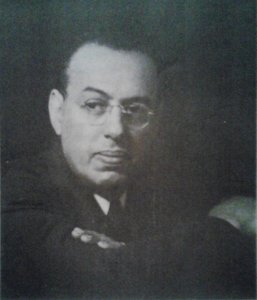
arthur p. bedou
1882 - 1966 , United States of America
Quick Facts
- Artistic Movement Or Style: Documentary photography
- Date Of Birth: July 6, 1882
- Date Of Death: July 2, 1966
- Full Name: Arthur P. Bedou
- Nationality: American
- Notable Artworks:
- Booker T. Washington photos
- Xavier University life
- Flint-Goodridge Hospital
- Place Of Birth: New Orleans, USA
Related Articles
Resurrecting Memories: Artistic Reconstruction of Low-Resolution Photographs into High-Fidelity Oil Paintings
Transform cherished low-resolution photos into stunning, high-fidelity oil paintings. Expert restoration & museum-quality reproductions by skilled artists. Preserve your memories with lasting beauty.
Documentary Photography's Defining Moments: 10 Masterpieces for Your Home |
Explore 10 defining documentary photography masterpieces – from Dorothea Lange to Robert Capa. Discover powerful stories, iconic images & timeless art for your home. Museum-quality prints at .
Flowing Narratives: Rivers in Painting – A Historical Exploration
Explore the rich history of rivers in painting! Discover masterpieces from ancient times to Impressionism & beyond. Learn about symbolism, artists like Monet & Daubigny, and find your perfect serene artwork at ArtsDot.

John Frederick Kensett: Luminosity, Landscape & the American Identity
Explore the luminous landscapes of John Frederick Kensett, a master of Luminism and key figure in the Hudson River School. Discover his serene paintings & enduring legacy with ArtsDot.
Echoes of Time: Nostalgia, Technique & Cultural Significance in Vintage Paintings
Explore the captivating world of vintage paintings! Discover key styles, cultural significance & collecting tips from art experts at ArtsDot. Find authentic reproductions and elevate your home décor.