 Preview
 Send
Send Share
Share
 Details

 Download
 Similars
 X-Ray
X-Ray Diaporama
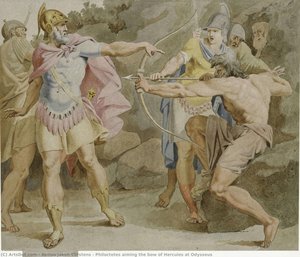
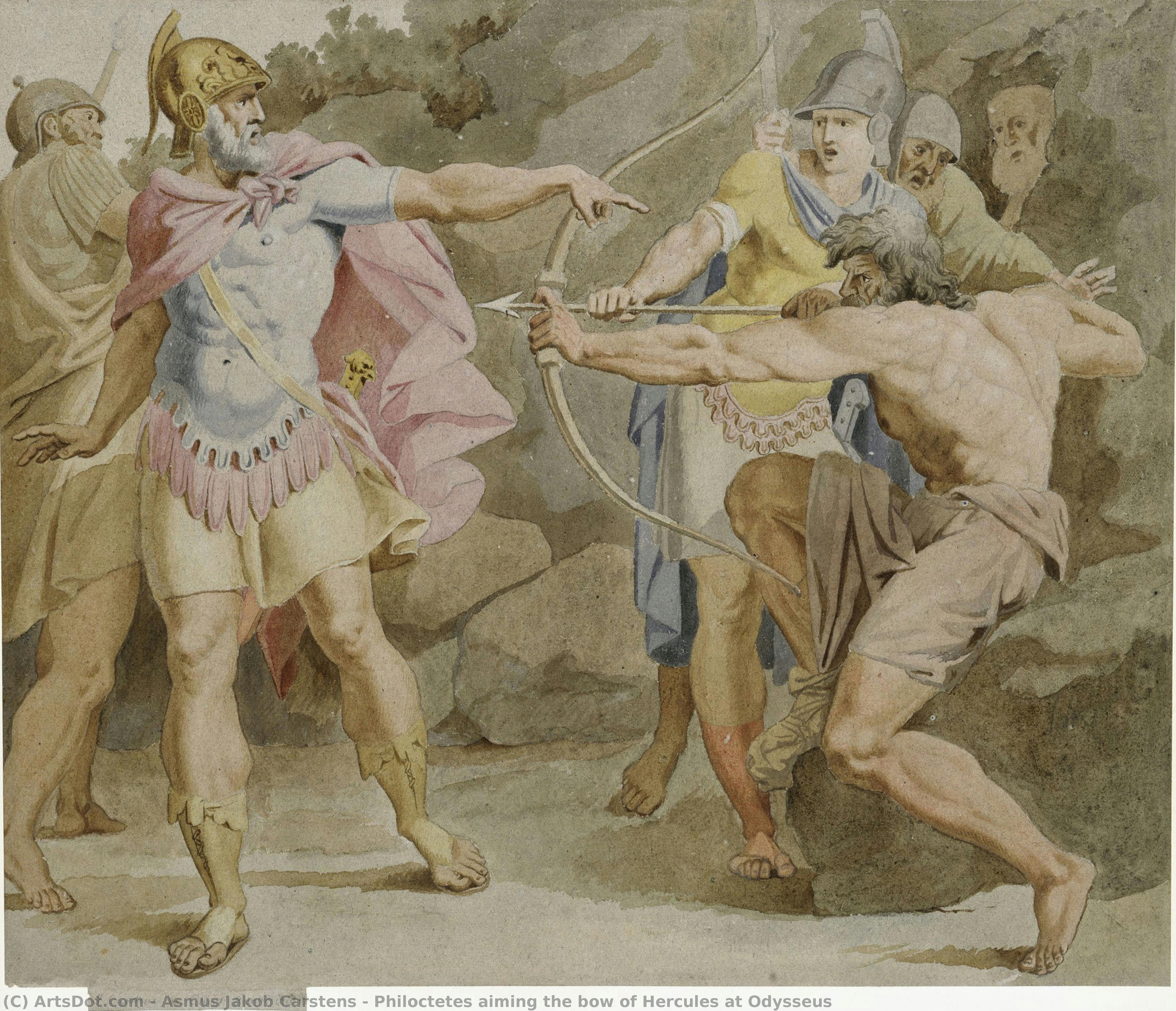
Philoctetes aiming the bow of Hercules at Odysseus
 Watercolor
- WallArt
- Baroque
 58.0 x 49.0 cm
 Kupferstichkabinett
 Read More
Hand Made Oil Reproduction
Hand-painted oil on canvas in your size and frame, made to order by our artists. ( Buy Print Buy Image)




P118B $10

P118H $10

P118W $10

P438Z $10

P508JH $12

P508YH $12

P805H $10

P805Z $10

P919BZ $10

P919G $10

P919XJ $10

P959ZH $10

P968JZ $12

W106C $8

W218G $10

W218JH $8

W218Y $10

W307PJ $10

W316G $10

W316PJ $8

W316Y $10

W398PJ $8

W4111J $10

W500HY $15

W500JH $15

W692G $12

W849H $8

W940BG $15

W953PJ $8




Pick from our preset sizes that match the artwork's original proportions.

You may enter your own dimensions to fit a specific frame or space. If your selected size does not match the original image's proportions, we will either crop the artwork or extend the painting with additional hand-painted elements. A digital mockup will be sent for your approval before production begins.
Please note that the on-screen preview does not reflect the actual cropping or extension. Only the mockup will accurately show the final composition.
While custom sizes are available, we recommend selecting a dimension from the predefined list to preserve the original proportions.
After order, ArtsDot.com team will email client for instructions and provide a mockup preview
Worldwide Delivery () in 3/4 weeks instead of standard 5 weeks. (31 August). No compromise on quality.

Free Worldwide Express Shipping

High-Quality Linen Canvas

Full Shipping Insurance

Customs Tax Refund Guarantee

True Color Matching Guarantee

60-Day Return Policy (Defects Only)

100% Money-Back Guarantee

Bulk Discount Offer
 Glass option is only available in size under 110 CM

Philoctetes aiming the bow of Hercules at Odysseus
Reproduction Medium
Reproduction Size
-


Total Price
$ 263
A Moment Frozen in Mythic Drama
This evocative watercolour transports us directly into the charged atmosphere of ancient Greek tragedy. Depicting the dramatic confrontation from Sophocles’ play, Philoctetes, the scene centers on Philoctetes, poised with the mighty bow of Hercules, his aim fixed upon Odysseus. The composition is anything but static; it pulses with barely contained energy. One can almost hear the tension in the air, the weight of destiny hanging between these legendary figures. It is a masterful capture of human conflict played out against the backdrop of epic myth, inviting the viewer to contemplate themes of fate, necessity, and confrontation.
Baroque Drama Meets Classical Echoes
The artistic handling of this piece speaks volumes about its historical moment. While the subject matter draws from classical antiquity—a perennial source of inspiration for European artists—the execution retains a palpable echo of Baroque dynamism. The figures are rendered with melodramatic gestures, their poses charged with narrative tension. Yet, beneath this powerful current lies an anticipation of change. The artist’s style hints at the burgeoning influence of Classicism, suggesting a pivotal moment in artistic development itself. This blend of intense emotionality inherited from earlier masters, tempered by emerging classical restraint, gives the work a sophisticated, layered depth that rewards close contemplation.
Technique and Timeless Atmosphere
Executed in watercolour, the medium lends an inherent delicacy to such a grand subject. The wash technique allows for subtle gradations of tone, lending the entire scene a beautiful, vintage patina—an aged quality that enhances its connection to history. The interplay between the vibrant action and the softer atmospheric tones creates a visual richness. For collectors and designers alike, this piece offers an unparalleled depth; it is not merely a depiction of antiquity, but a study in light, shadow, and human emotion rendered with exquisite, breathable artistry.
Symbolism for the Modern Collector
To own this reproduction is to invite a conversation about enduring human struggles into your space. The bow itself symbolizes potential energy—the moment just before release. Philoctetes represents exile or necessary confrontation, while Odysseus embodies cunning and relentless pursuit. These archetypal elements allow the artwork to resonate far beyond its mythological origins. It serves as a powerful focal point for any room, suggesting depth of thought, dramatic narrative, and an appreciation for art that carries the weight of history.
Related Artworks
Artist Biography
Gainsborough Dupont: A Legacy of Landscape and Light
Gainsborough Dupont (1754-1797) stands as a quietly significant figure in British art, often overshadowed by the more celebrated work of his uncle, Thomas Gainsborough. Born in Sudbury, Suffolk, on December 20th, 1754, Dupont’s artistic journey was inextricably linked to that of his renowned relative – initially as a pupil and later as a dedicated copyist and interpreter of his uncle's distinctive style. His life, though tragically brief, produced a body of work characterized by a serene beauty, an acute observation of light and atmosphere, and a masterful command of the English landscape. Dupont’s story is one of apprenticeship, dedication, and ultimately, a unique artistic identity forged through careful study and a subtle yet powerful divergence from his mentor's approach.Early Years and Apprenticeship
Dupont’s early life remains somewhat shrouded in anecdotal detail. He was the nephew of Thomas Gainsborough, and it is believed he received his initial artistic training under his uncle’s guidance. This formative period proved crucial, not merely for technical skill acquisition but also for an understanding of Gainsborough's signature techniques – particularly his use of light, color, and atmospheric perspective. Crucially, Dupont wasn’t simply a student; he became Gainsborough’s primary assistant, undertaking the laborious task of copying numerous paintings, meticulously recreating the master’s compositions and brushstrokes. This intensive apprenticeship provided an unparalleled opportunity to absorb and internalize Gainsborough's artistic philosophy, developing a deep appreciation for the nuances of landscape painting. While this role might seem limiting, it fostered an exceptional level of technical proficiency and a profound understanding of how to emulate – and eventually transcend – his uncle’s style.Style and Technique: Echoes of Gainsborough with a Distinctive Voice
Dupont's artistic style is immediately recognizable as a refined evolution of Gainsborough’s oeuvre. He shared his uncle’s preference for depicting the English countryside, focusing on scenes of rural life – wooded landscapes populated by shepherds, packhorses, and figures engaged in everyday activities. However, Dupont subtly differentiated himself through a greater emphasis on atmospheric effects and a more delicate handling of light. Unlike Gainsborough's sometimes dramatic contrasts, Dupont often employed softer, diffused lighting, creating a sense of tranquility and quiet contemplation. His compositions are generally balanced and harmonious, reflecting a meticulous attention to detail and a deep understanding of perspective. He was particularly adept at capturing the fleeting effects of weather – mist, haze, and dappled sunlight filtering through trees – imbuing his landscapes with an ethereal quality. His mezzotints, in particular, demonstrate a remarkable ability to reproduce Gainsborough’s tonal range and subtle color variations with astonishing accuracy.Notable Works and Commissions
Dupont's most celebrated works are undoubtedly his portraits of actors for the Garrick Club in London. These paintings – often depicting figures from Shakespearean plays – showcase his ability to capture personality and character with remarkable sensitivity. He also completed several unfinished landscapes left by Gainsborough at the time of his death, skillfully bringing these works to completion while maintaining a consistent artistic voice. Beyond portraits, Dupont produced a series of original landscape paintings that are considered among his finest achievements. These include idyllic scenes of rural England, often featuring figures engaged in pastoral activities. His work was frequently commissioned for private collectors and institutions, reflecting the growing appreciation for his talent during his lifetime.Legacy and Historical Significance
Gainsborough Dupont’s contribution to British landscape painting is often underestimated, largely due to his close association with Thomas Gainsborough. However, he represents a vital link in the chain of artistic development, demonstrating how an intensive apprenticeship can shape an artist's unique style while retaining a deep respect for their mentor’s legacy. Dupont’s subtle innovations – particularly his refined use of light and atmosphere – elevated the English landscape tradition to new heights. His work serves as a testament to the power of observation, dedication, and the enduring influence of artistic lineage. While he died prematurely at the age of 42, Dupont left behind a body of work that continues to resonate with its quiet beauty and understated elegance, solidifying his place as a significant, though often overlooked, figure in British art history.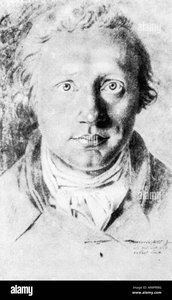
asmus jakob carstens
1754 - 1798 , Germany
Quick Facts
- Artistic Movement Or Style: Landscape painting
- Artists Or Movements Influenced By This Artist: ["Gainsborough's manner"]
- Artists Who Influenced This Artist: ['Thomas Gainsborough']
- Date Of Birth: 1754
- Date Of Death: 1797
- Full Name: Gainsborough Dupont
- Nationality: British
- Notable Artworks:
- Wooded Landscape with Riders
- Packhorses
- Place Of Birth: Sudbury, Suffolk
Related Articles

Bronze Sculptures That Defined Art History | ArtsDot
Journey through art history with our Top 10 bronze sculptures! Explore masterpieces by Rodin, Michelangelo & more. Discover stories behind iconic statues and find museum-quality reproductions for your home decor at ArtsDot.com.

Baroque Classicism: Reconciling Drama & Order in 17th-Century Art
Explore the captivating world of Baroque Classicism! Discover its history, key artists like Caravaggio & Rubens, and defining characteristics. Expert insights & high-quality reproductions at ArtsDot.
The Enduring Allure of Marble in Art History: From Classical Sculpture to Modern Abstraction
Explore the captivating history of marble sculpture from ancient Greece to modern art. Discover renowned artists like Canova & Michelangelo, carving techniques, and investment insights at ArtsDot.
Theatricality & Triumph: Baroque Drama in Painting & Sculpture
Explore the dramatic world of Baroque art! Discover its history, defining characteristics, & lasting influence on painting & sculpture. Expert insights into Caravaggio, Zurbarán, and Bernini – plus high-quality reproductions at ArtsDot.

The Enduring Form: Exploring Themes & Techniques in Sculpture Across Historical Periods
Explore the rich history of sculpture from ancient masterpieces to contemporary innovations. Discover key techniques, influential artists & investment potential for discerning art collectors.