 Preview
 Send
Send Share
Share
 Details

 Download
 Similars
 X-Ray
X-Ray Diaporama
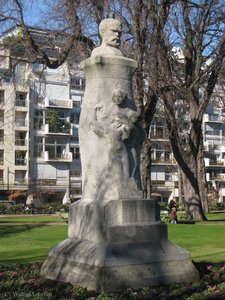
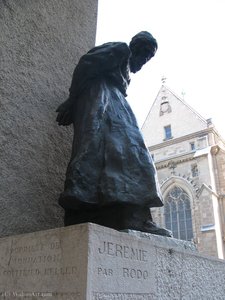
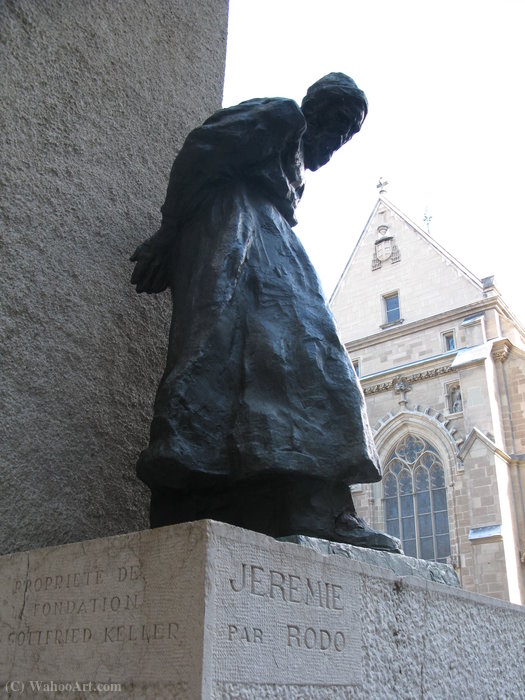
Jeremie, Saint-Pierre Cathedral (Geneva)
 Read More
Hand Made Oil Reproduction
Hand-painted oil on canvas in your size and frame, made to order by our artists. ( Buy Print Buy Image)




































Pick from our preset sizes that match the artwork's original proportions.

You may enter your own dimensions to fit a specific frame or space. If your selected size does not match the original image's proportions, we will either crop the artwork or extend the painting with additional hand-painted elements. A digital mockup will be sent for your approval before production begins.
Please note that the on-screen preview does not reflect the actual cropping or extension. Only the mockup will accurately show the final composition.
While custom sizes are available, we recommend selecting a dimension from the predefined list to preserve the original proportions.
After order, ArtsDot.com team will email client for instructions and provide a mockup preview
Worldwide Delivery () in 3/4 weeks instead of standard 5 weeks. (4 September). No compromise on quality.

Free Worldwide Express Shipping

High-Quality Linen Canvas

Full Shipping Insurance

Customs Tax Refund Guarantee

True Color Matching Guarantee

60-Day Return Policy (Defects Only)

100% Money-Back Guarantee

Bulk Discount Offer
 Glass option is only available in size under 110 CM

Jeremie, Saint-Pierre Cathedral (Geneva)
Reproduction Medium
Reproduction Size
-


Total Price
$ 263
Related Artworks
Artist Biography
A Shadowy Presence: The Enigmatic World of Auguste de Niederhausern
The name Auguste de Niederhausern evokes a sense of mystery, a whisper from the darker corners of 19th-century sculpture. Unlike his more celebrated contemporaries like Rodin, Niederhausern remains an elusive figure, shrouded in biographical ambiguity and known primarily through the unsettling power of his work. Born into a noble family – though precise dates and locations are often debated – he seems to have deliberately cultivated an air of detachment, allowing his sculptures to speak for him rather than engaging in self-promotion or extensive documentation. What *is* certain is that Niederhausern emerged as a significant, if unconventional, voice within the Romantic movement, specializing in intensely emotional, often macabre depictions of death, grief, and religious suffering. His pieces are not merely representations of these themes; they are visceral experiences, imbued with a haunting realism that continues to captivate and disturb viewers today.Early Influences and Artistic Development
Niederhausern’s artistic journey was likely shaped by the prevailing currents of his time. The Romantic era, with its emphasis on emotion, individualism, and the sublime, provided fertile ground for an artist drawn to the darker aspects of human existence. While a formal academic training remains unconfirmed, it is believed he studied under various sculptors in Germany and potentially Italy, absorbing classical techniques while simultaneously rejecting their idealized forms. His early works demonstrate a clear fascination with anatomy – not as a celebration of physical perfection, but as a means of exploring the fragility and decay of the body. This preoccupation aligns him with the *fin-de-siècle* aesthetic that would later flourish, anticipating themes of mortality and existential angst. He moved away from Neoclassical smoothness towards a more textured, expressive style, foreshadowing elements found in Symbolist sculpture. The influence of Gothic art is also palpable, particularly in his depictions of religious figures – not as serene icons, but as tormented souls wrestling with faith and despair.The Sculptures: Grief, Horror, and the Human Condition
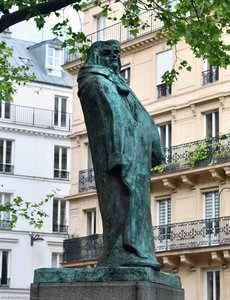
Niederhausern’s oeuvre is relatively small, yet profoundly impactful. His sculptures are characterized by a remarkable technical skill combined with an unflinching portrayal of human suffering. He frequently depicted scenes of death and mourning, but unlike many artists who focused on idealized grief, Niederhausern presented raw, unvarnished emotion. Jeremie, Saint-Pierre Cathedral (Geneva), for example, is a particularly striking work – a depiction of a grieving figure consumed by sorrow, the face contorted in anguish, the body slumped in utter despair. The sculpture’s power lies not just in its technical execution but also in its psychological depth; it feels less like an observation of grief and more like an embodiment of it. His exploration of religious themes is equally unsettling. He often portrayed saints and biblical figures at moments of extreme torment, challenging conventional notions of piety and faith. Roman Horror, a series of sculptures depicting scenes of martyrdom and persecution, exemplifies this tendency – the figures are not heroic or stoic; they are vulnerable, terrified, and utterly broken. The use of dark patinas and rough textures further enhances the sense of dread and despair that permeates his work.Historical Significance and Legacy
Despite lacking widespread recognition during his lifetime, Auguste de Niederhausern’s influence on subsequent generations of sculptors is undeniable. His exploration of psychological realism paved the way for artists like Rodin, who similarly sought to capture the raw emotion of the human experience. His work anticipated many of the themes that would come to define Symbolist and Expressionist sculpture – a fascination with death, decay, and the darker aspects of the psyche. While his sculptures were sometimes criticized for their morbid subject matter, they also garnered attention for their technical brilliance and emotional intensity. Today, Niederhausern is increasingly recognized as a pivotal figure in 19th-century art, a master sculptor who dared to confront uncomfortable truths about the human condition. His legacy lies not just in the beauty of his work but also in its enduring power to provoke thought, evoke emotion, and challenge our perceptions of life, death, and faith.
Quick Facts
- Artistic Movement Or Style: Macabre Art, Eerie Realism
- Date Of Death: Living
- Full Name: Auguste de Niederhausern
- Nationality: German
- Notable Artworks: ['Jeremie, Saint-Pierre Cathedral']