 Preview
 Send
Send Share
Share
 Details

 Download
 Similars
 X-Ray
X-Ray Diaporama
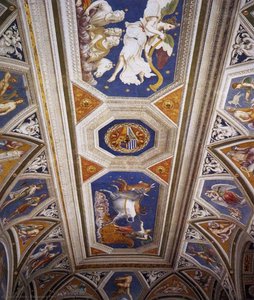
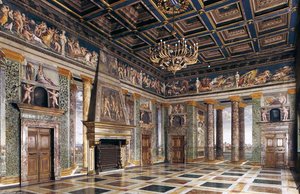
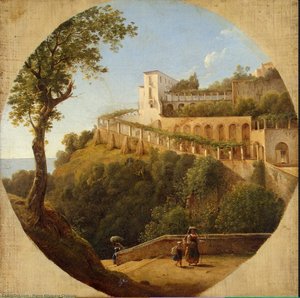
Decoration of the Sala delle Prospettive


 Read More
Giclée / Art Print
Museum-quality giclée or canvas print with fast production and flexible finish options. ( Buy Hand Made Painting Buy Image)




P118B $10

P118H $10

P118W $10

P438Z $10

P508JH $12

P508YH $12

P805H $10

P805Z $10

P919BZ $10

P919G $10

P919XJ $10

P959ZH $10

P968JZ $12

W106C $8

W218G $10

W218JH $8

W218Y $10

W307PJ $10

W316G $10

W316PJ $8

W316Y $10

W398PJ $8

W4111J $10

W500HY $15

W500JH $15

W692G $12

W849H $8

W940BG $15

W953PJ $8




Pick from our preset sizes that match the artwork's original proportions.

You may enter your own dimensions to fit a specific frame or space. If your selected size does not match the original image's proportions, we will either crop the artwork or extend the image with a mirrored or solid-fill edge. A digital mockup will be sent for your approval before production begins.
Please note that the on-screen preview does not reflect the actual cropping or extension. Only the mockup will accurately show the final composition.
While custom sizes are available, we recommend selecting a dimension from the predefined list to preserve the original proportions.
Worldwide Delivery () in 2 weeks instead of standard 4/5 weeks. (25 August)

Free Worldwide Express Shipping

High-Quality Linen Canvas

Full Shipping Insurance

Customs Tax Refund Guarantee

True Color Matching Guarantee

60-Day Return Policy (Defects Only)

100% Money-Back Guarantee

Bulk Discount Offer
 Glass option is only available in size under 110 CM

Decoration of the Sala delle Prospettive
Giclée / Art Print
Reproduction Size
-


Total Price
$ 63
Collectible Description
A Window Into Renaissance Illusion
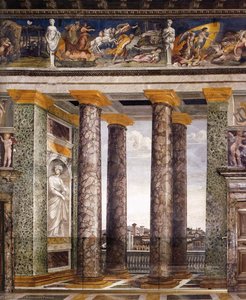
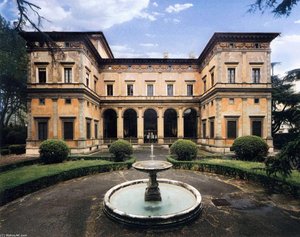
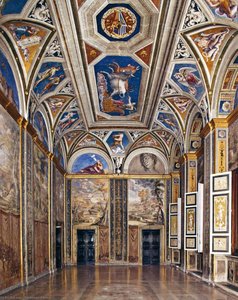
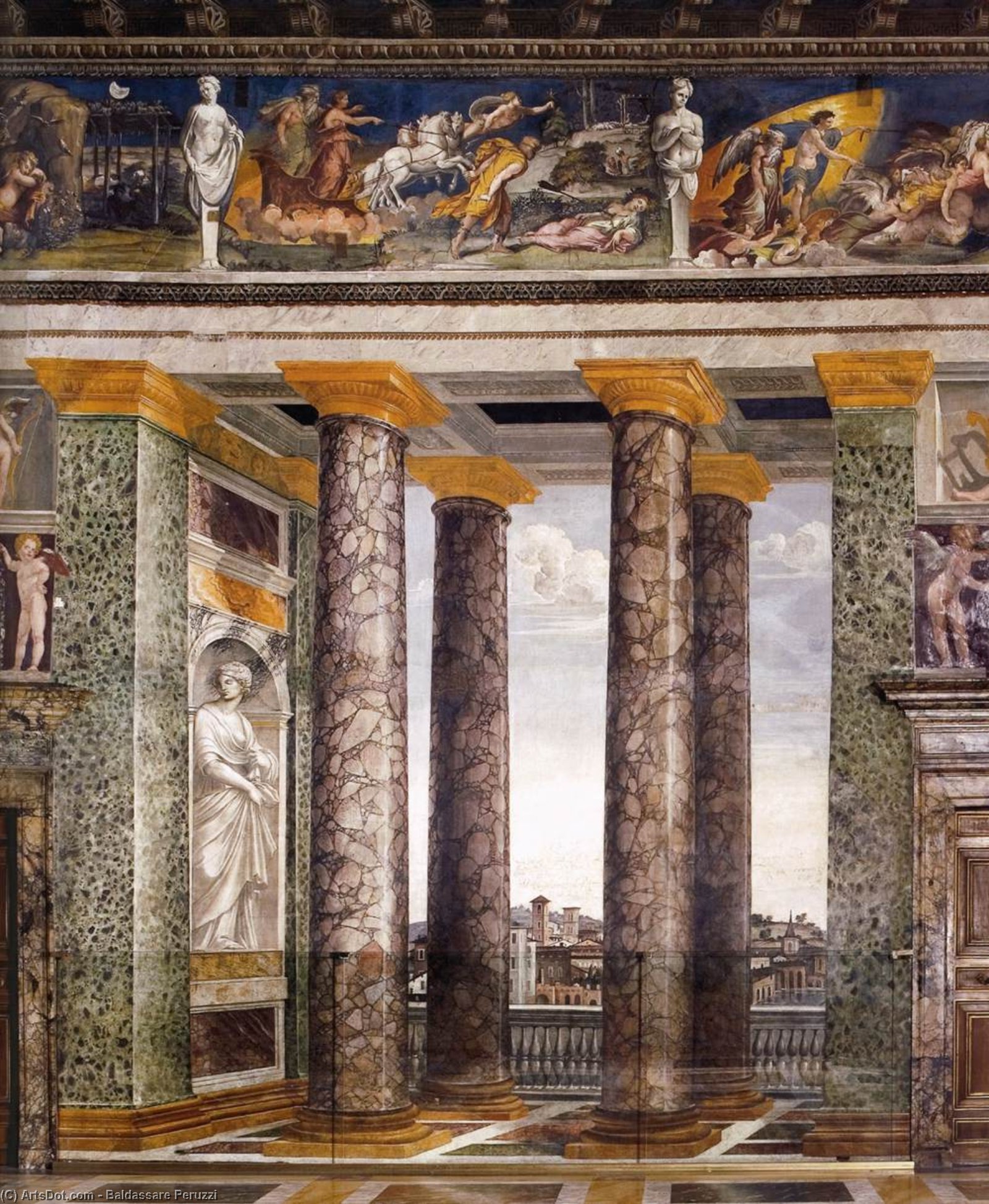
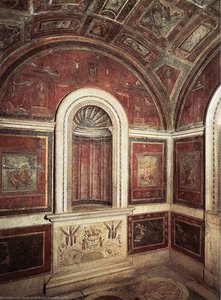
The Villa Farnesina in Rome stands as a testament to Baldassare Peruzzi’s unparalleled mastery of illusion – a deliberate embrace of Mannerist aesthetics that sought to transcend mere representation and immerse the viewer in an experience of breathtaking grandeur. Commissioned by Cardinal Alessandro Farnese III in 1515, this palazzo wasn't merely built; it was conceived as a theatrical stage for showcasing papal power and artistic innovation. Peruzzi’s vision extended beyond structural solidity; he aimed to create spaces that defied conventional perspective, manipulating illusionary techniques to heighten the drama and splendor of the surroundings.- Architectural Innovation: Peruzzi departed from the strict geometric principles championed by Leonardo da Vinci and Raphael, favoring a more fluid and dynamic approach. The Sala delle Prospettive, specifically designed for Farnese’s gaze, exemplifies this shift. Its walls are adorned with intricate frescoes that employ trompe l'oeil – a technique of creating optical illusions—to convincingly mimic architectural elements like columns and arches.
- The Trompe L'Oeil Technique: This masterful illusionary art form utilizes subtle variations in color, shading, and texture to deceive the eye, making it perceive what isn’t actually there. The frescoes depict a monumental colonnade that appears to extend beyond the walls of the villa, creating an expansive vista reminiscent of classical Roman architecture.
- Symbolism of Scale and Proportion: Peruzzi deliberately distorted proportions—a hallmark of Mannerist style—to convey a sense of sublime grandeur. The Sala delle Prospettive’s scale is deliberately exaggerated, emphasizing the immensity of papal authority and reflecting the Renaissance fascination with classical ideals of beauty and harmony.
- Color Palette: The frescoes utilize a muted palette dominated by earthy tones—ochre, terracotta, and umber—creating an atmosphere of dignified solemnity.
- Brushwork & Texture: Peruzzi’s brushstrokes are deliberately loose and expressive, conveying movement and dynamism. He skillfully employs glazing techniques to build up layers of color, achieving a luminous surface finish that enhances the illusionary effect.
Related Artworks

Artist Biography
Baldassare Peruzzi: Architect of Illusion and Renaissance Grandeur
Baldassare Tommaso Peruzzi, born in the small town of Ancaiano near Siena in 1481 and tragically dying in Rome in 1536, stands as a pivotal figure bridging the High Renaissance and the burgeoning Mannerist style. More than simply an architect or painter, Peruzzi was a master of illusion, a visionary who sought to blur the boundaries between reality and artifice, creating spaces that seemed to breathe with life and grandeur. His legacy is inextricably linked to the Villa Farnesina in Rome, but his influence extended far beyond this single commission, shaping the aesthetic landscape of his time. Peruzzi’s early career was rooted in Siena, a city renowned for its artistic tradition. He began as a painter, honing his skills within the established workshops and traditions of the region. However, it was his fascination with perspective and architectural design that truly set him apart. He wasn't content to merely depict buildings; he aimed to *transform* them, to create an illusion of limitless space and breathtaking scale. This ambition led him to Rome in the early 1500s, where he quickly gained recognition for his innovative approach. He initially worked under the tutelage of established masters like Bramante, absorbing their techniques while simultaneously forging his own distinctive style. His association with Raphael proved particularly fruitful, as Peruzzi learned from the great painter’s mastery of color and composition, further informing his architectural designs.The Villa Farnesina: A Masterpiece of Illusion
Peruzzi's most celebrated achievement is undoubtedly the design and decoration of the Villa Farnesina, a lavish residence commissioned by Cardinal Agostino Chigi in 1506. This villa represents a radical departure from traditional Renaissance architecture, showcasing Peruzzi’s pioneering use of *quadratura*, or illusionistic painting. The exterior walls are adorned with intricate frescoes that extend seamlessly into the surrounding landscape, creating an astonishing sense of depth and perspective. The façade itself appears to flow outwards, defying conventional architectural constraints. Within the villa, the Sala delle Prospettive is a testament to Peruzzi’s genius – a meticulously crafted illusion of an open-air terrace overlooking a vast, idealized countryside. The use of vanishing points, carefully calculated angles, and subtle shifts in color create a remarkably convincing effect, transporting the viewer beyond the confines of the room. This wasn't simply decoration; it was a fundamental rethinking of how architecture could engage with space and perception. The influence of Melozzo da Forlì and Mantegna is evident here, but Peruzzi masterfully integrated these influences into his own unique vision.Architectural Innovations and the St. Peter’s Project
Beyond the Villa Farnesina, Peruzzi played a crucial role in the ambitious construction of St. Peter's Basilica. Following Raphael’s death, he was appointed as one of the architects responsible for overseeing the project, working closely with Antonio da Sangallo the Younger. Peruzzi contributed significantly to the basilica’s design, particularly in the development of its complex plan and the intricate detailing of its façade. He also experimented with innovative techniques for creating illusionistic effects within the vast interior spaces. His work on the Belvedere Court, a courtyard adjacent to St. Peter's, demonstrates his ability to adapt architectural principles to unusual sites, curving the facade to seamlessly integrate with the surrounding road. This showcased his understanding of urban planning and his willingness to challenge conventional design norms.Beyond Rome: Siena and the Defense of the City
Following the Sack of Rome in 1527, Peruzzi returned to his native Siena, where he was tasked with strengthening the city’s defenses against potential invaders. This period marked a shift in his architectural focus, as he designed a series of impressive bastions – fortified structures strategically positioned along Siena's walls. These bastions were not merely defensive installations; they were works of art in their own right, incorporating intricate decorative elements and showcasing Peruzzi’s mastery of perspective and illusionistic painting. The bastions near San Viene and Camollia stand as enduring testaments to his ingenuity and skill.Legacy and Influence
Baldassare Peruzzi's legacy extends far beyond the specific buildings he designed. He was a pioneer in the field of *quadratura*, fundamentally altering the way architects approached space and illusion. His innovative use of perspective, axonometry, and illusionistic painting influenced generations of artists and architects who followed. His meticulous drawings, particularly those related to St. Peter’s Basilica, provide invaluable insights into his design process and demonstrate his remarkable attention to detail. While often overshadowed by the brilliance of Raphael and Bramante, Baldassare Peruzzi deserves recognition as a key figure in the development of Renaissance art and architecture—a master who dared to transform reality through the power of illusion.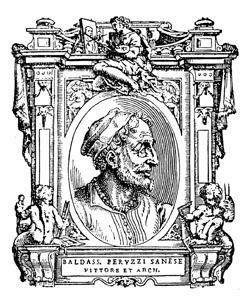
Baldassare Peruzzi
1481 - 1537 , Italy
Quick Facts
- Artistic Movement Or Style: High Renaissance & Mannerism
- Artists Or Movements Influenced By This Artist:
- Melozzo da Forlì
- Mantegna
- Artists Who Influenced This Artist:
- Raphael
- Sangallo
- Date Of Birth: March 7, 1481
- Date Of Death: January 6, 1536
- Full Name: Baldassare Peruzzi
- Nationality: Italian
- Notable Artworks:
- View of the Loggia di Galatea
- View of the garden side
- Apollo and the Muses
- Place Of Birth: Siena, Italy
Related Articles

Echoes of the Azure Coast: Art Selection Strategies for Mediterranean Villa Interiors – Harmonizing Space, Light, and Legacy
Discover art selection strategies for stunning Mediterranean villa interiors. Expert guidance on harmonizing space, light & legacy. Elevate your home with timeless elegance – curated collections & bespoke solutions.
Giovanni Fattori: Realism, Identity & the Tuscan Landscape – A Macchiaioli Master
Explore the life & art of Giovanni Fattori, a leading figure of the Macchiaioli movement. Discover his revolutionary realism, captivating Tuscan landscapes, and lasting impact on Italian painting. Learn more at ArtsDot.
Mario Sironi: A Poetic of Modern Italian Identity Through Symbolism & Social Commentary
Explore the profound works of Mario Sironi, a key figure in Italian Modernism. Discover his evolution from Futurism to Metaphysical painting and his powerful social commentary. Learn about his legacy at ArtsDot.
Fragmented Perspectives, Unified Spaces: Integrating Cubist-Inspired Art into Modern Villa Design – A Guide to Aesthetic Innovation and Legal Considerations
Discover how to integrate Cubist art into modern villa design with expert guidance from ArtsDot. Explore color palettes, curation tips & museum-quality reproductions for a sophisticated space.
Civic Virtue and Artistic Rivalry: Patronage and Innovation in the Italian Renaissance Republics, 1400–1600
Explore the Italian Renaissance! Discover how competitive patronage & humanist ideals fueled artistic innovation in republics like Florence & Venice. Expert insights for art lovers and collectors.