

 Preview
 Send
Send Share
Share
 Details

 Download
 Similars
 X-Ray
X-Ray Diaporama
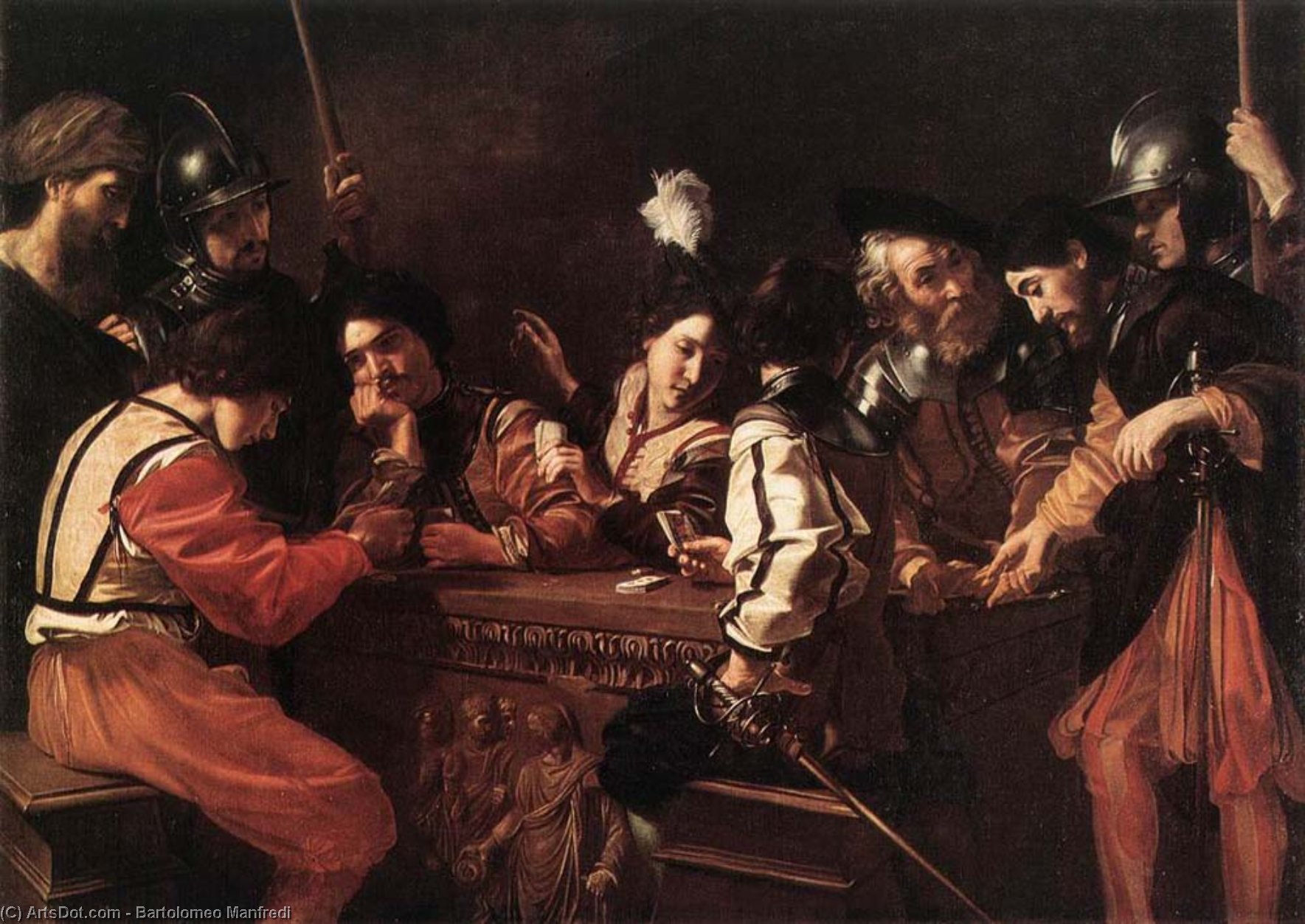
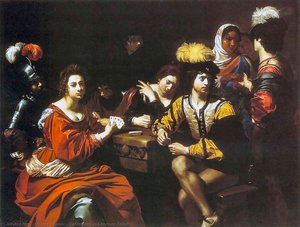
The Guard Room
 Oil On Canvas
- WallArt
- Baroque
 Renaissance
 169.0 x 239.0 cm
 Gemäldegalerie
 Read More
Purchase a high-resolution, enhanced digital image, far superior to the online preview.
Each file is meticulously prepared by our in-house specialists using advanced tools and expert manual retouching. We ensure every image has exceptional clarity, precise color accuracy, and fine detail.
The final file is delivered via email within 72 hours, optimized for immediate use in professional, editorial, and print environments. This is the same quality trusted by top-tier design studios, publishers, and galleries.
Digital Image
Download a high-resolution file for personal display, printing, and creative projects. ( Buy Print Buy Hand Made Painting)
Included in Every Digital Image Order
Expert Digital Delivery, Guaranteed
When you choose ArtsDot.com, you're not just getting an image - you're receiving a professionally enhanced digital artwork, crafted with precision and backed by a satisfaction guarantee. Here's everything that comes with your order, automatically:

Fast Email Delivery
Your high-resolution digital image file will be emailed to you within 72 hours of ordering - ready for immediate use.

AI-Enhanced Digital File
Your artwork is professionally optimized using advanced AI tools and manual editing, ensuring maximum detail, clarity, and color accuracy.

Free Lifetime Re-Delivery
Accidentally deleted or lost your file? No worries - we'll resend it to you anytime, free of charge.

No Import Fees - Ever
Enjoy your artwork instantly with zero customs, duties, or delivery fees - digital downloads are always tax-free.

Color Accuracy Guarantee
We ensure your digital image reflects the original colors as closely as possible using professional tools and color management.

60-Day Satisfaction Guarantee
If you're not satisfied with your digital image, we'll revise it or refund 100% within 60 days - no questions asked.

100% Money-Back Guarantee
Not satisfied? Get a full refund within 60 days of receiving your digital file - no questions asked.

Bulk Order Discounts
Buy 3 images, save 10% - Buy 5, save 15% - Buy 10+, save 20%. Great for creative projects, galleries, and agencies.
Collectible Description
A Glimpse into the Shadows of the Renaissance
In the evocative depths of Bartolomeo Manfredi’s "The Guard Room," the viewer is transported into a world where the boundaries between light and shadow serve as a stage for human drama. This masterful oil on canvas, currently held within the prestigious Gemäldegalerie in Dresden, captures a moment of suspended animation within a bustling military setting. The scene is not merely a depiction of soldiers at rest, but a profound exploration of the Manierismo style, where tension and atmosphere take precedence over mere documentation. As we gaze upon the canvas, we find ourselves amidst the clatter of armor and the hushed whispers of men bound by duty, feeling the weight of history pressing against the present moment.
The composition is anchored by a striking duality in the foreground, where two figures engage in an intimate, perhaps clandestine, conversation. One figure is draped in a vibrant, commanding red robe that draws the eye immediately, acting as a focal point of warmth amidst the cooler tones of the room. In contrast, his companion is clad in subdued black, creating a visual dialogue between social prominence and the quiet shadows of service. This interplay of color does more than provide aesthetic balance; it suggests a complex hierarchy and the subtle power dynamics inherent in a guard room setting, inviting collectors to contemplate the untold stories hidden within their silent gazes.
The Mastery of Light and Caravaggesque Drama
To understand "The Guard Room," one must understand the profound influence of Caravaggio upon Manfredi. The technique employed here is a breathtaking display of chiaroscuro, where light does not simply illuminate but actively sculpts the figures from the darkness. This dramatic use of light and shadow—the hallmark of the burgeoning Baroque movement—adds an incredible three-dimensional depth to the scene, making the textures of polished metal, heavy fabric, and weathered skin feel almost tactile. The artist’s ability to manipulate light creates a sense of theatricality, turning a mundane military outpost into a stage for high drama.
For the interior designer or the discerning art lover, this painting offers an unparalleled emotional resonance. The background, filled with the silhouettes of armored men and the glint of weaponry, provides a rich, textured backdrop that evokes a sense of vigilance and historical gravity. There is a palpable tension in the air—a feeling of waiting for a command or a sudden intrusion. This piece does not merely decorate a wall; it commands the room, offering a sophisticated layer of narrative depth that can transform a contemporary space into a sanctuary of classical elegance and intellectual intrigue.
A Timeless Legacy for the Modern Collector
Owning a reproduction of such a significant work is an opportunity to bring the soul of the Italian Renaissance into a modern environment. Manfredi’s ability to capture the essence of daily life through a lens of heightened drama makes "The Guard Room" a timeless choice for those who appreciate art that speaks of human connection, duty, and the beauty found in the shadows. Whether placed in a grand library or a curated gallery space, this artwork serves as a window into a bygone era, reminding us of the enduring power of light to reveal the complexities of the human condition.
Related Artworks
Artist Biography
Bartolomeo Manfredi: The Shadow of Caravaggio
Bartolomeo Manfredi (1582-1622) stands as a pivotal figure in the burgeoning Baroque landscape of Italy, inextricably linked to the legacy of Michelangelo Merisi da Caravaggio. While Manfredi himself remained largely silent on the canvas – devoid of signed works and with only a handful attributed definitively – his impact on artistic circles was profound, cementing him as Caravaggio’s most influential disciple and shaping the trajectory of Italian painting for decades to come. Born in Ostiano, near Cremona, Manfredi's early life remains shrouded in obscurity, though biographical accounts suggest he possessed an aristocratic upbringing and benefited from considerable patronage.- Early Influences & Caravaggio Connection: The precise details surrounding Manfredi’s formative years are scarce. However, compelling evidence points to Caravaggio as a significant mentor, possibly even instructing him in Rome around 1603. Caravaggio's own trial testimony alluded to Manfredi’s service under his employ, bolstering the theory of direct artistic apprenticeship. This connection immediately established Manfredi within the orbit of Caravaggio’s revolutionary style – characterized by dramatic chiaroscuro, intense realism, and a masterful manipulation of emotion through gesture and expression.
- Caravaggisti Style & Artistic Innovation: Manfredi wholeheartedly embraced Caravaggio's innovations, prioritizing visceral storytelling over idealized beauty. Unlike many of his contemporaries who sought to emulate Caravaggio’s grandeur, Manfredi focused on depicting gritty scenes from everyday life – taverns, marketplaces, and confrontations between figures—often infused with psychological depth. His canvases pulsated with palpable energy, capturing fleeting moments of drama and conveying profound emotional resonance.
Major Works & Artistic Development
Despite the lack of documented signed pieces, Manfredi produced a substantial body of work during his relatively brief career (approximately 1600-1610). Scholars estimate around forty paintings now attributed to him, though their authenticity has been debated extensively. The attribution process itself has proven challenging due to Caravaggio’s penchant for disguising his own works and Manfredi's tendency to collaborate with assistants. Nevertheless, Manfredi’s oeuvre demonstrates a remarkable consistency in stylistic approach—a hallmark of Caravaggisti painting—and showcases an exceptional command of technique. Notable paintings include “The Denial of St Peter,” depicting Saint Peter’s agonizing remorse after denying Christ; “Tavern Scene with a Lute Player,” capturing the bustling atmosphere of a Venetian tavern and conveying nuanced character interactions; and “Cain kills Abel,” portraying a brutal depiction of fratricide brimming with dramatic tension. These works exemplify Manfredi's ability to distill Caravaggio’s principles into powerfully expressive compositions.- Influence Beyond Rome: Manfredi’s artistic vision transcended the confines of Rome, exerting considerable influence on painters across Europe—particularly in France and the Netherlands. Artists like Dirck van Baburen absorbed Manfredi's stylistic innovations, adapting them to their own national traditions while retaining Caravaggio’s core aesthetic tenets. This transmission of Caravaggio’s legacy solidified Manfredi’s position as a cornerstone of Baroque art.
- Legacy & Historical Significance: Manfredi is credited with popularizing low-life genre painting among the second generation of Caravaggisti, establishing him as arguably the most important conduit for Caravaggio's artistic ideas. His unwavering devotion to realism and dramatic expression contributed significantly to shaping the visual culture of his time—a testament to the enduring power of Caravaggio’s influence.
Recognition & Artistic Reputation
Contemporary accounts portray Manfredi as a man of considerable talent and refinement, described by biographer Giulio Mancini as “a man of distinguished appearance and fine behaviour.” Although he eschewed public commissions—preferring to cater to private clients—Manfredi’s paintings garnered widespread acclaim during his lifetime. His works were exhibited in prominent galleries and collected by influential patrons, securing him a respected place within the artistic community. Despite the absence of definitive proof regarding Manfredi's signature, art historians recognize his undeniable contribution to Caravaggio’s artistic legacy and acknowledge his enduring influence on subsequent generations of painters.Further Exploration
For deeper insights into Bartolomeo Manfredi’s life and work, consider visiting San Bartolomeo in Pantano, Pistoia – a 12th-century Romanesque church housing masterpieces by Gruamonte & Guido da Como. Explore reproductions of Manfredi's paintings online at ArtsDot.com and discover the captivating drama and emotional intensity that characterize his distinctive artistic style.
Bartolomeo Manfredi
1582 - 1622 , Italy
Quick Facts
- Artistic Movement Or Style: Caravaggisti
- Artists Or Movements Influenced By This Artist: ['Dirck van Baburen']
- Artists Who Influenced This Artist: ['Michelangelo Merisi da Caravaggio']
- Date Of Birth: 1582
- Date Of Death: 1622
- Full Name: Bartolomeo Manfredi
- Nationality: Italian
- Notable Artworks:
- The Denial of St Peter
- Tavern Scene with a lute player
- Cain kills Abel
- Place Of Birth: Ostiano, Italy

