

 Preview
 Send
Send Share
Share
 Details

 Download
 Similars
 X-Ray
X-Ray Diaporama
Memorial Tablet and Omer Calendar
 Acrylic On Canvas
- WallArt
- Pennsylvania Fraktur Tradition
 1904
1904- 19th Century
 1270.0 x 1397.0 cm
 The Jewish Museum
 Read More
Hand Made Oil Reproduction
Hand-painted oil on canvas in your size and frame, made to order by our artists. ( Buy Print Buy Image)




P118B $10

P118H $10

P118W $10

P438Z $10

P508JH $12

P508YH $12

P805H $10

P805Z $10

P919BZ $10

P919G $10

P919XJ $10

P959ZH $10

P968JZ $12

W106C $8

W218G $10

W218JH $8

W218Y $10

W307PJ $10

W316G $10

W316PJ $8

W316Y $10

W398PJ $8

W4111J $10

W500HY $15

W500JH $15

W692G $12

W849H $8

W940BG $15

W953PJ $8




Pick from our preset sizes that match the artwork's original proportions.

You may enter your own dimensions to fit a specific frame or space. If your selected size does not match the original image's proportions, we will either crop the artwork or extend the painting with additional hand-painted elements. A digital mockup will be sent for your approval before production begins.
Please note that the on-screen preview does not reflect the actual cropping or extension. Only the mockup will accurately show the final composition.
While custom sizes are available, we recommend selecting a dimension from the predefined list to preserve the original proportions.
After order, ArtsDot.com team will email client for instructions and provide a mockup preview
Worldwide Delivery () in 3/4 weeks instead of standard 5 weeks. (17 August). No compromise on quality.

Free Worldwide Express Shipping

High-Quality Linen Canvas

Full Shipping Insurance

Customs Tax Refund Guarantee

True Color Matching Guarantee

60-Day Return Policy (Defects Only)

100% Money-Back Guarantee

Bulk Discount Offer
 Glass option is only available in size under 110 CM

Memorial Tablet and Omer Calendar
Reproduction Medium
Reproduction Size
-


Total Price
$ 263
Artwork Description
A Testament to Faith: Unveiling Baruch Ring's 'Memorial Tablet and Omer Calendar'
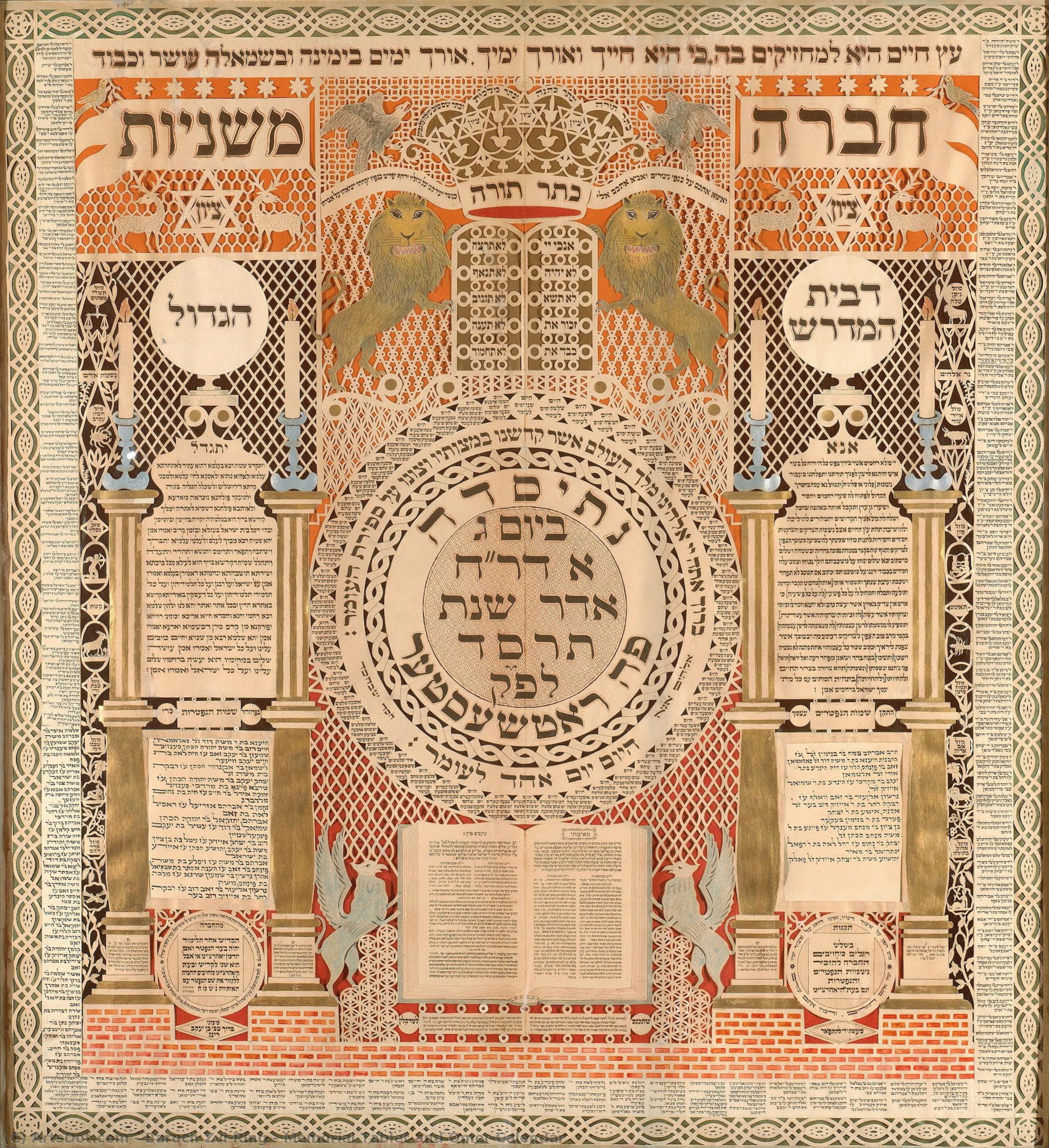
Baruch Zvi Ring’s ‘Memorial Tablet and Omer Calendar,’ a monumental work completed in 1904, transcends the boundaries of a simple calendar; it is a profound meditation on memory, faith, and the enduring connection between generations. Measuring an impressive 1270 x 1397 cm, this paper-cut masterpiece offers a rare glimpse into the spiritual life of late 19th-century Jewish immigrants in Rochester, New York, specifically the traditions brought by Eastern European communities like Ring’s own origins in Vishya, Lithuania.
The artwork's intricate design immediately captivates. The central field is dominated by a meticulously rendered Hebrew calendar, its circular forms echoing ancient cosmological beliefs and marking the forty-nine days between Passover and Shavuot – a period deeply intertwined with Jewish ritual and agricultural observance. The omer cycle, traditionally measured by barley, is represented not just through numerical calculations but through symbolic imagery, reflecting a profound connection to the natural world and the rhythms of life itself. The surrounding circles are more than mere calendrical tools; they serve as vessels for prayers and formulas, meticulously transcribed in Hebrew script, demonstrating Ring’s mastery of both artistic technique and religious practice.
- Symbolic Layers: Beyond its calendrical function, the tablet functions as a poignant memorial. The names inscribed along the sides and bottom border represent deceased members of the congregation, honored through study of the Mishnah – the foundational text of Jewish law. This act of remembrance wasn't simply about honoring the dead; it was an active engagement with their legacy, ensuring continuity within the community.
- Technique & Materials: Ring’s skill is evident in the precision and detail of his paper-cutting technique. The use of layered paper creates a remarkable depth and texture, lending a tactile quality to the artwork that invites close inspection. The vibrant colors, achieved through meticulous hand-painting, further enhance the visual impact and contribute to the overall sense of reverence.
- Historical Context: Created during a period of significant immigration to America, this piece embodies the resilience and cultural preservation efforts of Eastern European Jewish communities. It’s a tangible link to a world undergoing rapid transformation, offering a window into the hopes, anxieties, and spiritual practices of those who sought new lives in a foreign land.
The Artist's Vision: Baruch Zvi Ring – A Legacy of Serenity
Baruch Zvi Ring (1890-1962), born in Kyiv, Ukraine, was a master of understated elegance and spiritual depth. His work reflects a profound connection to his homeland and a deep understanding of Jewish tradition. Though biographical details remain somewhat sparse, the enduring beauty of his creations speaks volumes about his artistic sensibility – a quiet contemplation of faith, family, and memory. Ring’s art is not merely decorative; it's imbued with an ethereal quality, reflecting a deeply personal response to the landscapes and spiritual practices that shaped his life.
Born into a Jewish family in Kyiv, Ring’s early life was undoubtedly shaped by the rich cultural tapestry of the city. His artistic development was rooted in this environment, allowing him to develop a distinctive style characterized by intricate patterns, clarity of composition, and a profound sense of serenity. His work offers a poignant glimpse into a world on the cusp of immense change, capturing the serene essence of Ukrainian cityscapes and rural scenes before the tumultuous events that would reshape the region.
Emotional Resonance & Artistic Merit
‘Memorial Tablet and Omer Calendar’ is more than just an artwork; it's an emotional experience. The intricate details invite contemplation, while the themes of memory, faith, and community resonate deeply with viewers. The piece evokes a sense of reverence and connection to something larger than oneself – a testament to the enduring power of tradition and the importance of honoring those who came before us.
This exceptional reproduction captures every nuance of Ring’s original creation, allowing you to appreciate the full beauty and significance of this remarkable artwork. Its scale is impressive, making it a truly impactful addition to any discerning collection or interior space.
A Collector's Perspective
Acquiring a hand-painted reproduction of ‘Memorial Tablet and Omer Calendar’ offers a unique opportunity to own a piece of art history – a tangible link to the vibrant cultural traditions of Eastern European Jewish communities. This artwork is not just an investment; it’s a celebration of faith, memory, and artistic skill. Its intricate design and historical significance make it a truly exceptional addition to any collection or a powerful statement piece for any interior space.
Related Artworks
Artist Biography
A Serene Vision of Ukraine: The Life and Art of Baruch Zvi Ring
Baruch Zvi Ring, born in Kyiv, Ukraine, in 1890, remains a quietly compelling figure within the landscape of early 20th-century watercolor painting. While biographical details surrounding his life are somewhat scarce, the enduring beauty and contemplative nature of his work speak volumes about his artistic sensibility and deep connection to his homeland. Ring’s art offers a poignant glimpse into a world on the cusp of immense change, capturing the serene essence of Ukrainian cityscapes and rural scenes before the tumultuous events that would reshape the region. His paintings are not merely depictions of place; they are imbued with an ethereal quality, reflecting a deeply personal and spiritual response to the landscapes he so lovingly rendered.Early Life and Artistic Development
Born into a Jewish family in Kyiv, Ring’s early life was undoubtedly shaped by the rich cultural tapestry of the city—a vibrant center of both Eastern European tradition and burgeoning modernity. Though specific details regarding his formal artistic training remain elusive, it is clear that he dedicated himself to mastering the delicate art of watercolor. This choice of medium itself speaks to a particular temperament; watercolor demands precision, sensitivity, and an intimate understanding of light and atmosphere. Unlike the bolder strokes of oil painting, watercolor allows for a fluidity and transparency that perfectly suited Ring’s vision. His early works likely focused on capturing the everyday life of Kyiv—the bustling markets, quiet streets, and the Dnieper River winding through the city. These formative experiences instilled in him a deep appreciation for the subtle nuances of light and shadow, which would become hallmarks of his mature style.A Contemplative Palette: Style and Technique
Ring’s watercolors are immediately recognizable for their soft, pastel hues and ethereal quality. He eschewed dramatic contrasts, instead favoring a harmonious blend of colors that evoke a sense of tranquility and contemplation. His brushwork is delicate and precise, yet never overly detailed; he prioritized capturing the *feeling* of a place rather than its literal representation. The influence of Impressionism can be subtly detected in his handling of light and atmosphere, but Ring’s work possesses a unique character—a quiet introspection that sets it apart. He often depicted scenes bathed in soft morning or evening light, creating an almost dreamlike quality. This technique wasn't simply about aesthetic preference; it was a way to convey the emotional resonance of the Ukrainian landscape, imbuing his paintings with a sense of nostalgia and longing.Themes and Symbolism
The primary subject matter of Ring’s work revolves around Ukrainian landscapes and cityscapes. He frequently depicted scenes along the Dnieper River, capturing the river's changing moods and its importance to the life of Kyiv. His paintings often feature traditional Ukrainian architecture—wooden churches with their distinctive onion domes, quaint cottages nestled amongst fields, and bustling marketplaces filled with local life. However, Ring’s work is not simply a documentary record of these scenes; it is imbued with a deeper symbolism. The river itself can be interpreted as a metaphor for the passage of time and the enduring spirit of Ukraine. The churches represent faith and tradition, while the cottages symbolize the simple beauty of rural life. His paintings also offer a subtle commentary on the Jewish experience in Ukraine—a community deeply rooted in the land but often facing persecution and displacement.Legacy and Historical Significance
Baruch Zvi Ring passed away in 1962, leaving behind a body of work that continues to resonate with audiences today. While his paintings were not widely exhibited during his lifetime, they have gained increasing recognition in recent years as scholars and art enthusiasts rediscover the beauty and historical significance of his oeuvre. His work provides a valuable glimpse into Ukrainian life in the early 20th century—a period marked by both cultural flourishing and political upheaval. Ring’s serene watercolors stand as a testament to the enduring power of art to capture the essence of place and convey the emotional resonance of human experience. He is remembered not only for his technical skill but also for his ability to imbue his paintings with a sense of quiet dignity and profound spiritual depth, offering a poignant legacy of a Jewish artist deeply connected to his Ukrainian homeland. His work serves as a reminder of the beauty that can be found in even the most challenging times.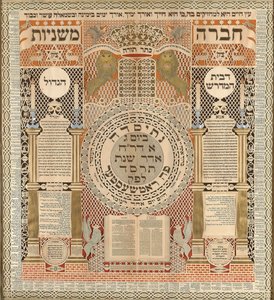
Baruch Zvi Ring
1890 - 1962 , Ukraine
Quick Facts
- Artistic Movement Or Style: Post-Impressionism
- Artists Or Movements Influenced By This Artist: ['Expressionism']
- Artists Who Influenced This Artist: ['Vincent van Gogh']
- Date Of Birth: March 30, 1853
- Date Of Death: July 29, 1890
- Full Name: Vincent Willem van Gogh
- Nationality: Dutch
- Notable Artworks:
- Starry Night
- Sunflowers
- Bedroom in Arles
- Place Of Birth: Netherlands
Related Articles
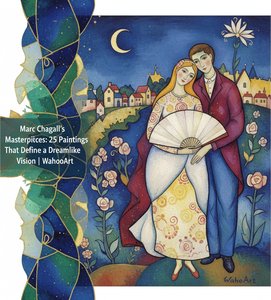
Marc Chagall's Masterpieces: 25 Paintings That Define a Dreamlike Vision | ArtsDot
Journey into the dreamlike world of Marc Chagall! Explore 25 iconic paintings, from 'I and the Village' to his vibrant surrealist masterpieces. Discover the stories & techniques behind these timeless artworks – find museum-quality Chagall reproductions on ArtsDot.com.
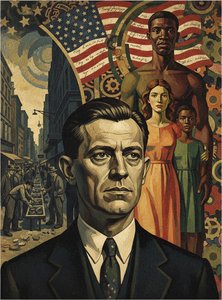
Benjamin Shahn: Social Realism & the Poetics of American Identity
Explore the powerful social realism of Benjamin Shahn (1898-1969). Discover his iconic murals, poignant Dust Bowl paintings & unique synthesis of Jewish identity and American Modernism. Learn about this influential artist's legacy.
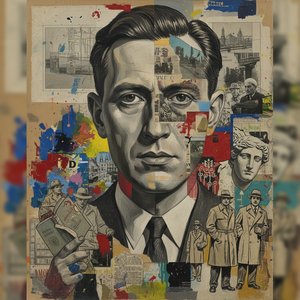
R.B. Kitaj: Narrative Fragmentation & the Postmodern Condition in Figurative Painting
Explore the complex world of R.B. Kitaj's figurative paintings. Discover his postmodern techniques, Jewish identity themes, and lasting influence on contemporary art. A guide for discerning collectors.
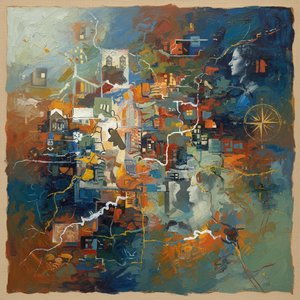
Penny Diane Wolin: Navigating Memory, Identity & Place Through Abstract Expressionism
Explore the profound work of Penny Diane Wolin, a master of abstract expressionism & documentary photography. Discover her explorations of memory, identity, and cultural heritage – a compelling investment for discerning art collectors.


