

 Preview
 Send
Send Share
Share
 Details

 Download
 Similars
 X-Ray
X-Ray Diaporama
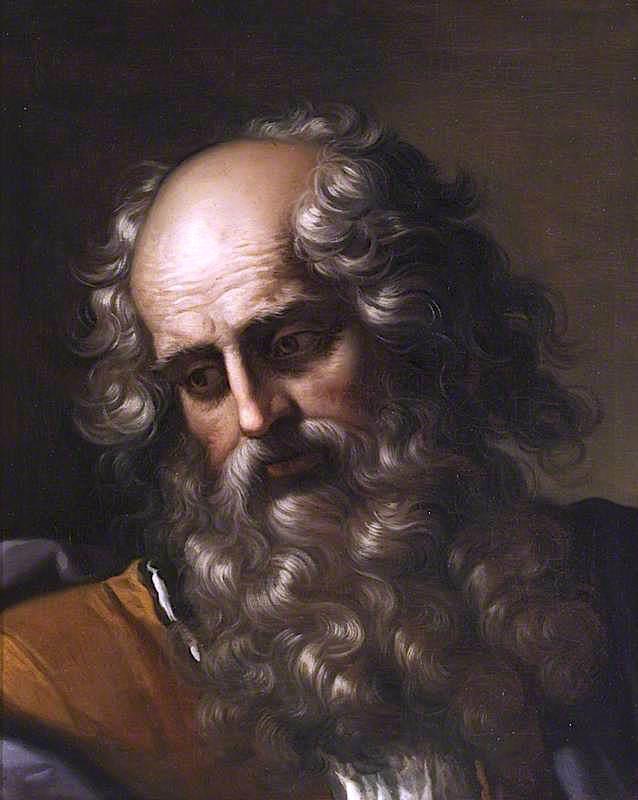
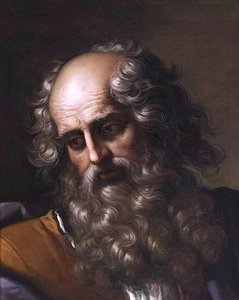
Head of Saint Paul
 Oil On Canvas
- WallArt
- Baroque
 1673
1673 56.0 x 52.0 cm
 Ham House
 Read More
Hand Made Oil Reproduction
Hand-painted oil on canvas in your size and frame, made to order by our artists. ( Buy Print Buy Image)




P118B $10

P118H $10

P118W $10

P438Z $10

P508JH $12

P508YH $12

P805H $10

P805Z $10

P919BZ $10

P919G $10

P919XJ $10

P959ZH $10

P968JZ $12

W106C $8

W218G $10

W218JH $8

W218Y $10

W307PJ $10

W316G $10

W316PJ $8

W316Y $10

W398PJ $8

W4111J $10

W500HY $15

W500JH $15

W692G $12

W849H $8

W940BG $15

W953PJ $8




Pick from our preset sizes that match the artwork's original proportions.

You may enter your own dimensions to fit a specific frame or space. If your selected size does not match the original image's proportions, we will either crop the artwork or extend the painting with additional hand-painted elements. A digital mockup will be sent for your approval before production begins.
Please note that the on-screen preview does not reflect the actual cropping or extension. Only the mockup will accurately show the final composition.
While custom sizes are available, we recommend selecting a dimension from the predefined list to preserve the original proportions.
After order, ArtsDot.com team will email client for instructions and provide a mockup preview
Worldwide Delivery () in 3/4 weeks instead of standard 5 weeks. (25 August). No compromise on quality.

Free Worldwide Express Shipping

High-Quality Linen Canvas

Full Shipping Insurance

Customs Tax Refund Guarantee

True Color Matching Guarantee

60-Day Return Policy (Defects Only)

100% Money-Back Guarantee

Bulk Discount Offer
 Glass option is only available in size under 110 CM

Head of Saint Paul
Reproduction Medium
Reproduction Size
-


Total Price
$ 263
Artwork Description
The Serene Contemplation: Benedetto Gennari’s ‘Head of Saint Paul’
Benedetto Gennari the Younger's “Head of Saint Paul,” painted in 1673, is more than just a portrait; it’s a profound meditation on faith, age, and the quiet dignity of spiritual reflection. This oil-on-canvas work, currently residing within the hallowed halls of the Ham House museum in Richmond, England, offers a rare glimpse into the soul of a man – Saint Paul himself – captured with an arresting blend of realism and evocative symbolism. The painting immediately draws the viewer in, not with dramatic gesture or vibrant color, but with a subtle intensity born from the subject’s gaze, lost in a world of inner thought.
Gennari, a prominent figure within the Italian Baroque movement, inherited a rich artistic lineage from his grandfather and father. Trained under the influential Guercino, he absorbed the master's signature use of dramatic light and shadow – techniques that are brilliantly deployed here to sculpt Paul’s face and create an atmosphere of contemplative solemnity. The artist skillfully utilizes chiaroscuro, emphasizing the folds of the beard and the texture of the skin while receding into a dark background, effectively isolating the figure and intensifying his emotional state.
A Study in Detail: Unpacking the Symbolism
The painting’s power lies not just in its technical mastery but also in its carefully considered symbolism. Notice first the subject's white hair and beard – a visual representation of wisdom, experience, and the passage of time. Yet, juxtaposed against this venerable appearance is the prominent bald spot on his head, a deliberate detail that speaks volumes about human vulnerability and mortality. It’s a poignant reminder that even the most revered figures are not immune to the realities of aging and loss. The dark background serves as a powerful visual anchor, drawing all attention to Paul's face and amplifying the sense of introspection.
The composition itself is remarkably restrained. Paul sits in profile, his head slightly bowed, suggesting a deep contemplation or perhaps even sorrow. There’s no overt display of piety or religious fervor; instead, we witness a quiet, almost melancholic serenity. The artist masterfully conveys the weight of experience and the burden of faith through subtle gestures and facial expressions.
Historical Context & Artistic Legacy
Created during the height of the Baroque period, “Head of Saint Paul” reflects the era’s fascination with religious themes and its emphasis on emotional intensity. Gennari served royal courts in France and England, adapting his style to suit the tastes of various patrons while maintaining a distinct artistic identity. His portraits were highly sought after by European nobility, and this work exemplifies his ability to capture both physical likeness and psychological depth – qualities that made him one of the most respected artists of his time.
The painting’s enduring appeal lies in its timeless quality. It transcends mere representation, offering a profound meditation on human nature, faith, and the mysteries of the soul. Reproductions of “Head of Saint Paul” provide an accessible way to experience this masterpiece, allowing art lovers to bring a touch of Baroque serenity into their homes or offices.
Resources for Further Exploration
Related Artworks





Artist Biography
A Legacy Forged in Baroque Splendor: The Life and Art of Benedetto Gennari II
Benedetto Gennari II, born in Cento, Italy, in 1633, emerged from a distinguished lineage of artists, destined to leave his own indelible mark on the vibrant tapestry of the Baroque period. As the grandson of Benedetto Gennari I and brother to Cesare Gennari, he inherited not merely a family name steeped in artistic tradition but also a profound understanding of painting’s power—a legacy nurtured by his father, Ercole Gennari, and mother, Lucia Barbieri. His formative years were profoundly shaped by an apprenticeship under the celebrated Guercino, whose dramatic use of light and shadow, emotional intensity, and dynamic compositions would become foundational to Gennari's early style. This tutelage instilled in him a meticulous technique and a keen eye for capturing both physical likeness and inner character, qualities that would define his future success.From Bologna to Royal Courts: A Cosmopolitan Career
Upon Guercino’s passing, Benedetto and Cesare jointly inherited the master's studio, ensuring the continuation of his artistic principles while simultaneously allowing them space to cultivate their individual voices. However, Gennari possessed a restless spirit and an ambition that extended beyond the confines of Bologna. In March 1672, he embarked on a journey to Paris, seeking opportunities at the court of King Louis XIV. His talent quickly garnered recognition among the French nobility, leading to numerous commissions that prolonged his stay in France. This exposure to the refined tastes of the French court broadened his artistic horizons and introduced him to new aesthetic sensibilities. In September 1674, Gennari continued his travels, arriving in London where he swiftly established himself as a sought-after court painter for both King Charles II and his successor, James II. It was during this period that his reputation as a portraitist truly blossomed. He became particularly favored by Catholic consorts—Catherine of Braganza and Mary of Modena—who commissioned devotional works for their private chapels and personal contemplation. These commissions reveal not only Gennari’s artistic skill but also the complex religious landscape of 17th-century England, where faith was often practiced with a degree of discretion.A Style in Transition: Blending Tradition and Innovation
Gennari's artistic development wasn't static; it was a continuous process of evolution fueled by his travels and exposure to diverse artistic traditions. While initially deeply rooted in Guercino’s style, he gradually incorporated elements from Northern European painting into his work. This synthesis resulted in a more nuanced approach to composition, color palettes, and the rendering of detail. His portraits, in particular, distinguished themselves through their ability to capture not only the physical likeness of his sitters but also their personalities and psychological depth. He possessed an exceptional talent for conveying dignity, refinement, and a sense of inner life within his subjects. His allegorical and mythological scenes, while still reflecting Baroque grandeur, began to exhibit a greater subtlety and sophistication in their narrative storytelling. The deposition of James II in 1689 forced Gennari to follow the exiled court to Saint-Germain-en-Laye, but by 1692 he had returned to his native Bologna, bringing with him a wealth of experience and a refined artistic vision.A Founding Father of Artistic Advancement
Back in Bologna, Gennari continued to paint prolifically, solidifying his position as one of the leading artists of his time. In 1709, he demonstrated his commitment to fostering artistic excellence by becoming a founding member of the Accademia Clementina—an institution dedicated to promoting innovation and elevating the standards of art within the Bolognese community. This involvement underscored his belief in the importance of education and collaboration in advancing the field of painting. Gennari’s legacy extends beyond his individual artworks; he played an active role in shaping the artistic landscape of Bologna, ensuring that future generations would benefit from a vibrant and thriving creative environment. His work provides invaluable insights into the tastes and patronage patterns of the elite during a period marked by significant political and religious upheaval. Benedetto Gennari II’s paintings stand as enduring testaments to his technical mastery, artistic sensitivity, and lasting contribution to the Baroque tradition—a legacy that continues to captivate and inspire viewers today.Major Achievements & Historical Significance
- Navigating Political Complexity: Successfully secured prestigious commissions from royal courts across Europe despite shifting political landscapes.
- Distinctive Portrait Style: Developed a unique portrait style blending Baroque traditions with Northern European influences, capturing both likeness and psychological depth.
- Artistic & Cultural Contribution: Contributed significantly to the artistic and cultural life of Bologna through his involvement in founding the Accademia Clementina.
- Prolific Output: Created a substantial body of work, including portraits, allegorical scenes, and mythological paintings, showcasing versatility and skill.
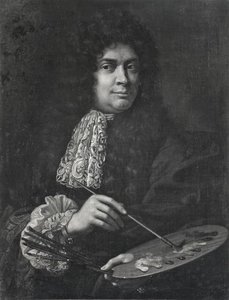
benedetto gennari the younger
1633 - 1715 , Italy
Quick Facts
- Artistic Movement Or Style: Baroque
- Artists Who Influenced This Artist: ['Guercino']
- Date Of Birth: 1633
- Date Of Death: 1715
- Full Name: Benedetto Gennari II
- Nationality: Italian
- Notable Artworks:
- Portrait of Guercino
- Cleopatra
- Tales of Ovid's Metamorphoses
- Rinaldo and Armida
- Place Of Birth: Cento, Italy
Related Articles

Cézanne's Masterpieces: 25 Iconic Artworks to Transform Your Space
Journey through 25 iconic artworks by Paul Cézanne – a master of Impressionism and Post-Impressionism. Explore his landscapes, still lifes, and the stories behind these timeless masterpieces. Discover museum-quality reproductions & curated decor at ArtsDot.com.

Paul Klee's Masterpieces: Explore 25 Iconic Paintings & Prints | ArtsDot
Journey through Paul Klee's 25 most iconic paintings & prints. Explore his abstract style, Bauhaus influence, and vibrant color palettes. Find museum-quality art reproductions & decor ideas at ArtsDot.com. Discover all masterpieces online.

The Dramatic Flourish: Exploring the Baroque Movement's Enduring Legacy in Art History
Explore the dramatic world of Baroque art! Discover iconic artists like Caravaggio & Rubens, defining techniques, and its lasting impact on art history. Expert insights for collectors & enthusiasts at ArtsDot.

Baroque Masterpieces: 10 Paintings That Defined an Era |
Journey through the drama & grandeur of Baroque art! Explore 10 masterpieces by Caravaggio, Rembrandt, Rubens & more. Discover stunning oil paintings, rich colors & timeless stories. Find museum-quality reproductions at .
The Golden Age Reforged: Dramatic Realism & Religious Zeal in Spanish Baroque Art
Explore the dramatic world of Spanish Baroque art! Discover masters like Zurbarán & the powerful influence of religious zeal on painting techniques – a guide for collectors and enthusiasts.



_-_Head_of_Saint_Paul_-_1140136_-_National_Trust.jpg)