Preview
 Send
Send Share
Share
 Details

 Download
 Similars
 X-Ray
X-Ray Diaporama
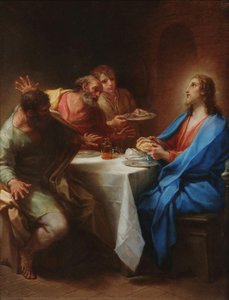
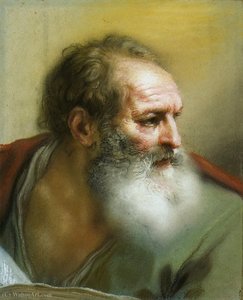
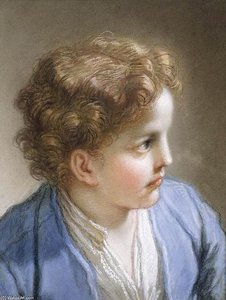
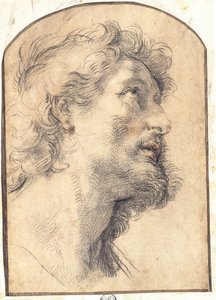
The Head of an Apostle

 Read More
Hand Made Oil Reproduction
Hand-painted oil on canvas in your size and frame, made to order by our artists. ( Buy Print Buy Image)




P118B $10

P118H $10

P118W $10

P438Z $10

P508JH $12

P508YH $12

P805H $10

P805Z $10

P919BZ $10

P919G $10

P919XJ $10

P959ZH $10

P968JZ $12

W106C $8

W218G $10

W218JH $8

W218Y $10

W307PJ $10

W316G $10

W316PJ $8

W316Y $10

W398PJ $8

W4111J $10

W500HY $15

W500JH $15

W692G $12

W849H $8

W940BG $15

W953PJ $8




Pick from our preset sizes that match the artwork's original proportions.

You may enter your own dimensions to fit a specific frame or space. If your selected size does not match the original image's proportions, we will either crop the artwork or extend the painting with additional hand-painted elements. A digital mockup will be sent for your approval before production begins.
Please note that the on-screen preview does not reflect the actual cropping or extension. Only the mockup will accurately show the final composition.
While custom sizes are available, we recommend selecting a dimension from the predefined list to preserve the original proportions.
After order, ArtsDot.com team will email client for instructions and provide a mockup preview
Worldwide Delivery () in 3/4 weeks instead of standard 5 weeks. (16 August). No compromise on quality.

Free Worldwide Express Shipping

High-Quality Linen Canvas

Full Shipping Insurance

Customs Tax Refund Guarantee

True Color Matching Guarantee

60-Day Return Policy (Defects Only)

100% Money-Back Guarantee

Bulk Discount Offer
 Glass option is only available in size under 110 CM

The Head of an Apostle
Reproduction Medium
Reproduction Size
-


Total Price
$ 263
Related Artworks
Artist Biography
A Florentine Master in Roman Splendor: The Life and Art of Benedetto Luti
Benedetto Luti, born in Florence on November 17, 1666, emerged as a pivotal figure bridging the grandeur of the Baroque with the delicate sensibilities of the Rococo. While details surrounding his earliest artistic training remain somewhat elusive, it’s clear he absorbed the vibrant artistic atmosphere of his native city—a cradle of Renaissance heritage and burgeoning creativity. Florence instilled in him a foundational skill set that would later flourish under the Roman sun, but it was in Rome that Luti truly discovered his unique voice, becoming celebrated not merely as a painter, but as an innovator who redefined the possibilities of pastel. His journey wasn’t simply one of technical mastery; it was a testament to artistic curiosity and a willingness to challenge conventional boundaries.Pioneering Pastel: A Revolution in Artistic Technique
Luti's lasting legacy rests upon his groundbreaking exploration of pastels. Prior to the late 17th century, pastel sticks were largely relegated to preparatory studies—a means to an end rather than a finished work in itself. Artists would use them for sketching compositions or underpainting canvases. Luti, however, perceived something more within this seemingly humble medium. He recognized its potential for achieving delicate tonal variations, capturing subtle nuances of light and shadow, and conveying a remarkable sense of intimacy. He elevated pastel to the status of a complete and expressive artistic technique, meticulously building up layers of color to create portraits that possessed an almost ethereal quality. This wasn’t merely about adopting a new material; it was about fundamentally altering the way portraiture could be conceived and executed. His mastery attracted the attention of Cosimo III de' Medici, Grand Duke of Tuscany, who became a crucial patron, enabling Luti to fully explore his artistic vision and establish a reputation that extended beyond Italy’s borders.A Versatile Artist: Beyond the Pastel Portrait
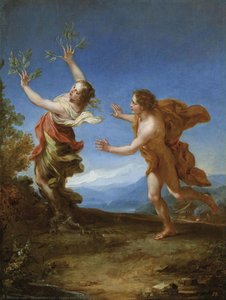
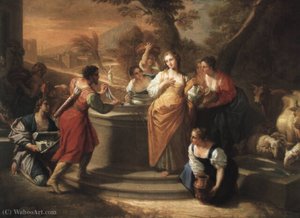
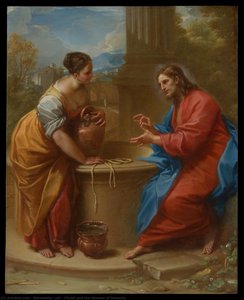
While Benedetto Luti is most readily associated with his exquisite pastel portraits, it's important to recognize the breadth of his artistic capabilities. He was a proficient oil painter and fresco artist, undertaking significant commissions that showcased his versatility. His work at the Basilica di San Giovanni in Laterano stands as evidence of his skill in large-scale decorative projects. Christ and the Woman of Samaria, completed between 1715 and 1720, exemplifies his ability to translate the dramatic narratives of religious scenes onto expansive surfaces with compelling dynamism. Beyond these grand commissions, Luti also produced works like Apollo and Daphne, demonstrating a command of mythological subjects and classical forms. His pastel portraits, however—such as Boy with a Flute (circa 1720)—remain his most iconic creations, capturing the personality and spirit of his sitters with remarkable sensitivity. These works weren’t simply likenesses; they were psychological studies rendered in shimmering color and delicate detail.Influence and Legacy: A Teacher and a Conduit
Luti's impact extended far beyond his own artistic output. He was a sought-after teacher, establishing a drawing school that attracted students from across Europe. Among his pupils were some of the most prominent artists of the following generation, including Giovanni Domenico Piastrini, Giovanni Paolo Panini, and—most notably—Pompeo Batoni. Batoni, who would become one of the leading portraitists of the 18th century, clearly absorbed Luti’s refined technique and sensitivity to character. Luti also operated as a successful art dealer, possessing an astute eye for quality and a deep understanding of the art market. In 1720, he was knighted by the Academy of St Luke in Rome and elected its ‘principe’ (leader)—a testament to his standing within the artistic community, though not without some debate regarding whether his body of work fully warranted such recognition. He continued to contribute to Roman churches until his death in 1724, leaving behind a legacy that continues to inspire artists and captivate audiences today. His pioneering use of pastel bridged the gap between Baroque grandeur and the more intimate style that characterized the Rococo period, solidifying his place as a significant figure in the history of art.Historical Significance: A Bridge Between Eras
Benedetto Luti’s historical significance lies not only in his technical innovations but also in his ability to synthesize diverse artistic influences. He drew inspiration from Baroque masters, evident in his dramatic compositions and attention to detail, yet he forged a path toward the more delicate and refined aesthetic of the Rococo. He was an artist who understood the power of both grandeur and intimacy, capable of creating works that were simultaneously imposing and deeply personal. His influence on subsequent generations of artists—particularly through his students—ensured that his techniques and sensibilities would continue to shape the course of European art. Luti’s work serves as a reminder that artistic progress is rarely about radical departures; it's often about subtle refinements, innovative applications of existing materials, and a willingness to explore new possibilities within established traditions. He remains a compelling figure—a Florentine master who found his true voice in the heart of Rome, leaving an indelible mark on the world of art.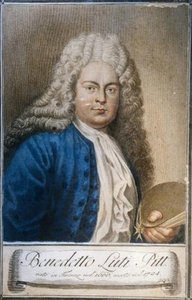
Benedetto Luti
1666 - 1724 , Italy
Quick Facts
- Artistic Movement Or Style: Baroque, Rococo
- Artists Or Movements Influenced By This Artist:
- Pompeo Batoni
- Rococo portraiture
- Artists Who Influenced This Artist: ['Baroque masters']
- Date Of Birth: November 17, 1666
- Date Of Death: 1724
- Full Name: Benedetto Luti
- Nationality: Italian
- Notable Artworks:
- Christ and the Woman...
- Boy with a Flute
- Apollo and Daphne
- Place Of Birth: Florence, Italy
Related Articles

Oil on Canvas: A Historical & Technical Exploration of a Timeless Artistic Medium
Explore the rich history & enduring techniques of oil painting on canvas. Discover the science behind its longevity, conservation practices, and contemporary relevance. Expert insights for art enthusiasts.

The Enduring Legacy of Oil on Canvas: Technique, History & Aesthetic Impact
Explore the rich history & techniques of oil painting – from Renaissance masters to Impressionism. Discover pigments, layering methods, and why this timeless medium endures. Expert insights for artists & art enthusiasts.

The Enduring Legacy of Oil on Canvas: Technique, History & Contemporary Practice
Explore the rich history & enduring techniques of oil painting on canvas. Discover the science behind its longevity, conservation practices, and contemporary relevance. Expert insights for art enthusiasts.

Oil on Canvas Masters: 10 Paintings That Redefined Art History |
Journey through art history with our guide to 10 legendary oil on canvas masterpieces! Explore iconic works by Van Gogh, Monet & Rembrandt. Find museum-quality reproductions and elevate your home decor at . Discover all masterpieces online.

The Enduring Power of Painting: A Historical & Contemporary Exploration of Form and Emotion
Explore the rich history & enduring techniques of oil painting with ArtsDot. Discover masterpieces, learn about art collecting, and find authentic handmade reproductions crafted by skilled artists.