 Send
Send Share
Share
 Details

 Download
 Similars
 Diaporama
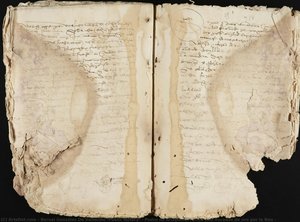
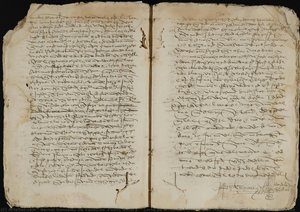
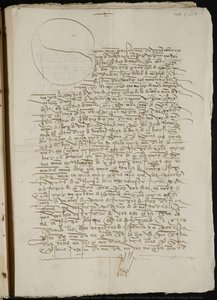
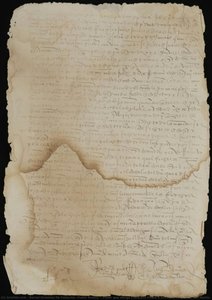
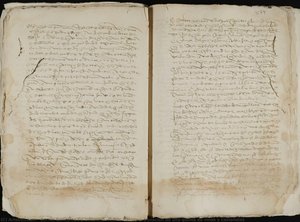
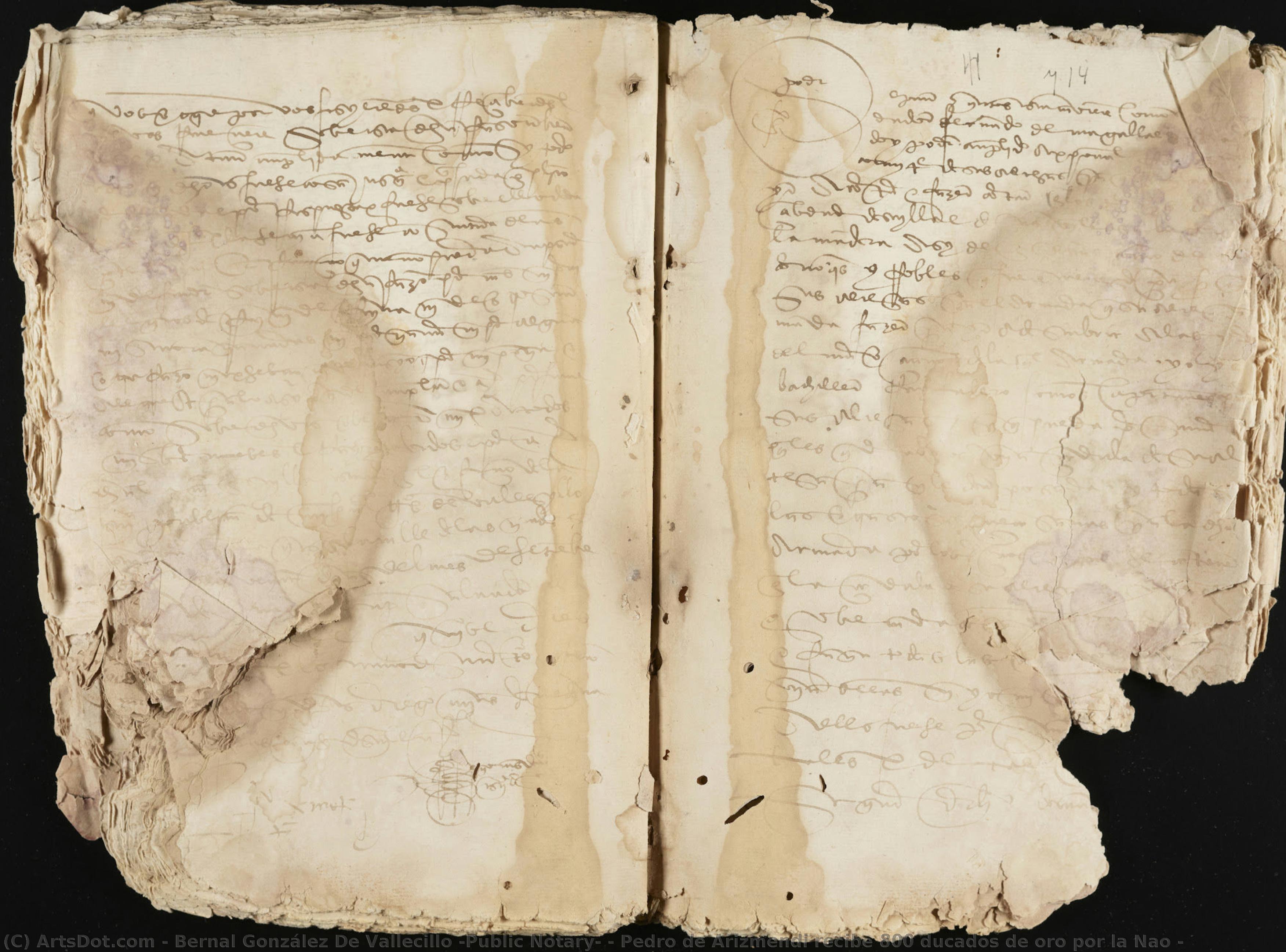
Pedro de Arizmendi recibe 800 ducados de oro por la Nao
 Black and White Photography
- Photo
 1518
1518- Early Modern
 32.0 x 45.0 cm
 Andalusian Archives
 Read More
Hand Made Oil Reproduction
Hand-painted oil on canvas in your size and frame, made to order by our artists. ( Buy Print Buy Image)




































Pick from our preset sizes that match the artwork's original proportions.

You may enter your own dimensions to fit a specific frame or space. If your selected size does not match the original image's proportions, we will either crop the artwork or extend the painting with additional hand-painted elements. A digital mockup will be sent for your approval before production begins.
Please note that the on-screen preview does not reflect the actual cropping or extension. Only the mockup will accurately show the final composition.
While custom sizes are available, we recommend selecting a dimension from the predefined list to preserve the original proportions.
After order, ArtsDot.com team will email client for instructions and provide a mockup preview
Worldwide Delivery () in 3/4 weeks instead of standard 5 weeks. (6 September). No compromise on quality.

Free Worldwide Express Shipping

High-Quality Linen Canvas

Full Shipping Insurance

Customs Tax Refund Guarantee

True Color Matching Guarantee

100-Day Return Policy (Defects Only)

100% Money-Back Guarantee

Bulk Discount Offer
 Glass option is only available in size under 110 CM

Pedro de Arizmendi recibe 800 ducados de oro por la Nao
Reproduction Medium
Reproduction Size
-


Total Price
$ 263
A Glimpse into the Golden Age of Discovery
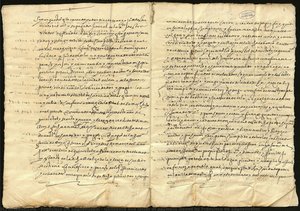
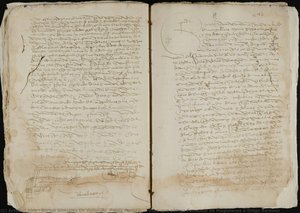
In the quiet, weathered pages of history lies a profound connection to the era of global exploration, captured in the evocative document "Pedro de Arizmendi recibe 800 ducados de oro por la Nao." This piece is not merely a record of transaction; it is a window into the sixteenth-century soul, where the scent of old parchment meets the high stakes of maritime ambition. As a photographic depiction of an original legal manuscript dated to 1518, the work invites viewers to step back into a time when the world was being redrawn by the hulls of great ships and the ink of meticulous notaries. The visual texture of the aged, yellowed paper, marked by the passage of centuries, serves as a tactile bridge to the Renaissance, evoking a sense of reverence for the legacies left behind by those who navigated both uncharted oceans and complex legal frontiers.
The aesthetic power of this work lies in its raw, monochromatic authenticity. Presented in a striking black and white format, the image strips away the distractions of color to focus the eye on the intricate dance of calligraphy and the physical decay of time. The handwriting, a rhythmic flow of Spanish script, carries the weight of authority and the permanence of law. For the discerning collector or interior designer, this piece offers a sophisticated, scholarly elegance. It possesses a minimalist yet profound visual depth that complements classical study libraries, historical-themed galleries, or contemporary spaces seeking an anchor of intellectual gravity. The interplay of light and shadow across the worn grain of the paper creates a dramatic, almost sculptural effect, making it a centerpiece of quiet contemplation.
Beyond its visual allure, the work is steeped in the monumental history of Spanish colonial expansion. Attributed to the meticulous records associated with Bernal González de Vallecillo, a notary whose hand documented the very footsteps of Magellan’s legendary expeditions, the document symbolizes the intersection of commerce and conquest. The mention of 800 gold ducats for a "Nao" (a type of Spanish sailing ship) evokes the immense wealth and perilous risks that fueled the Age of Discovery. To possess a reproduction of such a piece is to hold a fragment of the era that birthed our modern interconnected world. It is an invitation to celebrate the spirit of human curiosity, the precision of legal tradition, and the enduring beauty of historical truth.
Related Artworks



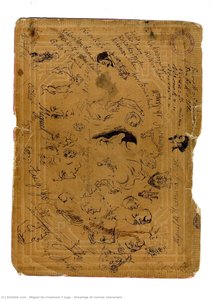


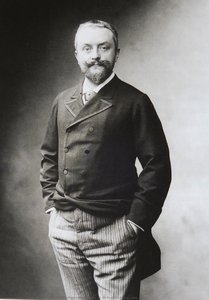

Artist Biography
Bernal González de Vallecillo: Guardian of Magellan’s Legacy
Bernal González de Vallecillo (circa 1530 – after 1596) stands as a pivotal figure in the annals of Spanish colonial history, primarily recognized for his meticulous documentation of pivotal expeditions and legal transactions that shaped the early voyages of Ferdinand Magellan around the globe. Born in Spain, his career unfolded amidst the fervor of Renaissance humanism and the burgeoning spirit of scientific inquiry—a confluence that profoundly influenced his approach to legal scholarship and archival practice. While biographical details remain scarce, scholarly consensus points to him as a respected notary residing in Valladolid during the reign of Philip II, cementing his reputation as a bastion of legal precision within the Iberian Peninsula.- Early Life & Education: Precise information regarding Vallecillo’s formative years is elusive, yet he emerged from Valladolid's intellectual milieu—a region renowned for its universities and humanist traditions—suggesting a grounding in classical learning and philosophical debate.
- Career as Notary: Vallecillo established himself as a notary public, diligently recording legal agreements and official decrees. His unwavering commitment to accuracy and detail became hallmarks of his profession, mirroring the standards upheld by Iberian legal institutions during the sixteenth century.
Magellan’s Documents: A Testament to Exploration Vallecillo's enduring fame stems from his involvement in safeguarding the legal framework underpinning Magellan’s audacious circumnavigation voyage. He served as notary for Diego Barbosa, Magellan’s navigator and confidante, meticulously documenting crucial agreements pertaining to provisioning, financing, and governance aboard the Nina, Pinta, and Victoria. The ‘Carta de pago de Fernando de Magallanes otorga a diego barbosa’ (Payment Letter of Ferdinand Magellan Grants Diego Barbosa), dated September 1519, stands as one of Vallecillo's most celebrated achievements—a testament to his meticulous record-keeping skills and the importance of legal certainty in facilitating ambitious endeavors. Furthermore, Vallecillo authenticated Magellan’s Testament, solidifying his role as a chronicler of this epochal voyage.
- Notable Legal Transactions: Beyond Magellan's expeditions, Vallecillo presided over numerous legal disputes and transactions within Valladolid—demonstrating versatility and upholding the integrity of Spanish law.
Symbolism & Technique Vallecillo’s work embodies the spirit of Renaissance notaryship—characterized by a dedication to humanist ideals and an emphasis on textual clarity. His handwriting, meticulously crafted with quill and ink upon parchment, reflects the prevailing artistic sensibilities of his time—a style imbued with elegance and precision. Vallecillo's legal documents are not merely instruments of governance; they are tangible embodiments of intellectual curiosity and scholarly rigor.
- Influence & Legacy: Vallecillo’s meticulous record-keeping practices established a precedent for archival excellence—inspiring subsequent generations of notarys to prioritize accuracy and detail. His contribution to preserving Magellan's voyage narrative underscores the significance of legal documentation in shaping historical understanding.
Historical Significance Bernal González de Vallecillo’s legacy resides not only in his mastery of legal scholarship but also in his role as a custodian of Iberian history. By faithfully documenting Magellan's voyage and upholding the standards of Spanish law, he ensured that future generations would possess access to invaluable insights into this transformative period—a testament to the enduring power of archival practice and its contribution to shaping our comprehension of the Renaissance.
Quick Facts
- Artistic Movement Or Style: Notary
- Full Name: Bernal González de Vallecillo
- Nationality: Spanish
- Notable Artworks:
- Carta de pago de Fernando de Magallanes otorga a Diego Barbosa
- Testamento de Fernando de Magallanes
- Place Of Birth: Spain
Related Articles

Dark Masterpieces: 10 Iconic Paintings Dominated by Black Tones |
Explore 10 iconic paintings dominated by black tones, from Rembrandt’s chiaroscuro to Goya's dark expressions. Discover the stories behind these masterpieces & find museum-quality art reproductions for your home at .

Acrylic on Paper: A Modern Canvas for Contemporary Expression
Explore the versatility of acrylic painting on paper! Discover expert techniques, artist insights & archival practices for creating stunning contemporary art. Learn more at ArtsDot.

Golden Hues: 10 Masterpieces Dominated by Chrome Yellow | ArtsDot
Immerse yourself in golden light! Explore 10 famous paintings dominated by 'Chrome Yellow', from Van Gogh’s Sunflowers to Monet's Haystacks. Discover the stories behind these iconic Impressionist & Post-Impressionist masterpieces and find museum-quality art reproductions at ArtsDot.com.

The Golden Age Reforged: Dramatic Realism & Religious Zeal in Spanish Baroque Art
Explore the dramatic world of Spanish Baroque art! Discover masters like Zurbarán & the powerful influence of religious zeal on painting techniques – a guide for collectors and enthusiasts.

Golden Hues: Top 10 Paintings Dominated by Yellow Ochre |
Explore 10 iconic paintings bathed in golden yellow ochre! From Van Gogh's sunflowers to Monet’s haystacks, discover the stories behind these masterpieces. Find museum-quality art reproductions & elevate your home decor on .