 Preview
 Send
Send Share
Share
 Details

 Download
 Similars
 X-Ray
X-Ray Diaporama
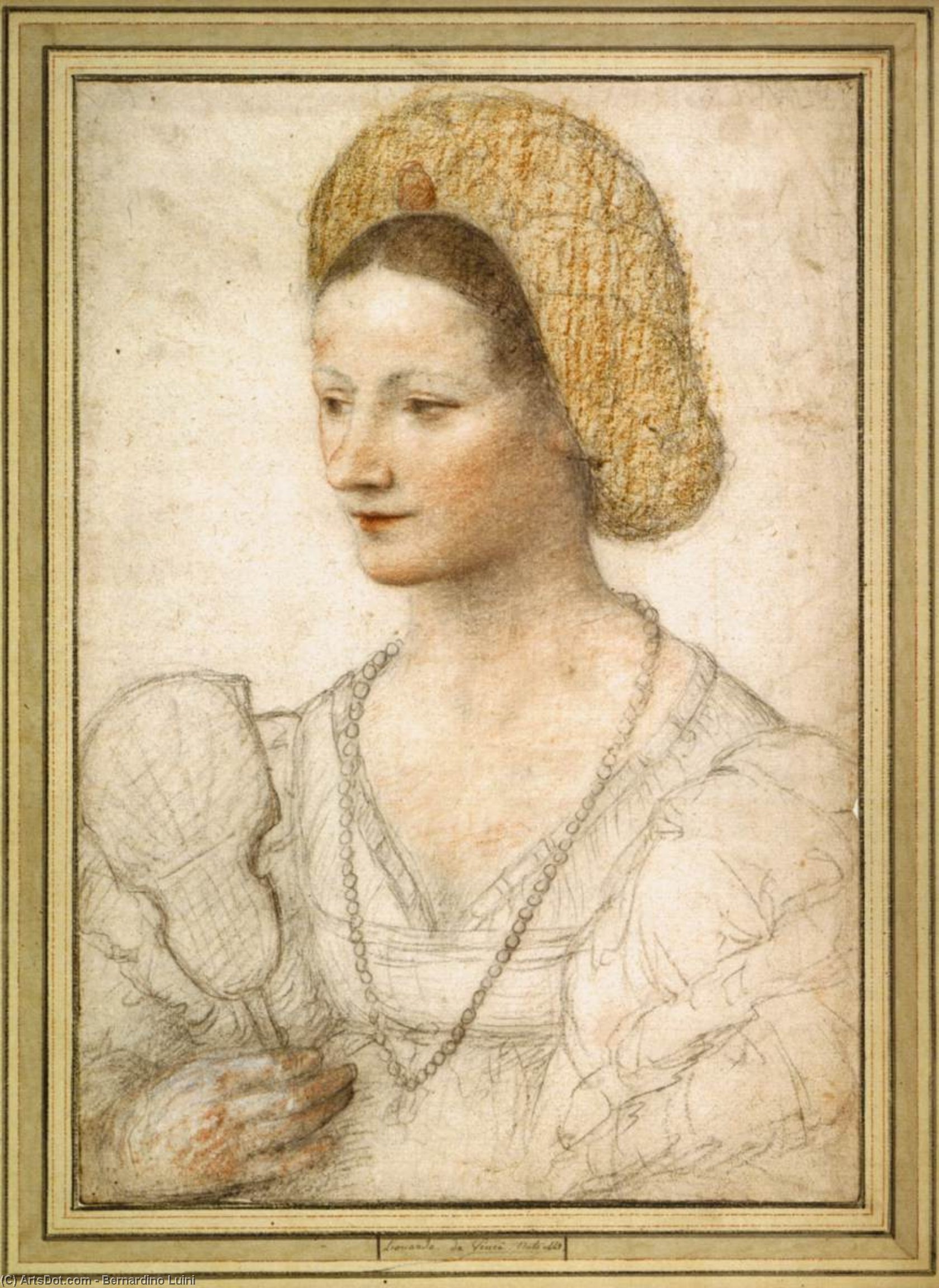
Portrait of a Young Woman with Fan
 Oil On Canvas
- WallArt
- Renaissance Italian
 1520
1520 414.0 x 285.0 cm
 Graphische Sammlung Albertina
 Read More
Hand Made Oil Reproduction
Hand-painted oil on canvas in your size and frame, made to order by our artists. ( Buy Print Buy Image)




P118B $10

P118H $10

P118W $10

P438Z $10

P508JH $12

P508YH $12

P805H $10

P805Z $10

P919BZ $10

P919G $10

P919XJ $10

P959ZH $10

P968JZ $12

W106C $8

W218G $10

W218JH $8

W218Y $10

W307PJ $10

W316G $10

W316PJ $8

W316Y $10

W398PJ $8

W4111J $10

W500HY $15

W500JH $15

W692G $12

W849H $8

W940BG $15

W953PJ $8




Pick from our preset sizes that match the artwork's original proportions.

You may enter your own dimensions to fit a specific frame or space. If your selected size does not match the original image's proportions, we will either crop the artwork or extend the painting with additional hand-painted elements. A digital mockup will be sent for your approval before production begins.
Please note that the on-screen preview does not reflect the actual cropping or extension. Only the mockup will accurately show the final composition.
While custom sizes are available, we recommend selecting a dimension from the predefined list to preserve the original proportions.
After order, ArtsDot.com team will email client for instructions and provide a mockup preview
Worldwide Delivery () in 3/4 weeks instead of standard 5 weeks. (3 September). No compromise on quality.

Free Worldwide Express Shipping

High-Quality Linen Canvas

Full Shipping Insurance

Customs Tax Refund Guarantee

True Color Matching Guarantee

60-Day Return Policy (Defects Only)

100% Money-Back Guarantee

Bulk Discount Offer
 Glass option is only available in size under 110 CM

Portrait of a Young Woman with Fan
Reproduction Medium
Reproduction Size
-


Total Price
$ 263
Portrait of a Young Woman with Fan – A Renaissance Reverie
Bernardino Luini’s “Portrait of a Young Woman with Fan,” painted circa 1520, isn't merely a depiction of a noblewoman; it’s a carefully constructed window into the heart of the Italian Renaissance. Emerging from the workshops of Leonardo da Vinci and steeped in the traditions of Lombard art, this oil-on-canvas masterpiece captures an exquisite moment of poised elegance and subtle introspection. The painting immediately draws the eye with its harmonious palette – muted earth tones punctuated by delicate highlights that sculpt the subject’s face and clothing—a testament to Luini's mastery of sfumato, a technique Leonardo himself championed, creating soft transitions between light and shadow that lend an ethereal quality to the portrait.
The woman herself is presented in a three-quarter pose, a favored compositional choice during this era that simultaneously reveals both her figure and invites engagement. Her gaze, direct yet not confrontational, holds a quiet contemplation—a suggestion of inner thoughts and emotions carefully concealed beneath an outward composure. The elaborate headdress, adorned with pearls or beads – though the exact material remains subtly ambiguous – speaks to her social standing and the formality of the period, while the high-collared dress emphasizes her status and the wealth associated with it. Notably, Luini’s attention to detail extends beyond mere representation; he imbues the fabric with a sense of weight and texture, demonstrating an understanding of how materials would drape and move in reality.
The Symbolism of the Fan
Central to the portrait's allure is the fan held delicately in her right hand. More than just a decorative accessory, the fan was a potent symbol during the Renaissance – representing social grace, discretion, and even a subtle form of control. It served as a shield against unwanted attention, a tool for cooling oneself in the summer heat, and a visual cue to one’s position within the social hierarchy. Luini masterfully utilizes this symbolism, positioning the fan open to reveal intricate designs on its surface—a further indication of her refined taste and status. The gesture itself – holding the fan with a gentle hand – reinforces the image of quiet dignity and self-possession.
Luini’s Artistic Legacy: Echoes of Leonardo
Bernardino Luini's artistic journey is inextricably linked to that of Leonardo da Vinci, and this portrait powerfully illustrates that connection. While Luini developed his own distinct style—characterized by a remarkable sensitivity to human expression and an almost dreamlike quality—he clearly absorbed many of Leonardo’s techniques and philosophies. The elongated eyes, a hallmark of Luini's work, are reminiscent of Leonardo’s studies of the human form, reflecting a shared fascination with capturing the subtle nuances of emotion and perception. Furthermore, the careful attention to detail, the masterful use of light and shadow, and the overall sense of realism all point to Luini’s apprenticeship under the master. The painting is not simply a portrait; it's a tangible link to one of the most influential artists in history.
A Timeless Masterpiece: Reproduction & Beyond
“Portrait of a Young Woman with Fan” remains a profoundly moving work, offering a glimpse into the beauty and sophistication of the Italian Renaissance. Reproductions, meticulously crafted by ArtsDot.com, strive to capture not only the visual details but also the emotional resonance of the original. The rich textures, subtle gradations of color, and the captivating gaze of the subject are all faithfully reproduced, allowing viewers to experience the painting’s timeless allure. This piece is more than just a beautiful image; it's an invitation to step back in time and connect with one of art history’s most enduring treasures.
Related Artworks
Artist Biography
A Lombard Luminary: The Life and Art of Bernardino Luini
Bernardino Luini, a name resonating softly within the annals of Italian Renaissance painting, emerged from the picturesque region surrounding Lake Maggiore around 1480. Born in Runo, a small *frazione* near Dumenza, his early life remains shrouded in some mystery, yet it’s clear that destiny propelled him towards Milan, the vibrant artistic heartland of northern Italy. By 1500, he had relocated with his father, poised to absorb the burgeoning creative energy of the city. While accounts vary regarding his initial training—some credit Giovan Stefano Scotto, others Ambrogio Bergognone—a more profound influence was undoubtedly on the horizon: Leonardo da Vinci. The precise nature of their relationship remains debated, but it’s widely believed Luini worked directly under the master, a formative experience that would indelibly shape his artistic trajectory. This apprenticeship wasn't merely technical; it was an immersion into a world of subtle observation, innovative composition, and the elusive quality known as *sfumato*, which Luini would skillfully integrate into his own unique style.The Embrace of Leonardo and the Birth of a Style
Luini’s artistic development wasn't simply imitation; it was a sensitive assimilation of Leonardo’s techniques filtered through his own Lombard sensibility. He didn’t strive to replicate Da Vinci’s intellectual rigor or anatomical precision, but rather embraced the softer, more lyrical aspects of his style. This is particularly evident in his depictions of women—graceful figures with elongated eyes, often described as “Luinesque” by the discerning eye of Vladimir Nabokov. These captivating gazes possess a gentle melancholy, an inwardness that invites contemplation. Early works like the *Adoration of the Magi* (c. 1505) in San Pietro, Luino, already hint at this emerging style, showcasing a delicate handling of light and shadow and a growing mastery of composition. His frescoes for the Oratory of Santa Maria Nuova in Pilastrello and the subsequent commissions throughout Milan solidified his reputation as a leading artist of the region. The influence of Bernardino Zenale’s *Cantù Polyptych* is also visible in works like *St. Anthony of Padua* (1510s), demonstrating Luini's ability to synthesize diverse influences into a cohesive artistic vision.Frescoes, Palaces, and the Flourishing of Creativity
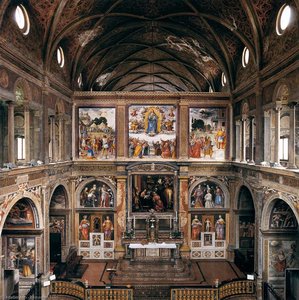
The first two decades of the 16th century witnessed a period of intense creative activity for Luini. He wasn’t confined to religious subjects; his talents were sought after for secular commissions as well. The frescoes he created between 1509 and 1514 for Villa Pelucca in Sesto San Giovanni stand as a testament to his versatility, depicting mythological scenes with a refined elegance that graced the walls of this aristocratic residence. These works, now housed in Milan’s Pinacoteca di Brera, reveal a painter equally adept at capturing the dynamism of classical narratives and the intimate beauty of human form. He continued to receive prestigious commissions, adorning churches and palaces throughout Lombardy with his distinctive style. His ability to imbue even grand-scale frescoes with an air of intimacy and emotional resonance cemented his position as one of the most sought-after artists of his time.Legacy and Enduring Appeal
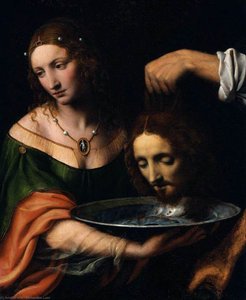
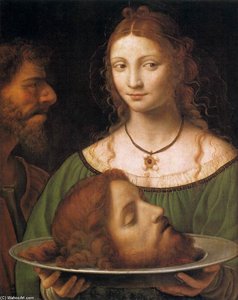
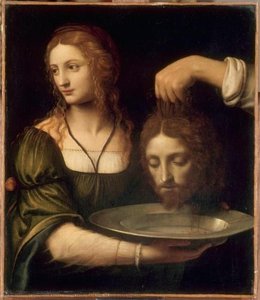
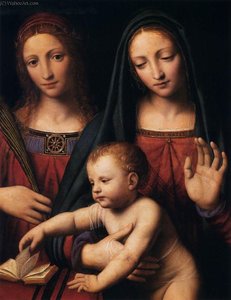
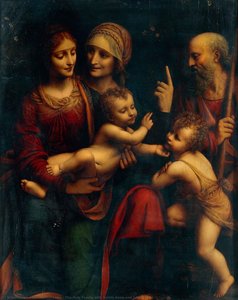
Bernardino Luini passed away in Milan in June 1532, leaving behind a legacy that extended beyond his own lifetime. His son, Aurelio, followed in his footsteps, continuing the family’s artistic tradition. However, it is Bernardino who remains the more celebrated figure, remembered for his graceful figures, delicate *sfumato*, and the uniquely captivating quality of his “Luinesque” women. His work served as an inspiration to subsequent generations of artists, influencing the development of Lombard painting and contributing to the broader currents of Italian Renaissance art. Today, Luini’s masterpieces can be found in museums and churches throughout Italy—the Pinacoteca di Brera being a particularly rich repository of his works. His paintings continue to enchant viewers with their beauty, grace, and enduring emotional power, offering a glimpse into the artistic sensibilities of a bygone era. Salome with the Head of John the Baptist, for example, continues to captivate audiences with its dramatic intensity and masterful execution, while Holy Family with Saints Anne and John the Baptist exemplifies his serene and harmonious compositions.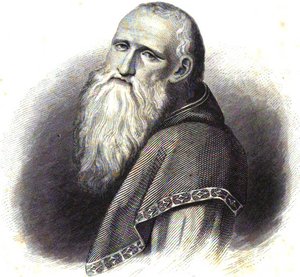
Bernardino Luini
1480 - 1532 , Italy
Quick Facts
- Artistic Movement Or Style: Renaissance, Mannerism
- Artists Or Movements Influenced By This Artist: ['Luinesque style painters']
- Artists Who Influenced This Artist: ['Leonardo da Vinci']
- Date Of Birth: c. 1480
- Date Of Death: 1532
- Full Name: Bernardino Luini
- Nationality: Italian
- Notable Artworks:
- Adoration of the Magi
- St. Anthony of Padua
- Frescoes for Villa Pelucca
- Salome with Head of John
- Holy Family w/ Saints
- Place Of Birth: Reno, Italy
Related Articles

From Digital Dreams to Tangible Treasures: The Rise of Modern Fan Art
Explore the vibrant world of modern fan art! Discover its evolution, cultural impact, and growing market. From digital creations to commissioned pieces, we delve into the artistry & passion driving fandoms today.
From Posters to Palettes: The Ascendance of Hand-Painted Fan Art & the Redefinition of Collectible Fandom
Explore the fascinating world of hand-painted fan art! Discover its rise as a collectible art form, market trends, artist collaborations & investment potential. Expert insights for discerning collectors.
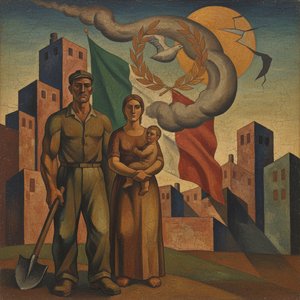
Mario Sironi: A Poetic of Modern Italian Identity Through Symbolism & Social Commentary
Explore the profound works of Mario Sironi, a key figure in Italian Modernism. Discover his evolution from Futurism to Metaphysical painting and his powerful social commentary. Learn about his legacy at ArtsDot.
Civic Virtue and Artistic Rivalry: Patronage and Innovation in the Italian Renaissance Republics, 1400–1600
Explore the Italian Renaissance! Discover how competitive patronage & humanist ideals fueled artistic innovation in republics like Florence & Venice. Expert insights for art lovers and collectors.
Giovanni Fattori: Realism, Identity & the Tuscan Landscape – A Macchiaioli Master
Explore the life & art of Giovanni Fattori, a leading figure of the Macchiaioli movement. Discover his revolutionary realism, captivating Tuscan landscapes, and lasting impact on Italian painting. Learn more at ArtsDot.