 Preview
 Send
Send Share
Share
 Details

 Download
 Similars
 X-Ray
X-Ray Diaporama
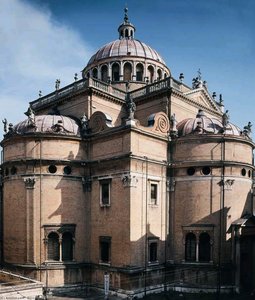
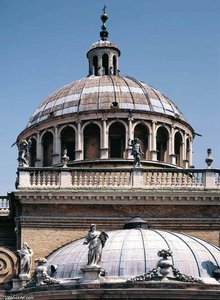
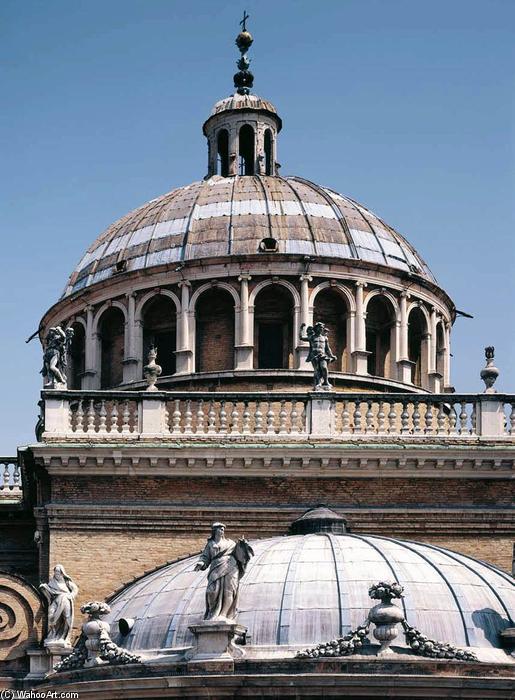
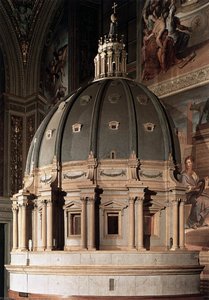
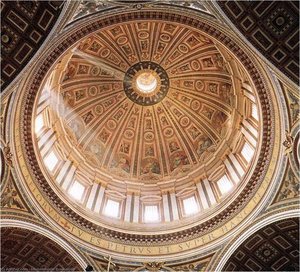
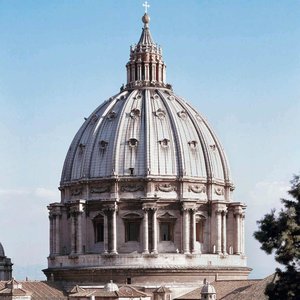
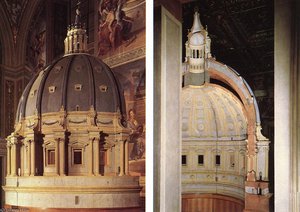
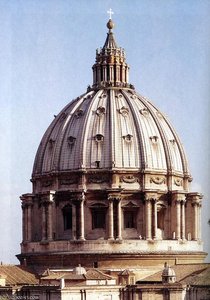
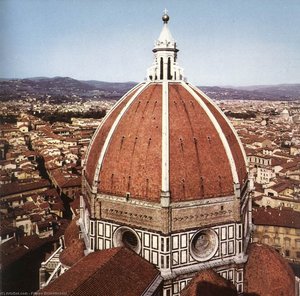
View of the dome


 Read More
Hand Made Oil Reproduction
Hand-painted oil on canvas in your size and frame, made to order by our artists. ( Buy Print Buy Image)




P118B $10

P118H $10

P118W $10

P438Z $10

P508JH $12

P508YH $12

P805H $10

P805Z $10

P919BZ $10

P919G $10

P919XJ $10

P959ZH $10

P968JZ $12

W106C $8

W218G $10

W218JH $8

W218Y $10

W307PJ $10

W316G $10

W316PJ $8

W316Y $10

W398PJ $8

W4111J $10

W500HY $15

W500JH $15

W692G $12

W849H $8

W940BG $15

W953PJ $8




Pick from our preset sizes that match the artwork's original proportions.

You may enter your own dimensions to fit a specific frame or space. If your selected size does not match the original image's proportions, we will either crop the artwork or extend the painting with additional hand-painted elements. A digital mockup will be sent for your approval before production begins.
Please note that the on-screen preview does not reflect the actual cropping or extension. Only the mockup will accurately show the final composition.
While custom sizes are available, we recommend selecting a dimension from the predefined list to preserve the original proportions.
After order, ArtsDot.com team will email client for instructions and provide a mockup preview
Worldwide Delivery () in 3/4 weeks instead of standard 5 weeks. (23 August). No compromise on quality.

Free Worldwide Express Shipping

High-Quality Linen Canvas

Full Shipping Insurance

Customs Tax Refund Guarantee

True Color Matching Guarantee

60-Day Return Policy (Defects Only)

100% Money-Back Guarantee

Bulk Discount Offer
 Glass option is only available in size under 110 CM

View of the dome
Reproduction Medium
Reproduction Size
-


Total Price
$ 263
Related Artworks
Artist Biography
Early Life and Formation in the Renaissance Heartland
Bernardino Zaccagni, born around 1460 in Rivalta di Lesignano near Parma, emerged during a period of profound artistic transformation in Italy. While details surrounding his early life remain somewhat elusive, it is known that his father, Francesco Zaccagni, was a builder or architect—a crucial foundation for Bernardino’s own burgeoning career. This familial connection to the craft instilled within him not only practical skills but also an intimate understanding of construction techniques and materials, setting the stage for his future endeavors in the rapidly evolving world of Renaissance architecture. Parma itself served as a fertile ground for artistic development, benefiting from the patronage of powerful families like the Sforza and experiencing a revival of civic building projects that would shape Zaccagni’s early experiences. The city's position at the crossroads of various influences—Lombard traditions blending with emerging Florentine ideals—created an environment ripe for innovation, and young Bernardino was poised to absorb these currents.A Flourishing Career in Parma: Churches and Fortifications
Zaccagni quickly established himself as a prominent figure within the Parman architectural landscape during the late 15th and early 16th centuries. His initial projects included contributions to significant religious structures such as San Benedetto (between 1498 and 1501) and Santa Maria del Carmine (1500-1502), where he collaborated with established masters like Pellegrino da Pontremoli, gaining invaluable experience and refining his skills. Beyond church construction, Zaccagni demonstrated versatility by participating in civic projects, notably contributing to the improvement of Parma’s fortifications in 1521 alongside other leading builders. This involvement highlights a practical aspect of Renaissance architects—their ability to address both aesthetic concerns and functional necessities. He also worked on smaller chapels like that of Pedrignano near Parma (1507-1509) and the hospital of Rodolfo Tanzi (1506–1511), showcasing his adaptability to diverse scales and requirements.The Architectural Vision: Centralized Plans and Domed Spaces
Zaccagni’s architectural vision was characterized by a preference for centralized plans, reflecting the growing Renaissance fascination with symmetry, harmony, and classical ideals. This approach is particularly evident in structures like the Oratory of the Immaculate Conception at San Francesco del Prato, where he designed a symmetrical building crowned with a dome—a motif that would become a hallmark of his style. His most significant achievement, however, lies in his work on the basilica of San Giovanni Evangelista. While collaborating with master mason Pietro Cavazzolo, Zaccagni was primarily responsible for the design of the vaults and the magnificent dome, which stands as a testament to his mastery of spatial organization and proportional elegance. This project exemplifies his ability to translate theoretical principles into tangible form, creating spaces that were both visually striking and structurally sound.Santa Maria della Steccata: Collaboration and Controversy
The church of Santa Maria della Steccata represents perhaps Zaccagni’s most ambitious undertaking—a collaborative effort with his son, Giovanni Francesco Zaccagni. This project, begun in 1523, aimed to create a new model for religious architecture, incorporating innovative features and reflecting the latest Renaissance trends. However, the construction process was not without its challenges. In 1525, Gianfrancesco Ferrari d’Agrate took over the work due to disputes with Zaccagni and his son, highlighting the complexities of patronage and artistic collaboration during this period. Despite these setbacks, Santa Maria della Steccata remains a significant example of Zaccagni's influence, showcasing his commitment to centralized plans and harmonious proportions. The church also demonstrates the family’s dedication to expanding the Benedictine monastery at San Giovanni, further solidifying their presence in Parman architecture.Legacy and Historical Significance
Bernardino Zaccagni’s career bridged the transition between late Gothic and High Renaissance styles, leaving a lasting imprint on Parma's ecclesiastical architecture. Although records of his minor projects are sparse, his influence extended through family collaborations—his son Benedetto continued the family’s engineering legacy in the region—and his innovative designs inspired subsequent generations of architects. Zaccagni’s mastery of spatial harmony and proportional elegance, particularly evident in his domed structures, contributed to the development of a distinct Parman architectural identity. He stands as a testament to the importance of familial workshops and the enduring power of Renaissance ideals in shaping the built environment. His work continues to be studied and admired for its technical skill, aesthetic beauty, and historical significance within the broader context of Italian art and architecture.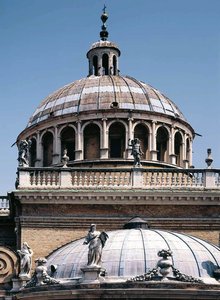
bernardino zaccagni
1455 - 1531 , Italy
Quick Facts
- Artistic Movement Or Style: Renaissance Art
- Date Of Birth: ca. 1460
- Full Name: Bernardino Zaccagni
- Nationality: Italian
- Notable Artworks:
- View of the Dome
- View of the dome and the apses
- Place Of Birth: Rivalta di Lesignano, Italy
Related Articles
Sacred Narratives Embodied: A Comprehensive Exploration of Religious Iconography in Art History
Explore the rich history of religious iconography in art! Discover symbolism, movements & masterpieces from Byzantine to Renaissance periods. Expert insights for collectors and enthusiasts at ArtsDot.
Civic Virtue and Artistic Rivalry: Patronage and Innovation in the Italian Renaissance Republics, 1400–1600
Explore the Italian Renaissance! Discover how competitive patronage & humanist ideals fueled artistic innovation in republics like Florence & Venice. Expert insights for art lovers and collectors.
Sacred Narratives on Canvas: Exploring Religious Scenes & Their Enduring Influence
Explore the rich history of religious art from Giotto to the Renaissance masters with ArtsDot. Discover symbolism, techniques & enduring legacies. Museum-quality reproductions available.
Sacred Narratives on Canvas: Exploring Religious Painting Through History
Explore the rich history of religious painting with ArtsDot.com! Discover iconic artworks, symbolism & techniques from antiquity to the Renaissance. Enhance your art appreciation today.
Mario Sironi: A Poetic of Modern Italian Identity Through Symbolism & Social Commentary
Explore the profound works of Mario Sironi, a key figure in Italian Modernism. Discover his evolution from Futurism to Metaphysical painting and his powerful social commentary. Learn about his legacy at ArtsDot.