 Send
Send Share
Share
 Details

 Download
 Similars
 Diaporama
Vaulting decoration


 Read More
Hand Made Oil Reproduction
Hand-painted oil on canvas in your size and frame, made to order by our artists. ( Buy Print Buy Image)




































Pick from our preset sizes that match the artwork's original proportions.

You may enter your own dimensions to fit a specific frame or space. If your selected size does not match the original image's proportions, we will either crop the artwork or extend the painting with additional hand-painted elements. A digital mockup will be sent for your approval before production begins.
Please note that the on-screen preview does not reflect the actual cropping or extension. Only the mockup will accurately show the final composition.
While custom sizes are available, we recommend selecting a dimension from the predefined list to preserve the original proportions.
After order, ArtsDot.com team will email client for instructions and provide a mockup preview
Worldwide Delivery () in 3/4 weeks instead of standard 5 weeks. (16 August). No compromise on quality.

Free Worldwide Express Shipping

High-Quality Linen Canvas

Full Shipping Insurance

Customs Tax Refund Guarantee

True Color Matching Guarantee

60-Day Return Policy (Defects Only)

100% Money-Back Guarantee

Bulk Discount Offer
 Glass option is only available in size under 110 CM

Vaulting decoration
Reproduction Medium
Reproduction Size
-


Total Price
$ 263
Artwork Description
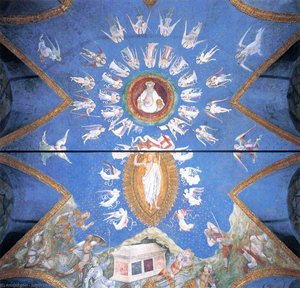
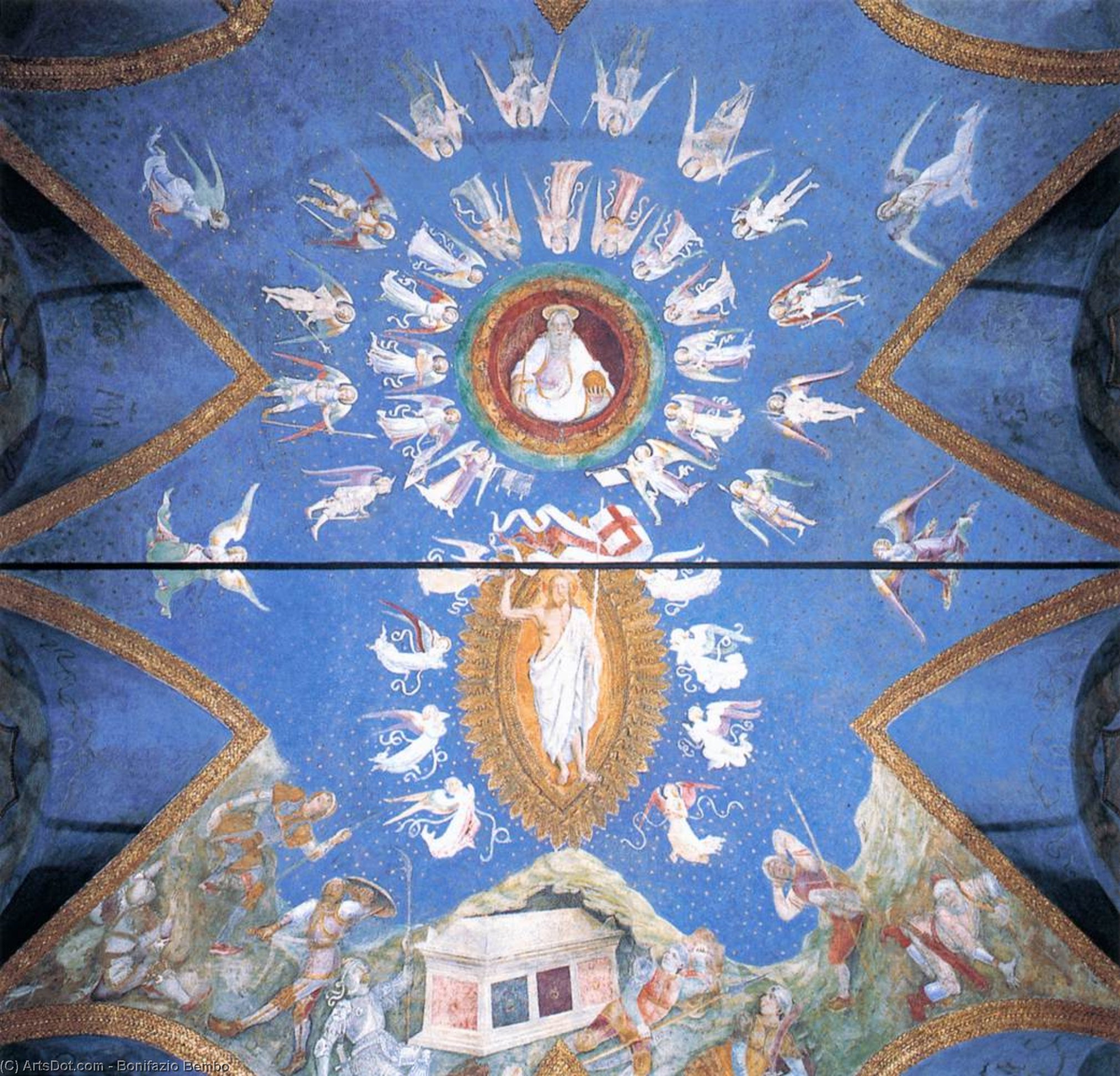
A Celestial Dance: Bonifazio Bembo's "Vaulting Decoration"
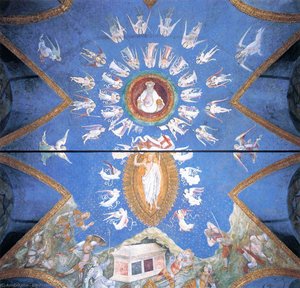
Within the echoing halls of Castello Sforzesco in Milan resides a breathtaking testament to the artistic fervor of the Italian Renaissance – Bonifazio Bembo’s “Vaulting Decoration.” Completed tragically near the end of his life in 1477, this fresco offers a profound glimpse into the aesthetic sensibilities of a generation captivated by both classical ideals and burgeoning humanism. Bembo, a young artist whose career was cut short at just 30, left behind a remarkably concentrated body of work that continues to intrigue art historians and collectors alike. The scene depicts a dynamic composition centered around an angel or saint, radiating with power and grace, surrounded by a swirling throng of celestial figures engaged in what appears to be a joyous celebration – a ‘vaulting’ of the heavens as the title suggests. The sheer density of detail, combined with Bembo's masterful use of color and light, creates an immersive experience that transports the viewer into this imagined realm.
- Technique & Style: Bembo employed the traditional fresco technique – applying pigments directly onto wet plaster – a method demanding immense skill and precision. The resulting surface possesses a remarkable depth and luminosity, enhanced by his skillful manipulation of *sfumato*, creating subtle gradations in tone that soften outlines and contribute to the overall ethereal quality. The influence of Flemish Primitives and Early Florentine Mannerism is evident in the composition’s dynamism and the expressive gestures of the figures, particularly the central angel.
- Color Palette & Gold Detailing: The fresco's palette is dominated by rich blues – a hallmark of Milanese painting at the time – contrasted with vibrant reds, yellows, and whites. The strategic use of gold detailing, particularly around architectural elements and the figures’ attire, elevates the scene to a realm of divine splendor, reflecting the immense wealth and power associated with the Sforza family who commissioned the work.
Symbolism & Narrative
Beyond its purely aesthetic qualities, “Vaulting Decoration” is laden with symbolic meaning. The central figure, likely an allegorical representation of divine grace or a saintly protector, embodies themes of faith, hope, and redemption. The surrounding figures – angels, cherubs, and possibly mythological beings – participate in a complex narrative that may have been rooted in religious iconography or the patronage’s own family history. The presence of musical instruments, such as lutes and flutes, suggests a scene of divine music or celebration, further emphasizing the work's spiritual significance. While the precise interpretation of these symbols remains open to scholarly debate, they undoubtedly served to reinforce the viewer’s understanding of the fresco’s message.
Historical Context & Artistic Legacy
Created during the height of the Milanese Renaissance, “Vaulting Decoration” reflects the city's position as a major cultural and artistic center. Bonifazio Bembo was part of a vibrant artistic community that drew inspiration from both classical antiquity and contemporary trends. His work stands as a testament to the innovative spirit of the era, showcasing his ability to synthesize diverse influences into a cohesive and compelling visual narrative. Sadly, Bembo’s premature death cut short what promised to be an even more prolific career, but his legacy endures through works like this – a poignant reminder of a brilliant talent lost too soon.
Emotional Impact & Reproduction
“Vaulting Decoration” evokes a profound sense of awe and wonder. The sheer scale of the fresco, combined with Bembo’s masterful execution, creates an immersive experience that transports the viewer into this imagined realm of divine beauty. A hand-painted reproduction captures not only the visual details but also the emotional resonance of the original artwork, allowing you to bring a piece of Renaissance splendor into your own space. ArtsDot offers meticulously crafted reproductions that faithfully recreate Bembo’s vision, ensuring that this timeless masterpiece continues to inspire and captivate for generations to come.
Related Artworks


Artist Biography
The Brief, Luminous Life of Bonifazio Bembo
In the grand tapestry of the Italian Renaissance, some threads shine with a brilliance so intense that they leave an indelible mark, even if they are tragically short. Bonifazio Bembo (1447–1477) was such a thread. Born in the artistic cradle of Brescia, Lombardy, Bembo’s life was a fleeting meteor across the cultural sky of Milanese Italy. Though he passed away at the tender age of thirty, his presence remains etched into the very walls of history through works that capture the transition from medieval tradition to the burgeoning humanism of the late fifteenth century. His career, though concentrated in a mere few decades, serves as a vital window into the aesthetic soul of the Sforza era.
The foundations of Bembo’s mastery were laid in his early apprenticeship under Giovanni Battista Ticcioli. This formative period was crucial, as it immersed him in the demanding world of fresco painting and decorative sculpture. From Ticcioli, Bembo inherited a profound command over large-scale compositions and the technical rigors required to marry pigment with damp plaster. However, his vision was far from provincial. As his talent matured, he began to weave together disparate stylistic currents, creating a unique visual language that bridged the gap between Northern European realism and the burgeoning elegance of the Italian peninsula.
A Synthesis of North and South
What distinguishes Bembo’s oeuvre is the sophisticated dialogue he maintained between different artistic traditions. He was deeply moved by the Flemish Primitives, particularly the meticulous naturalism of masters like Jan van Eyck and Rogier van der Weyden. This influence is evident in his devotion to minute detail and his ability to use light to create a sense of luminous depth, making textures appear almost tactile to the viewer. Yet, simultaneously, Bembo was absorbing the stylistic shifts of Early Florentine Mannerism. He embraced the grace of elongated figures and the rhythmic, stylized drapery that would later define the works of Botticelli and Da Vinci, lending his portraits and frescoes a sense of poetic movement.
This duality allowed him to create works that were both grounded in physical reality and elevated by spiritual symbolism. In his celebrated Vaulting Decoration within the Castello Sforzesco in Milan, one can witness this breathtaking synthesis. The fresco is a celestial dance of angelic figures and vibrant pigments, where the heavy weight of Renaissance architecture meets the ethereal lightness of divine presence. It is here that Bembo’s ability to transform stone and plaster into a window to the heavens truly shines.
Legacy Amidst the Sforza Splendor
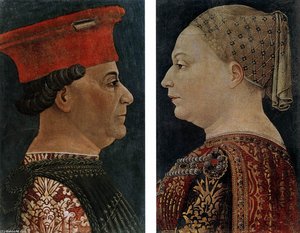
The zenith of Bembo’s career was inextricably linked to the patronage of Ludovico Sforza, the Duke of Milan. Under the protection of one of Italy's most ambitious cultural architects, Bembo found the resources to execute works of immense scale and prestige. His involvement in the creation of the Bembo Tarot Cards and his various portraits of the Sforza family solidified his status as a premier court artist. These works were not merely decorations; they were instruments of political and social prestige, designed to project the power, intellect, and refined taste of the Milanese court.
Though his life ended prematurely, leaving many projects unfinished and much of his biography lost to time, the historical significance of Bonifazio Bembo cannot be overstated. He stands as a crucial link in the evolution of Renaissance art, representing a moment when the meticulous observation of the North met the idealized grace of the South. To study Bembo is to encounter a master who, in a short lifetime, captured the very essence of an era defined by discovery, beauty, and the eternal pursuit of perfection.
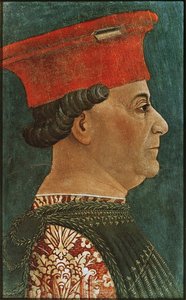
bonifazio bembo
1447 - 1477 , Italy
Quick Facts
- Artistic Movement Or Style: Renaissance Painting
- Artists Or Movements Influenced By This Artist: ['Early Renaissance']
- Artists Who Influenced This Artist:
- Andrea Mantegna
- Giovanni Battista Ticci
- Date Of Birth: 1447 Brescia, Italy
- Date Of Death: 1477
- Full Name: Bonifazio Bembo
- Nationality: Italian
- Notable Artworks:
- Sforza Portraits
- Milanese Artistry
- Place Of Birth: Brescia Italy
Related Articles

The Fresco as Family Legacy: Preserving Heritage Through Wall Art
Explore the rich history & enduring legacy of fresco painting. Discover how to preserve family heritage through stunning wall art. Expert insights & restoration guidance.

Celestial Messengers: Angels in Painting – A Historical & Artistic Exploration
Explore the captivating history of angels in painting! Discover symbolism, iconic Renaissance & Byzantine masterpieces, and renowned artists. Expert insights for art lovers & collectors at ArtsDot.

The Enduring Legacy of Fresco Painting: Techniques, History & Contemporary Relevance
Explore the rich history & enduring artistry of fresco painting – from Giotto to Michelangelo! Discover techniques, conservation efforts, & modern applications. Learn how ArtsDot brings this timeless art form to your home.

The Enduring Legacy of Fresco: Technique, History & Artistic Expression Across Cultures
Explore the rich history & enduring legacy of fresco painting! Discover ancient techniques, Giotto's masterpieces, and modern applications. Expert insights for art lovers & professionals.

Art That Lives With You: The Emotional Power of a Custom Interior Fresco
Discover the emotional power & timeless beauty of custom interior frescoes. Explore history, design tips & expert guidance from – creating lasting legacies.