 Preview
 Send
Send Share
Share
 Details

 Download
 Similars
 X-Ray
X-Ray Diaporama
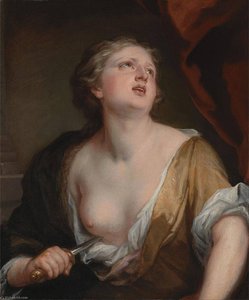
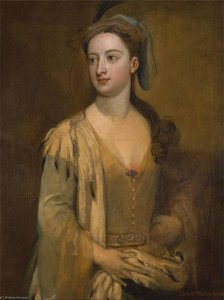
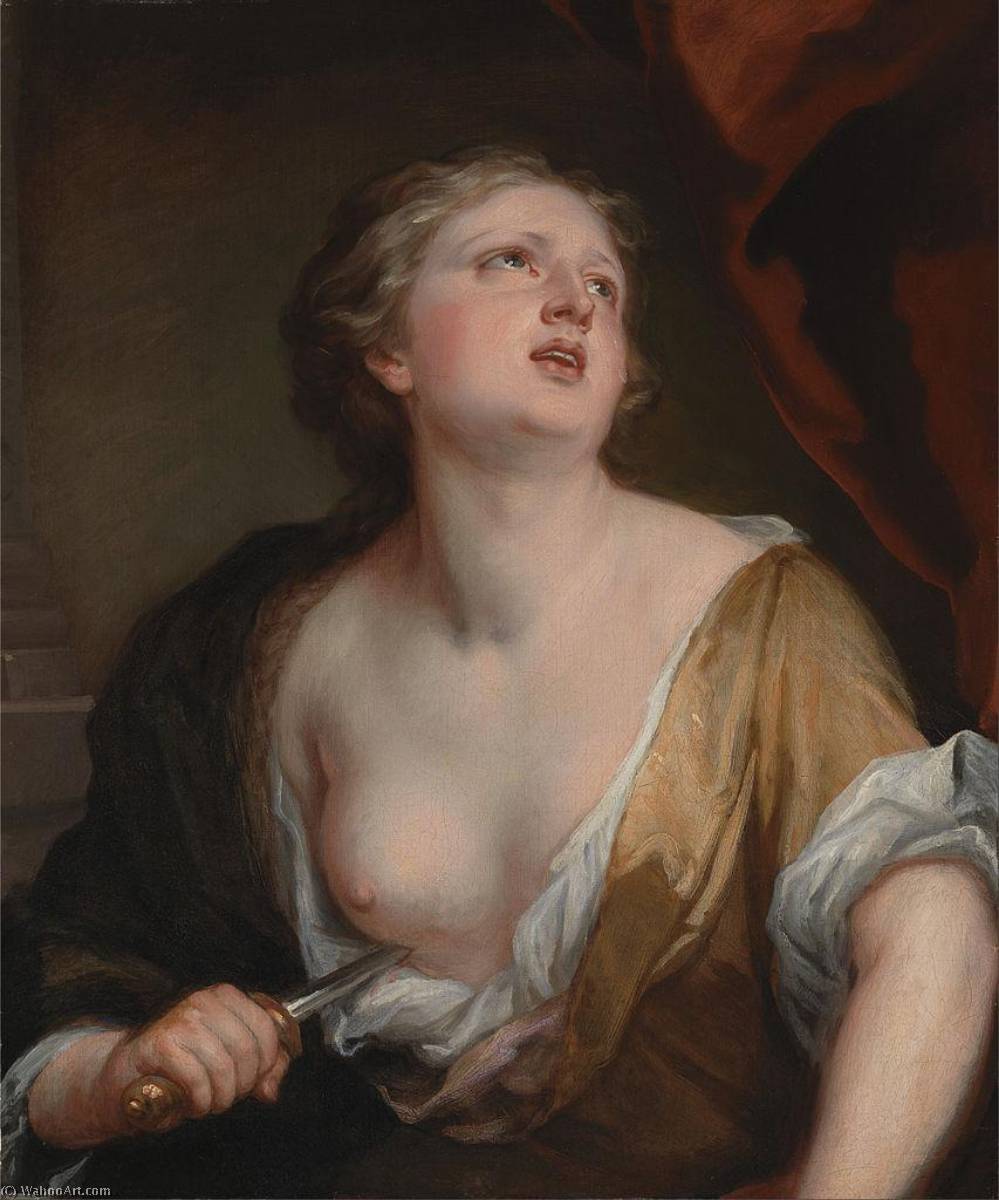
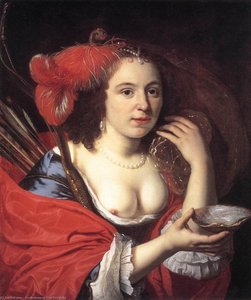
Lucretia


 Read More
Hand Made Oil Reproduction
Hand-painted oil on canvas in your size and frame, made to order by our artists. ( Buy Print Buy Image)




P118B $10

P118H $10

P118W $10

P438Z $10

P508JH $12

P508YH $12

P805H $10

P805Z $10

P919BZ $10

P919G $10

P919XJ $10

P959ZH $10

P968JZ $12

W106C $8

W218G $10

W218JH $8

W218Y $10

W307PJ $10

W316G $10

W316PJ $8

W316Y $10

W398PJ $8

W4111J $10

W500HY $15

W500JH $15

W692G $12

W849H $8

W940BG $15

W953PJ $8




Pick from our preset sizes that match the artwork's original proportions.

You may enter your own dimensions to fit a specific frame or space. If your selected size does not match the original image's proportions, we will either crop the artwork or extend the painting with additional hand-painted elements. A digital mockup will be sent for your approval before production begins.
Please note that the on-screen preview does not reflect the actual cropping or extension. Only the mockup will accurately show the final composition.
While custom sizes are available, we recommend selecting a dimension from the predefined list to preserve the original proportions.
After order, ArtsDot.com team will email client for instructions and provide a mockup preview
Worldwide Delivery () in 3/4 weeks instead of standard 5 weeks. (17 August). No compromise on quality.

Free Worldwide Express Shipping

High-Quality Linen Canvas

Full Shipping Insurance

Customs Tax Refund Guarantee

True Color Matching Guarantee

60-Day Return Policy (Defects Only)

100% Money-Back Guarantee

Bulk Discount Offer
 Glass option is only available in size under 110 CM

Lucretia
Reproduction Medium
Reproduction Size
-


Total Price
$ 263
Artwork Description
Lucretia: A Baroque Portrait of Virtue and Sacrifice
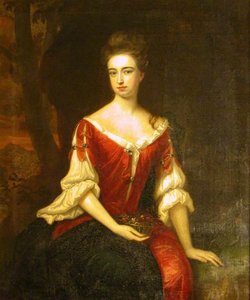
Sir Godfrey Kneller’s “Lucretia” stands as an emblem of the English Baroque era—a testament to meticulous craftsmanship, aristocratic patronage, and a profound engagement with humanist ideals. Painted in 1675, this portrait depicts Lucretia Tullius Cornelia, a Roman noblewoman renowned for her unwavering moral integrity and selfless devotion to her family. Kneller’s masterful technique captures not merely likeness but also the very essence of Cornelia's character—a feat achieved through his signature “Kit-Cat” style, characterized by shimmering gold leaf accents adorning the canvas’s gilded frame and subtly enhancing the luminosity of the painted surface.The Kit-Cat Style: A Celebration of Luxury and Detail
Kneller perfected a distinctive approach dubbed "Kit-Cat," named after the fashionable cat figurines favored by wealthy Londoners during Charles II's reign. This style prioritized opulent embellishments—gold leaf, satin drapery, and elaborate borders—creating an immersive visual experience that mirrored the grandeur of aristocratic interiors. Kneller’s meticulous attention to detail extended beyond mere surface decoration; he painstakingly rendered textures and nuances of light and shadow, conveying a palpable sense of realism despite the stylized aesthetic. The subtle use of gold leaf wasn't merely decorative but served as a symbol of nobility and prestige—a deliberate choice reflecting the values upheld by Kneller’s aristocratic clientele.Symbolism and Narrative Depth
The composition itself is laden with symbolic significance. Lucretia, dressed in sumptuous robes and adorned with jewelry—including a prominent gold necklace—represents virtue and chastity. Her gaze directs towards the viewer, inviting contemplation and conveying an aura of dignified composure. The swords flanking her symbolize Roman law and justice, underscoring Cornelia’s unwavering commitment to moral principles. Kneller skillfully portrays Lucretia's inner turmoil—the aftermath of a horrific act of violence—without resorting to melodrama. Instead, he captures the subtle expression of shock and sorrow on her face, conveying the profound emotional impact of the narrative depicted.Historical Context: Patronage and Artistic Identity
“Lucretia” exemplifies the flourishing artistic landscape of Restoration England, fueled by royal commissions and driven by a renewed interest in classical ideals. Kneller’s work served as a conduit for disseminating humanist values—honesty, integrity, and moral fortitude—amongst the elite circles of London society. The portrait reflects the broader cultural preoccupation with portraying noblewomen as paragons of virtue—a trend that solidified Kneller's reputation as the foremost portraitist of his time. His dedication to capturing psychological nuance elevated portraiture beyond mere likeness, transforming it into a vehicle for conveying profound emotional and intellectual truths.Legacy and Enduring Appeal
Today, “Lucretia” continues to captivate audiences with its exquisite beauty and compelling narrative. Reproductions crafted by skilled artisans like Handmadepiece offer collectors the opportunity to experience Kneller’s artistic genius firsthand—preserving a masterpiece of Baroque art for generations to come. Its enduring appeal lies in its ability to transcend time, reminding us of the timeless values of courage, compassion, and unwavering moral conviction.Related Artworks
Artist Biography
Sir Godfrey Kneller: The Master of Manner
Godfrey Kneller (1646-1723) stands as a monumental figure in English Baroque art, recognized primarily for his unparalleled skill in capturing the likenesses of prominent individuals – particularly what became known as “Kit-Cat portraits.” These exquisitely detailed depictions of cats adorning aristocratic interiors exemplify his meticulous technique and profound understanding of visual culture. Born Gottfried Kniller in Lübeck, Germany, he emigrated to England around 1675, establishing himself as a prolific portraitist and securing prestigious commissions from royalty and nobility throughout the reign of Charles II and George I. His legacy extends beyond mere artistic achievement; he played a crucial role in shaping the visual landscape of Georgian Britain and fostering an enduring fascination with royal patronage.- Early Life & Training: Kneller’s formative years were spent studying under Johann Zacharias Kneller, his brother, who instilled in him a rigorous approach to drawing and painting—a cornerstone of his artistic philosophy. This disciplined training honed his observational skills and prepared him for the demands of producing portraits that conveyed not only physical appearance but also psychological character.
- The Kit-Cat Portrait Phenomenon: Kneller’s fame skyrocketed thanks to his innovative “Kit-Cat portraits.” These canvases featured cats meticulously rendered alongside their aristocratic owners, reflecting a burgeoning trend in decorative arts and signaling a shift towards portraying subjects within their domestic environments. The symbolism embedded in these portraits—representing wealth, status, and intellectual pursuits—demonstrates Kneller's astute awareness of contemporary social conventions.
- Royal Patronage & Artistic Development: Kneller’s career flourished under the patronage of Charles II and George I, securing commissions that allowed him to refine his style and explore ambitious projects. He became court painter to both monarchs, producing portraits of kings, queens, princes, and diplomats—works that solidified his reputation as one of England's foremost artists. His meticulous attention to detail and masterful use of chiaroscuro (the dramatic interplay of light and shadow) exemplify the grandeur of the Grand Manner style prevalent during his era.
- Notable Works & Legacy: Among Kneller’s most celebrated achievements are portraits of Charles II, Henry Purcell, Christopher Wren, Isaac Newton, and Benjamin Franklin—each capturing subjects with remarkable accuracy and conveying their personalities with sensitivity. His influence extended beyond portraiture; he served as director of the Royal Military School of Music in Twickenham for decades, fostering artistic talent and contributing to the cultural vibrancy of Georgian London.
- A Lasting Impression: Kneller’s meticulous technique and stylistic innovations continue to inspire artists today. He remains a symbol of artistic excellence and exemplifies the enduring power of portraiture as a medium for documenting history and capturing the essence of human character. His work resides in major museums worldwide, ensuring that his contribution to English Baroque art will be remembered for generations to come.
Influences & Artistic Style
Kneller’s artistic vision was profoundly shaped by the traditions of Flemish and Italian Baroque painting—particularly Rembrandt van Rijn and Caravaggio—whose dramatic use of light and shadow established a precedent for portraying emotion and psychological complexity. He embraced the Grand Manner style, characterized by monumental scale, idealized figures, and carefully orchestrated compositions designed to convey dignity and authority. This stylistic approach reflected the aspirations of the English monarchy during his time and cemented Kneller’s position as a champion of artistic innovation.The Kneller Hall & Its Significance
The house Kneller built in Whitton, near Twickenham, became occupied by Kneller Hall in the mid-19th century—a testament to his enduring influence on British society and culture. This stately mansion served as a home for the Royal Military School of Music, symbolizing Kneller’s commitment to artistic education and fostering a tradition of musical excellence. The hall itself stands as an architectural landmark, reflecting the grandeur of Georgian Britain and embodying the values championed by Kneller—discipline, refinement, and intellectual curiosity.Further Exploration
For deeper insights into Godfrey Kneller’s life and work, consult resources such as: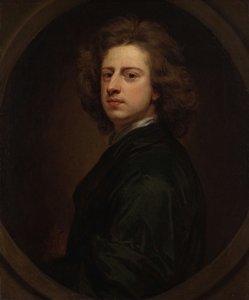
bt sir godfrey kneller
1646 - 1723 , Italy
Quick Facts
- Artistic Movement Or Style: Baroque
- Artists Or Movements Influenced By This Artist: English Portraiture
- Artists Who Influenced This Artist: Johann Zacharias Kneller
- Date Of Birth: August 8, 1646
- Date Of Death: October 19, 1723
- Full Name: Godfrey Kneller
- Nationality: Italian
- Notable Artworks:
- Portrait of Charles II
- Portrait of Henry Grey
- Place Of Birth: Lübeck, Italy
Related Articles
Sir Joshua Reynolds' Masterpieces: 25 Portraits of Power & Refinement | ArtsDot
Explore 25 captivating portraits by Sir Joshua Reynolds, a master of British art. Discover stories behind his iconic paintings, elegant style & historical influence. Find museum-quality reproductions and elevate your home decor on ArtsDot.com.
Sir Godfrey Kneller: Portraiture, Power & Artistic Identity in Restoration England
Explore the life & work of Sir Godfrey Kneller, leading portraitist of Restoration England. Discover his Baroque style, influence on aristocratic society, and lasting legacy in English art history. Learn about Kit-Cat portraits & more!

Sir Alfred Munnings' Masterpieces: 25 Paintings That Define Equine Art | ArtsDot
Explore 25 iconic Sir Alfred Munnings paintings! Discover the beauty of British Impressionism, equine art & rural England. Find museum-quality reproductions and elevate your home decor with ArtsDot. Explore the full collection online.

Baroque Drama: Bringing Opulence & Emotion into Contemporary Interiors
Explore the opulent world of Baroque interior design! Discover key elements, modern applications & how to bring dramatic elegance into your home with 's authentic reproductions.

Baroque Masterpieces: 10 Paintings That Defined an Era |
Journey through the drama & grandeur of Baroque art! Explore 10 masterpieces by Caravaggio, Rembrandt, Rubens & more. Discover stunning oil paintings, rich colors & timeless stories. Find museum-quality reproductions at .