 Preview
 Send
Send Share
Share
 Details

 Download
 Similars
 X-Ray
X-Ray Diaporama
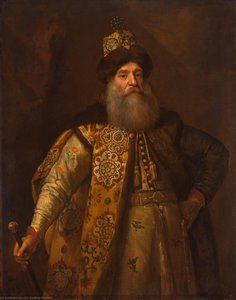
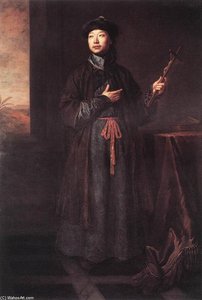
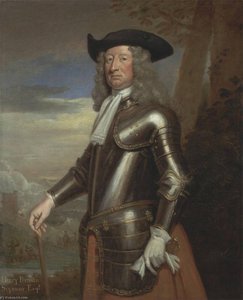
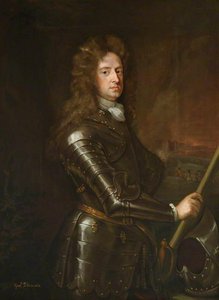
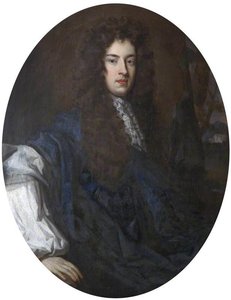
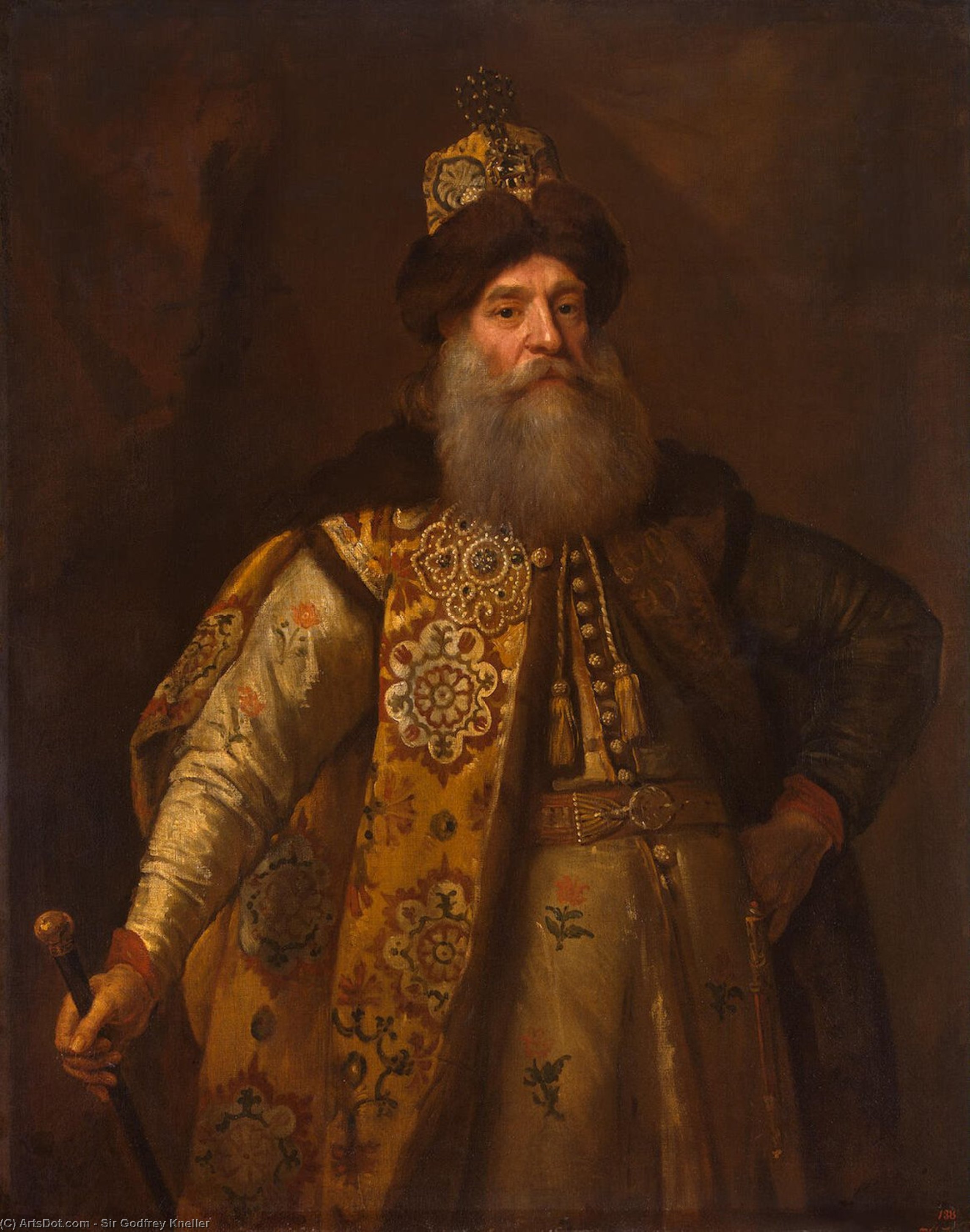
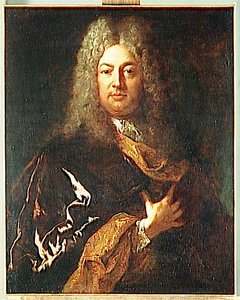
Portrait of Pyotr Potyomkin
 Oil On Canvas
- WallArt
- Baroque Portraiture
 1682
1682 135.0 x 104.0 cm
 Hermitage Museum
 Read More
Hand Made Oil Reproduction
Hand-painted oil on canvas in your size and frame, made to order by our artists. ( Buy Print Buy Image)




P118B $10

P118H $10

P118W $10

P438Z $10

P508JH $12

P508YH $12

P805H $10

P805Z $10

P919BZ $10

P919G $10

P919XJ $10

P959ZH $10

P968JZ $12

W106C $8

W218G $10

W218JH $8

W218Y $10

W307PJ $10

W316G $10

W316PJ $8

W316Y $10

W398PJ $8

W4111J $10

W500HY $15

W500JH $15

W692G $12

W849H $8

W940BG $15

W953PJ $8




Pick from our preset sizes that match the artwork's original proportions.

You may enter your own dimensions to fit a specific frame or space. If your selected size does not match the original image's proportions, we will either crop the artwork or extend the painting with additional hand-painted elements. A digital mockup will be sent for your approval before production begins.
Please note that the on-screen preview does not reflect the actual cropping or extension. Only the mockup will accurately show the final composition.
While custom sizes are available, we recommend selecting a dimension from the predefined list to preserve the original proportions.
After order, ArtsDot.com team will email client for instructions and provide a mockup preview
Worldwide Delivery () in 3/4 weeks instead of standard 5 weeks. (16 August). No compromise on quality.

Free Worldwide Express Shipping

High-Quality Linen Canvas

Full Shipping Insurance

Customs Tax Refund Guarantee

True Color Matching Guarantee

60-Day Return Policy (Defects Only)

100% Money-Back Guarantee

Bulk Discount Offer
 Glass option is only available in size under 110 CM

Portrait of Pyotr Potyomkin
Reproduction Medium
Reproduction Size
-


Total Price
$ 263
Artwork Description
Portrait of Pyotr Potyomkin – A Window into Georgian Power
Sir Godfrey Kneller’s “Portrait of Pyotr Potyomkin” (1682) is more than just a likeness; it's a meticulously crafted tableau of power, ambition, and the carefully constructed image of a formidable Russian statesman. Painted during the reign of Charles II in England, this remarkable work offers a rare glimpse into the intricate world of European diplomacy and the burgeoning influence of Russia on the continent. The portrait depicts Potyomkin, a high-ranking military leader and diplomat, standing before a subtly patterned wall – an element that speaks volumes about the era’s fascination with both grandeur and controlled restraint.
Kneller, already establishing himself as the foremost court painter of his time, expertly employs the “kit-cat” style, characterized by its rapid execution and focus on capturing the essential character of the subject. Note the deliberate simplification of features – the strong jawline, the piercing gaze, the carefully arranged beard – all hallmarks of this technique designed to produce portraits quickly and efficiently for a demanding clientele. Yet, within this seemingly streamlined approach, Kneller demonstrates remarkable skill in conveying Potyomkin’s authority and presence. The lighting is masterful, highlighting the subject's face and creating a sense of depth and solidity.
The Man Behind the Portrait: Pyotr Potyomkin
Pyotr Ivanovich Potyomkin (1617-1700) was a pivotal figure in Russian history. Rising through the ranks during the turbulent years following the Time of Troubles, he served as a key military commander and diplomat, playing a crucial role in securing Russia’s borders and expanding its influence. His career spanned decades, witnessing significant political shifts and shaping the trajectory of the Russian Empire. Potyomkin's life was one of constant service to the Tsar, marked by both battlefield victories and intricate diplomatic maneuvers. He was known for his strategic brilliance, his unwavering loyalty, and a certain… theatricality in his approach to international relations – a quality that undoubtedly fascinated Kneller.
The portrait itself reflects this complex personality. Potyomkin’s posture is upright and confident, suggesting both military prowess and diplomatic skill. The rich fabrics of his robe—a deep yellow adorned with intricate gold detailing—underscore his status and wealth, while the subtle ornamentation hints at the importance of his position within the Russian court. The background wall, though seemingly simple, serves as a visual anchor, grounding the portrait in its historical context and subtly reinforcing Potyomkin’s authority.
A Window into Georgian Society
“Portrait of Pyotr Potyomkin” is not merely a representation of an individual; it's a microcosm of Georgian society. The kit-cat style, popularized by Kneller, was the dominant mode of portraiture during this period, reflecting the era’s emphasis on speed, efficiency, and the dissemination of images. The inclusion of Potyomkin within this artistic trend highlights his importance as a key figure in the diplomatic landscape of Europe. Furthermore, the portrait speaks to the prevailing fascination with portraits as tools for establishing social status and projecting an image of power – a desire that resonated deeply within the aristocratic circles of England.
The painting’s creation coincided with a period of intense cultural exchange between Russia and England. Potyomkin's diplomatic missions to Europe, particularly Spain and France, fostered closer ties between the two nations. Kneller’s portrait, therefore, serves as a tangible reminder of this burgeoning relationship and the role played by individuals like Potyomkin in shaping its course.
Symbolism and Emotional Impact
Beyond its technical brilliance, “Portrait of Pyotr Potyomkin” is imbued with symbolic meaning. The subject’s direct gaze invites the viewer into his world, creating a sense of intimacy despite the formality of the portrait. The carefully chosen colors – the rich yellows and golds – evoke feelings of power, wealth, and prestige. Even the subtle details, such as the pattern on the wall, contribute to the overall impression of authority and control.
Ultimately, this painting offers a compelling glimpse into the life and times of a remarkable man—a testament to Kneller’s artistic skill and a valuable window into the complex dynamics of Georgian diplomacy. It's a piece that continues to resonate with viewers today, inviting us to contemplate the enduring power of portraiture as both an art form and a historical document.
Related Artworks

Artist Biography
Sir Godfrey Kneller: The Master of Manner
Godfrey Kneller (1646-1723) stands as a monumental figure in English Baroque art, recognized primarily for his unparalleled skill in capturing the likenesses of prominent individuals – particularly what became known as “Kit-Cat portraits.” These exquisitely detailed depictions of cats adorning aristocratic interiors exemplify his meticulous technique and profound understanding of visual culture. Born Gottfried Kniller in Lübeck, Germany, he emigrated to England around 1675, establishing himself as a prolific portraitist and securing prestigious commissions from royalty and nobility throughout the reign of Charles II and George I. His legacy extends beyond mere artistic achievement; he played a crucial role in shaping the visual landscape of Georgian Britain and fostering an enduring fascination with royal patronage.- Early Life & Training: Kneller’s formative years were spent studying under Johann Zacharias Kneller, his brother, who instilled in him a rigorous approach to drawing and painting—a cornerstone of his artistic philosophy. This disciplined training honed his observational skills and prepared him for the demands of producing portraits that conveyed not only physical appearance but also psychological character.
- The Kit-Cat Portrait Phenomenon: Kneller’s fame skyrocketed thanks to his innovative “Kit-Cat portraits.” These canvases featured cats meticulously rendered alongside their aristocratic owners, reflecting a burgeoning trend in decorative arts and signaling a shift towards portraying subjects within their domestic environments. The symbolism embedded in these portraits—representing wealth, status, and intellectual pursuits—demonstrates Kneller's astute awareness of contemporary social conventions.
- Royal Patronage & Artistic Development: Kneller’s career flourished under the patronage of Charles II and George I, securing commissions that allowed him to refine his style and explore ambitious projects. He became court painter to both monarchs, producing portraits of kings, queens, princes, and diplomats—works that solidified his reputation as one of England's foremost artists. His meticulous attention to detail and masterful use of chiaroscuro (the dramatic interplay of light and shadow) exemplify the grandeur of the Grand Manner style prevalent during his era.
- Notable Works & Legacy: Among Kneller’s most celebrated achievements are portraits of Charles II, Henry Purcell, Christopher Wren, Isaac Newton, and Benjamin Franklin—each capturing subjects with remarkable accuracy and conveying their personalities with sensitivity. His influence extended beyond portraiture; he served as director of the Royal Military School of Music in Twickenham for decades, fostering artistic talent and contributing to the cultural vibrancy of Georgian London.
- A Lasting Impression: Kneller’s meticulous technique and stylistic innovations continue to inspire artists today. He remains a symbol of artistic excellence and exemplifies the enduring power of portraiture as a medium for documenting history and capturing the essence of human character. His work resides in major museums worldwide, ensuring that his contribution to English Baroque art will be remembered for generations to come.
Influences & Artistic Style
Kneller’s artistic vision was profoundly shaped by the traditions of Flemish and Italian Baroque painting—particularly Rembrandt van Rijn and Caravaggio—whose dramatic use of light and shadow established a precedent for portraying emotion and psychological complexity. He embraced the Grand Manner style, characterized by monumental scale, idealized figures, and carefully orchestrated compositions designed to convey dignity and authority. This stylistic approach reflected the aspirations of the English monarchy during his time and cemented Kneller’s position as a champion of artistic innovation.The Kneller Hall & Its Significance
The house Kneller built in Whitton, near Twickenham, became occupied by Kneller Hall in the mid-19th century—a testament to his enduring influence on British society and culture. This stately mansion served as a home for the Royal Military School of Music, symbolizing Kneller’s commitment to artistic education and fostering a tradition of musical excellence. The hall itself stands as an architectural landmark, reflecting the grandeur of Georgian Britain and embodying the values championed by Kneller—discipline, refinement, and intellectual curiosity.Further Exploration
For deeper insights into Godfrey Kneller’s life and work, consult resources such as: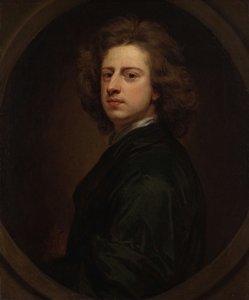
bt sir godfrey kneller
1646 - 1723 , Italy
Quick Facts
- Artistic Movement Or Style: Baroque
- Artists Or Movements Influenced By This Artist: English Portraiture
- Artists Who Influenced This Artist: Johann Zacharias Kneller
- Date Of Birth: August 8, 1646
- Date Of Death: October 19, 1723
- Full Name: Godfrey Kneller
- Nationality: Italian
- Notable Artworks:
- Portrait of Charles II
- Portrait of Henry Grey
- Place Of Birth: Lübeck, Italy
Related Articles
Ivan Bilibin: A Synthesis of Folklore, Modernism & National Identity in Russian Illustration
Explore the enchanting world of Ivan Bilibin, a master Russian illustrator who synthesized folklore, Art Nouveau & national identity. Discover his iconic fairy tale illustrations and legacy with ArtsDot.

Baroque Drama: Bringing Opulence & Emotion into Contemporary Interiors
Explore the opulent world of Baroque interior design! Discover key elements, modern applications & how to bring dramatic elegance into your home with 's authentic reproductions.

The Dramatic Flourish: Exploring the Baroque Movement's Enduring Legacy in Art History
Explore the dramatic world of Baroque art! Discover iconic artists like Caravaggio & Rubens, defining techniques, and its lasting impact on art history. Expert insights for collectors & enthusiasts at ArtsDot.

Baroque Masterpieces: 10 Paintings That Defined an Era |
Journey through the drama & grandeur of Baroque art! Explore 10 masterpieces by Caravaggio, Rembrandt, Rubens & more. Discover stunning oil paintings, rich colors & timeless stories. Find museum-quality reproductions at .
Victor Vasnetsov: Myth, Nationalism & the Revival of Russian Fairy Tale Painting
Explore the captivating world of Victor Vasnetsov, a co-founder of Russian folklorist painting. Discover his iconic works, influence on national identity, and lasting legacy in this expert guide.