

 Preview
 Send
Send Share
Share
 Details

 Download
 Similars
 X-Ray
X-Ray Diaporama
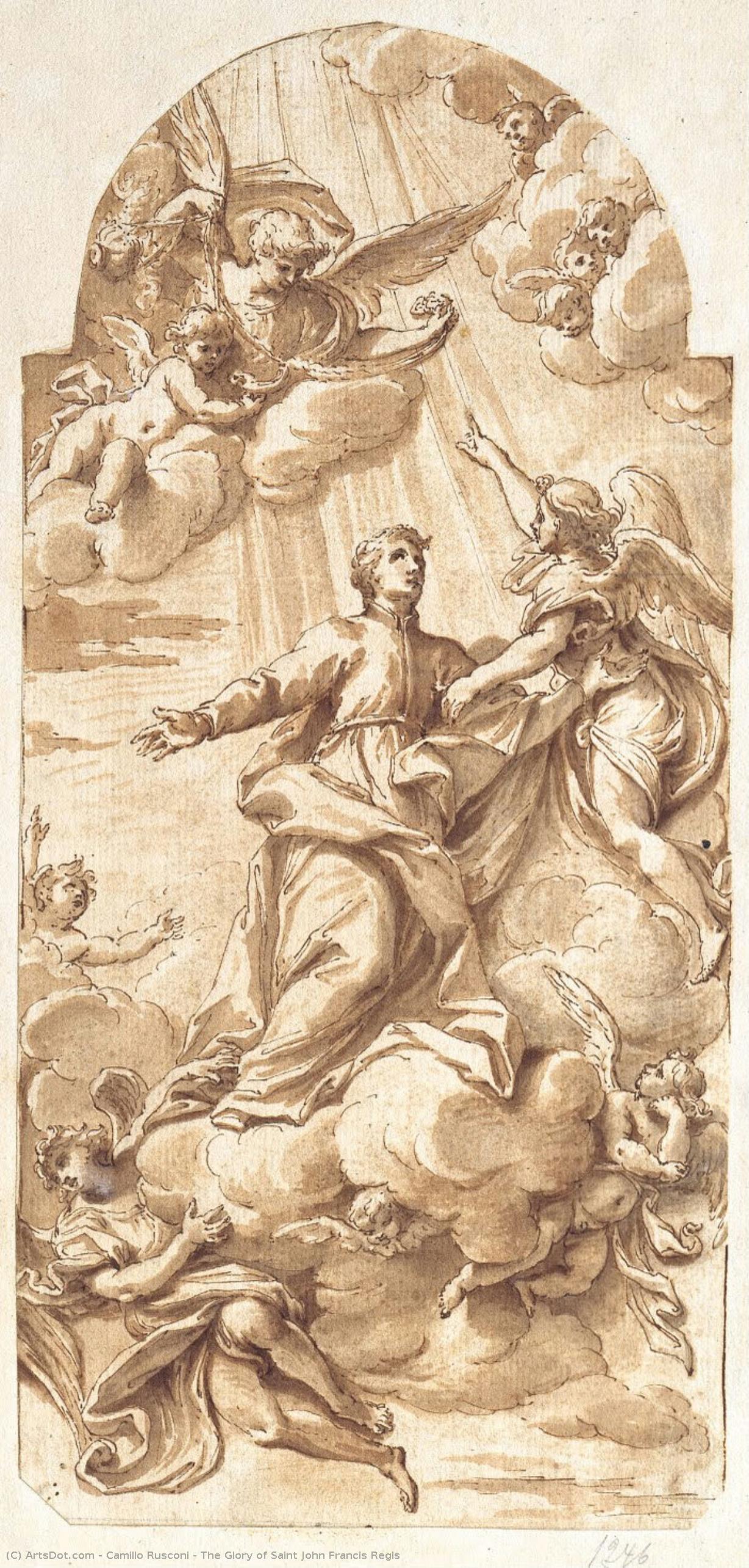
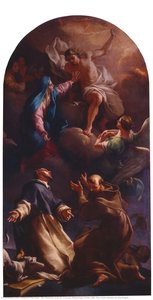
The Glory of Saint John Francis Regis
 Oil On Canvas
- WallArt
- Baroque
 1723
1723 140.0 x 295.0 cm
 Kunstpalast
 Read More
Purchase a high-resolution, enhanced digital image, far superior to the online preview.
Each file is meticulously prepared by our in-house specialists using advanced tools and expert manual retouching. We ensure every image has exceptional clarity, precise color accuracy, and fine detail.
The final file is delivered via email within 72 hours, optimized for immediate use in professional, editorial, and print environments. This is the same quality trusted by top-tier design studios, publishers, and galleries.
Digital Image
Download a high-resolution file for personal display, printing, and creative projects. ( Buy Print Buy Hand Made Painting)
Included in Every Digital Image Order
Expert Digital Delivery, Guaranteed
When you choose ArtsDot.com, you're not just getting an image - you're receiving a professionally enhanced digital artwork, crafted with precision and backed by a satisfaction guarantee. Here's everything that comes with your order, automatically:

Fast Email Delivery
Your high-resolution digital image file will be emailed to you within 72 hours of ordering - ready for immediate use.

AI-Enhanced Digital File
Your artwork is professionally optimized using advanced AI tools and manual editing, ensuring maximum detail, clarity, and color accuracy.

Free Lifetime Re-Delivery
Accidentally deleted or lost your file? No worries - we'll resend it to you anytime, free of charge.

No Import Fees - Ever
Enjoy your artwork instantly with zero customs, duties, or delivery fees - digital downloads are always tax-free.

Color Accuracy Guarantee
We ensure your digital image reflects the original colors as closely as possible using professional tools and color management.

60-Day Satisfaction Guarantee
If you're not satisfied with your digital image, we'll revise it or refund 100% within 60 days - no questions asked.

100% Money-Back Guarantee
Not satisfied? Get a full refund within 60 days of receiving your digital file - no questions asked.

Bulk Order Discounts
Buy 3 images, save 10% - Buy 5, save 15% - Buy 10+, save 20%. Great for creative projects, galleries, and agencies.
Collectible Description
A Celestial Vision: The Glory of Saint John Francis Regis
To stand before this depiction of The Glory of Saint John Francis Regis is to be enveloped by an atmosphere of divine transcendence. This magnificent work, dating from 1723, does not merely hang on a wall; it seems to radiate the very light and fervor of the spiritual realm it portrays. The central figure, Saint John Francis Regis, is captured in a moment of ecstatic revelation, his arms outstretched as if embracing the boundless grace descending upon him. It is a composition designed not just for viewing, but for experiencing—a visual hymn to faith.
The Baroque Echoes and Neoclassical Whisper
Painted by Camillo Rusconi, an artist whose career spanned the delicate transition between High Baroque dynamism and the emerging clarity of Neoclassicism, this piece is a masterful study in stylistic confluence. While the energy surrounding the Saint—the swirling drapery, the dramatic positioning of the angels—speaks eloquently of the late Baroque period's theatrical grandeur, there is an underlying sense of ordered majesty that hints at the restraint to come. Rusconi, whose life bridged such significant artistic epochs, imbues the scene with a palpable tension between overwhelming spiritual fervor and classical composure. The vintage quality inherent in the piece only deepens its connection to this pivotal moment in art history.
Symbolism Woven in Light and Form
The symbolism within The Glory of Saint John Francis Regis is rich and multilayered, inviting contemplation from every corner. The surrounding angels act as celestial attendants, their presence guiding the viewer's eye toward the central epiphany. Notice the placement of the cherubs—one tenderly positioned on the left, another on the right—acting almost as visual anchors that frame the saint’s divine connection. These elements, combined with the overall luminescence, suggest a narrative of spiritual ascent and heavenly favor. The outstretched arms are not merely gestures; they are conduits for grace, connecting the earthly devotion of the Saint to the infinite mystery above.
A Statement for the Connoisseur's Space
For the discerning collector or designer seeking an anchor piece that speaks volumes about history and spirituality, this reproduction offers unparalleled depth. The scale, measuring 140 x 295 cm, ensures that it commands attention while maintaining a sense of sublime harmony. Owning a representation of this work is to curate not just décor, but a narrative—a dialogue between the earthly sanctuary of your home and the eternal glory depicted on canvas. It promises an emotional resonance, transforming any room into a space imbued with profound, uplifting energy.
Related Artworks

Artist Biography
A Bridge Between Eras: The Life and Art of Camillo Rusconi
Camillo Rusconi, born in Milan in 1658 and passing away in Rome in 1728, occupies a fascinating position within the history of Italian sculpture. He wasn’t merely a practitioner of the late Baroque; he was an artist who subtly, yet decisively, nudged the style toward the emerging sensibilities of Neoclassicism. His career unfolded during a period of artistic transition, and his work reflects this beautifully—a compelling blend of dynamic energy tempered by a growing emphasis on clarity and restraint. Rusconi’s journey began with formative training in Milan under Giuseppe Rusnati, who himself had strong ties to the workshop of Ercole Ferrata in Rome. This early exposure proved crucial, laying the groundwork for his eventual success and stylistic development within the heart of Roman artistic life.From Milan to Rome: Forging a Sculptural Path
In 1685 or 1686, Rusconi made the pivotal move to Rome, entering the studio of Ercole Ferrata. Fate intervened swiftly; Ferrata’s untimely death shortly after Rusconi's arrival meant the young sculptor had to quickly establish himself independently. He did so with remarkable speed and talent. Early commissions arrived steadily, including a significant project for the Ludovisi Chapel in Sant'Ignazio—four plaster allegorical statues representing Prudence, Justice, Temperance, and Strength. These works already hinted at Rusconi’s emerging style: powerful figures imbued with Baroque drama, yet possessing an underlying sense of order and composure. He also collaborated with Pierre Le Gros on the sculpting of angels for the tympanum of the altar of Saint Ignatius in the Church of the Gesù, further solidifying his reputation within Roman artistic circles. These early successes weren’t simply about securing patronage; they were about honing his skills and defining a unique voice amidst the established masters.Influences and Artistic Development
Rusconi's style wasn’t born in isolation. He absorbed the lessons of those who came before him, acknowledging the giants upon whose shoulders he stood. The influence of Alessandro Algardi and Gian Lorenzo Bernini is palpable—he adopted elements of their expressive forms and grand manner, understanding the power of dramatic gesture and emotional intensity. However, it was his relationship with the painter Carlo Maratta that proved most transformative. Maratta’s emphasis on ordered composition, clear presentation of figures, and a refined aesthetic resonated deeply with Rusconi. He sought to translate Maratta's principles into sculptural form, striving for a balance between Baroque dynamism and Neoclassical clarity. This pursuit led contemporaries to describe him as “Carlo Maratta in marble,” a testament to his ability to capture the painter’s spirit within the solid medium of stone.Monumental Achievements and Lasting Legacy
Rusconi's career culminated in several monumental achievements that cemented his place in Roman art history. Perhaps most celebrated is the series of four larger-than-life apostle statues—Matthew, James the Great, Andrew, and John—created between 1708 and 1718 for the niches of the Archbasilica of St. John Lateran. This commission was a fiercely contested one, with Rusconi ultimately securing more work than his rivals, Le Gros and Pierre-Etienne Monnot, demonstrating the esteem in which he was held by patrons and fellow artists alike. The Tomb of Pope Gregory XIII, completed between 1715 and 1723 for St. Peter's Basilica, stands as another testament to his skill in creating monumental funerary sculpture—a powerful blend of Baroque grandeur and Neoclassical restraint. Beyond these major projects, Rusconi contributed architectural decoration to San Silvestro in Capite, San Salvatore in Lauro, and the Chiesa Nuova (Santa Maria in Vallicella), leaving an indelible mark on the Roman cityscape. He also created the tomb of Bartolomeo Corsino in San Giovanni in Laterano and the monument for Prince Alessandro Sobieski in Santa Maria della Concezione. Rusconi’s influence extended beyond his own artistic creations. He trained a number of successful sculptors, including Pietro Bracci, Giovanni Battista Maini, and Filippo della Valle, ensuring that his stylistic principles would continue to flourish. In 1727, he was honored with the title of Principe (Prince) of the Accademia di San Luca—a fitting recognition of his standing within the Roman artistic community. Camillo Rusconi’s legacy lies not only in the beauty and power of his sculptures but also in his role as a pivotal figure in the transition from the Baroque to Neoclassical styles, shaping the course of Roman sculpture for generations to come.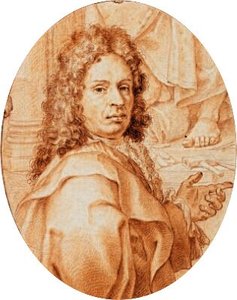
Camillo Rusconi
1658 - 1728 , Italy
Quick Facts
- Artistic Movement Or Style: Late Baroque, Neoclassicism
- Artists Or Movements Influenced By This Artist:
- Pietro Bracci
- Giovanni Maini
- Filippo della Valle
- Artists Who Influenced This Artist:
- Algardi
- Bernini
- Carlo Maratta
- Date Of Birth: 1658
- Date Of Death: 1728
- Full Name: Camillo Rusconi
- Nationality: Italian
- Notable Artworks:
- Apostles at St. John Lateran
- Tomb of Pope Gregory XIII
- St James the Great
- Fortitude
- St John the Baptist
- Place Of Birth: Milan, Italy

