 Preview
 Send
Send Share
Share
 Details

 Download
 Similars
 X-Ray
X-Ray Diaporama
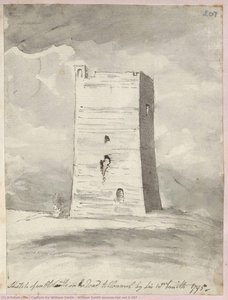
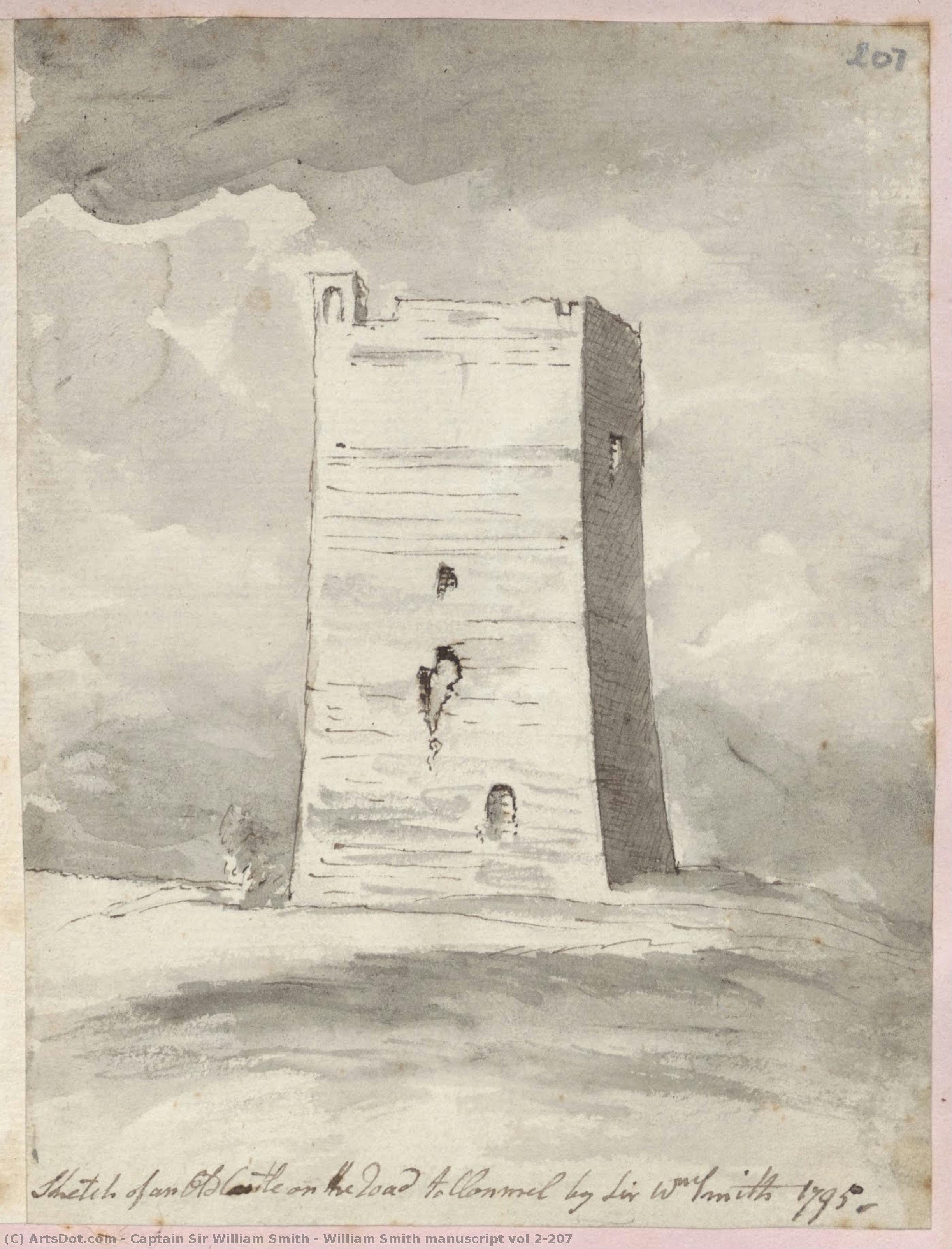
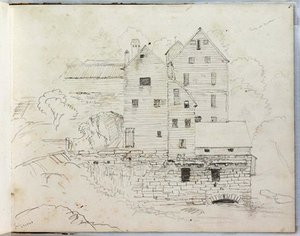
William Smith manuscript vol 2/207
 Acrylic On Canvas
- WallArt
- Romantic Landscape Painting
 1795
1795 15.0 x 11.0 cm
 The Library of Trinity College Dublin
 Read More
Hand Made Oil Reproduction
Hand-painted oil on canvas in your size and frame, made to order by our artists. ( Buy Print Buy Image)




P118B $10

P118H $10

P118W $10

P438Z $10

P508JH $12

P508YH $12

P805H $10

P805Z $10

P919BZ $10

P919G $10

P919XJ $10

P959ZH $10

P968JZ $12

W106C $8

W218G $10

W218JH $8

W218Y $10

W307PJ $10

W316G $10

W316PJ $8

W316Y $10

W398PJ $8

W4111J $10

W500HY $15

W500JH $15

W692G $12

W849H $8

W940BG $15

W953PJ $8




Pick from our preset sizes that match the artwork's original proportions.

You may enter your own dimensions to fit a specific frame or space. If your selected size does not match the original image's proportions, we will either crop the artwork or extend the painting with additional hand-painted elements. A digital mockup will be sent for your approval before production begins.
Please note that the on-screen preview does not reflect the actual cropping or extension. Only the mockup will accurately show the final composition.
While custom sizes are available, we recommend selecting a dimension from the predefined list to preserve the original proportions.
After order, ArtsDot.com team will email client for instructions and provide a mockup preview
Worldwide Delivery () in 3/4 weeks instead of standard 5 weeks. (17 August). No compromise on quality.

Free Worldwide Express Shipping

High-Quality Linen Canvas

Full Shipping Insurance

Customs Tax Refund Guarantee

True Color Matching Guarantee

60-Day Return Policy (Defects Only)

100% Money-Back Guarantee

Bulk Discount Offer
 Glass option is only available in size under 110 CM

William Smith manuscript vol 2/207
Reproduction Medium
Reproduction Size
-


Total Price
$ 263
Artwork Description
William Smith manuscript vol 2/207 – A Towering Testament to Naval Valor and Artistic Vision
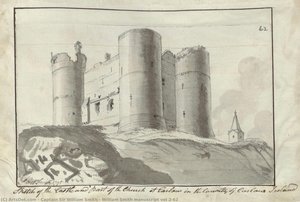
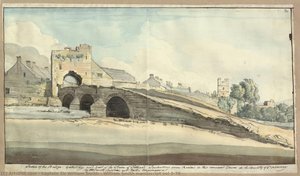
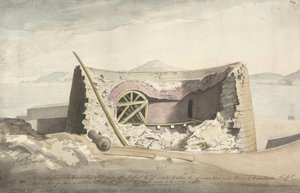
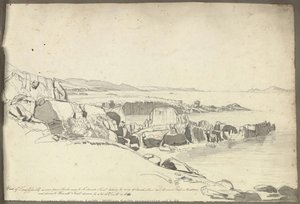
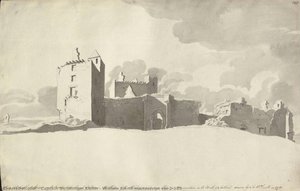
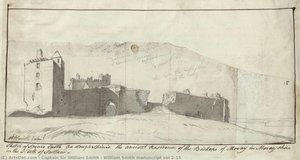
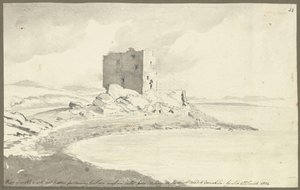
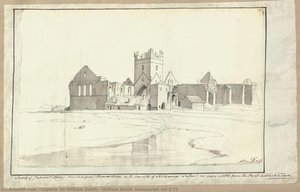
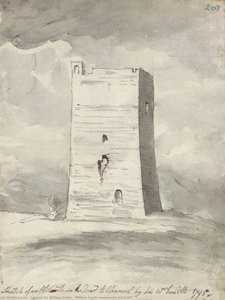
The drawing before us—titled “William Smith manuscript vol 2/207”—offers a glimpse into the multifaceted life of Captain Sir William Smith, a British naval officer whose artistic pursuits were as remarkable as his military achievements. Executed in 1795, this piece transcends mere depiction; it embodies a profound reflection on the era’s anxieties and aspirations, skillfully rendered with meticulous attention to detail.
Subject Matter & Composition: The artwork portrays a monumental brick tower dominating a tranquil landscape. Its imposing presence immediately commands attention, symbolizing strength, resilience, and perhaps even defiance against perceived threats. Two figures stand prominently near the base of the tower—one positioned on the left, gazing upwards with contemplative expression; the other closer to the center, seemingly observing the scene with quiet vigilance. Above them, a solitary bird ascends towards the upper right corner, representing freedom, aspiration, and an escape from earthly constraints.
Style & Technique: Smith’s artistic style leans heavily toward Romanticism, characterized by dramatic lighting, expressive brushstrokes, and a palpable sense of atmosphere. The artist employs a watercolor technique—a medium favored for its ability to capture subtle tonal variations and luminous effects—resulting in an image imbued with warmth and depth. Careful layering of washes creates texture and highlights the architectural grandeur of the tower while simultaneously conveying a feeling of serene contemplation.
Historical Context: Created during the Napoleonic Wars, “William Smith manuscript vol 2/207” speaks to the anxieties surrounding Britain’s defense against Napoleon Bonaparte's ambitions. The tower itself can be interpreted as representing fortitude and unwavering resolve—qualities deemed essential for safeguarding national interests amidst geopolitical instability. Simultaneously, Smith’s artistic inclination reflects a broader cultural preoccupation with capturing sublime beauty in nature, offering solace and inspiration during turbulent times.
Symbolism & Emotional Impact: The bird soaring above the tower is particularly evocative, symbolizing hope and transcendence—a yearning for spiritual elevation beyond the confines of earthly concerns. The contemplative gaze of one figure suggests introspection and a consideration of grander themes, while the watchful stance of the other embodies vigilance and preparedness. Overall, the artwork evokes feelings of awe, admiration for human courage, and appreciation for the harmonious interplay between man and nature—themes that resonate powerfully with viewers even today.
Conclusion: “William Smith manuscript vol 2/207” stands as a testament to Captain Sir William Smith’s extraordinary duality – his unwavering dedication to naval service combined with an undeniable passion for artistic expression. It is more than just a visual record of its time; it's a poignant meditation on human resilience, aspiration, and the enduring beauty of the natural world—a captivating piece that continues to inspire contemplation and admiration.
Related Artworks



Artist Biography
A Life Bridging Navy and Canvas: The Dual World of Captain Sir William Smith
Born in London in 1764, Captain Sir William Smith – also known as William Sidney Smith – carved a remarkable life that defied easy categorization. He was not simply a naval officer, nor solely an artist; rather, he embodied a fascinating intersection of both worlds, navigating the turbulent waters of late 18th and early 19th-century Britain with a unique blend of strategic acumen and artistic sensibility. Smith’s early career unfolded against the backdrop of significant global conflict – the American Revolutionary War, the French Revolutionary Wars, and the Napoleonic Wars – providing him with both opportunity for advancement and fertile ground for observation. He rose through the ranks of the Royal Navy, demonstrating courage and initiative that often bordered on insubordination, a characteristic that simultaneously propelled his success and created friction with superiors. His outspoken nature and willingness to act independently were hallmarks of a man who trusted his own judgment above all else. This independent spirit would later be famously acknowledged by Napoleon Bonaparte himself, who conceded that Smith had nearly altered the course of his destiny during the defense of Acre in 1799.From Naval Battles to Brushstrokes: The Artistic Inclination
Despite a life dominated by naval service, Smith possessed a distinct artistic talent, documented through a collection of paintings now held within the National Museum of the Royal Navy. These works offer a compelling glimpse into the mind of a man who found solace and expression in art amidst the demands of military duty. While not formally trained as an artist, Smith’s paintings reveal a keen eye for detail, composition, and atmosphere. His subject matter is diverse, ranging from grand historical scenes to intimate landscapes. The Armada, a large-scale oil on canvas measuring 160 x 223 cm, stands as a testament to his ambition and skill, depicting the dramatic clash between the Spanish Armada and the English fleet in 1588. This painting isn’t merely a historical representation; it's an immersive experience, capturing the chaos and intensity of naval warfare with impressive dynamism. In contrast, Close of Day, a more intimate work at 74 x 100 cm, showcases Smith’s ability to evoke tranquility and beauty through subtle gradations of light and color, portraying a serene naval sunset. Even smaller pieces like Yomping (26 x 40 cm) demonstrate his observational skills, capturing the rugged terrain of Dartmoor with striking realism. These paintings weren't created for public exhibition or critical acclaim; they were personal endeavors, offering an outlet for a complex and multifaceted personality.A Legacy Forged in Conflict and Diplomacy
Smith’s military achievements are as compelling as his artistic creations. His involvement in the defense of Acre in 1799 cemented his reputation as a brilliant strategist and courageous leader. Facing overwhelming odds, he successfully repelled Napoleon's forces, preventing further French expansion into the Sinai Peninsula. This victory earned him widespread acclaim in Britain and the grudging respect of Napoleon himself, who famously lamented that Smith had thwarted his ambitions. Beyond warfare, Smith’s career encompassed diplomacy and espionage, reflecting a versatility that was rare for officers of his time. He navigated complex political landscapes with skill, often operating independently to achieve strategic objectives. His involvement in the first Russian Antarctic expedition, though indirectly through the naming of Smith Island, further demonstrates his far-reaching influence and connection to exploration.The Enduring Appeal of a Unique Vision
Captain Sir William Smith died in 1840, leaving behind a legacy that extends beyond military accolades and artistic creations. He represents a fascinating archetype – the officer who was also an artist, the strategist who possessed a sensitive soul. His paintings offer a unique window into his world, revealing not only his technical skill but also his emotional response to the events and landscapes he encountered. Today, his works are increasingly appreciated for their historical significance and artistic merit, offering viewers a chance to connect with a remarkable individual whose life was defined by both duty and passion. Discovering Smith’s art is more than just appreciating paintings; it's uncovering a hidden facet of British history and the captivating story of a man who dared to pursue multiple paths with equal dedication and brilliance. Explore his 19 artworks on ArtsDot.com, and delve deeper into the life of this extraordinary figure.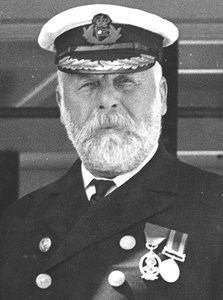
Captain Sir William Smith
1764 - 1840 , United Kingdom
Quick Facts
- Artistic Movement Or Style: Naval painting
- Date Of Birth: 1764
- Date Of Death: 1840
- Full Name: William Sidney Smith
- Nationality: British
- Notable Artworks:
- The Armada
- Close of Day
- Yomping
- Place Of Birth: London, UK
Related Articles
British Museum Masterpieces: Explore 25 Iconic Artworks & Decor Inspiration
Journey through 25 iconic artworks at the British Museum, London! Explore masterpieces from Egyptian sculptures to Renaissance paintings & uncover their stories. Find museum-quality art reproductions and curated decor ideas on ArtsDot.com.

Thomas Stuart Smith: A Study in British Impressionism & the Poetic Landscape
Explore the captivating world of Thomas Stuart Smith (1815-1869), a Scottish painter bridging Romantic realism and British Impressionism. Discover his genre scenes, philanthropic legacy & stunning interiors.

The Nuances of Graphite: Exploring Emotional Depth & Technical Mastery in Pencil Drawing
Explore the captivating world of graphite drawing! Discover its rich history, master essential techniques like chiaroscuro, and learn how artists evoke emotion through this timeless medium. Expert insights for art enthusiasts.
Arthur William Devis: A Provincial Eye on Georgian Life & Naval History
Explore the life & work of Arthur William Devis (1762-1822), a key figure in Georgian portraiture and naval history painting. Discover his intimate 'conversation pieces' and captivating depictions of colonial India. Learn more at ArtsDot.

Sir William Rothenstein: A Life Dedicated to British Art & Modernism's Cultivation
Explore the life & art of Sir William Rothenstein – a pivotal figure in British Modernism. Discover his portraits, war paintings, and influential role at the Royal College of Art. A comprehensive biography for art enthusiasts.