 Preview
 Send
Send Share
Share
 Details

 Download
 Similars
 X-Ray
X-Ray Diaporama
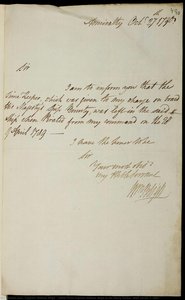
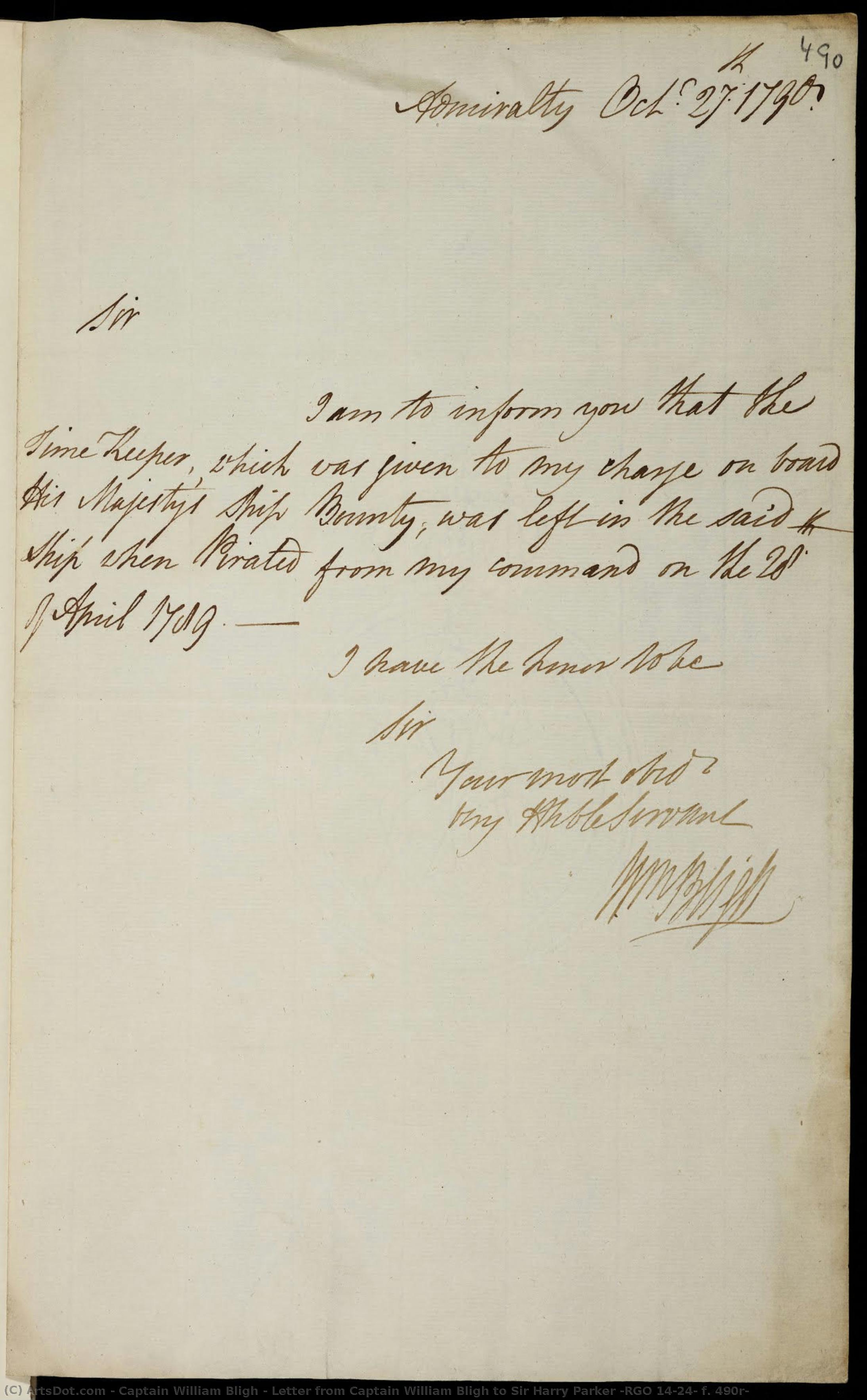
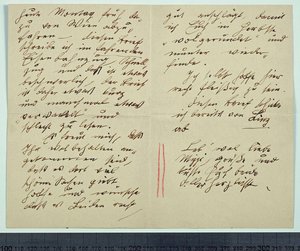
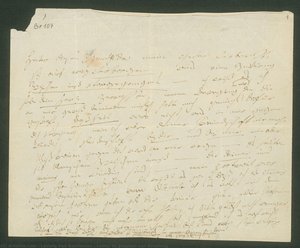
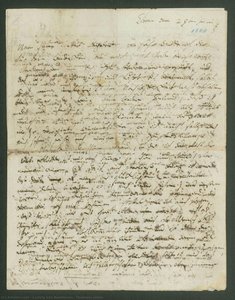
Letter from Captain William Bligh to Sir Harry Parker (RGO 14/24: f. 490r)


 Read More
Hand Made Oil Reproduction
Hand-painted oil on canvas in your size and frame, made to order by our artists. ( Buy Print Buy Image)




P118B $10

P118H $10

P118W $10

P438Z $10

P508JH $12

P508YH $12

P805H $10

P805Z $10

P919BZ $10

P919G $10

P919XJ $10

P959ZH $10

P968JZ $12

W106C $8

W218G $10

W218JH $8

W218Y $10

W307PJ $10

W316G $10

W316PJ $8

W316Y $10

W398PJ $8

W4111J $10

W500HY $15

W500JH $15

W692G $12

W849H $8

W940BG $15

W953PJ $8




Pick from our preset sizes that match the artwork's original proportions.

You may enter your own dimensions to fit a specific frame or space. If your selected size does not match the original image's proportions, we will either crop the artwork or extend the painting with additional hand-painted elements. A digital mockup will be sent for your approval before production begins.
Please note that the on-screen preview does not reflect the actual cropping or extension. Only the mockup will accurately show the final composition.
While custom sizes are available, we recommend selecting a dimension from the predefined list to preserve the original proportions.
After order, ArtsDot.com team will email client for instructions and provide a mockup preview
Worldwide Delivery () in 3/4 weeks instead of standard 5 weeks. (23 August). No compromise on quality.

Free Worldwide Express Shipping

High-Quality Linen Canvas

Full Shipping Insurance

Customs Tax Refund Guarantee

True Color Matching Guarantee

60-Day Return Policy (Defects Only)

100% Money-Back Guarantee

Bulk Discount Offer
 Glass option is only available in size under 110 CM

Letter from Captain William Bligh to Sir Harry Parker (RGO 14/24: f. 490r)
Reproduction Medium
Reproduction Size
-


Total Price
$ 263
Artwork Description
A Fragment of Rebellion: Examining William Bligh’s Letter to Sir Harry Parker
The image presented—a meticulously preserved handwritten letter penned by Captain William Bligh—offers a poignant glimpse into the tumultuous aftermath of the Mutiny on HMS Bounty. More than just a document detailing logistical concerns, this piece transcends its practical purpose, embodying the psychological scars and enduring legacy of one of history’s most infamous voyages. Its unassuming appearance belies the profound narrative it conveys: a plea for understanding from a man grappling with the consequences of extraordinary upheaval.- Subject Matter & Context:
- The letter itself is addressed to Sir Harry Parker, Secretary of the Board of Longitude, reflecting Bligh’s immediate preoccupation with securing official recognition for his ordeal and justifying his actions following the rebellion. It speaks to a broader context—the burgeoning Enlightenment fascination with scientific observation and exploration—and underscores the importance of establishing accurate longitude at sea.
Stylistic Considerations: The Language of Discomfort
The handwriting is characterized by elegant cursive script, indicative of Bligh’s social standing and reflecting the conventions of correspondence during his era. However, beneath the surface formality lies an undeniable tremor—a palpable anxiety conveyed through deliberate pauses and carefully chosen phrasing. This stylistic choice isn't merely aesthetic; it mirrors the emotional turmoil experienced by Bligh as he recounts the events leading up to and following the mutiny. The paper itself is aged, bearing witness to time’s passage and subtly hinting at the fragility of memory—a visual metaphor for the enduring impact of trauma.- Technique & Material:
- The letter's texture contributes significantly to its emotive power. The paper, likely sourced from Cornwall, possesses a subtle sheen and creases that speak to its handling over time. Examination under magnification reveals minute variations in ink pigment—evidence of the painstaking effort required to produce such documents during the 18th century. These details invite contemplation on the materiality of history itself.
Symbolism Beyond Narrative: Resilience and Responsibility
Beyond its factual recounting of events, the letter carries symbolic weight. Bligh’s insistence on maintaining order amidst chaos represents a defiance of impulsive behavior—a commitment to reason and discipline in the face of overwhelming adversity. Simultaneously, it acknowledges the moral complexities inherent in leadership; Bligh recognizes that his actions had repercussions beyond his immediate circumstances, prompting reflection on duty and accountability. The letter serves as a reminder that even seemingly insignificant objects can encapsulate profound human experience.- Emotional Impact & Artistic Resonance:
- The image compels viewers to consider the psychological landscape of Bligh’s mind—his determination to preserve his reputation and his agonizing awareness of the suffering inflicted upon his crew. This emotional resonance aligns with broader artistic traditions exploring themes of trauma, resilience, and moral conscience. Reproductions of this letter can serve as powerful additions to interior spaces, fostering contemplation on leadership, responsibility, and the enduring influence of historical narratives.
Concluding Thoughts: A Window into History’s Soul
Ultimately, William Bligh's letter transcends its status as a simple communiqué; it is a microcosm of the Bounty Mutiny itself—a testament to human ambition, betrayal, and the indelible mark left upon those involved. Its preservation allows us to appreciate not only the meticulous craftsmanship of 18th-century calligraphy but also the enduring capacity of art to illuminate the complexities of human emotion and moral deliberation.Related Artworks
![Lady Writing A Letter With Her Maid [c. 1670] — Johannes Vermeer, Dutch Golden Age](/media/artworks/images-thumb/87/c4/87c403dd3765a49358a8a608ecf1b2ee.jpg)


Artist Biography
The Navigator of History: The Life and Legacy of William Bligh
To contemplate the life of William Bligh is to navigate the turbulent waters of the late eighteenth century, a period defined by maritime expansion, scientific curiosity, and the raw tension of colonial ambition. Born in the quiet parish of St Tudy, Cornwall, in 1754, Bligh was a man whose destiny was inextricably linked to the sea. The son of Francis Bligh, a customs officer in Plymouth, his early years were steeped in the atmosphere of maritime discipline and the burgeoning spirit of exploration. This foundation prepared him for a career that would transcend mere naval service, evolving into a saga of survival, leadership, and historical infamy that continues to captivate the global imagination.
Bligh’s ascent within the Royal Navy was marked by an extraordinary precocity; having entered service as a young boy, he demonstrated a mastery of navigation and charting that placed him among the elite of his era. His professional development was profoundly influenced by the legendary James Cook, whom Bligh accompanied on his third great voyage. It was during these expeditions to Tahiti and New Holland that Bligh honed the scientific precision and cartographic skills that would define his early reputation. He was not merely a sailor but a man of the Enlightenment, dedicated to the meticulous observation of the natural world and the expansion of the known maps of the Pacific.
The Shadow of the Bounty
However, the brilliance of Bligh’s navigational intellect is often eclipsed by the dramatic shadows cast by the HMS Bounty. In 1789, tasked with the vital mission of transporting breadfruit seedlings from Tahiti to Jamaica, Bligh found himself at the center of one of history's most enduring maritime dramas. The expedition, intended as a triumph of British agricultural science, instead became a theater of psychological warfare and rebellion. The tension between Bligh’s perceived authoritarianism and the growing discontent of his crew culminated in the infamous mutiny, an event that stripped him of his command and left him adrift in a tiny launch.
This harrowing ordeal, characterized by a desperate struggle for survival against the elements, serves as a profound metaphor for Bligh’s entire existence—a man caught between the rigid structures of naval law and the unpredictable chaos of the ocean. The mutiny did more than just alter the course of his career; it etched his name into the annals of popular culture, transforming him from a respected officer into a figure of intense historical debate. Whether viewed as a victim of circumstance or a catalyst for rebellion, Bligh’s presence in the narrative of the Bounty remains an indelible mark on maritime history.
Governance and the Final Horizon
Beyond the salt spray and the specter of mutiny, Bligh’s life was defined by his significant contributions to colonial administration. His appointment as the Governor of New South Wales from 1806 to 1808 brought him into direct conflict with the burgeoning power structures of the Australian colonies. During this period, he faced the complexities of managing a penal colony plagued by corruption and the infamous Rum Rebellion. This era of his life reflects the heavy burden of imperial responsibility, as he attempted to impose order upon a frontier society that was often resistant to centralized authority.
The historical significance of William Bligh lies in this duality: he was simultaneously a precise scientist of the sea and a controversial architect of empire. His life serves as a window into the complexities of the British maritime identity—a blend of rigorous discipline, scientific advancement, and the often-violent friction of colonial expansion. When he passed away in 1817, he left behind a legacy that is far more than a mere footnote in naval records; he remains a symbol of the enduring human struggle to command the wilder forces of both nature and civilization.
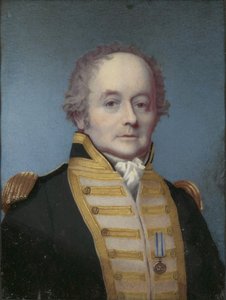
captain william bligh
1754 - 1817 , United Kingdom
Quick Facts
- Artistic Movement Or Style: Naval Exploration
- Artists Or Movements Influenced By This Artist: ['Romanticism']
- Artists Who Influenced This Artist: ['James Cook']
- Date Of Birth: September 9, 1754
- Date Of Death: December 7, 1817
- Full Name: William Bligh
- Nationality: British
- Notable Artworks: ['HMS Bounty']
- Place Of Birth: Plymouth, England
Related Articles
John Wilson Carmichael: Evoking Scottish Identity Through Dramatic Marine Painting
Explore the dramatic marine paintings of John Wilson Carmichael (1800-1868), a Victorian master renowned for his realistic seascapes and historical naval scenes. Discover his life, style & available hand-painted reproductions at ArtsDot.
Arthur William Devis: A Provincial Eye on Georgian Life & Naval History
Explore the life & work of Arthur William Devis (1762-1822), a key figure in Georgian portraiture and naval history painting. Discover his intimate 'conversation pieces' and captivating depictions of colonial India. Learn more at ArtsDot.
Dominic Serres: Illuminating the Skies – A Comprehensive Study of Landscape, Meteorology & Artistic Innovation
Explore the life & art of Dominic Serres, a founding member of the Royal Academy renowned for his detailed naval scenes. Discover his legacy, collecting insights, and investment potential with ArtsDot.
Thomas Luny (1759–1837): Maritime Mastery & the Evolution of British Marine Painting
Explore the captivating world of Thomas Luny (1759–1837), a celebrated British marine artist. Discover his dramatic naval scenes, detailed ship portraits & lasting legacy. Learn about his life, influences & artworks.

Thomas Whitcombe: Navigating Light & Landscape – A Reassessment of Technique & Influence
Discover the captivating world of Thomas Whitcombe, a leading British marine painter. Explore his life, techniques, and enduring legacy with our expert analysis & guide for collectors.