 Preview
 Send
Send Share
Share
 Details

 Download
 Similars
 X-Ray
X-Ray Diaporama
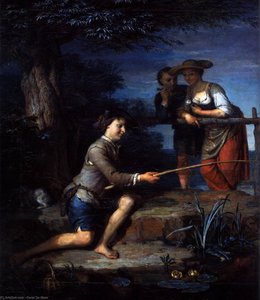
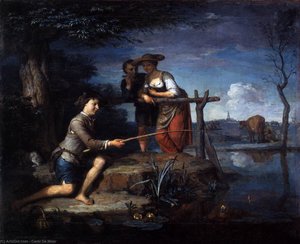
Angler (detail)


 Read More
Hand Made Oil Reproduction
Hand-painted oil on canvas in your size and frame, made to order by our artists. ( Buy Print Buy Image)




P118B $10

P118H $10

P118W $10

P438Z $10

P508JH $12

P508YH $12

P805H $10

P805Z $10

P919BZ $10

P919G $10

P919XJ $10

P959ZH $10

P968JZ $12

W106C $8

W218G $10

W218JH $8

W218Y $10

W307PJ $10

W316G $10

W316PJ $8

W316Y $10

W398PJ $8

W4111J $10

W500HY $15

W500JH $15

W692G $12

W849H $8

W940BG $15

W953PJ $8




Pick from our preset sizes that match the artwork's original proportions.

You may enter your own dimensions to fit a specific frame or space. If your selected size does not match the original image's proportions, we will either crop the artwork or extend the painting with additional hand-painted elements. A digital mockup will be sent for your approval before production begins.
Please note that the on-screen preview does not reflect the actual cropping or extension. Only the mockup will accurately show the final composition.
While custom sizes are available, we recommend selecting a dimension from the predefined list to preserve the original proportions.
After order, ArtsDot.com team will email client for instructions and provide a mockup preview
Worldwide Delivery () in 3/4 weeks instead of standard 5 weeks. (24 August). No compromise on quality.

Free Worldwide Express Shipping

High-Quality Linen Canvas

Full Shipping Insurance

Customs Tax Refund Guarantee

True Color Matching Guarantee

60-Day Return Policy (Defects Only)

100% Money-Back Guarantee

Bulk Discount Offer
 Glass option is only available in size under 110 CM

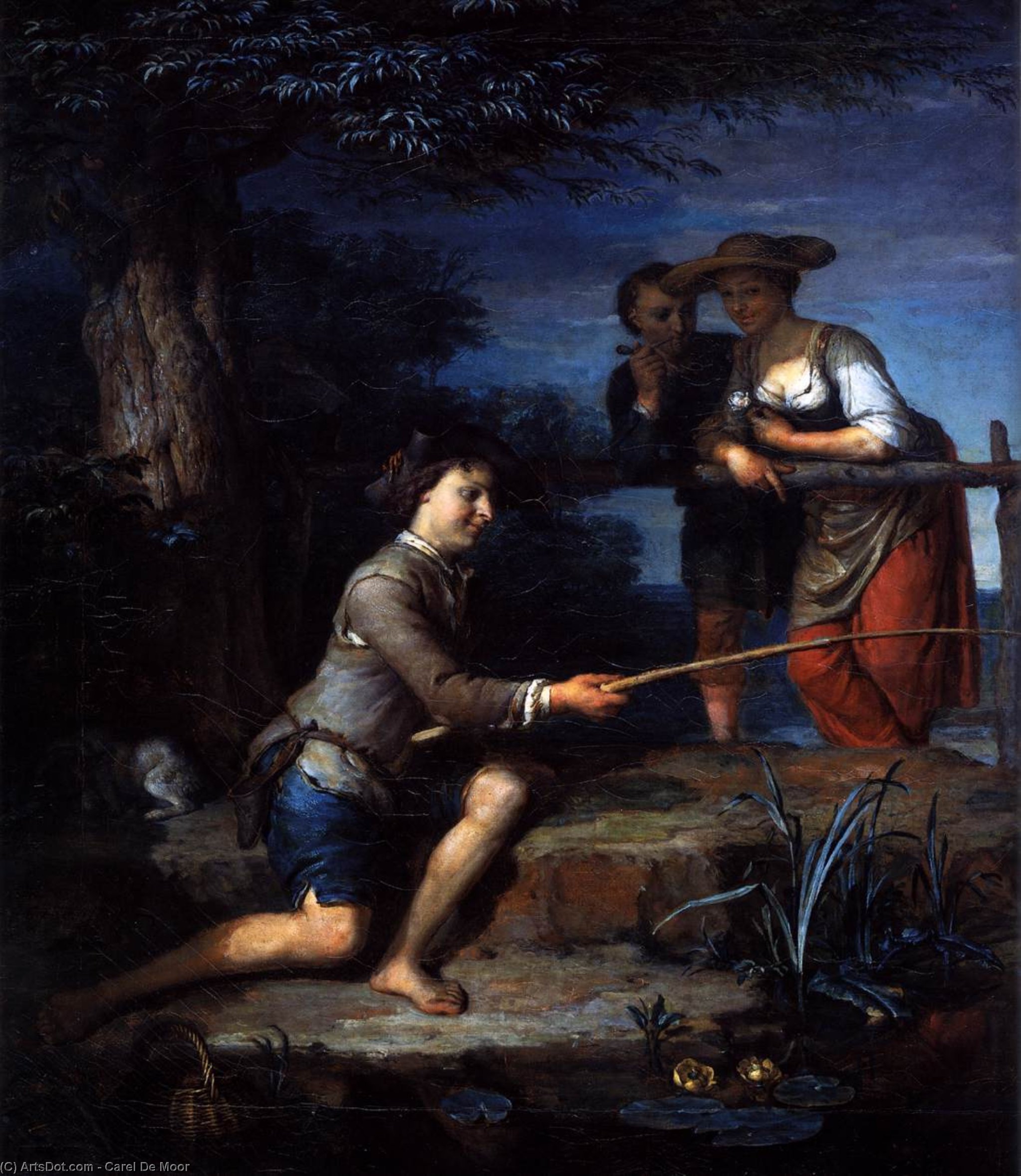
Angler (detail)
Reproduction Medium
Reproduction Size
-


Total Price
$ 263
Artwork Description
A Moment Frozen in Time: Examining Carel de Moor’s “Angler”
Carel de Moor’s “Angler,” completed around 1700, isn't merely a depiction of fishing; it’s a masterful distillation of the Dutch Baroque aesthetic—a genre renowned for its meticulous realism and profound psychological insight. Housed within the Rijksmuseum in Amsterdam, this painting transcends its subject matter to offer a glimpse into the values and sensibilities of seventeenth-century Holland.
- Subject Matter: The scene portrays three figures engaged in quiet activity beneath the shade of a sprawling tree – a young boy diligently holding a fishing rod, two women tending to a basket near a fence. This seemingly simple tableau speaks volumes about rural life and domestic tranquility.
- Style & Technique: De Moor’s approach exemplifies Baroque precision. Employing etching—a technique favored for its ability to capture subtle tonal variations—he achieved an astonishing level of detail, meticulously rendering the textures of clothing, foliage, and even the boy's focused gaze. The artist skillfully utilized chiaroscuro – dramatic contrasts between light and dark – to sculpt form and imbue the scene with a palpable sense of atmosphere.
Historical Context: Seventeenth-century Holland experienced an unprecedented flourishing of artistic creativity, fueled by burgeoning trade and intellectual curiosity. The Baroque style mirrored this dynamism—embracing grandeur and emotion while simultaneously upholding humanist ideals. Artists like De Moor sought to portray the human condition with sensitivity and nuance, reflecting the broader cultural currents of their time.
Symbolism & Emotional Impact: Beyond its visual beauty, “Angler” carries symbolic weight. The tree represents stability and nourishment—a cornerstone of Dutch agricultural prosperity. The boy’s unwavering concentration embodies diligence and perseverance, virtues valued within the societal framework of the era. Yet, crucially, there's an underlying stillness, a quiet contemplation that invites viewers to pause and appreciate the beauty of ordinary moments.
Interior Design Considerations: Reproductions of “Angler” can bring a touch of Dutch Baroque elegance into contemporary interiors. Its muted palette—dominated by earthy browns and greens—harmonizes beautifully with natural materials like linen and oak, creating a serene and inviting space. The painting’s composition lends itself particularly well to gallery walls or as a focal point in a living room.
Related Artworks




Artist Biography
The Meticulous Legacy of Carel de Moor
In the vibrant, light-drenched era of the Dutch Golden Age, where the mastery of shadow and substance defined a generation, Carel de Moor emerged as a quiet yet profound architect of detail. Born in Leiden in 1655, de Moor was not merely an observer of his time but a product of a deeply rooted artistic lineage. As the son of a painter and art dealer, his very existence was entwined with the textures of oil and the precision of the etching needle. While history often celebrates the more flamboyant rebels of the seventeenth century, de Moor’s greatness lay in his devotion to fijnschilder—the fine painting style—a method that demanded an almost superhuman level of patience and a surgical command over light.
His formative years were shaped by the prestigious artistic circles of Leiden, where he studied under legendary masters such as Gerard Dou and Frans van Mieris. These mentors instilled in him the foundational principles of the Leiden school: an obsession with microscopic realism and the ability to transform a flat canvas into a window of tactile reality. De Moor did not seek to overturn the traditions of his predecessors; instead, he sought to perfect them. Through his apprenticeship, he mastered the delicate art of chiaroscuro, learning how to use the dramatic interplay of light and shadow to breathe psychological life into his subjects, turning a simple portrait into a profound study of human character.
A Master of Portraiture and Genre
The breadth of de Moor’s oeuvre reflects a versatile spirit capable of navigating both the intimate and the atmospheric. He was particularly renowned for his portraits, which captured the dignity and subtle emotions of the Dutch citizenry with unparalleled grace. In these works, one can observe a remarkable ability to render the sheen of silk, the weight of velvet, and the translucent quality of skin, all while maintaining a sense of soulful presence. His portraits were not merely records of likeness but explorations of identity, often utilizing soft, directional light to highlight the contemplative expressions of his sitters.
Beyond the formal confines of portraiture, de Moor excelled in genre scenes—narrative paintings that captured the rhythms of everyday life. Whether depicting a tranquil moment of rural leisure or a more complex social interaction, his work always maintained a sense of stilleven-like precision. Some of his most evocative works include:
- The Angler: A masterful distillation of the Dutch Baroque aesthetic, where the quietude of nature and the focused movement of the fisherman create a sense of eternal peace.
- Self-Portraits: Introspective studies that reveal the artist’s own evolving technique and his deep connection to the traditions of his mentors.
- Soldier Scenes: Works that demonstrate his ability to handle more dynamic, crowded compositions while retaining his signature clarity and detail.
Historical Significance and Artistic Endurance
As the seventeenth century transitioned into the eighteenth, de Moor’s role as a leader within the St. Luke’s Guild and his service as a deacon underscored his high social and professional standing in Leiden. He was a pillar of the artistic community, bridging the gap between the intense realism of the early Golden Age and the more refined, elegant sensibilities of the following era. His etchings, characterized by their incredible tonal range and fine linework, allowed his artistry to reach beyond the walls of private collections, spreading the influence of the Leiden style through the medium of print.
Though he may not have possessed the revolutionary fire of a Rembrandt, Carel de Moor’s contribution to the canon of European art is immeasurable. He provided the essential continuity of excellence that allowed Dutch painting to maintain its prestige. Today, his works housed in institutions like the Rijksmuseum and Museum De Lakenhal serve as enduring testaments to a life dedicated to the pursuit of perfection. He remains a master of the subtle, reminding us that true greatness often resides in the quietest, most meticulously rendered details.
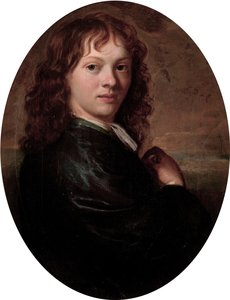
Carel de Moor
1655 - 1738 , Netherlands
Quick Facts
- Artistic Movement Or Style: Baroque
- Artists Or Movements Influenced By This Artist: ['Willem van Mieris']
- Artists Who Influenced This Artist:
- Gerard Dou
- Lucas van Leyden
- Date Of Birth: Leiden, Netherlands (1655)
- Date Of Death: 1738
- Full Name: Carel de Moor
- Nationality: Dutch
- Notable Artworks:
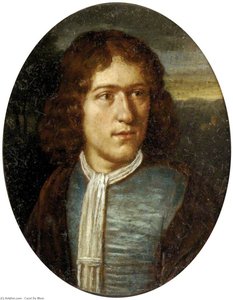
- Portrait of a Gentleman
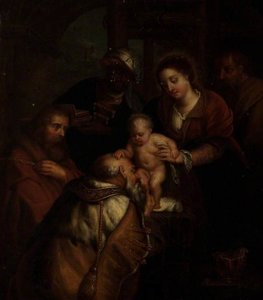
- The Adoration Of The Magi
- Place Of Birth: Leiden
Related Articles

Golden Age Reflections: Dutch Baroque Painting & Cultural Innovation
Explore the Dutch Golden Age of painting! Discover key artists like Vermeer & ter Borch, their innovative techniques, and the rich cultural context behind these Baroque masterpieces. Learn about collecting & appreciating this iconic art period.

Dutch Masters: 10 Golden Age Paintings That Still Inspire |
Journey into the Dutch Golden Age! Explore 10 iconic paintings by Rembrandt, Vermeer & Hals. Discover the stories behind these Baroque masterpieces and find museum-quality art reproductions to elevate your home decor on .
Pieter de Hooch: Illuminating Dutch Domestic Life & Golden Age Charm
Explore the captivating world of Pieter de Hooch, a master of Dutch Golden Age painting. Discover his innovative use of light, intimate domestic scenes, and lasting influence on art history. Learn more at ArtsDot.

Illuminating Innovation: Exploring the Dutch Golden Age of Painting
Explore the Dutch Golden Age of painting with ArtsDot. Discover Rembrandt, Vermeer & other Masters. Learn about key characteristics, iconic artworks, and lasting influence. Expert insights for collectors & enthusiasts.

Dutch Baroque Masters: 10 Paintings That Shaped an Era | ArtsDot
Journey through the Golden Age with our guide to the Top 10 Dutch Baroque masterpieces! Explore iconic paintings by Rembrandt, Vermeer & Frans Hals. Find museum-quality art reproductions and elevate your home decor at ArtsDot.com.