 Preview
 Send
Send Share
Share
 Details

 Download
 Similars
 X-Ray
X-Ray Diaporama
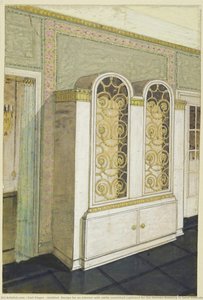
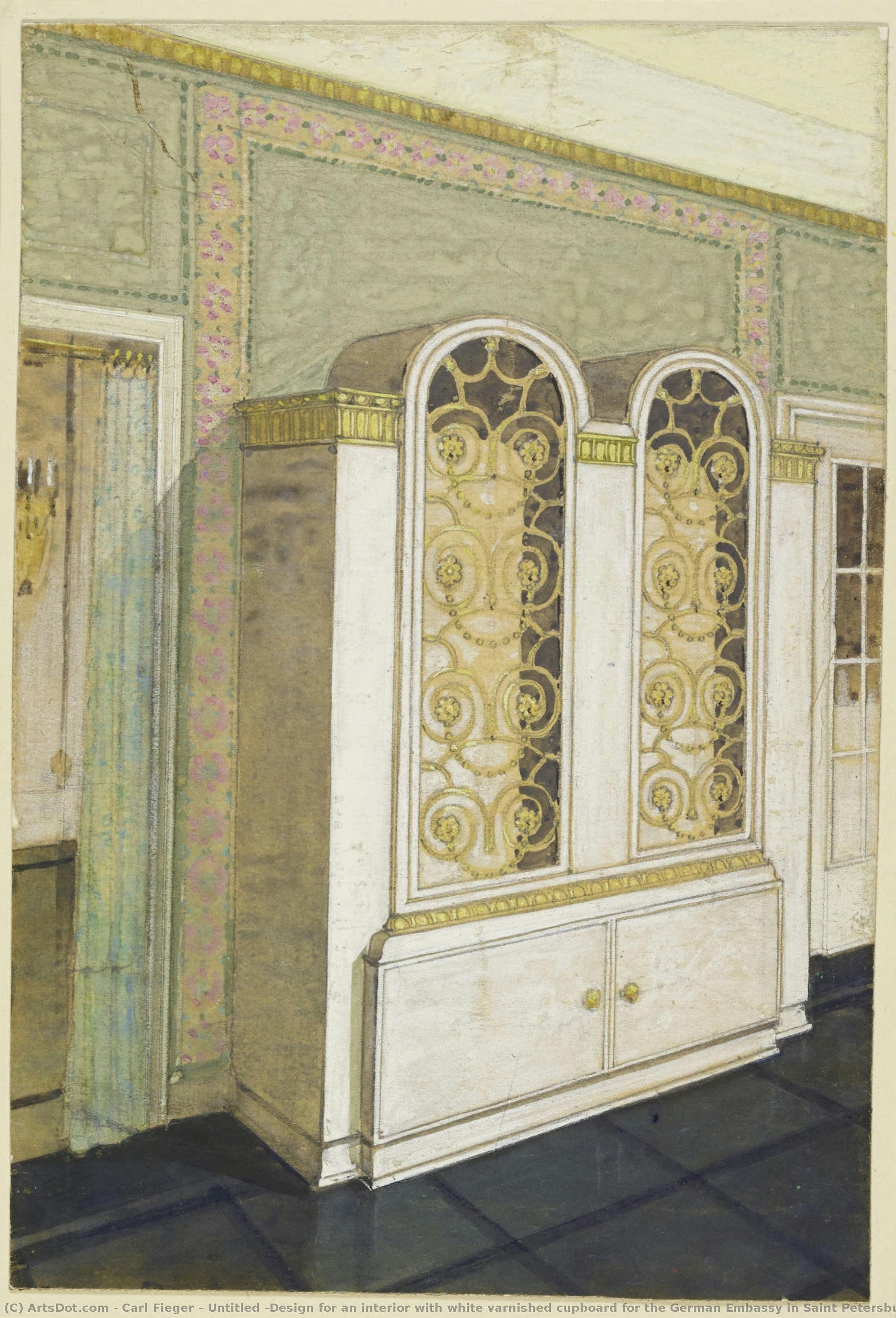
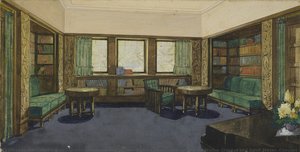
Untitled (Design for an interior with white varnished cupboard for the German Embassy in Saint Petersburg)
 Watercolor
- WallArt
- Bauhaus
 1911
1911 17.0 x 11.0 cm
 Bauhaus Dessau Foundation
 Read More
Giclée / Art Print
Museum-quality giclée or canvas print with fast production and flexible finish options. ( Buy Hand Made Painting Buy Image)




P118B $10

P118H $10

P118W $10

P438Z $10

P508JH $12

P508YH $12

P805H $10

P805Z $10

P919BZ $10

P919G $10

P919XJ $10

P959ZH $10

P968JZ $12

W106C $8

W218G $10

W218JH $8

W218Y $10

W307PJ $10

W316G $10

W316PJ $8

W316Y $10

W398PJ $8

W4111J $10

W500HY $15

W500JH $15

W692G $12

W849H $8

W940BG $15

W953PJ $8




Pick from our preset sizes that match the artwork's original proportions.

You may enter your own dimensions to fit a specific frame or space. If your selected size does not match the original image's proportions, we will either crop the artwork or extend the image with a mirrored or solid-fill edge. A digital mockup will be sent for your approval before production begins.
Please note that the on-screen preview does not reflect the actual cropping or extension. Only the mockup will accurately show the final composition.
While custom sizes are available, we recommend selecting a dimension from the predefined list to preserve the original proportions.
Worldwide Delivery () in 2 weeks instead of standard 4/5 weeks. (17 August)

Free Worldwide Express Shipping

High-Quality Linen Canvas

Full Shipping Insurance

Customs Tax Refund Guarantee

True Color Matching Guarantee

60-Day Return Policy (Defects Only)

100% Money-Back Guarantee

Bulk Discount Offer
 Glass option is only available in size under 110 CM

Untitled (Design for an interior with white varnished cupboard for the German Embassy in Saint Petersburg)
Giclée / Art Print
Reproduction Size
-


Total Price
$ 63
Collectible Description
A Glimpse of German Elegance: Carl Fieger’s Interior Design Study
Carl Fieger's 1911 watercolor, “Untitled (Design for an interior with white varnished cupboard for the German Embassy in Saint Petersburg),” offers a captivating window into the burgeoning world of early 20th-century architectural design and the influential principles of the Bauhaus. More than just a technical drawing, this piece embodies a sophisticated vision of diplomatic interiors – a testament to restrained luxury, geometric precision, and a subtle embrace of artistic expression. It’s a study in muted elegance, revealing a thoughtful consideration of space, light, and material, all rendered with Fieger's distinctive hand.
The artwork depicts a meticulously planned cabinet, the centerpiece of an imagined room within what was clearly intended to be a grand residence – likely for the German Embassy. The composition is remarkably balanced, drawing the eye towards the ornate details of the cupboard itself. Notice how Fieger masterfully employs linear perspective, creating a sense of depth despite the relatively flat surface of the watercolor paper. The background, featuring patterned wallpaper and a suggestive glimpse of a doorway, establishes a context of refined formality, hinting at the room’s intended purpose as a space for both display and quiet contemplation. The use of subtle tonal variations – washes of green, gold, pink, and cream – breathes life into the scene, simulating the textures of wood grain, fabric upholstery, and gilded ornamentation with remarkable skill.
The Bauhaus Legacy & Carl Fieger’s Artistic Voice
To fully appreciate this work, it's crucial to understand its historical context. Carl Fieger was a pivotal figure within the Bauhaus movement, initially apprenticed under Walter Gropius. The Bauhaus, founded in 1919, revolutionized design education and practice by advocating for a holistic approach that integrated art, craft, and technology. Fieger’s training at this groundbreaking institution profoundly shaped his aesthetic sensibilities – a commitment to functionality, geometric clarity, and the exploration of new materials and techniques. However, unlike some of his Bauhaus colleagues who embraced stark minimalism, Fieger retained a more nuanced artistic voice, evident in the delicate rendering of textures and the subtle interplay of color.
His work with Peter Behrens before joining the Bauhaus further informed his design philosophy, exposing him to the principles of industrial design and the integration of art into everyday objects. This experience is reflected in the meticulous detail of the cabinet’s construction – the precise lines defining its structure, the delicate curves suggesting decorative elements, and the careful depiction of mirrored panels and gilded carvings. The piece isn't simply a schematic; it’s an artistic statement about how form follows function, elevated by a deep understanding of materials and craftsmanship.
Symbolism & The Language of Diplomacy
Beyond its technical merits, “Untitled” is rich in symbolic meaning. The cabinet itself represents wealth, status, and the formality associated with diplomatic residences. The restrained color palette – dominated by muted greens, golds, and creams – evokes a sense of sophistication and understated elegance, qualities highly valued in international relations. The inclusion of mirrored panels adds to this effect, reflecting light and creating an illusion of spaciousness while simultaneously hinting at hidden depths and secrets.
The reference to the German Embassy in Saint Petersburg suggests a deliberate consideration of historical context and cultural significance. Fieger’s design likely aimed to create an interior that was both aesthetically pleasing and symbolically appropriate for representing Germany's diplomatic presence. The choice of materials – varnished wood, gilded accents, and patterned wallpaper – speaks to a tradition of European luxury and refinement, reflecting the values and aspirations of the German state.
A Timeless Study in Design & Technique
Created in 1911, this watercolor offers a fascinating glimpse into the creative process of a key figure in early modern design. Fieger’s masterful use of watercolor technique – layering washes, controlling pigment saturation, and creating subtle textural effects – is particularly noteworthy. The delicate rendering of wood grain, fabric upholstery, and gilded ornamentation demonstrates his exceptional skill and attention to detail. Reproductions capture the essence of this work, allowing viewers to appreciate its beauty and complexity while preserving the unique character of Fieger’s original drawing.
This piece is not merely a historical artifact; it remains a relevant study in design principles, demonstrating how thoughtful consideration of space, light, color, and material can create an atmosphere of elegance, sophistication, and understated power. It's a testament to the enduring legacy of the Bauhaus movement and the artistic vision of Carl Fieger.
Related Artworks

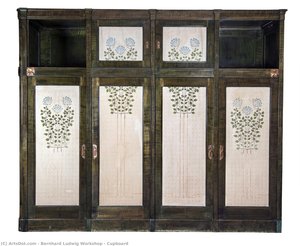
Artist Biography
The Architect of Bauhaus Ideals: The Life and Legacy of Carl Fieger
In the grand tapestry of early 20th-century modernism, few figures embody the intersection of structural precision and social vision as elegantly as Carl Fieger. Born in Mainz, Germany, in 1893, Fieger emerged from a period of profound artistic transformation. His journey began at the Mainz Art and Vocational School, an institution where he first encountered the burgeoning currents of Impressionism and Jugendstil. These early exposures to organic forms and expressive color palettes provided him with a sensitive aesthetic foundation, yet it was his subsequent immersion in the rigorous, functionalist world of the Bauhaus that would ultimately define his historical significance.
The trajectory of Fieger’s career was irrevocably altered when he entered the orbit of Walter Gropius. Beginning his apprenticeship as a draftsman in 1912, Fieger became an integral part of the revolutionary atmosphere at the Bauhaus school in Weimar. Under Gropius’s mentorship, he moved away from the decorative flourishes of the past and toward a future defined by geometric abstraction, material experimentation, and the radical belief that art should serve a functional purpose in everyday life. This period was not merely a professional training ground but a philosophical awakening, where Fieger learned to view architecture as a tool for social progress.
Mastery of Form and Functionalist Vision
Fieger’s body of work is characterized by an extraordinary ability to translate complex architectural theories into tangible, human-centric designs. His collaborations with Gropius on monumental projects—such as the Fagus Factory and the iconic Bauhaus Building in Dessau—demonstrate his mastery of modern construction techniques, including the innovative use of tubular steel and glass. Through these works, Fieger helped pioneer a visual language that celebrated the beauty of industrial materials and the efficiency of modern engineering.
Beyond large-scale industrial structures, Fieger’s true genius often resided in his intimate approach to domesticity. He was deeply invested in the concept of Existenzminimum—the idea of designing highly efficient, minimal living spaces that did not sacrifice dignity or comfort. His notable projects include:
- The Ideal Small Flat: A visionary architectural concept developed for the 1931 German Building Exhibition (Deutsche Bauausstellung) in Berlin, which emphasized a logical flow between essential rooms such as the kitchen, living area, and bedroom.
- Adaptive Floor Plans: Detailed layouts that utilized text montages and photographic elements to showcase how furniture and spatial arrangement could maximize utility within limited urban footprints.
A Lasting Impression on Modern Design
The historical significance of Carl Fieger lies in his role as a bridge between the artistic experimentation of the late 19th century and the disciplined functionalism of the modern era. His work was never solely about the aesthetic of a building; it was about the lived experience within it. By prioritizing efficiency, light, and movement, he helped shape the very blueprint of contemporary urban living. Even as architectural styles shifted throughout the mid-20th century, the principles of clarity and purpose championed by Fieger remained foundational.
Though his life concluded in 1960, the echoes of his Bauhaus apprenticeship continue to resonate in the halls of architectural history. Through his meticulous drawings and groundbreaking housing concepts, Fieger remains a vital figure for anyone seeking to understand how the marriage of art and craft can fundamentally reshape the world we inhabit.
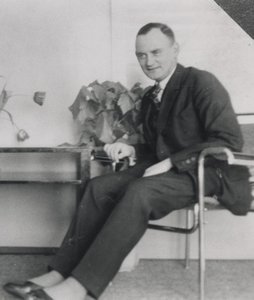
Carl Fieger
1893 - 1960 , Germany
Quick Facts
- Artistic Movement Or Style: Bauhaus
- Artists Who Influenced This Artist:
- Walter Gropius
- Peter Behrens
- Date Of Birth: June 15, 1893
- Date Of Death: 1960
- Full Name: Carl Fieger
- Nationality: German
- Notable Artworks:
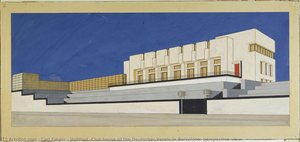
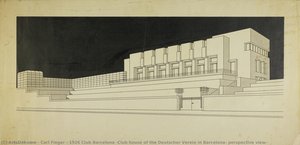
- Untitled (Club House of the deutscher verein in barcelona, perspective view)
- Untitled (Design for an interior with white varnished cupboard for the German Embassy in Saint Petersburg)
- Untitled (Sommerfeld House, Berlin-Lichterfelde, architects Walter Gropius and Adolf Meyer. Concept, perspective view of a reading room)
- Place Of Birth: Mainz, Germany
Related Articles

Watercolor Wonders: 10 Masterpieces That Redefined Art History | ArtsDot
Journey through 10 legendary watercolor masterpieces by Sargent, Turner & Homer! Explore iconic landscapes, portraits & floral art that redefined history. Find museum-quality reproductions and curated decor ideas at ArtsDot.com.

Ephemeral Visions: Exploring the Artistic Legacy & Contemporary Practice of Watercolor Painting
Explore the captivating world of watercolor painting! Discover its rich history, essential techniques, influential artists & collecting tips. A comprehensive guide for art enthusiasts from ArtsDot.

Ephemeral Visions: Exploring the History & Emotional Resonance of Watercolor Painting
Explore the captivating history of watercolor painting, from ancient techniques to modern masters like Kandinsky & Blake. Discover essential artists, collecting tips & the emotional power of this luminous medium. Expert insights for art enthusiasts.

Ephemeral Visions: Exploring the Artistic Legacy & Nuances of Watercolor Painting
Explore the captivating world of watercolor painting! Discover its rich history, essential techniques, influential artists & collecting tips from art experts. A comprehensive guide for enthusiasts.

The Enduring Appeal of Watercolor: History, Techniques & Contemporary Practice
Explore the captivating world of watercolor painting! Discover its rich history, essential techniques, influential artists, and collecting tips. A comprehensive guide for art enthusiasts.