 Preview
 Send
Send Share
Share
 Details

 Download
 Similars
 X-Ray
X-Ray Diaporama
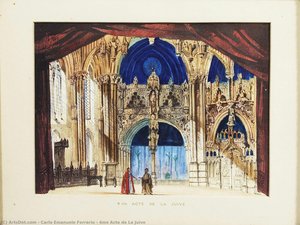
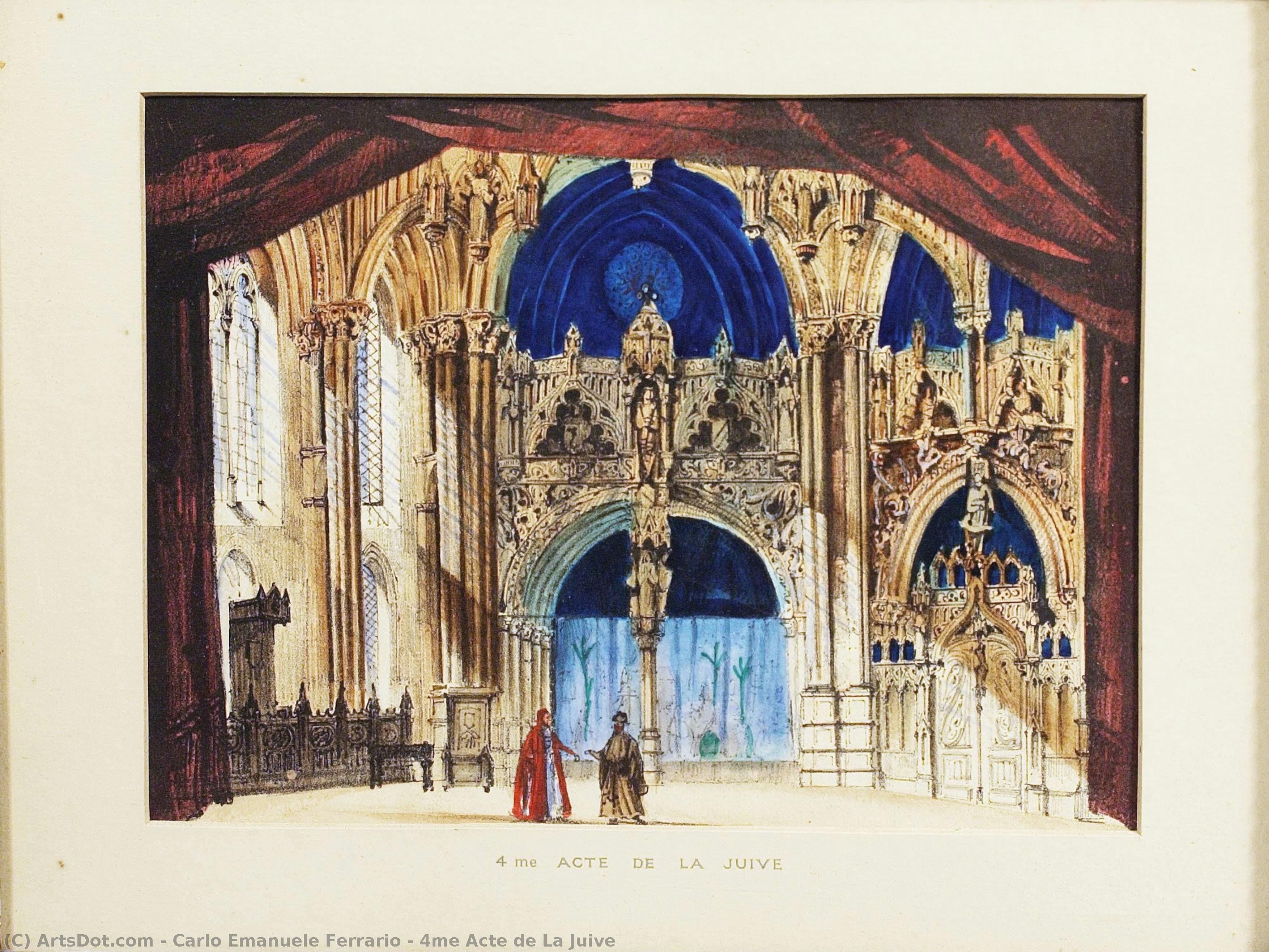
4me Acte de La Juive

 Read More
Hand Made Oil Reproduction
Hand-painted oil on canvas in your size and frame, made to order by our artists. ( Buy Print Buy Image)




































Pick from our preset sizes that match the artwork's original proportions.

You may enter your own dimensions to fit a specific frame or space. If your selected size does not match the original image's proportions, we will either crop the artwork or extend the painting with additional hand-painted elements. A digital mockup will be sent for your approval before production begins.
Please note that the on-screen preview does not reflect the actual cropping or extension. Only the mockup will accurately show the final composition.
While custom sizes are available, we recommend selecting a dimension from the predefined list to preserve the original proportions.
After order, ArtsDot.com team will email client for instructions and provide a mockup preview
Worldwide Delivery () in 3/4 weeks instead of standard 5 weeks. (21 August). No compromise on quality.

Free Worldwide Express Shipping

High-Quality Linen Canvas

Full Shipping Insurance

Customs Tax Refund Guarantee

True Color Matching Guarantee

60-Day Return Policy (Defects Only)

100% Money-Back Guarantee

Bulk Discount Offer
 Glass option is only available in size under 110 CM

4me Acte de La Juive
Reproduction Medium
Reproduction Size
-


Total Price
$ 263
Related Artworks

Artist Biography
A Life Dedicated to the Stage: The Artistic Journey of Carlo Ferrario
Born in Milan, Italy, in 1833, Carlo Ferrario emerged as a pivotal figure in 19th-century Italian theatre and art. His life story is one interwoven with dedication, innovation, and a profound understanding of both artistic technique and dramatic spectacle. Unlike many artists who followed a traditional path through academies and established patronage, Ferrario’s early years were marked by necessity; he was compelled to leave school at a young age to contribute financially to his family. This practical grounding, however, proved formative, leading him to an apprenticeship with a local decorator—an experience that ignited his passion for the visual elements of performance. He enrolled in night courses at the Brera Academy in 1852, studying under Enrico Robecchi, but it was his subsequent employment at La Scala in 1853 as an assistant stage manager that truly defined his trajectory.From Stagehand to Scenic Master: The Evolution of a Vision
Ferrario’s ascent within the theatrical world wasn't merely about climbing the ranks; it was about transforming the very nature of stage design. Initially immersed in replicating existing styles, he quickly began to innovate, driven by a scholar’s curiosity for materials and lighting. His meticulous research into oil and pastel painting culminated in the publication of *“The Technique of Oil and Pastel Painting”* in 1930—a testament not just to his artistic skill but also to his scientific approach. This manual, re-edited six times throughout his career, wasn’t a compilation of existing knowledge but rather a product of direct experimentation and observation. He believed deeply that the intellectual and technical aspects of art were inseparable, a conviction that permeated all his work. By 1859, he was invited to become an associate professor at the Brera Academy, further solidifying his position as a leading authority on stagecraft. His appointment as co-director at La Scala in 1867 and later Director of Scenography in 1868 marked the peak of his influence within the opera house.A Legacy in Canvas and Curtain: Major Achievements
Ferrario’s contributions extended far beyond the walls of La Scala, though his work there remains particularly significant. He created curtains for numerous theaters across Milan, each a lavish display of Gothic architectural detail and dramatic lighting—characteristics that would become hallmarks of his style. His designs weren't simply backdrops; they were immersive environments intended to transport audiences to other worlds. In 1878, he brought this vision to the Teatro Argentina in Rome with the stage settings for *Salvator Rosa*, demonstrating his ability to adapt his opulent aesthetic to diverse operatic narratives. However, it was his collaboration with Giuseppe Verdi that cemented his place in artistic history. Verdi specifically requested Ferrario’s expertise for *Otello* in 1887, recognizing his unique talent for creating visually compelling settings. This led to further collaborations on *Aida* and *Falstaff*, solidifying a partnership built on mutual respect and a shared commitment to theatrical excellence.The Enduring Influence of Ferrario’s Luminous Style
Carlo Ferrario's historical significance lies not only in his individual achievements but also in his impact on the broader artistic landscape. He bridged the gap between painting, architecture, and theatre, elevating stage design from a purely functional craft to a respected art form. His meticulous attention to detail, combined with his innovative use of lighting and color, created a sense of realism and grandeur that captivated audiences. While he remained rooted in the conservatism of 19th-century Romanticism, his scientific approach to materials and techniques foreshadowed later developments in stage technology and design. Today, reproductions of his work—such as *4me Acte de La Juive* and *Untitled (Shining) #10*—continue to inspire artists and designers, offering a glimpse into the luminous world he so skillfully created. His legacy is one of dedication, innovation, and an unwavering belief in the power of art to transform and transport.
carlo emanuele ferrario
1986 - , Italy
Quick Facts
- Artistic Movement Or Style: Luminous Art
- Date Of Birth: 1986
- Full Name: Carlo Emanuele Ferrario
- Nationality: Italian
- Notable Artworks:
- 4me Acte de La Juive
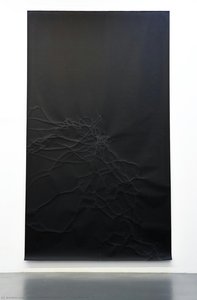
- Untitled (Shining) #10
- Place Of Birth: Porlezza, Italy
Related Articles

Watercolor Wonders: 10 Masterpieces That Redefined Art History | ArtsDot
Journey through 10 legendary watercolor masterpieces by Sargent, Turner & Homer! Explore iconic landscapes, portraits & floral art that redefined history. Find museum-quality reproductions and curated decor ideas at ArtsDot.com.

Ephemeral Visions: Exploring the Artistic Legacy & Contemporary Practice of Watercolor Painting
Explore the captivating world of watercolor painting! Discover its rich history, essential techniques, influential artists & collecting tips. A comprehensive guide for art enthusiasts from ArtsDot.

Ephemeral Visions: Exploring the Artistic Legacy & Nuances of Watercolor Painting
Explore the captivating world of watercolor painting! Discover its rich history, essential techniques, influential artists & collecting tips from art experts. A comprehensive guide for enthusiasts.

Ephemeral Visions: Exploring the History & Emotional Resonance of Watercolor Painting
Explore the captivating history of watercolor painting, from ancient techniques to modern masters like Kandinsky & Blake. Discover essential artists, collecting tips & the emotional power of this luminous medium. Expert insights for art enthusiasts.

The Enduring Appeal of Watercolor: History, Techniques & Contemporary Practice
Explore the captivating world of watercolor painting! Discover its rich history, essential techniques, influential artists, and collecting tips. A comprehensive guide for art enthusiasts.