 Preview
 Send
Send Share
Share
 Details

 Download
 Similars
 X-Ray
X-Ray Diaporama
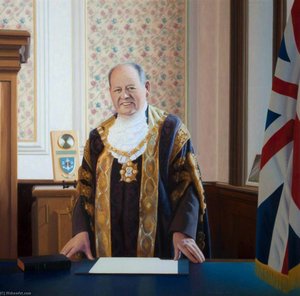
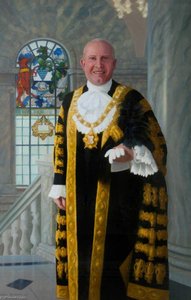
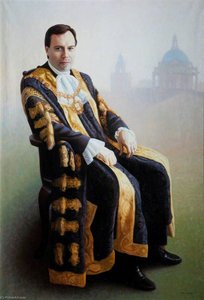
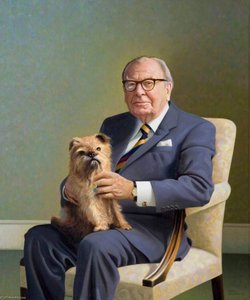
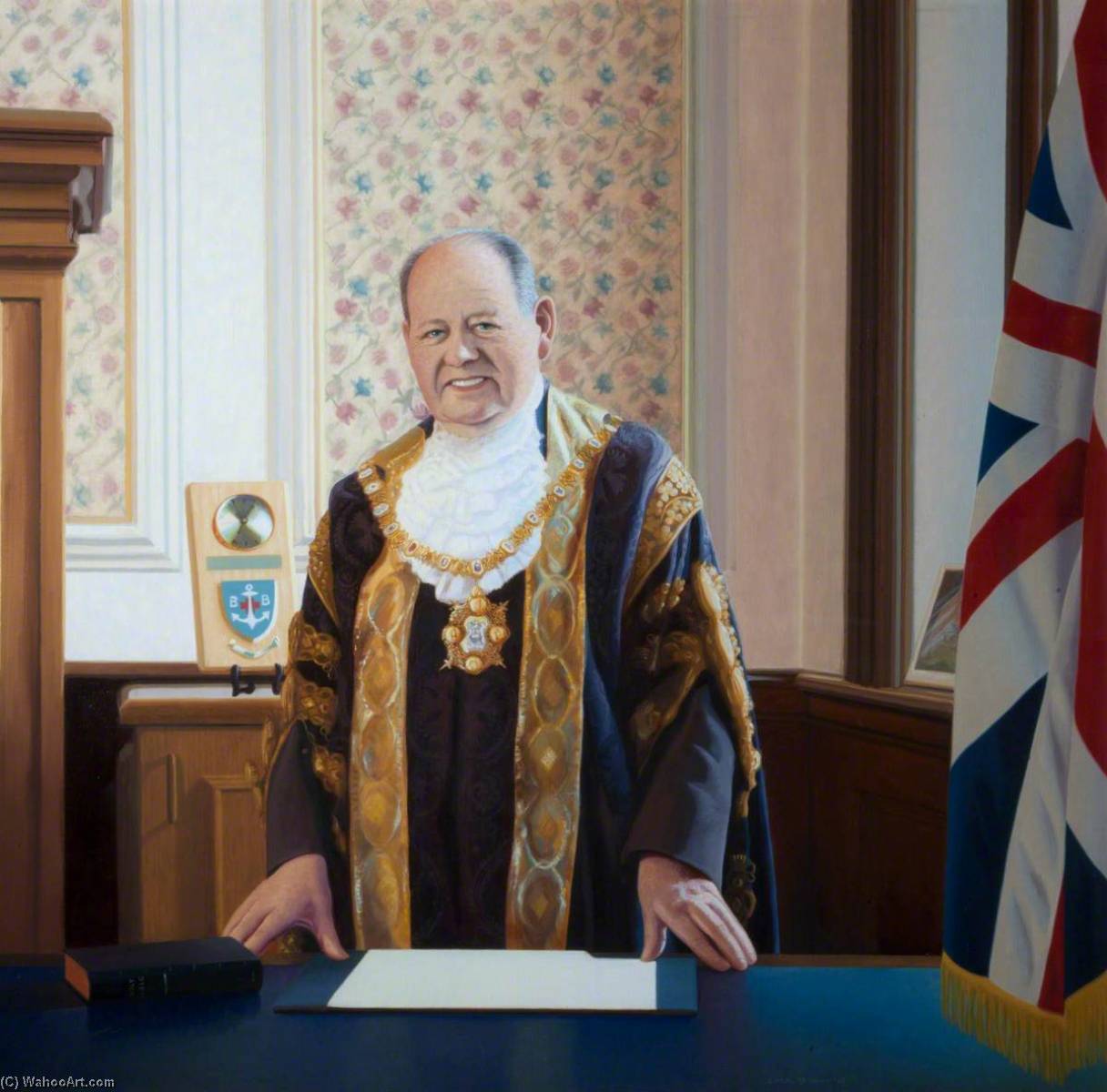
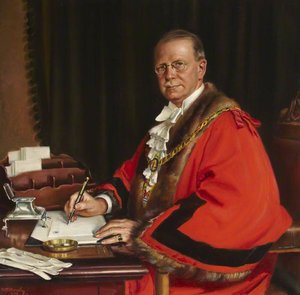
Alderman Herbert Ditty (d.1998), JP, Lord Mayor (1992–1993)
 Acrylic On Canvas
- WallArt
- Contemporary Realism
 123.0 x 123.0 cm
 Belfast City Hall
 Read More
Hand Made Oil Reproduction
Hand-painted oil on canvas in your size and frame, made to order by our artists. ( Buy Print Buy Image)




P118B $10

P118H $10

P118W $10

P438Z $10

P508JH $12

P508YH $12

P805H $10

P805Z $10

P919BZ $10

P919G $10

P919XJ $10

P959ZH $10

P968JZ $12

W106C $8

W218G $10

W218JH $8

W218Y $10

W307PJ $10

W316G $10

W316PJ $8

W316Y $10

W398PJ $8

W4111J $10

W500HY $15

W500JH $15

W692G $12

W849H $8

W940BG $15

W953PJ $8




Pick from our preset sizes that match the artwork's original proportions.

You may enter your own dimensions to fit a specific frame or space. If your selected size does not match the original image's proportions, we will either crop the artwork or extend the painting with additional hand-painted elements. A digital mockup will be sent for your approval before production begins.
Please note that the on-screen preview does not reflect the actual cropping or extension. Only the mockup will accurately show the final composition.
While custom sizes are available, we recommend selecting a dimension from the predefined list to preserve the original proportions.
After order, ArtsDot.com team will email client for instructions and provide a mockup preview
Worldwide Delivery () in 3/4 weeks instead of standard 5 weeks. (22 August). No compromise on quality.

Free Worldwide Express Shipping

High-Quality Linen Canvas

Full Shipping Insurance

Customs Tax Refund Guarantee

True Color Matching Guarantee

60-Day Return Policy (Defects Only)

100% Money-Back Guarantee

Bulk Discount Offer
 Glass option is only available in size under 110 CM

Alderman Herbert Ditty (d.1998), JP, Lord Mayor (1992–1993)
Reproduction Medium
Reproduction Size
-


Total Price
$ 263
Artwork Description
A Portrait of Belfast’s Dignified Spirit: Carol Graham's Alderman Herbert Ditty
Carol Graham’s depiction of Alderman Herbert Ditty, JP, Lord Mayor (1992–1993), isn’t merely a likeness; it’s an embodiment of Northern Ireland’s enduring resilience. Painted in 1998, this monumental canvas – measuring 123 x 123 cm – transcends the conventions of portraiture, becoming a testament to Graham's masterful observation and her profound understanding of human character within its socio-political landscape. The artwork captures Ditty seated at a desk adorned with papers, illuminated by soft light that emphasizes his dignified posture and serene expression.Style and Technique: Precision Meets Impressionistic Nuance
Graham’s artistic style leans towards realism blended with subtle impressionistic touches. While the composition adheres to meticulous detail—the folds of Ditty's robe rendered with painstaking accuracy, the textures of the desk surface painstakingly recreated—there’s an undeniable warmth emanating from the brushstrokes themselves. This delicate balance allows Graham to convey not just physical appearance but also a palpable sense of presence and inner contemplation. The artist skillfully employs glazing techniques, layering translucent washes of color over underpaintings to achieve depth and luminosity, mirroring the complexities of Northern Irish identity itself.Historical Context: Belfast City Hall and the Legacy of Troubles
The painting’s setting—Belfast City Hall—holds significant symbolic weight. Constructed in 1897, it represents civic pride and institutional stability during a turbulent period marked by sectarian conflict known as “The Troubles.” Alderman Ditty's role as Lord Mayor signifies leadership amidst division, highlighting the importance of reconciliation and remembrance. Graham’s choice to depict him at his desk—a space associated with deliberation and decision-making—underscores the artist’s intention to portray Ditty not just as a figurehead but as someone actively engaged in shaping Belfast's future.Symbolism: Objects Reflecting Character
Beyond Ditty himself, Graham incorporates symbolic elements that enrich the artwork’s narrative. The book resting on the desk symbolizes knowledge and contemplation—qualities Graham attributes to her subject. Similarly, the clock serves as a reminder of time passing and the importance of legacy. These carefully considered additions contribute to a broader commentary on Northern Ireland's history and its aspiration for progress.Emotional Impact: Quiet Dignity and Enduring Hope
Ultimately, Carol Graham’s Alderman Herbert Ditty speaks volumes about human dignity and quiet fortitude. The portrait’s serene countenance conveys an unwavering spirit—a refusal to succumb to despair amidst adversity. It is precisely this understated emotion that elevates the artwork beyond mere visual representation, transforming it into a poignant reflection of Northern Ireland's soul and a celebration of leadership rooted in compassion and wisdom. This reproduction offers collectors and interior designers alike the opportunity to experience Graham’s artistic vision firsthand—a timeless image capturing a moment of grace amidst historical complexity.Related Artworks

Artist Biography
Carol Graham: A Portraitist of Northern Ireland’s Soul
Carol Graham, born in Belfast in 1951, is more than just a portrait painter; she's a visual chronicler of a nation grappling with its identity and history. Her work, deeply rooted in the landscapes and figures of Northern Ireland, transcends mere representation, offering instead poignant glimpses into the lives and spirits that shaped – and continue to shape – this complex region. From her early studies at the Belfast College of Art to her current status as a respected member of the Royal Ulster Academy (RUA) and former President, Graham’s artistic journey has been one of quiet observation, meticulous technique, and an unwavering commitment to capturing the essence of her subjects.
Graham's formative years in Belfast were crucial to her artistic development. Growing up amidst the political tensions of the Troubles instilled a deep sensitivity to the human condition – the resilience, vulnerability, and unspoken stories embedded within everyday life. This awareness is immediately apparent in her portraits, where she doesn’t simply depict physical likeness but strives to convey an individual's inner world, their hopes, fears, and memories. Her early training at Cambridge House School provided a solid foundation, while her subsequent studies at the Belfast College of Art honed her technical skills and introduced her to the diverse range of artistic styles available. Crucially, her decision to pursue portraiture wasn’t driven by a desire for fame or fortune but rather by a genuine fascination with capturing the complexities of human character.
A Landscape Shaped by History
While Graham is celebrated primarily for her portraits, her landscapes are equally compelling and integral to understanding her artistic vision. These aren't idyllic depictions of rolling hills; they’re imbued with the weight of history – the scars of conflict, the enduring beauty of the countryside, and the quiet dignity of rural life. Graham’s early exposure to the rugged coastline and dramatic moorlands of Northern Ireland undoubtedly influenced her approach to landscape painting. She frequently incorporates elements of abstraction and symbolism into her work, suggesting layers of meaning beyond the purely visual. The use of light and shadow is particularly masterful, creating a sense of atmosphere and mood that reflects the emotional tenor of each scene.
Her landscapes are not merely scenic; they’re imbued with a narrative quality, often hinting at stories untold. The muted colors and textured brushstrokes evoke a feeling of timelessness, as if these scenes have witnessed generations of human experience. Graham's ability to capture the essence of Northern Ireland’s landscape—its beauty, its hardship, and its enduring spirit—is a testament to her deep connection with the region and her profound artistic talent.
Portraits of Prominence and Quiet Moments
Graham’s portraiture is perhaps her most celebrated work. She has been commissioned to paint a diverse range of subjects – from prominent political figures like Mary Robinson and Mary McAleese, President of Ireland, to esteemed members of the legal community such as John P.B. Maxwell, barrister. What distinguishes Graham's portraits isn’t simply technical skill; it’s her remarkable ability to reveal something essential about each subject through careful observation and empathetic engagement. She avoids superficiality, instead focusing on capturing the character, intelligence, and humanity of her sitters.
Her portraits are often characterized by a sense of intimacy and vulnerability. Graham employs a loose, expressive brushstroke that conveys both strength and fragility. She’s adept at using light and shadow to sculpt the faces of her subjects, creating a three-dimensional effect that draws the viewer in. The inclusion of subtle details – a fleeting expression, a gesture, a particular texture – adds layers of meaning and complexity to each portrait, transforming them from simple likenesses into powerful statements about human experience.
Recognition and Legacy
Carol Graham’s artistic achievements have been widely recognized throughout her career. She was elected to the Royal Ulster Academy in 1985, a prestigious honor that reflects her standing within the Northern Irish art community. She served as RUA President from 2003 to 2006, demonstrating her commitment to fostering and supporting emerging artists. Graham’s work has been exhibited extensively throughout Ireland and internationally, including solo shows at The Arts Council Gallery in Belfast, Tom Caldwell Gallery, Holywood, and the Naughton Gallery at Queen's University.
Beyond her individual accomplishments, Graham has played a significant role in promoting Northern Irish art on a national and international stage. Her dedication to nurturing young talent and advocating for the importance of visual arts education is a testament to her generous spirit and enduring legacy. Carol Graham’s work continues to resonate with audiences today, offering a poignant reflection on the complexities of identity, history, and the human spirit – a vital contribution to the artistic landscape of Northern Ireland.
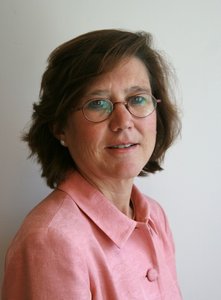
carol graham
1951 -
Quick Facts
- Artistic Movement Or Style: Portraiture
- Artists Or Movements Influenced By This Artist: ['None specified']
- Artists Who Influenced This Artist: ['None specified']
- Date Of Birth: 1951
- Full Name: Carol Graham
- Nationality: Irish
- Notable Artworks:
- The Striped Skirt
- Various portraits
- Place Of Birth: Belfast, Northern Ireland
Related Articles
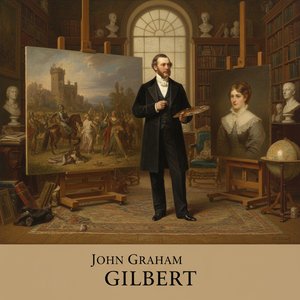
John Graham Gilbert: Rediscovering a Victorian Master of Narrative & Portraiture
Discover the captivating world of John Graham Gilbert, a Victorian master! Explore his portraits, genre scenes & illustrations. Learn about his influences, legacy & find high-quality reproductions at ArtsDot.
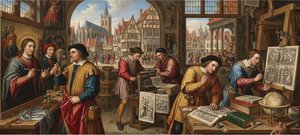
The Northern Renaissance: A Flourishing of Realism, Religious Reform & Artistic Innovation
Explore the Northern Renaissance! Discover Jan van Eyck's innovations, religious shifts, & key artists of this influential period. Expert analysis and insights into Early Netherlandish painting at ArtsDot.
Northern Renaissance Masters: 10 Artworks That Shaped History |
Journey through the Northern Renaissance! Explore 10 iconic paintings by Jan van Eyck, Dürer & Bosch. Discover their stories, techniques & lasting impact. Find museum-quality art reproductions & elevate your home decor on .

Grahame Sydney: Evoking Otago's Soul Through Light & Landscape
Explore the captivating landscapes of Sir Grahame Sydney, a leading New Zealand artist renowned for his magic realism & evocative depictions of Otago's beauty. Discover key works and delve into his artistic legacy.
Peter Graham Li: Capturing Light & Narrative in Contemporary Oil Painting
Discover the captivating oil paintings of Peter Graham Li – a contemporary artist celebrated for his masterful use of light, color, and impasto technique. Explore investment potential & curated selections at ArtsDot.