 Preview
 Send
Send Share
Share
 Details

 Download
 Similars
 X-Ray
X-Ray Diaporama
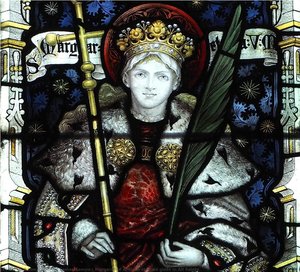
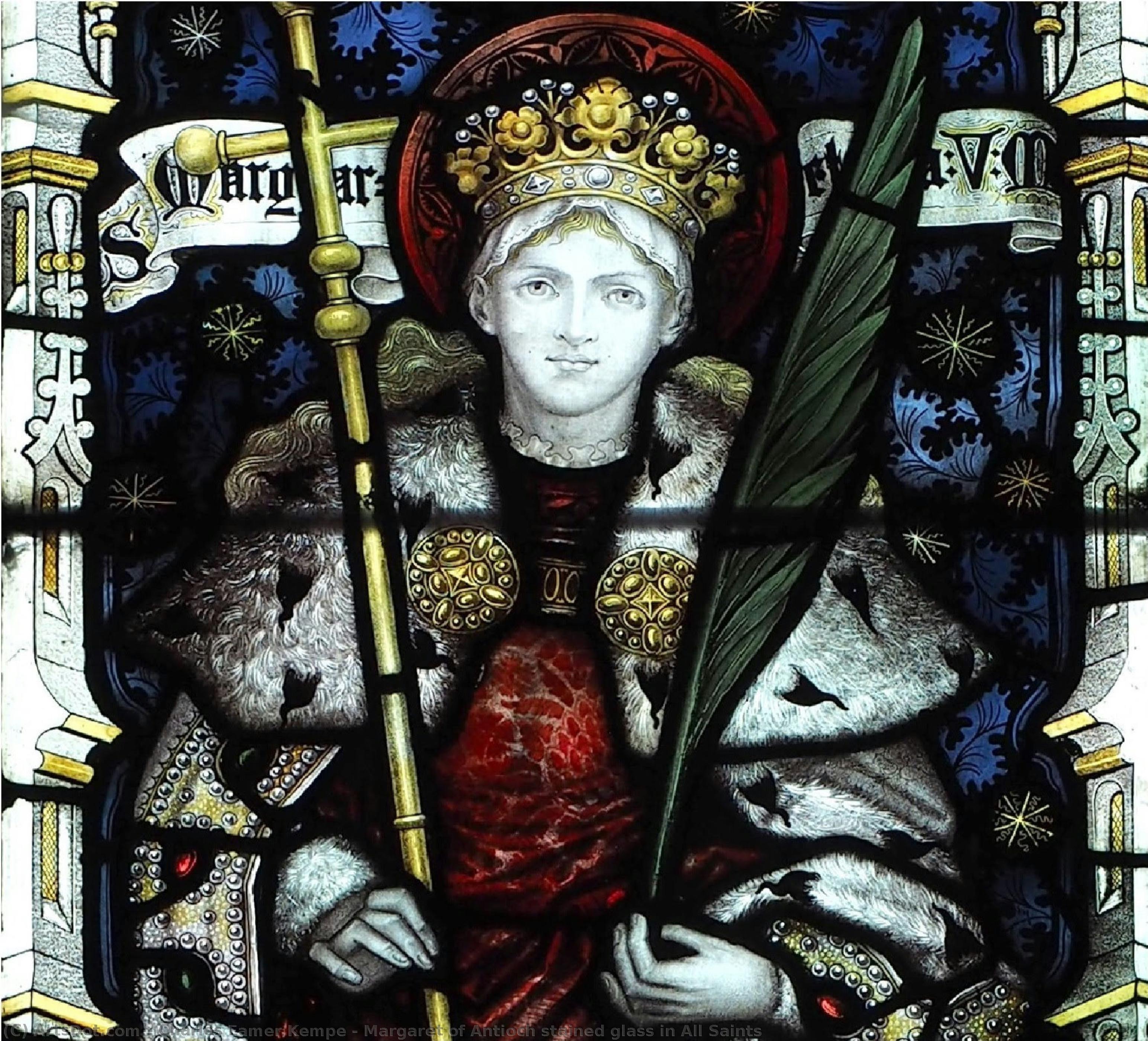
Margaret of Antioch stained glass in All Saints


 Read More
Hand Made Oil Reproduction
Hand-painted oil on canvas in your size and frame, made to order by our artists. ( Buy Print Buy Image)




P118B $10

P118H $10

P118W $10

P438Z $10

P508JH $12

P508YH $12

P805H $10

P805Z $10

P919BZ $10

P919G $10

P919XJ $10

P959ZH $10

P968JZ $12

W106C $8

W218G $10

W218JH $8

W218Y $10

W307PJ $10

W316G $10

W316PJ $8

W316Y $10

W398PJ $8

W4111J $10

W500HY $15

W500JH $15

W692G $12

W849H $8

W940BG $15

W953PJ $8




Pick from our preset sizes that match the artwork's original proportions.

You may enter your own dimensions to fit a specific frame or space. If your selected size does not match the original image's proportions, we will either crop the artwork or extend the painting with additional hand-painted elements. A digital mockup will be sent for your approval before production begins.
Please note that the on-screen preview does not reflect the actual cropping or extension. Only the mockup will accurately show the final composition.
While custom sizes are available, we recommend selecting a dimension from the predefined list to preserve the original proportions.
After order, ArtsDot.com team will email client for instructions and provide a mockup preview
Worldwide Delivery () in 3/4 weeks instead of standard 5 weeks. (16 August). No compromise on quality.

Free Worldwide Express Shipping

High-Quality Linen Canvas

Full Shipping Insurance

Customs Tax Refund Guarantee

True Color Matching Guarantee

60-Day Return Policy (Defects Only)

100% Money-Back Guarantee

Bulk Discount Offer
 Glass option is only available in size under 110 CM

Margaret of Antioch stained glass in All Saints
Reproduction Medium
Reproduction Size
-


Total Price
$ 263
Artwork Description
A Window of Faith: Exploring Charles Eamer Kempe’s Stained Glass Depiction of Saint Margaret
The Victorian era witnessed a fervent embrace of craftsmanship and spiritual contemplation, and few artistic expressions embodied these ideals more powerfully than the stained glass windows crafted by Charles Eamer Kempe. Specifically, his 1893 depiction of Saint Margaret of Antioch – housed in All Saints’ Church in London – stands as a testament to Kempe's mastery and the enduring legacy of the Arts and Crafts movement. This isn’t merely decorative art; it’s an immersive experience designed to elevate the viewer’s soul, reflecting Kempe’s profound belief in the transformative potential of beauty.The Saint Illuminated: Symbolism and Narrative
Saint Margaret of Antioch is venerated as a martyr who miraculously survived being devoured by dragons – a narrative steeped in Christian symbolism representing triumph over evil and divine protection. Kempe skillfully captures this story within the confines of the window’s framework, positioning St Margaret centrally amidst a swirling vortex of indigo glass and geometric patterns. The dragon beneath her feet isn't simply depicted as a fearsome beast; it’s rendered in shades of violet and grey, symbolizing darkness and corruption, effectively subdued by Saint Margaret’s unwavering faith. Above all, the crown adorning St Margaret’s head signifies royalty – not merely earthly dominion but divine grace and holiness, reinforcing the saint’s role as an exemplar of piety and courage.Technique and Material: The Kempe Method
Kempe's approach to stained glass was revolutionary for its time. Rejecting mass production techniques favored by earlier generations, he championed a meticulous process rooted in traditional craftsmanship. Each pane is painstakingly cut from colored glass – primarily indigo, alongside accents of gold and subtle greens – before being fused together with lead came strips to create a structurally sound framework. This method demanded considerable skill and patience, prioritizing the honest use of materials and celebrating the interplay between light and color. The resulting surface texture is remarkably smooth, achieved through careful polishing after firing, ensuring that the vibrant hues remain luminous for centuries to come.Historical Context: Arts & Crafts Elegance
Kempe’s work aligns perfectly with the broader ethos of the Arts and Crafts movement spearheaded by William Morris. This influential aesthetic rejected industrialization's dehumanizing effects, advocating instead for handcrafted objects imbued with artistic merit and moral purpose. Stained glass windows were considered particularly suited to this mission – they served as didactic tools educating parishioners about biblical narratives while simultaneously fostering a sense of awe and reverence. The window’s grandeur reflects the aspirations of Victorian society to elevate spiritual life through tangible beauty, mirroring Kempe's own conviction that art could inspire moral contemplation.Emotional Resonance: Capturing Divine Light
Ultimately, Kempe’s Stained Glass Depiction of Saint Margaret transcends mere visual representation; it seeks to evoke an emotional response in the viewer. The diffused light filtering through the indigo glass casts a serene glow upon the scene, creating an ethereal atmosphere that invites contemplation. The intricate geometric patterns and floral motifs contribute to this sense of tranquility, mirroring the harmonious order inherent in God’s creation. Viewing this masterpiece is akin to stepping into a sacred space—a place where beauty illuminates faith and reminds us of the enduring power of spiritual inspiration.Related Artworks

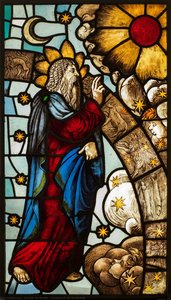
Artist Biography
A Life Illuminated: The Stained Glass Legacy of Charles Eamer Kempe
Born in the tranquil Sussex countryside at Ovingdean Hall in 1837, Charles Eamer Kempe embarked on a journey that would indelibly transform the landscape of Victorian stained glass. Initially drawn to the path of clergy and studying at Oxford University, Kempe’s artistic inclinations soon steered him toward design and craftsmanship. A stammer prevented his taking holy orders, but it was perhaps this very circumstance that unlocked his true calling – to adorn sacred spaces with beauty rather than through sermonizing. His early explorations encompassed textiles and furniture before a pivotal encounter with stained glass during an apprenticeship with the esteemed firm of William Morris, Marshall, Faulkner & Co., a cornerstone of the burgeoning Arts and Crafts movement. This formative experience instilled in him a deep respect for craftsmanship and honest materials, principles that would define his artistic ethos.Forging a Distinctive Vision
In 1870, Kempe established his own studio in London, a watershed moment allowing the full flowering of his unique style. While initially influenced by the Arts and Crafts movement’s emphasis on handiwork and rejection of mass production, he gradually diverged from the prevailing Gothic Revival aesthetic. He sought not to merely replicate medieval techniques but to infuse them with a vibrant individuality, favoring rich, jewel-toned palettes and intricate detailing that breathed new life into the art form. Kempe's windows are instantly recognizable through his signature incorporation of symbolic floral motifs – pomegranates representing resurrection, grapevines embodying the Eucharist, and passionflowers alluding to Christ’s suffering. These weren’t merely decorative elements; they were carefully chosen symbols woven into a narrative tapestry of faith and meaning. He developed a keen eye for color, moving away from the often muted tones favored by his contemporaries towards a more brilliant and expressive use of hue.A Prolific Output and Enduring Masterpieces
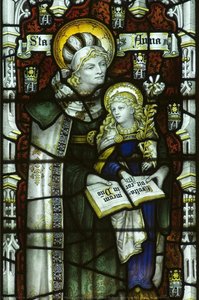
Over the course of his career, Kempe’s studios produced an astonishing body of work – over 4,000 windows alongside countless altars, altar frontals, furniture pieces, and other ecclesiastical furnishings. His creations grace many of the United Kingdom's most important cathedrals, including Chester, Gloucester, Hereford, Lichfield, Wells, Winchester, and York, each window a testament to his skill and devotion. Notable commissions included stunning windows for All Saints’ Church, Margaret Street, London, a landmark example of Anglo-Catholic architecture, and numerous parish churches throughout England. The stained glass panel depicting St. Anne teaching the Virgin Mary to read stands as a prime illustration of Kempe's detailed narrative style and masterful use of color, while the Margaret of Antioch window in All Saints showcases his exceptional command of indigo hues and the elegant principles of the Arts & Crafts movement.Influences and Artistic Synthesis
Kempe’s artistic development was shaped by a confluence of influences. The Pre-Raphaelites, with their emphasis on detail and narrative content, left an undeniable mark on his work. However, he diverged from their often subdued color schemes, embracing a more vibrant and expressive palette. The Arts and Crafts movement provided the philosophical foundation for his commitment to craftsmanship and the integration of art into everyday life. He drew inspiration from medieval stained glass techniques but adapted them to suit his own artistic vision, incorporating symbolic imagery derived from both religious texts and the natural world. He sought not imitation, but reinterpretation, breathing new life into ancient traditions. His designs weren’t simply beautiful; they were imbued with layers of meaning, inviting contemplation and spiritual reflection.A Lasting Legacy
Charles Eamer Kempe played a pivotal role in the revitalization of stained glass during the Victorian era, elevating it from a largely decorative craft to a respected fine art. His work represented a significant departure from earlier Gothic Revival styles, paving the way for more innovative and expressive approaches to design. Beyond stained glass, his designs for altars, furniture, and furnishings demonstrated his versatility as an artist and his commitment to creating harmonious and integrated artistic environments. Today, Kempe’s windows are highly sought after by collectors and continue to inspire artists and designers. His legacy endures as a testament to the power of craftsmanship, artistry, and spiritual expression – a luminous inheritance that continues to illuminate sacred spaces and captivate audiences worldwide.- Major Commissions: All Saints’ Church, Margaret Street (London), Chester Cathedral, Gloucester Cathedral.
- Signature Style: Rich colors, intricate detailing, symbolic floral motifs (pomegranates, grapevines, passionflowers).
- Influences: Arts and Crafts movement, Pre-Raphaelites, medieval stained glass techniques.

Charles Eamer Kempe
1837 - 1907 , United Kingdom
Quick Facts
- Artistic Movement Or Style: Arts & Crafts, Victorian
- Artists Or Movements Influenced By This Artist: ['Stained glass artists']
- Artists Who Influenced This Artist:
- Pre-Raphaelites
- William Morris
- Date Of Birth: 1837
- Date Of Death: 1907
- Full Name: Charles Eamer Kempe
- Nationality: British
- Notable Artworks:
- St. Anne teaching Mary
- Margaret of Antioch
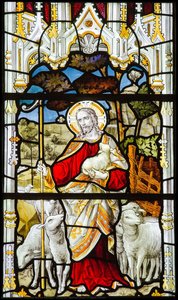
- Jesus Christ stained glass
- Place Of Birth: Ovingdean, UK
Related Articles

Hablot Knight Browne: Phiz & the Victorian Social Canvas – A Critical Legacy
Explore the life & art of Hablot Knight Browne ('Phiz'), Dickens's iconic illustrator. Discover his masterful social commentary, technical innovations, and enduring legacy in Victorian illustration. A critical examination for history lovers.

The Refined Aesthetic of Victorian Illustration: A Study in Narrative & Technique
Explore the captivating world of Victorian illustration! Discover Pre-Raphaelite influences, key artists like Rossetti & Stephens, and the era's rich narrative detail. A deep dive for art enthusiasts.
The Shadow of Faith: Exploring Gothic Art's Spiritual Intensity & Architectural Innovation
Explore the spiritual intensity & architectural innovation of Gothic art! Discover the symbolism behind cathedrals, stained glass & master artists like Giotto and Monet. A deep dive into medieval history & artistic expression.
William Powell Frith: Narratives of Victorian Society & the Rise of Realist Painting
Explore the life & works of William Powell Frith, the 'greatest British painter of social scenes.' Discover his iconic Victorian genre paintings and learn about his lasting impact on realist art. Hand-painted reproductions available.

Frank O. Salisbury: Capturing an Era Through Victorian Portraiture & Atmospheric Realism
Explore the life & work of Frank O. Salisbury, Britain's celebrated 'Painter Laureate'. Discover his masterful Victorian portraits, atmospheric realism, and captivating historical murals. A deep dive into a remarkable artistic legacy.